
🇦🇺 Australia
🇧🇪 Belgium
🇨🇦 Canada
🇨🇿 Czechia
🇩🇰 Denmark
🇪🇪 Estonia
🇫🇮 Finland
🇬🇷 Greece
🇭🇺 Hungary
🇮🇪 Ireland
🇮🇱 Israel
🇮🇹 Italy
🇯🇵 Japan
🇰🇼 Kuwait
🇱🇻 Latvia
🇱🇹 Lithuania
🇲🇽 Mexico
🇲🇩 Moldova
🇳🇱 Netherlands
🇳🇴 Norway
🇵🇱 Poland
🇷🇴 Romania
🇸🇰 Slovakia
🇰🇷 South Korea
🇨🇭 Switzerland
🇬🇧 United Kingdom
🇺🇸 United States of America
and more
🇦🇺 Australia
🇧🇪 Belgium
🇨🇦 Canada
🇨🇿 Czechia
🇩🇰 Denmark
🇪🇪 Estonia
🇫🇮 Finland
🇬🇷 Greece
🇭🇺 Hungary
🇮🇪 Ireland
🇮🇱 Israel
🇮🇹 Italy
🇯🇵 Japan
🇰🇼 Kuwait
🇱🇻 Latvia
🇱🇹 Lithuania
🇲🇽 Mexico
🇲🇩 Moldova
🇳🇱 Netherlands
🇳🇴 Norway
🇵🇱 Poland
🇷🇴 Romania
🇸🇰 Slovakia
🇰🇷 South Korea
🇨🇭 Switzerland
🇬🇧 United Kingdom
🇺🇸 United States of America
and more


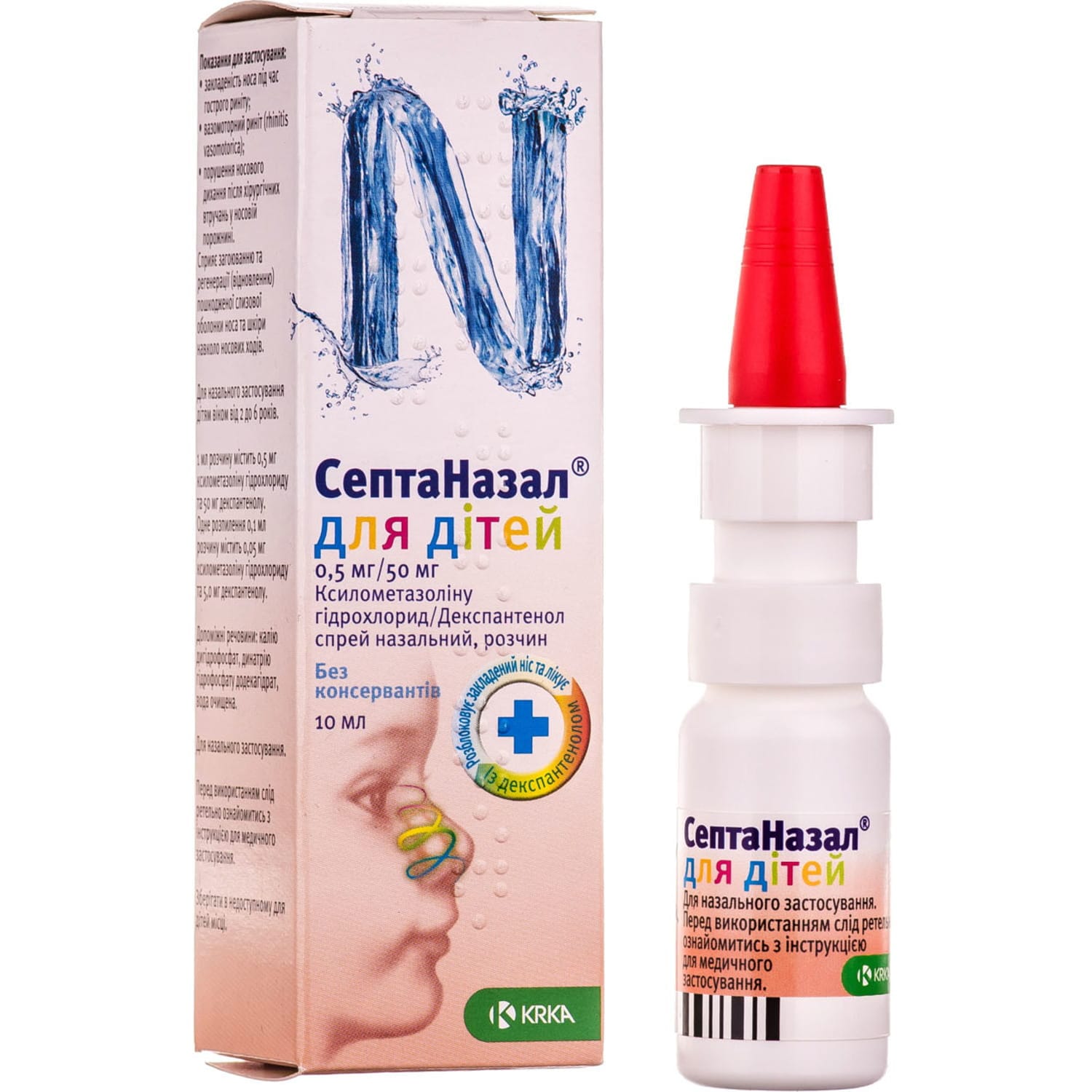
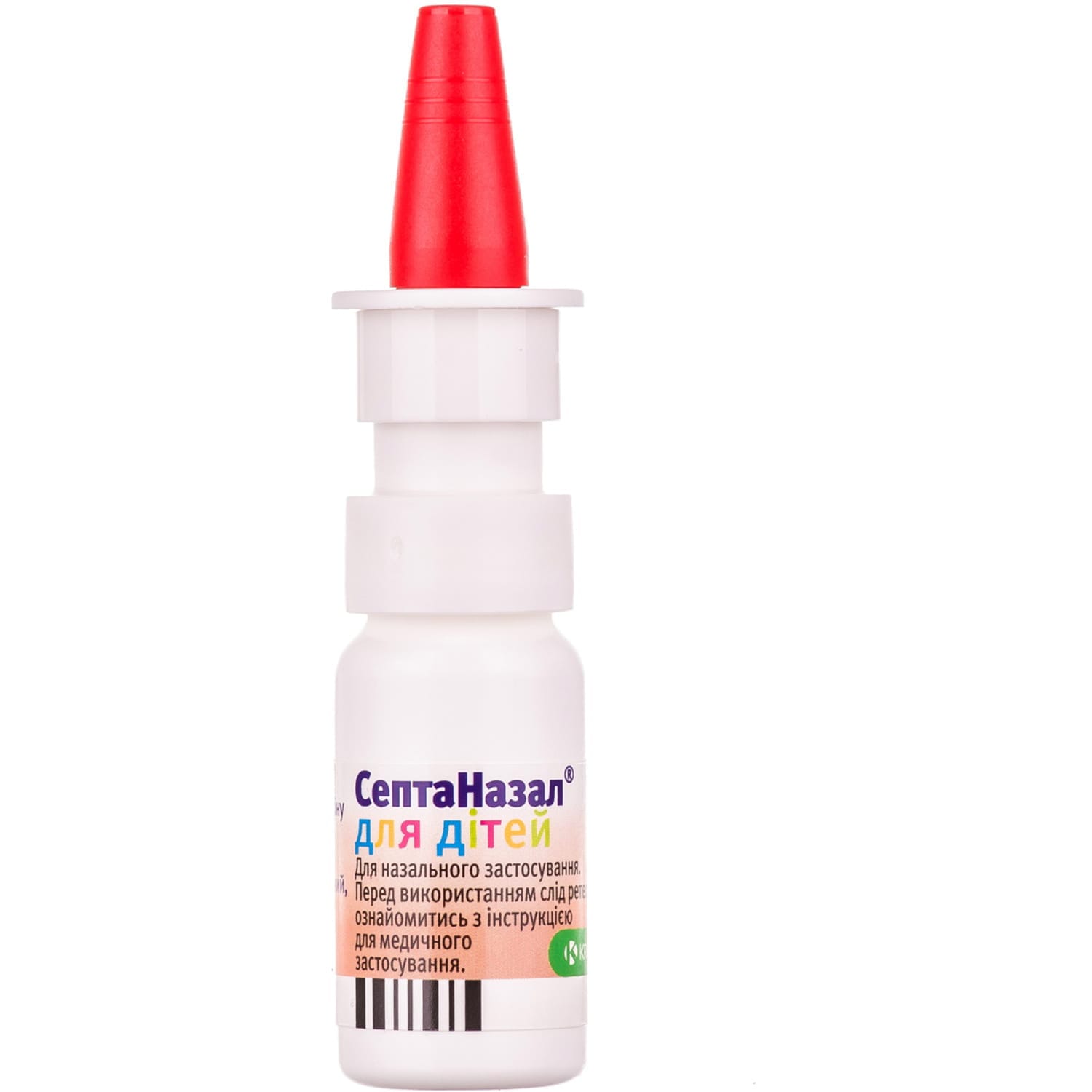
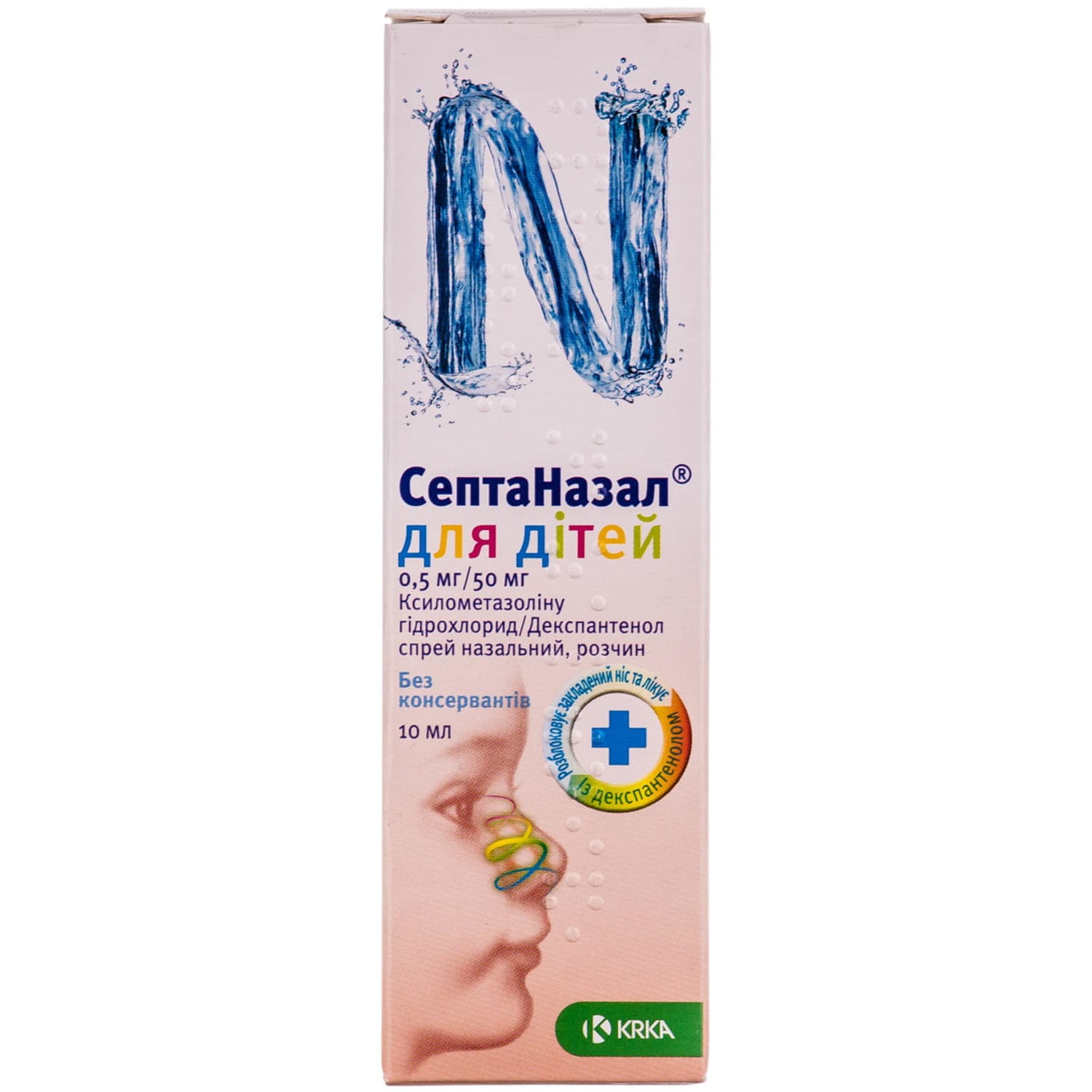


Septanazal for children spray nasal solution 0.5 mg/50 mg/ml bottle 10 ml
$16.80
Free Worldwide Shipping
to: Australia, Belgium, Canada, Czechia, Denmark, Estonia, Finland, Greece, Hungary, Ireland, Israel, Italy, Japan, Kuwait, Latvia, Lithuania, Mexico, Moldova, Netherlands, Norway, Poland, Romania, Slovakia, South Korea, Switzerland, United Kingdom, United States and more
🏖️ Hello! We are on vacation!
We are still accepting orders on our website; however, order processing and shipping will resume after September 10. If you place an order during our vacation, we will contact you and remind you about the temporary shipping delay. Starting September 10, all orders received during this period will be processed and shipped in the order they were placed. If your order contains a product with less than one year remaining before its expiration date, we will notify you after September 10 and proceed according to your instructions. If you decide to cancel an order placed during our vacation, simply contact us through the contact form on our website, and we will be happy to assist you. Thank you for your understanding, and we apologize for any inconvenience caused.
In stock
SeptaNasal nasal spray relieves congestion from colds and rhinitis while supporting mucosal healing with dexpanthenol for easier breathing, fast relief now
Payment
PayPal, Debit or Credit card, Google Pay, Apple Pay
Orders Temporarily Unavailable
Due to temporary postal service disruptions, we are currently unable to accept orders.
Composition of Septanazal
active ingredients: xylometazoline hydrochloride, dexpanthenol;
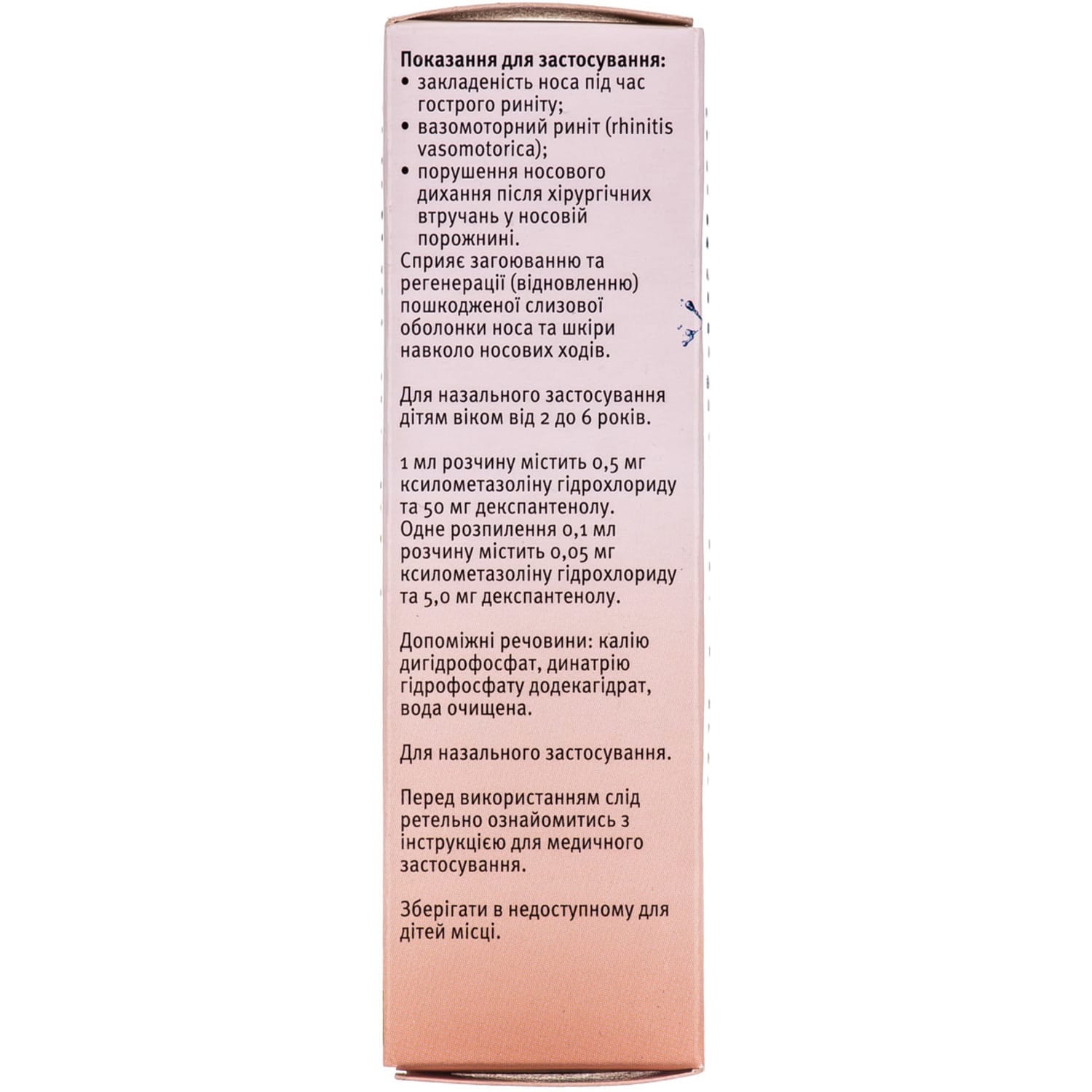
1 ml of solution contains 0.5 mg of xylometazoline hydrochloride and 50 mg of dexpanthenol;
one spray of 0.1 ml of solution contains 0.05 mg of xylometazoline hydrochloride and 5.0 mg of dexpanthenol;
Excipients: potassium dihydrogen phosphate, disodium hydrogen phosphate dodecahydrate, purified water.
Dosage form
Nasal spray, solution.
Main physicochemical properties: clear colorless liquid.
Pharmacotherapeutic group
Anti-edematous and other rhinological preparations for topical use. Sympathomimetics, combinations, excluding corticosteroids. ATX code R01B06.
Pharmacological properties
Pharmacodynamics. Rhinological drug, a combination of α-sympathomimetics with an analogue of vitamin B5 for topical application to the nasal mucosa. Xylometazoline has a vasoconstrictor effect, as a result of which it eliminates swelling of the mucous membrane. Dexpanthenol is a derivative of pantothenic acid (vitamin B5), which promotes healing and treatment of wounds and protects the mucous membranes.
Xylometazoline hydrochloride is an imidazole derivative, an α-adrenergic sympathomimetic. It has a vasoconstrictor effect and thereby eliminates edema and hyperemia of the nasopharyngeal mucosa (unblocks the nose). The onset of action usually occurs after 5-10 minutes, manifested by relief of nasal breathing due to the elimination of edema and improved secretions.
Dexpanthenol (D-(+)-pantothenic alcohol) is an alcohol analogue of pantothenic acid and, due to an intermediate conversion (transformation), has the same biological activity as pantothenic acid. Only the dextrorotatory D-configuration is biologically active. Pantothenic acid and its salts are water-soluble vitamins that, like coenzyme A, are involved in many metabolic processes, including promoting the synthesis of proteins and GCS, as well as the production of antibodies. Coenzyme A also participates in the formation of lipids, of which, in particular, the secret of the sebaceous glands consists, which has an important protective function. In addition, coenzyme A plays a role in the acetylation of amino sugars, which are the main building material for various mucopolysaccharides. Pantothenic acid is necessary for the regeneration (restoration) of damaged nasal mucosa and skin around the nasal passages.
Dexpanthenol protects the epithelial layers and promotes wound healing and treatment.
When applied externally, dexpanthenol/panthenol can compensate for the increased need for pantothenic acid in case of skin or mucous membrane damage.
Pharmacokinetics
Xylometazoline hydrochloride. In some cases, intranasal administration results in significant amounts being absorbed, causing systemic effects, such as on the CNS and cardiovascular system. Pharmacokinetic data in humans are lacking.
Dexpanthenol is absorbed through the skin and undergoes enzyme-catalyzed oxidation to pantothenic acid on the body surface and in skin cells. The vitamin is transported into the blood plasma in a protein-bound form. As an important structural element, pantothenic acid combines with coenzyme A and is distributed throughout the body. Detailed studies of metabolism on the skin and mucous membranes are lacking. 60-70% of the dose taken is excreted in the urine and 30-40% in the feces.
Indication of Septanazal
- Nasal congestion during acute rhinitis; vasomotor rhinitis (rhinitis vasomotorica); impaired nasal breathing after surgical interventions in the nasal cavity.
The drug promotes healing and regeneration (restoration) of damaged nasal mucosa and skin around the nasal passages.
Application of Septanazal
Septanazal is for nasal use in adults and children over 6 years of age.
Apply 1 spray of SeptaNasal into each nostril no more than 3 times daily. Dosage depends on individual sensitivity and clinical response.
The drug should not be used for more than 7 days, unless recommended by a doctor. Repeated use should be started only after a break of several days and after consultation with a doctor.
In case of chronic rhinitis, the drug can be used only under the supervision of a doctor due to the risk of atrophy of the nasal mucosa.
SeptaNazal for children is for nasal use in children aged 2-6 years.
The usual dose is one spray of SeptaNasal for Children in each nostril no more than 3 times daily. The dosage depends on individual sensitivity and clinical response.
The drug should not be used for longer than 7 days, unless recommended by a doctor.
You should always consult a doctor regarding the duration of use.
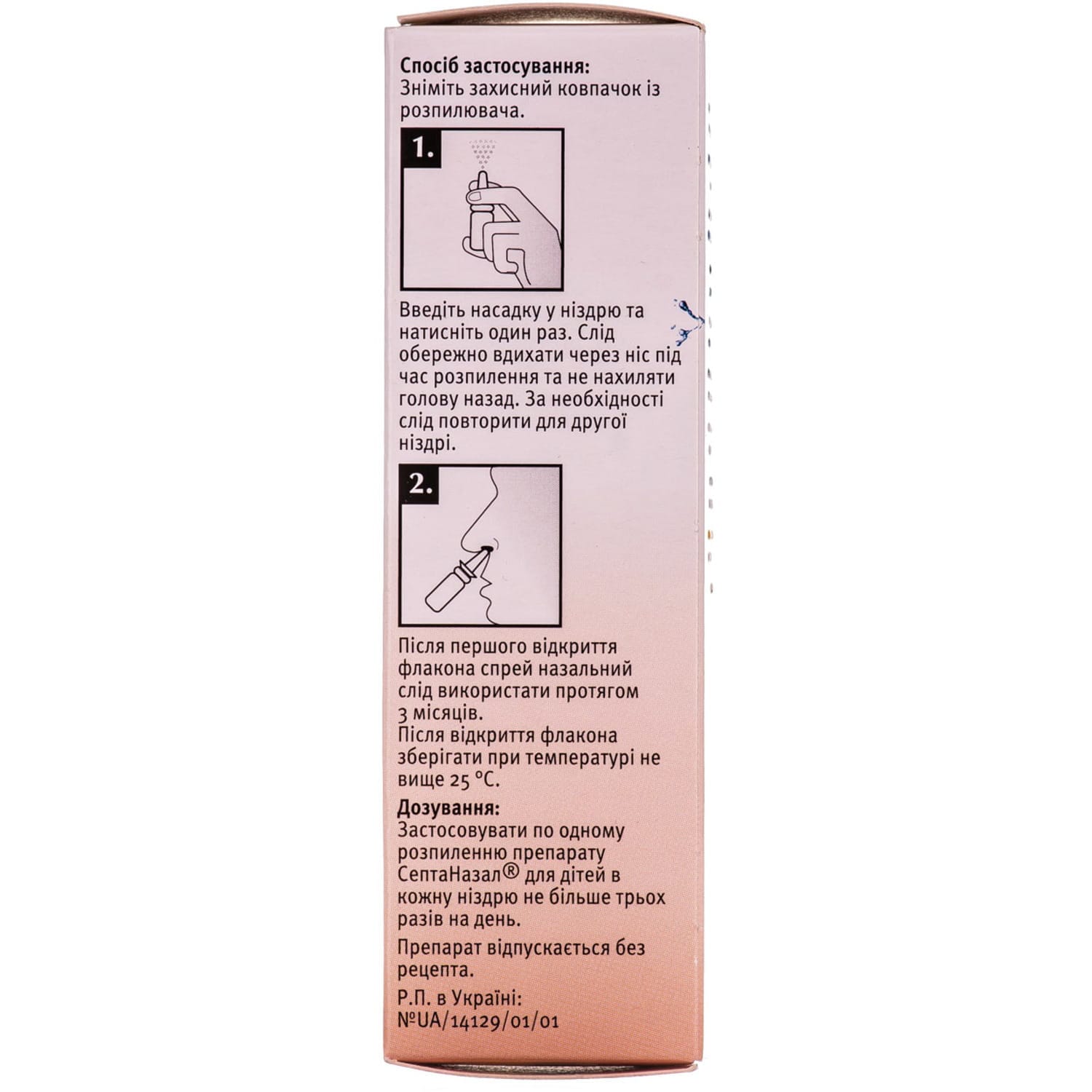
How to use: Remove the protective cap from the sprayer. Before using the nasal spray for the first time, press the nozzle several times until a fine, even spray appears.
Insert the nozzle into the nostril and press once. The patient should breathe in gently through the nose during the spray. Repeat for the other nostril if necessary.
After use, wipe the nozzle with a paper towel and close the sprayer with the protective cap.
Contraindication of Septanazal
Hypersensitivity to any of the ingredients of the drug, dry inflammation of the nasal mucosa (rhinitis sicca), acute coronary diseases, including cardiac asthma; hyperthyroidism, glaucoma; transsphenoidal hypophysectomy and surgical interventions with exposure of the meninges in history, concomitant treatment with MAO inhibitors and within 2 weeks after discontinuation of their use.
Side effects
Immune system disorders: hypersensitivity reactions, including angioedema, rash, itching.
From the nervous system: agitation, insomnia, increased fatigue (drowsiness, sedative effect), headache, hallucinations (especially in children).
On the part of the heart: palpitations, tachycardia, increased blood pressure, arrhythmia.
Respiratory, thoracic and mediastinal disorders: reactive hyperemia, nosebleeds, dryness and burning of the nasal mucosa, sneezing, nasal mucosa discomfort, increased mucosal edema.
Musculoskeletal and connective tissue disorders: convulsions (especially in children).
On the part of the organ of vision: transient visual impairment.
On the part of the digestive system: nausea, burning in the throat.
Special instructions
This medicinal product should only be used after careful risk/benefit assessment in patients:
- who use medications that have the ability to increase blood pressure;
- with increased intraocular pressure;
- with pheochromocytoma;
- with porphyria;
- with prostatic hyperplasia.
Use during chronic rhinitis is possible only under the supervision of a doctor due to the risk of atrophy of the nasal mucosa.
Anti-edematous sympathomimetics can, especially with prolonged use or in case of overdose, lead to reactive hyperemia of the nasal mucosa.
This backfires, narrowing the airways, forcing the patient to re-use the drug, leading to chronic use. This leads to chronic swelling (rhinitis medicamentosa) and even atrophy of the nasal mucosa.
In mild cases, it may be sufficient to discontinue the sympathomimetic first for one nasal passage and then, once symptoms have resolved, for the other, to maintain at least partial nasal breathing.
The drug, like other drugs of this group, should be used with caution in patients with severe reactions to sympathomimetics, which manifest themselves in the form of insomnia, dizziness, tremor, arrhythmias, increased blood pressure. Direct contact of the drug with the eyes should be avoided.
The recommended dose of the drug should not be exceeded, especially when treating children and elderly patients.
It should be prescribed with caution to patients with cardiovascular diseases, hypertension, diabetes mellitus, thyroid diseases, and difficulty urinating.
In case of incorrect use or use of an excessive amount of aerosol, absorption of xylometazoline may cause systemic side effects, especially in children (cardiovascular and neurological side effects, see Side effects and Overdose).
The spray bottle can only be used by one person to avoid infection.
The drug does not contain preservatives.
Use during pregnancy and breastfeeding. Pregnancy. SeptaNazal should not be used during pregnancy due to the lack of data on the use of hydrochloride in pregnant women.
Breastfeeding. SeptaNazal should not be used during breastfeeding due to the lack of data on the penetration of hydrochloride into breast milk.
Fertility: It is not known whether the use of SeptaNasal affects fertility. Since systemic exposure to the hydrochloride is very low, the likelihood of an effect on fertility is extremely low.
Children. SeptaNazal is used in children aged 6 years and over. Children aged 2 to 6 years are prescribed SeptaNazal for children.
Ability to influence the reaction speed when driving or operating other mechanisms. When used correctly, SeptaNazal does not affect the ability to drive or operate other mechanisms.
Interactions
Xylometazoline hydrochloride. Simultaneous use of Septanazal with Tranylcypromine, MAO inhibitors such as tri- or tetracyclic antidepressants, or with drugs capable of increasing blood pressure may lead to an increase in blood pressure due to the effect of these drugs on the cardiovascular system.
Simultaneous use of SeptaNazal with drugs for local or systemic treatment of colds and with sympathomimetics contained in anti-cold drugs (such as pseudoephedrine, ephedrine, phenylephrine, oxymetazoline, tramazoline, naphazoline, tuaminoheptane) may lead to additional effects on the cardiovascular and nervous systems.
Dexpanthenol. Unknown.
Overdose
Xylometazoline hydrochloride. The clinical picture of intoxication with imidazole derivatives may be unclear, since periods of stimulation may alternate with periods of depression of the central nervous system and cardiovascular system.
Overdose, especially in children, can lead to significant CNS effects, including spasms, coma, bradycardia, apnea, and hypertension, which may progress to hypotension.
Symptoms of CNS stimulation include anxiety, agitation, hallucinations, and seizures.
Symptoms of CNS depression include decreased body temperature, lethargy, drowsiness, and coma.
The following additional symptoms are also possible: miosis, mydriasis, increased sweating, nausea, cyanosis, fever, pallor of the skin, tachycardia, bradycardia, cardiac arrest, arrhythmia, arterial hypertension, shock-like hypotension, pulmonary edema, respiratory depression and apnea, sometimes – impaired consciousness.
Treatment of overdose. In case of severe overdose, treatment should be carried out in a hospital setting. Since xylometazoline hydrochloride is rapidly absorbed when administered orally, activated charcoal (absorbent), sodium sulfate (laxative) or gastric lavage (at high doses) should be administered immediately. Lowering blood pressure can be achieved with non-selective α-adrenoceptor blockers. Vasoconstrictors are contraindicated. If necessary, antipyretics and anticonvulsants, as well as artificial respiration, are used.
Dexpanthenol. Pantothenic acid and its derivatives, such as dexpanthenol, have very low toxicity. In case of overdose, no therapeutic measures are required.
Storage conditions
This medicine does not require any special storage conditions. After opening the bottle, store at a temperature not exceeding 25 °C.
You may also like

Reviews
There are no reviews yet.