
🇦🇺 Australia
🇧🇪 Belgium
🇨🇦 Canada
🇨🇿 Czechia
🇩🇰 Denmark
🇪🇪 Estonia
🇫🇮 Finland
🇬🇷 Greece
🇭🇺 Hungary
🇮🇪 Ireland
🇮🇱 Israel
🇮🇹 Italy
🇯🇵 Japan
🇰🇼 Kuwait
🇱🇻 Latvia
🇱🇹 Lithuania
🇲🇽 Mexico
🇲🇩 Moldova
🇳🇱 Netherlands
🇳🇴 Norway
🇵🇱 Poland
🇷🇴 Romania
🇸🇰 Slovakia
🇰🇷 South Korea
🇨🇭 Switzerland
🇬🇧 United Kingdom
🇺🇸 United States of America
and more
🇦🇺 Australia
🇧🇪 Belgium
🇨🇦 Canada
🇨🇿 Czechia
🇩🇰 Denmark
🇪🇪 Estonia
🇫🇮 Finland
🇬🇷 Greece
🇭🇺 Hungary
🇮🇪 Ireland
🇮🇱 Israel
🇮🇹 Italy
🇯🇵 Japan
🇰🇼 Kuwait
🇱🇻 Latvia
🇱🇹 Lithuania
🇲🇽 Mexico
🇲🇩 Moldova
🇳🇱 Netherlands
🇳🇴 Norway
🇵🇱 Poland
🇷🇴 Romania
🇸🇰 Slovakia
🇰🇷 South Korea
🇨🇭 Switzerland
🇬🇧 United Kingdom
🇺🇸 United States of America
and more


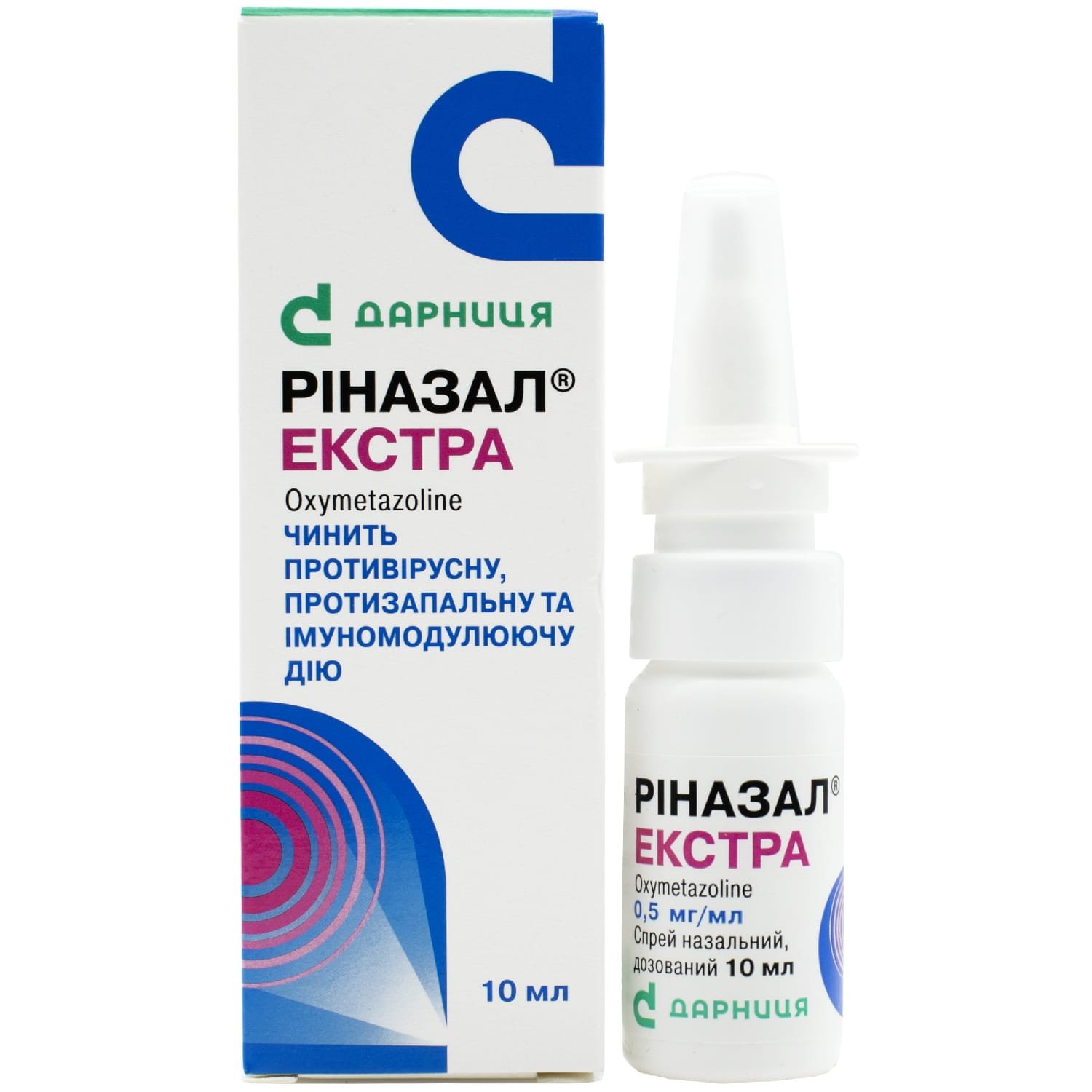
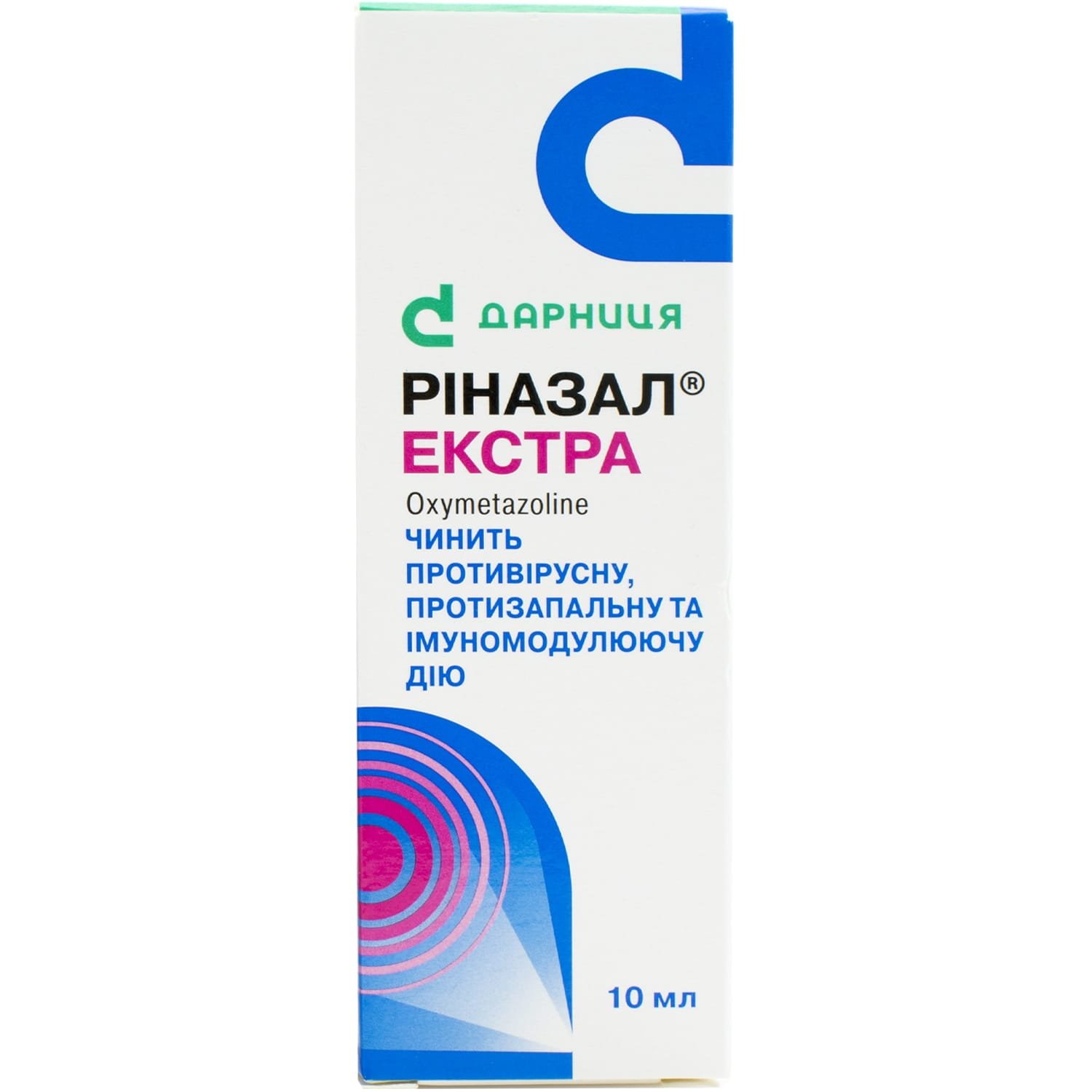


Rinazal Extra nasal spray dosed 0.5 mg/ml bottle 10 ml
$14.89
Free Worldwide Shipping
to: Australia, Belgium, Canada, Czechia, Denmark, Estonia, Finland, Greece, Hungary, Ireland, Israel, Italy, Japan, Kuwait, Latvia, Lithuania, Mexico, Moldova, Netherlands, Norway, Poland, Romania, Slovakia, South Korea, Switzerland, United Kingdom, United States and more
🏖️ Hello! We are on vacation!
We are still accepting orders on our website; however, order processing and shipping will resume after September 10. If you place an order during our vacation, we will contact you and remind you about the temporary shipping delay. Starting September 10, all orders received during this period will be processed and shipped in the order they were placed. If your order contains a product with less than one year remaining before its expiration date, we will notify you after September 10 and proceed according to your instructions. If you decide to cancel an order placed during our vacation, simply contact us through the contact form on our website, and we will be happy to assist you. Thank you for your understanding, and we apologize for any inconvenience caused.
In stock
Payment
PayPal, Debit or Credit card, Google Pay, Apple Pay
Orders Temporarily Unavailable
Due to temporary postal service disruptions, we are currently unable to accept orders.
Nasal spray “Rinazal Extra” is used for the following indications:
- acute respiratory diseases accompanied by nasal congestion;
- allergic rhinitis;
- vasomotor rhinitis;
- to restore drainage and nasal breathing in diseases of the paranasal sinuses of the nasal cavity, eustachitis;
- to eliminate edema before diagnostic manipulations in the nasal passages.
Composition
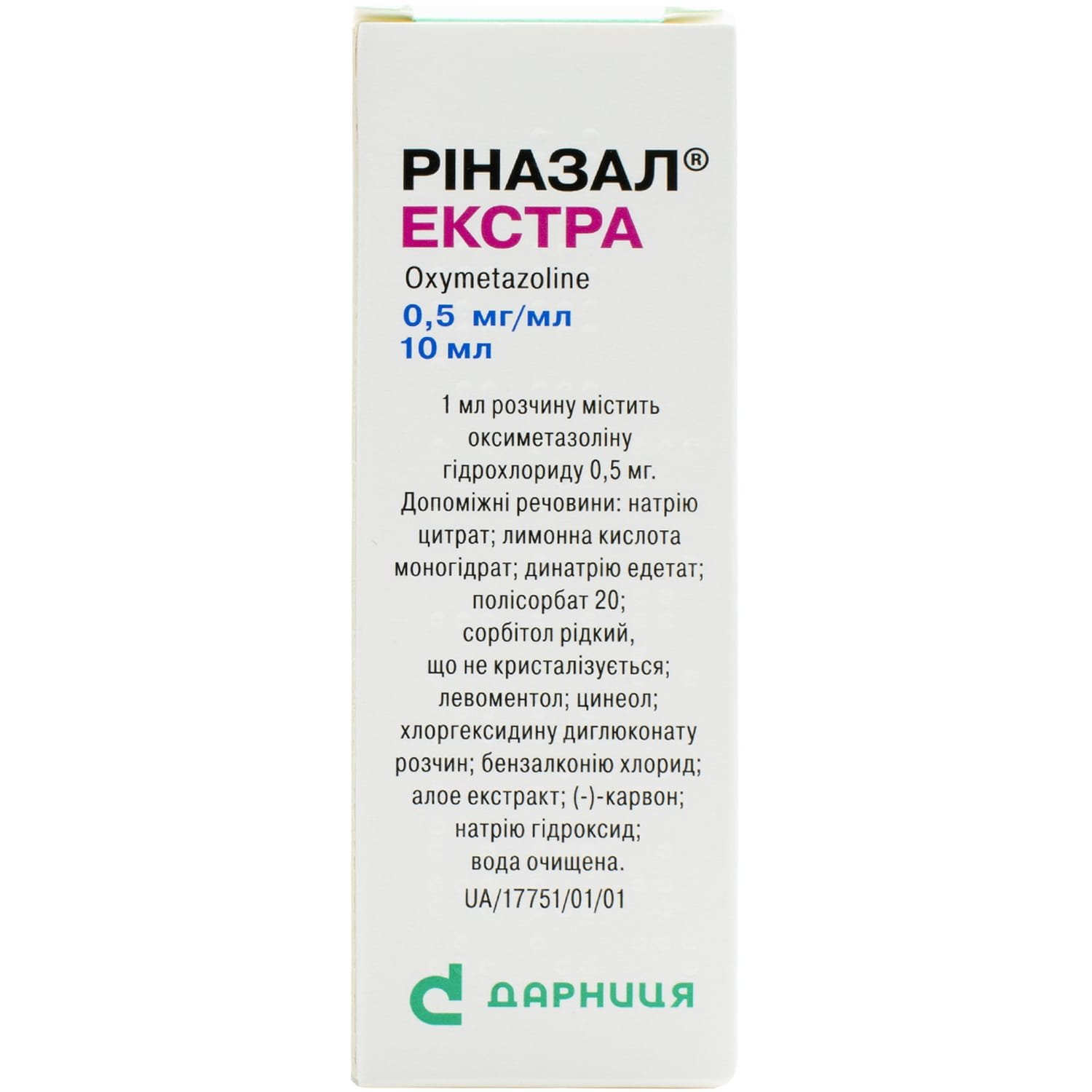
Active ingredient: oxymetazoline (1 ml of solution contains oxymetazoline hydrochloride 0.5 mg).
Excipients: sodium citrate; citric acid monohydrate; disodium edetate; polysorbate 20; sorbitol liquid, non-crystallizing; levomenthol; cineole; chlorhexidine digluconate solution; benzalkonium chloride; aloe extract dry; (-)-carvone; sodium hydroxide; purified water.
Contraindication
- hypersensitivity to the active substance, other adrenomimetics or to any of the excipients;
- atrophic rhinitis;
- inflammation or damage to the nasal mucosa or skin around the nostrils;
- use simultaneously with monoamine oxidase inhibitors (MAO) and within 2 weeks after discontinuation of treatment with MAO inhibitors, as well as simultaneous use with other drugs that contribute to an increase in blood pressure;
- increased intraocular pressure, especially angle-closure glaucoma;
- severe forms of cardiovascular diseases (e.g., coronary heart disease, arterial hypertension);
- cardiac asthma, tachysystolic heart rhythm disturbances, angina pectoris;
- pheochromocytoma;
- metabolic disorders (hyperthyroidism, diabetes mellitus, porphyria);
- history of transsphenoidal hypophysectomy;
- difficulty urinating due to an enlarged prostate gland (prostatic hypertrophy).
Method of application
One inhalation dose (50 μl) contains approximately 25 μg of oxymetazoline hydrochloride.
Adults and children over 6 years of age – one injection into each nostril 2-3 times a day.
The drug should not be used for longer than 5-7 days. Do not use doses higher than recommended.
The medicine can be used again only after a few days.
Application features
Pregnant women
The use of the drug in women during pregnancy is possible only if, in the opinion of the doctor, the benefit of use for the mother outweighs the potential risk to the fetus / child. During pregnancy, the drug should be used with caution, and with special caution in patients with hypertension or signs of reduced placental blood supply. Frequent or prolonged use of high doses may lead to a decrease in placental blood flow.
It is not known whether oxymetazoline passes into breast milk. In the absence of these data, the drug should not be used during breastfeeding.
Children
The medicine should not be used in children under 6 years of age.
Drivers
After prolonged use of the drug in doses exceeding the recommended ones, a general effect on the cardiovascular and nervous systems cannot be excluded. In such cases, the ability to drive may be impaired.
Overdose
After a significant overdose or accidental ingestion, the following symptoms may occur: mydriasis, nausea, vomiting, cyanosis, fever, cramps, tachycardia, palpitations, arrhythmia, cardiovascular failure, cardiac arrest, increased sweating, agitation, convulsions, arterial hypertension, pulmonary edema, respiratory disorders, pallor, miosis, hyposmia, mental disorders.
In addition, depression of the central nervous system functions may occur, which is manifested by drowsiness, decreased body temperature, bradycardia, arterial hypotension, apnea, and the possible development of coma.
Clinical manifestations of overdose in children include central nervous system manifestations such as convulsions and coma, hallucinations, bradycardia, apnea, hypertension alternating with hypotension.
Treatment: gastric lavage, administration of activated charcoal, ventilation of the lungs. If blood pressure drops, use phentolamine. Vasopressors should not be taken. If necessary, anticonvulsant therapy is indicated. In severe cases, intubation and artificial ventilation of the lungs may be necessary.
Side effects
On the part of the organs of vision: eye irritation, redness or discomfort, blurred vision.
From the respiratory system, chest and mediastinal organs: nasal discomfort, burning or dryness of the nasal mucosa, dryness and irritation in the mouth and throat, sneezing, nosebleeds. After the effect of the drug wears off, a feeling of severe nasal congestion (reactive hyperemia) may occur. Apnea in newborns and young children (especially in case of overdose).
From the nervous system: headache, insomnia, anxiety, drowsiness, restlessness, tremor, sedative effect, irritability, convulsions, hallucinations (especially in children), increased fatigue.
From the cardiovascular system: tachycardia, palpitations, arterial hypertension, pain in the heart area, flushing of the face.
Immune system disorders: allergic reactions, including rash, itching, angioedema.
General disorders and administration site reactions: reactive hyperemia, headache, nausea, rash and visual disturbances.
Storage conditions
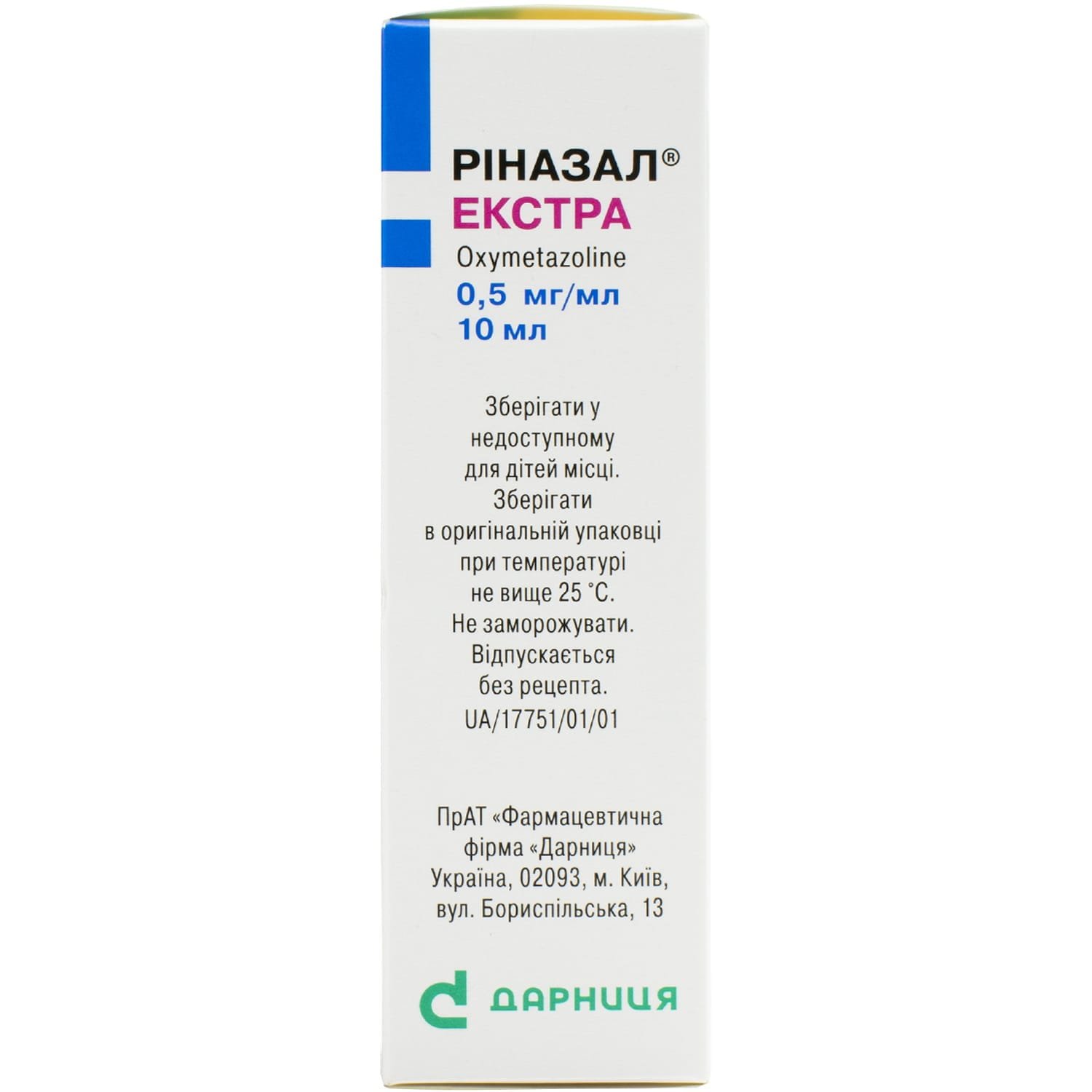
Store in the original packaging at a temperature not exceeding 25 °C, out of the reach of children. Do not freeze.
Shelf life – 1.5 years. After first opening the bottle, store for no more than 2 months.
You may also like

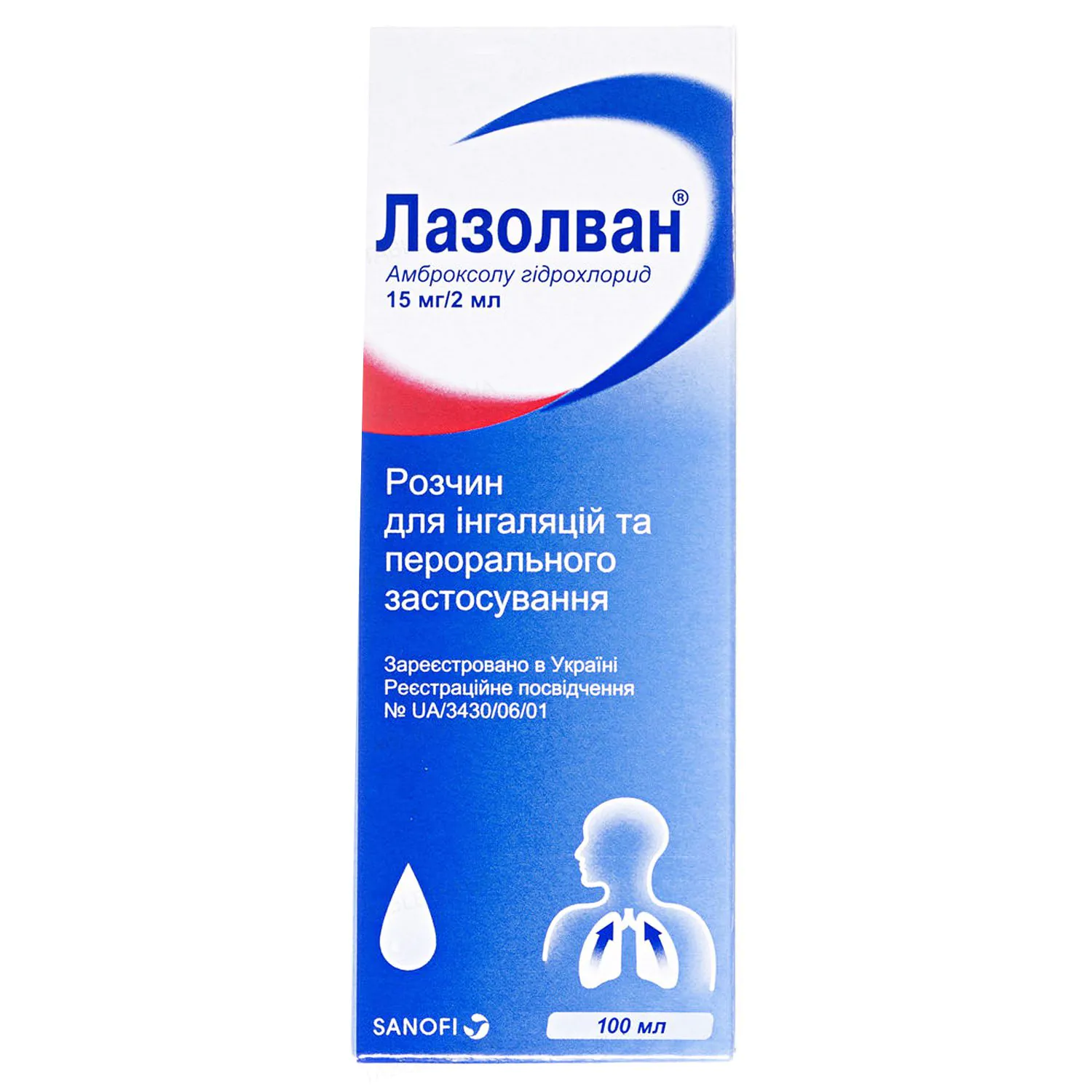
Lasolvan solution for inhalation and oral use 15 mg/2 ml dropper bottle 100 ml with measuring cap
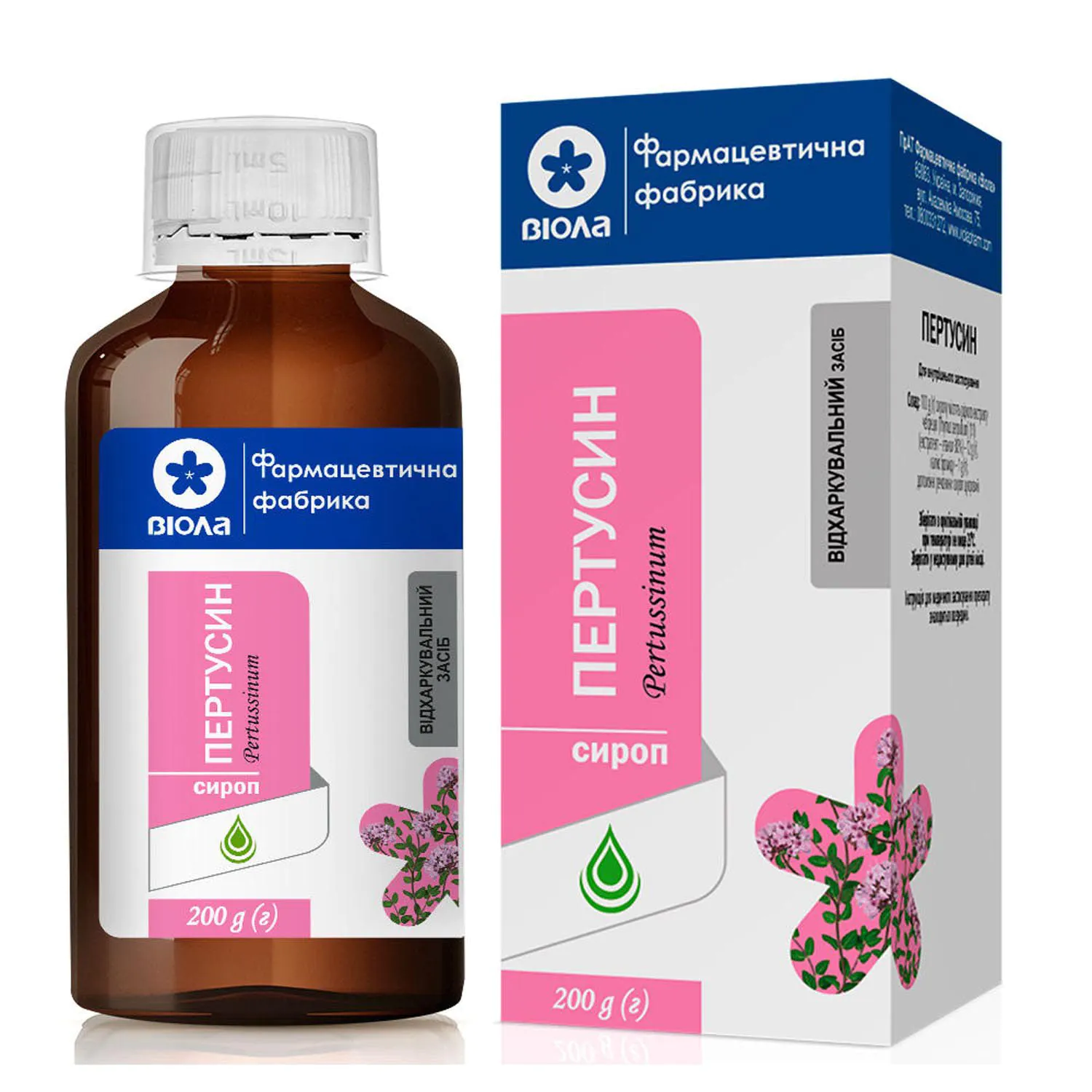
Pertussin syrup bottle 200 g in a pack
Reviews
There are no reviews yet.