
🇦🇺 Australia
🇧🇪 Belgium
🇨🇦 Canada
🇨🇿 Czechia
🇩🇰 Denmark
🇪🇪 Estonia
🇫🇮 Finland
🇬🇷 Greece
🇭🇺 Hungary
🇮🇪 Ireland
🇮🇱 Israel
🇮🇹 Italy
🇯🇵 Japan
🇰🇼 Kuwait
🇱🇻 Latvia
🇱🇹 Lithuania
🇲🇽 Mexico
🇲🇩 Moldova
🇳🇱 Netherlands
🇳🇴 Norway
🇵🇱 Poland
🇷🇴 Romania
🇸🇰 Slovakia
🇰🇷 South Korea
🇨🇭 Switzerland
🇬🇧 United Kingdom
🇺🇸 United States of America
and more
🇦🇺 Australia
🇧🇪 Belgium
🇨🇦 Canada
🇨🇿 Czechia
🇩🇰 Denmark
🇪🇪 Estonia
🇫🇮 Finland
🇬🇷 Greece
🇭🇺 Hungary
🇮🇪 Ireland
🇮🇱 Israel
🇮🇹 Italy
🇯🇵 Japan
🇰🇼 Kuwait
🇱🇻 Latvia
🇱🇹 Lithuania
🇲🇽 Mexico
🇲🇩 Moldova
🇳🇱 Netherlands
🇳🇴 Norway
🇵🇱 Poland
🇷🇴 Romania
🇸🇰 Slovakia
🇰🇷 South Korea
🇨🇭 Switzerland
🇬🇧 United Kingdom
🇺🇸 United States of America
and more


$12.65
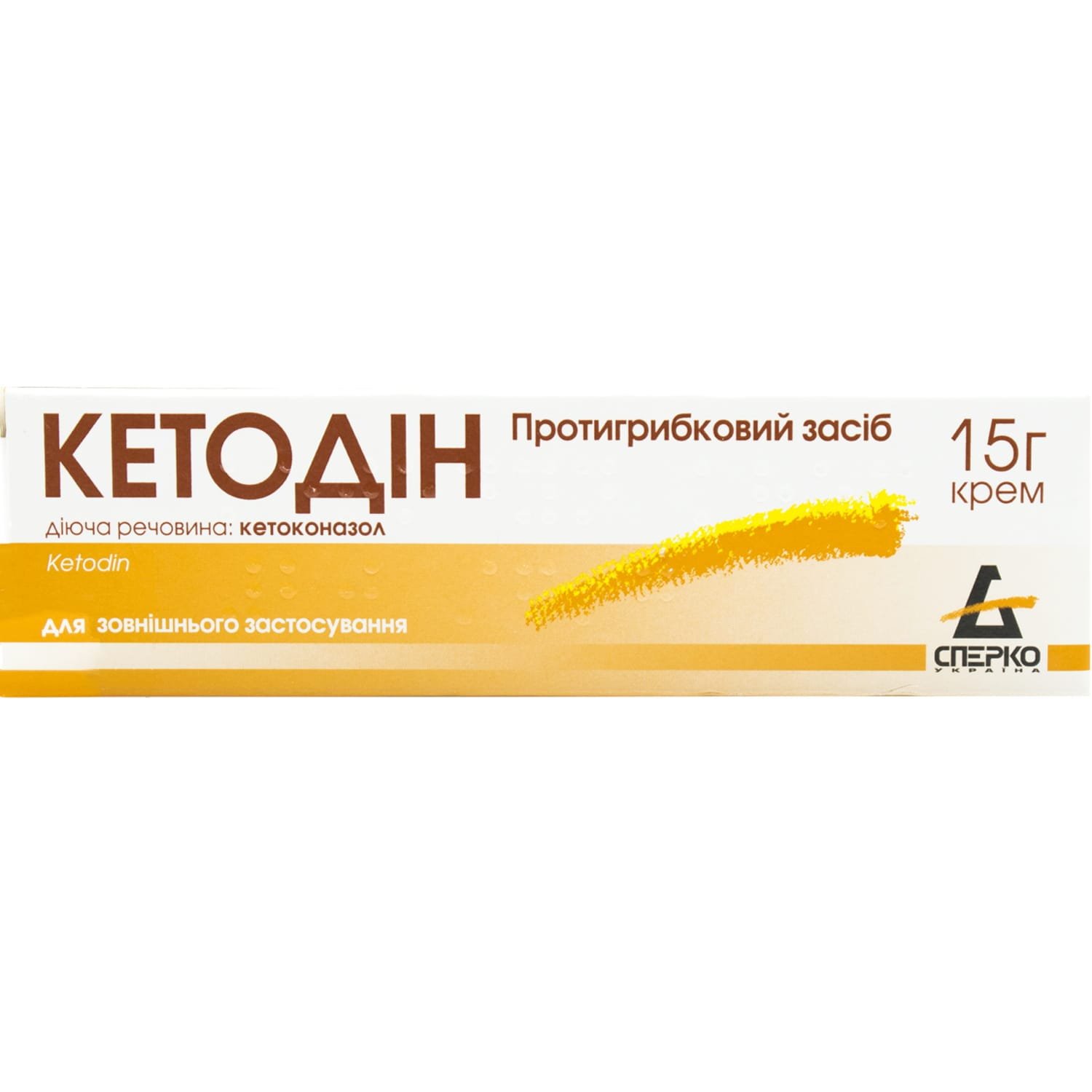
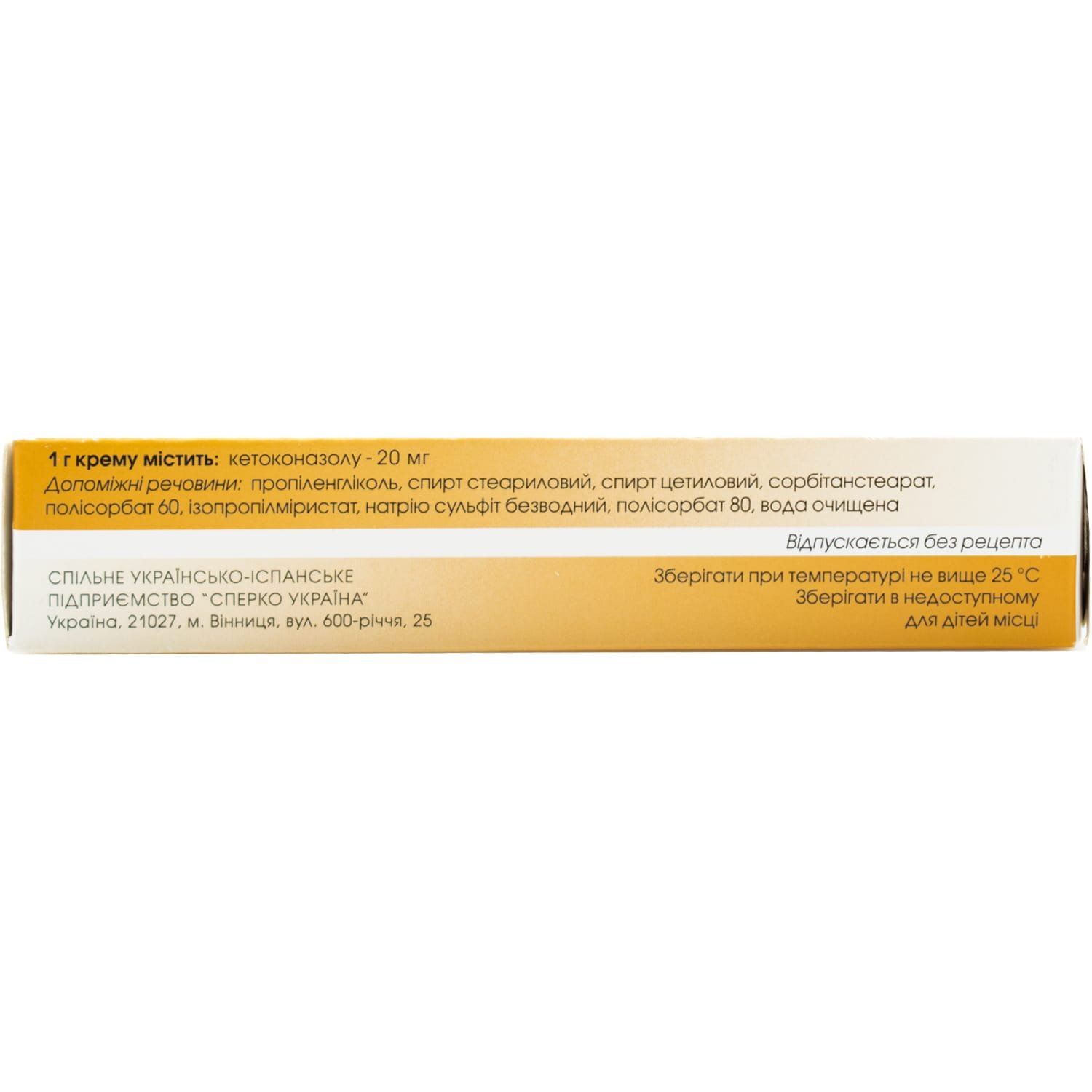


Please note: The product packaging may vary from the images shown. The contents, ingredients, and quality of the product remain unchanged.
Ketodin cream 20 mg/g tube of 15 g
$17.80
Free Worldwide Shipping
to: Australia, Belgium, Canada, Czechia, Denmark, Estonia, Finland, Greece, Hungary, Ireland, Israel, Italy, Japan, Kuwait, Latvia, Lithuania, Mexico, Moldova, Netherlands, Norway, Poland, Romania, Slovakia, South Korea, Switzerland, United Kingdom, United States and more
🏖️ Hello! We are on vacation!
We are still accepting orders on our website; however, order processing and shipping will resume after September 10. If you place an order during our vacation, we will contact you and remind you about the temporary shipping delay. Starting September 10, all orders received during this period will be processed and shipped in the order they were placed. If your order contains a product with less than one year remaining before its expiration date, we will notify you after September 10 and proceed according to your instructions. If you decide to cancel an order placed during our vacation, simply contact us through the contact form on our website, and we will be happy to assist you. Thank you for your understanding, and we apologize for any inconvenience caused.
In stock
Ketodin cream with ketoconazole helps treat fungal skin infections, including athlete’s foot, candidiasis and groin epidermophytosis, effectively.
Payment
PayPal, Debit or Credit card, Google Pay, Apple Pay
Pharmacological properties
Ketoconazole is a synthetic derivative of imidazoledioxolane. It has fungicidal and fungistatic effects on dermatophytes (trichophyton spp., epidermophyton floccosum, microsporum spp.), yeast fungi (candida spp., pityrosporum spp., torulopsis, cryptococcus spp., rhodotorula spp.), dimorphic and higher fungi (eumycetes). Aspergillus spp., Sporothrix schenckii, some dermatiaceae, mucor spp. and other fucomycetes are less sensitive to ketoconazole, with the exception of entomophthrales. Ketoconazole is also active against cocci (staphylococcus spp., streptococcus spp.). The mechanism of action is to inhibit ergosterol biosynthesis, which leads to a change in the lipid composition of the fungal membrane and their lysis. The development of secondary resistance during treatment with ketoconazole has not yet been observed. The drug quickly eliminates peeling and itching of the skin.
When applied topically, the drug does not have a systemic effect; absorption of Ketodin cream through the skin is extremely slight or non-existent.
Indication
Treatment of skin infections caused by dermatophytes or yeast-like fungi sensitive to the drug (candidiasis of skin folds, inguinal epidermophytosis, epidermophytosis of the feet).
Application
Ketodine cream should be applied to the affected area, as well as to the areas immediately adjacent to it.
For the treatment of athlete’s foot, Ketodin cream is recommended to be applied to the affected skin and adjacent areas 2 times a day. The course of treatment should be continued for 1 week. In case of more severe skin lesions, treatment should be continued for another 2-3 days after the disappearance of all symptoms to avoid relapse of the disease.
For the treatment of inguinal epidermophytosis and candidiasis of skin folds, Ketodin cream is recommended to be applied to the affected skin and adjacent areas 2 times a day. Treatment should continue for a sufficient period of time, at least 2-3 days after the disappearance of all symptoms, to avoid relapse of the disease.
If necessary, treatment may last up to 6 weeks.
If the symptoms of the disease do not disappear after using the drug for 1 month, you should consult a doctor.
Contraindication
Hypersensitivity to ketoconazole and/or other components of the drug.
Side effects
When using ketoconazole, the following were noted:
general disorders and reactions at the site of application – discomfort, dryness, erythema, itching, inflammation, irritation, bleeding, paresthesia;
Skin and subcutaneous tissue disorders – burning, hives, bullous rashes, contact dermatitis, peeling or stickiness of the skin;
Special instructions
If the drug is used immediately after prolonged treatment with local corticosteroids, skin irritation may occur, to eliminate which it is recommended to continue local treatment with corticosteroids in the morning, and use Ketodin cream in the evening. Gradually, over 2-3 weeks, the dose of corticosteroids is reduced until it is completely discontinued.
Ketodine cream should not be used in ophthalmological practice.
Propylene glycol may cause skin itching. Cetyl alcohol and stearyl alcohol may cause local skin reactions (e.g. contact dermatitis).
Use during pregnancy and lactation. There are no adequate and well-controlled studies of the use of ketoconazole in pregnant and breastfeeding women. The risks associated with the use of the drug during pregnancy and lactation are unknown.
Children. There is no experience with the use of Ketodine cream in children.
The ability to influence the reaction speed when driving vehicles or working with other mechanisms. Does not affect.
Interactions
Not detected.
Overdose
Topical application. In case of accidental application of a large amount of cream to the skin, erythema, edema, and burning sensation of the skin may occur, which quickly disappear after discontinuation of therapy.
Accidental ingestion: In case of accidental ingestion, supportive and symptomatic therapeutic measures should be administered.
Storage conditions
At a temperature of 25 °C.
You may also like

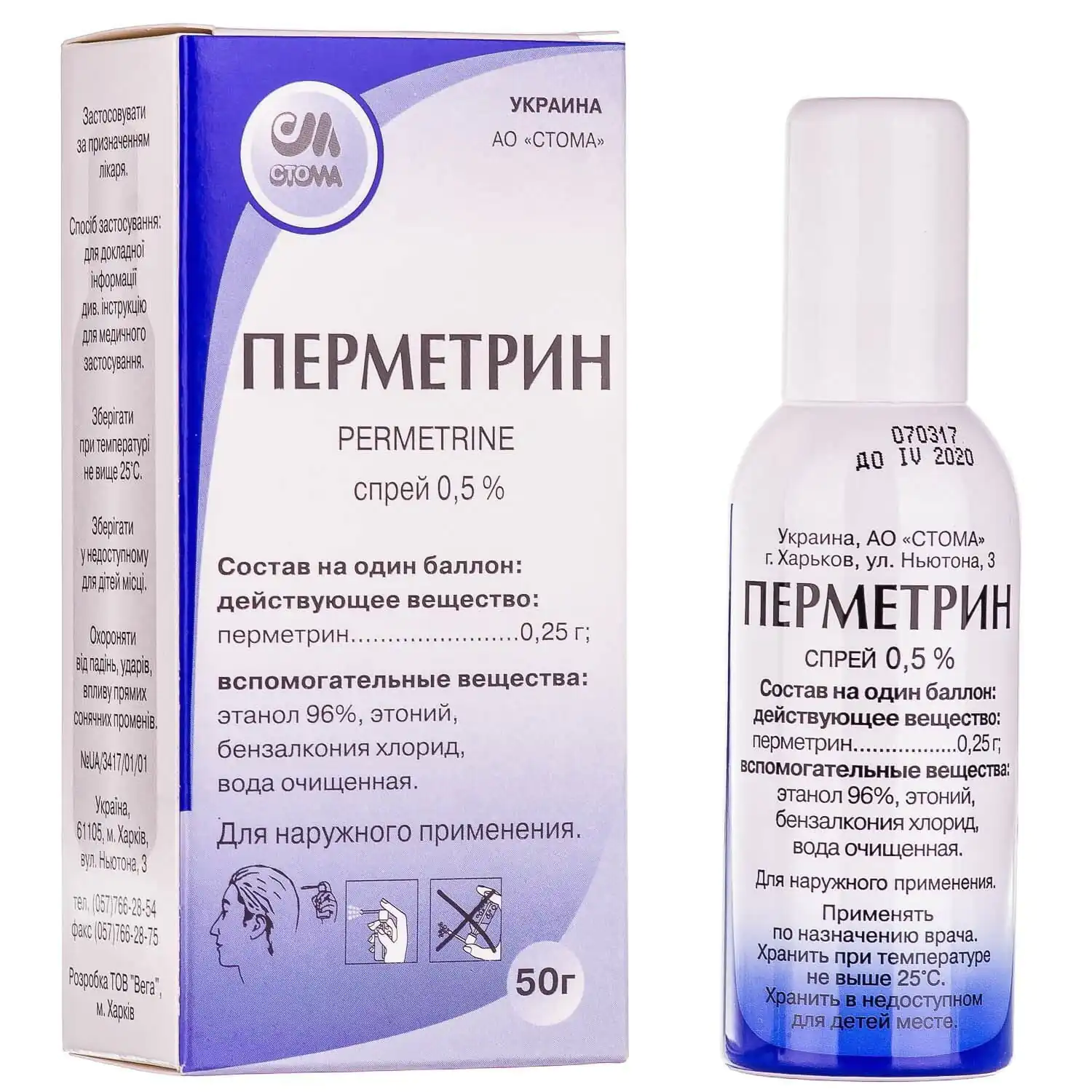
Permethrin spray 0.5% bottle 50 g

Reviews
There are no reviews yet.