
🇦🇺 Australia
🇧🇪 Belgium
🇨🇦 Canada
🇨🇿 Czechia
🇩🇰 Denmark
🇪🇪 Estonia
🇫🇮 Finland
🇬🇷 Greece
🇭🇺 Hungary
🇮🇪 Ireland
🇮🇱 Israel
🇮🇹 Italy
🇯🇵 Japan
🇰🇼 Kuwait
🇱🇻 Latvia
🇱🇹 Lithuania
🇲🇽 Mexico
🇲🇩 Moldova
🇳🇱 Netherlands
🇳🇴 Norway
🇵🇱 Poland
🇷🇴 Romania
🇸🇰 Slovakia
🇰🇷 South Korea
🇨🇭 Switzerland
🇬🇧 United Kingdom
🇺🇸 United States of America
and more


$24.79 Original price was: $24.79.$22.49Current price is: $22.49.
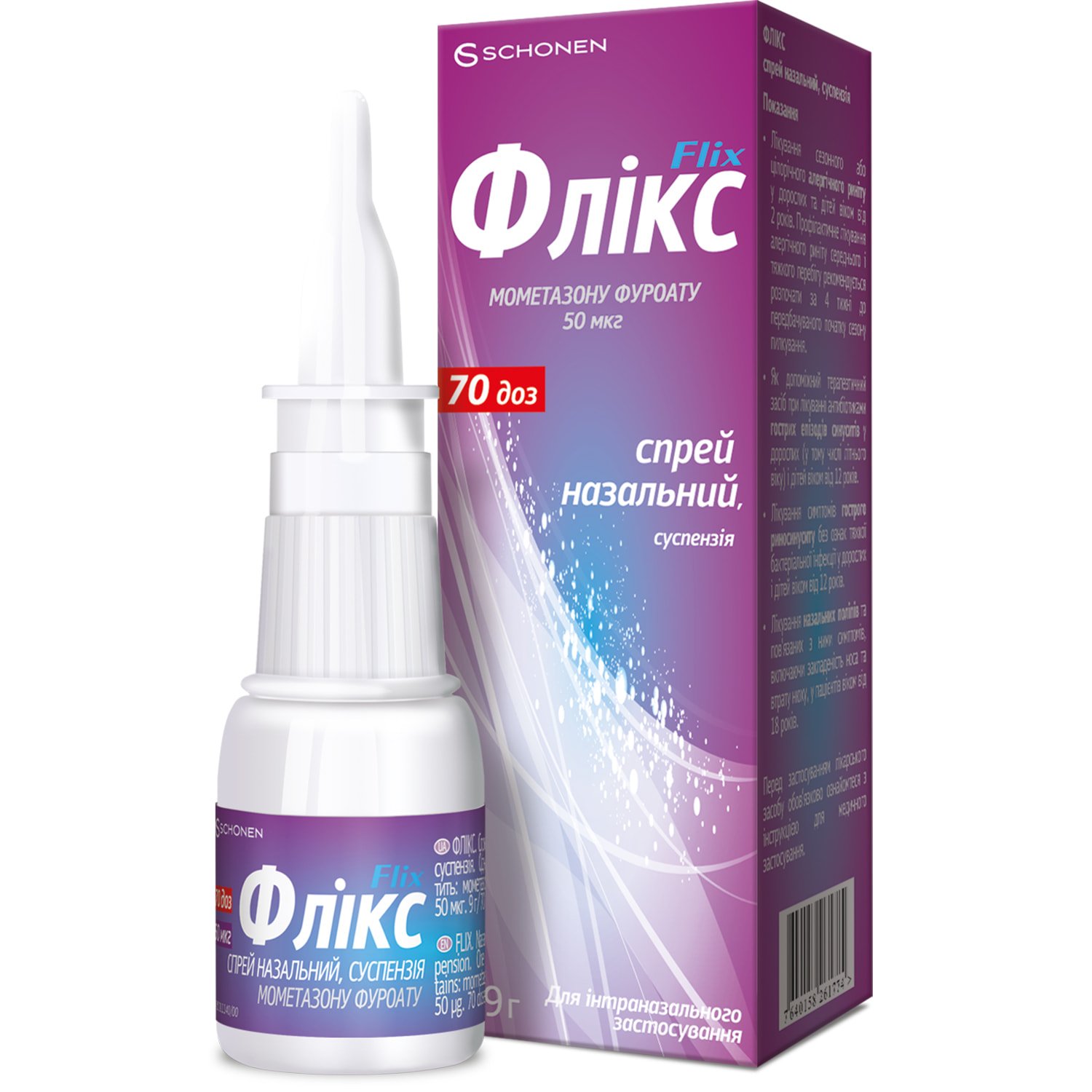
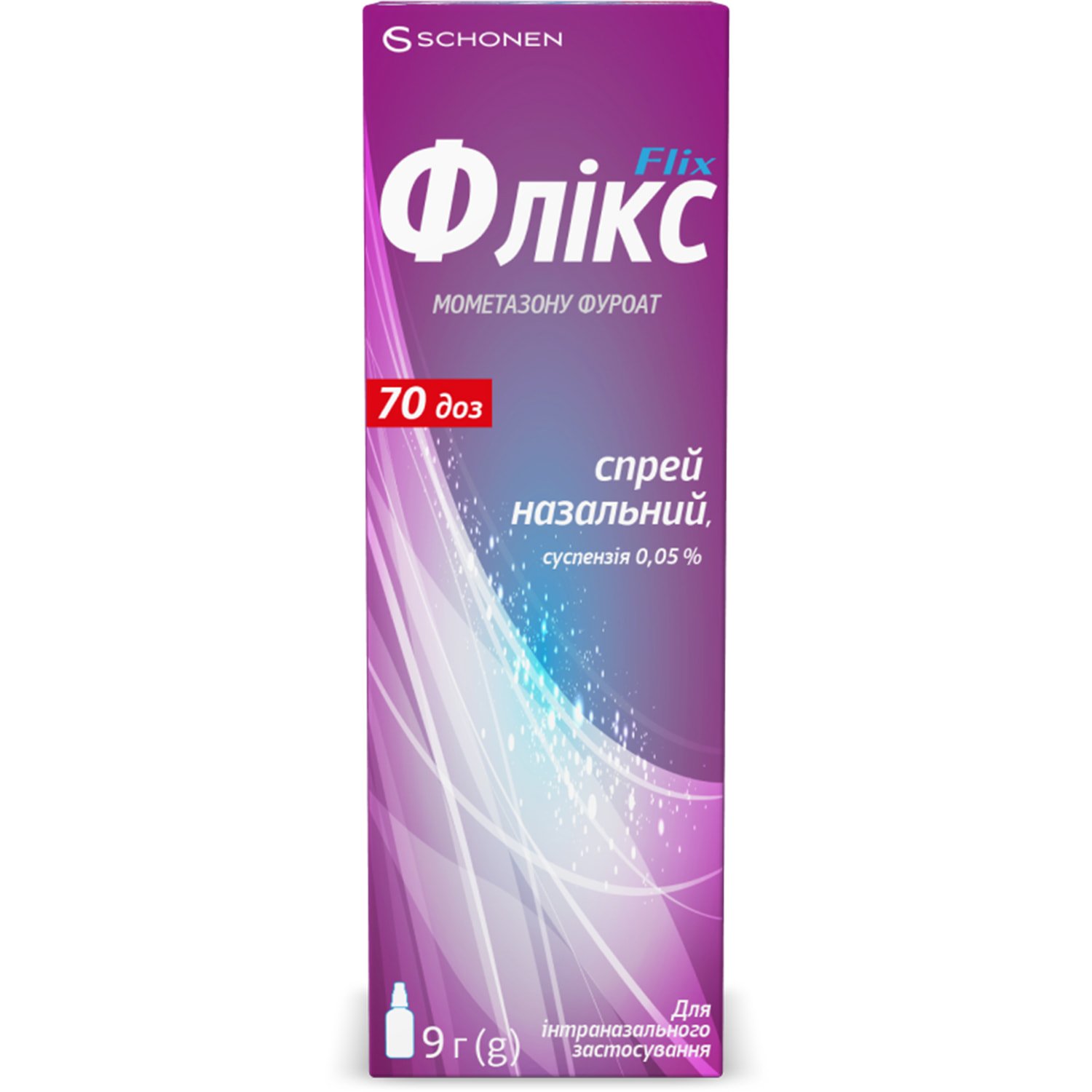
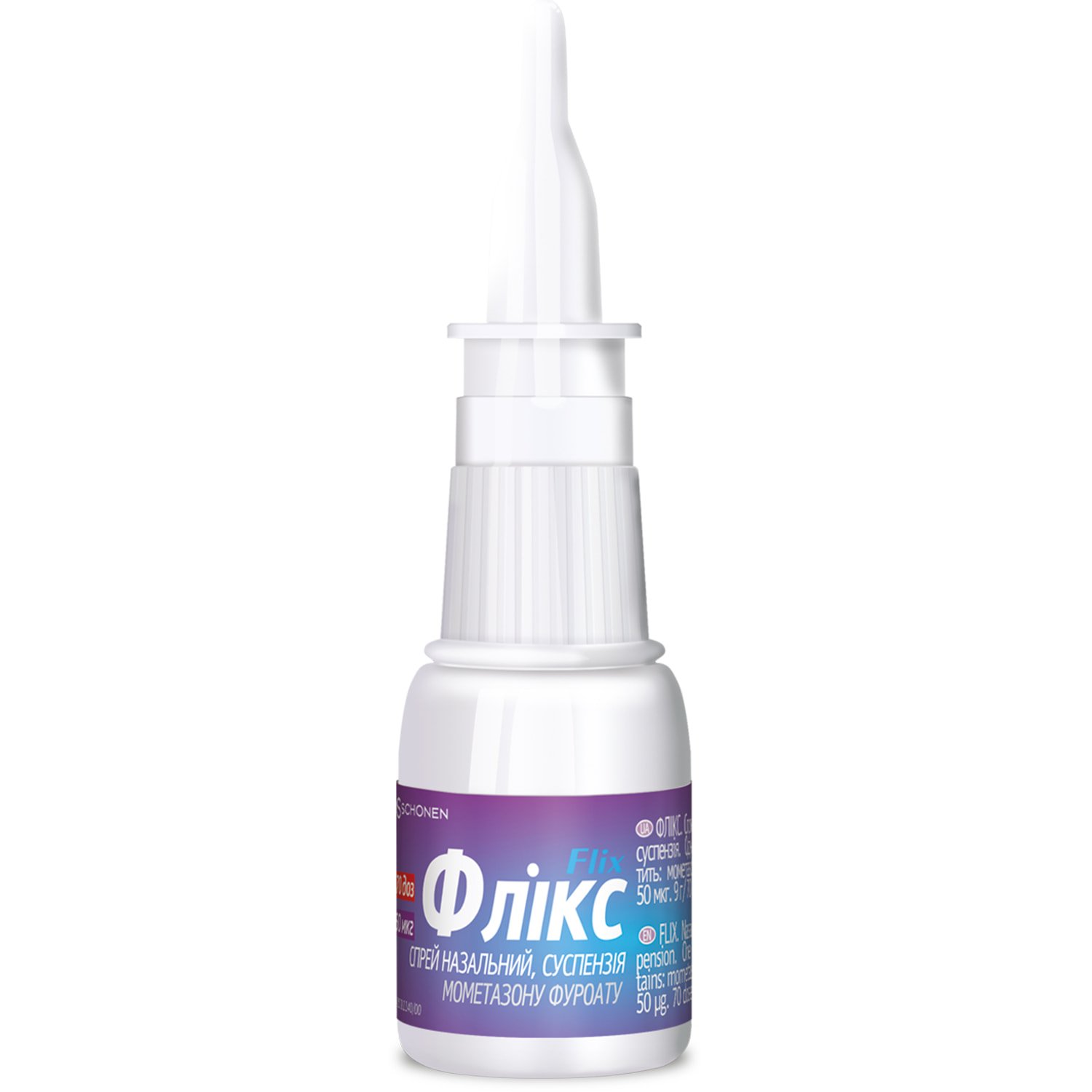
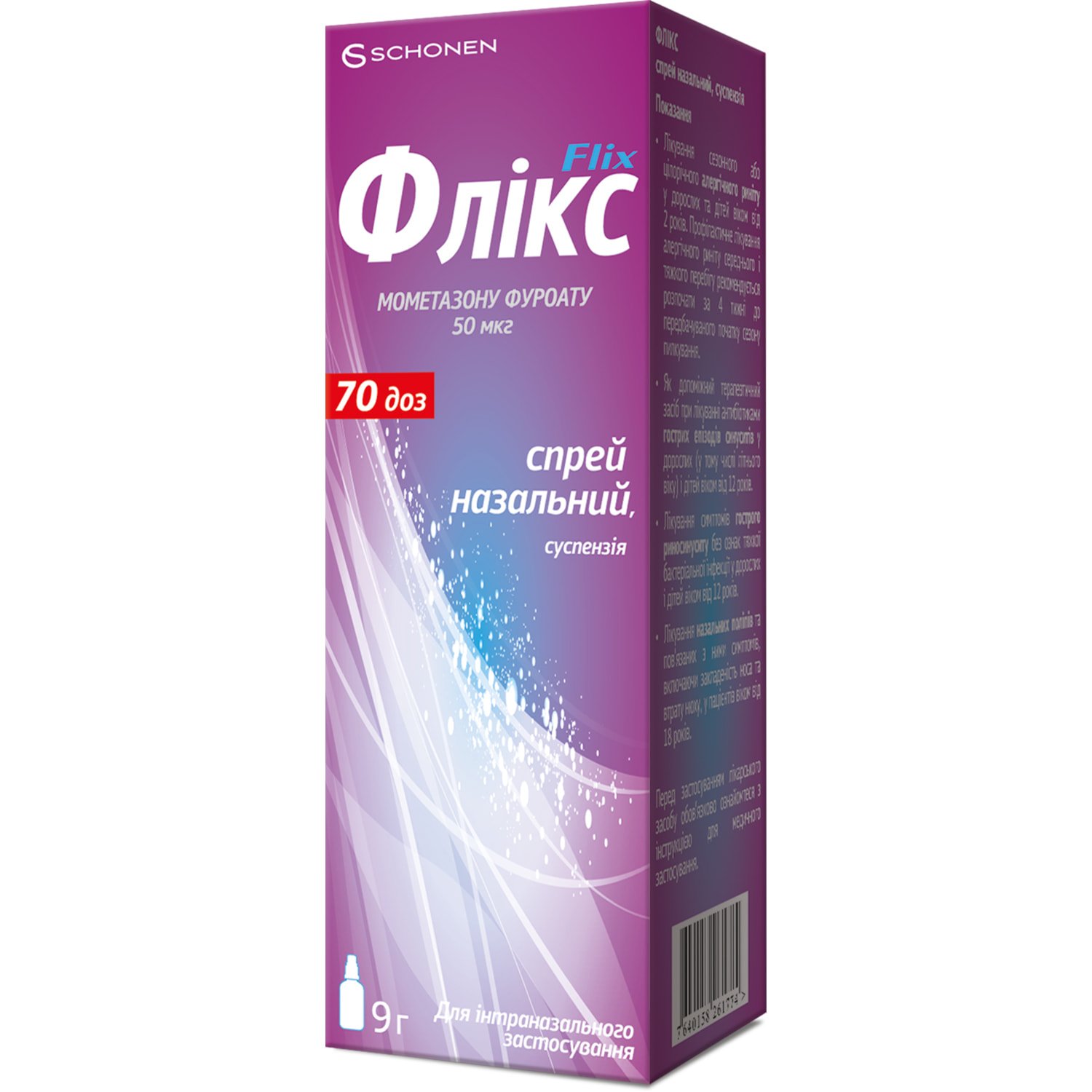


Flix spray nasal suspension 0.05% bottle with pump dispenser 9 g
$21.41
Free Worldwide Shipping
to: Australia, Belgium, Canada, Czechia, Denmark, Estonia, Finland, Greece, Hungary, Ireland, Israel, Italy, Japan, Kuwait, Latvia, Lithuania, Mexico, Moldova, Netherlands, Norway, Poland, Romania, Slovakia, South Korea, Switzerland, United Kingdom, United States and more
🏖️ Hello! We are on vacation!
We are still accepting orders on our website; however, order processing and shipping will resume after September 10. If you place an order during our vacation, we will contact you and remind you about the temporary shipping delay. Starting September 10, all orders received during this period will be processed and shipped in the order they were placed. If your order contains a product with less than one year remaining before its expiration date, we will notify you after September 10 and proceed according to your instructions. If you decide to cancel an order placed during our vacation, simply contact us through the contact form on our website, and we will be happy to assist you. Thank you for your understanding, and we apologize for any inconvenience caused.
In stock
Flix nasal spray with mometasone furoate for seasonal and perennial allergic rhinitis, rhinosinusitis and nasal polyps. Dosage and contraindications.
Payment
PayPal, Debit or Credit card, Google Pay, Apple Pay
Orders Temporarily Unavailable
Due to temporary postal service disruptions, we are currently unable to accept orders.
Pharmacological properties
Pharmacodynamics. Mometasone furoate is a synthetic GCS for topical use, has a pronounced anti-inflammatory effect. The local anti-inflammatory effect of mometasone furoate is manifested in doses at which systemic effects do not occur.
The mechanism of anti-inflammatory and antiallergic action of mometasone furoate is mainly due to its ability to inhibit the release of mediators of allergic reactions. Mometasone furoate significantly reduces the synthesis/release of leukotrienes from leukocytes of patients with allergic diseases. Mometasone furoate has been shown in cell culture to be 10 times more potent than other steroids, including beclomethasone dipropionate, betamethasone, hydrocortisone and dexamethasone, in inhibiting the synthesis/release of interleukin (IL)-1, IL-6 and tumor necrosis factor-α. It is also a potent inhibitor of the production of Th 2 cytokines, IL-4 and IL-5 from human CD4+ T cells. Mometasone furoate is also 6 times more potent than beclomethasone dipropionate and betamethasone in inhibiting the production of IL-5.
In studies with provocation tests with the application of antigens to the nasal mucosa, mometasone furoate nasal spray has been shown to have high anti-inflammatory activity in both the early and late stages of allergic reactions. This was confirmed by a decrease (compared to placebo) in histamine levels and eosinophil activity, as well as a decrease (compared to baseline) in the number of eosinophils, neutrophils and epithelial cell adhesion proteins.
A significant clinical effect within the first 12 hours of using mometasone furoate nasal spray was achieved in 28% of patients with seasonal allergic rhinitis. On average (50%) relief occurred within 35.9 hours. In addition, Flix showed significant efficacy in reducing ocular symptoms (redness, tearing, itching) in patients with seasonal allergic rhinitis.
During clinical trials in patients with nasal polyps, Flix demonstrated significant clinical efficacy in eliminating nasal congestion, reducing polyp size, and restoring sense of smell compared to placebo.
In clinical studies involving patients aged 12 years and older, the use of a 200 mcg spray twice daily demonstrated high efficacy in reducing symptoms of rhinosinusitis compared to placebo.
Pharmacokinetics. The bioavailability of mometasone furoate when administered as a water-based nasal spray is negligible (≤0.1%), and it is practically not detected in plasma even when using a sensitive method of determination with a sensitivity threshold of 50 pg / ml. In this regard, there are no relevant pharmacokinetic data for this dosage form. Mometasone furoate suspension is very poorly absorbed from the gastrointestinal tract, and the small amount that can be swallowed and absorbed undergoes active first-pass metabolism before excretion, mainly as metabolites with bile and to some extent with urine.
Distribution: In vitro, the binding of mometasone furoate to blood proteins was reported to be 98-99% over the concentration range of 5-500 ng/mL.
Metabolism. Studies of the metabolism of mometasone furoate have shown the absence of its major metabolites in blood plasma. In vitro, one of the minor metabolites has been identified – 6β-hydroxymometasone furoate, which is metabolized with the participation of P450 3A4 (CYP 3A4).
Excretion. T ½ is 5.8 hours. The main part of the metabolites is excreted in the bile, the rest – in the urine.
Indication
- Treatment of symptoms of seasonal and perennial allergic rhinitis in adults and children aged 2 years and over; prophylactic treatment of moderate to severe seasonal allergic rhinitis in adults and children aged 12 years and over; as an adjunct therapy in the treatment of acute episodes of sinusitis with antibiotics in adults (including elderly patients) and children aged 12 years and over; treatment of symptoms of acute rhinosinusitis without signs of severe bacterial infection in adults and children aged 12 years and over; treatment of nasal polyps and associated symptoms, including nasal congestion and loss of smell in patients aged 18 years and over.
Application
The duration of the course of treatment is determined by the doctor. Before each use, the nose should be thoroughly cleaned of mucus.
Use for the treatment and prevention of seasonal or perennial allergic rhinitis in adults and children over 12 years of age. The recommended prophylactic and therapeutic dose of the drug for adults (including elderly patients) and children over 12 years of age is 2 sprays (50 mcg each) in each nostril once a day (total daily dose – 200 mcg). After achieving a therapeutic effect, for maintenance therapy, it is advisable to reduce the dose to 1 spray in each nostril once a day (total daily dose – 100 mcg).
If relief of symptoms is not achieved by using the drug in the recommended therapeutic dose, the daily dose may be increased to the maximum: 4 sprays into each nostril once a day (total daily dose – 400 mcg). After relief of symptoms, a dose reduction is recommended.
The drug has demonstrated a clinically significant onset of action within 12 hours of the first application in some patients with seasonal allergic rhinitis. However, the full benefit of treatment cannot be obtained within the first 48 hours, so the patient must continue regular use to achieve the full therapeutic effect.
For children aged 2-11 years, the recommended therapeutic dose is 1 spray (50 mcg) in each nostril once a day (total daily dose – 100 mcg).
Treatment of patients with known seasonal allergic rhinitis should begin with prophylactic use of the drug for 2-4 weeks before the flowering season.
Adjunctive treatment for acute sinusitis. For adults (including the elderly) and children over 12 years of age, the recommended therapeutic dose is 2 sprays (50 mcg) in each nostril 2 times a day (total daily dose – 400 mcg).
If relief of symptoms is not achieved by using the drug in the recommended therapeutic dose, the daily dose may be increased to 4 sprays in each nostril 2 times a day (total daily dose – 800 mcg). After relief of symptoms, a dose reduction is recommended.
Acute rhinosinusitis. For adults and children over 12 years of age, the recommended therapeutic dose is 2 sprays (50 mcg) in each nostril 2 times a day (total daily dose – 400 mcg).
Nasal polyps. For patients aged 18 years and over (including the elderly), the recommended dose is 2 sprays (50 mcg) in each nostril 2 times a day (total daily dose – 400 mcg). After achieving a clinical effect, it is recommended to reduce the dose to 2 sprays in each nostril 1 time a day (total daily dose – 200 mcg).
Contraindication
Hypersensitivity to one of the ingredients of the drug. The presence of an untreated localized infection with damage to the nasal mucosa. Recent surgical interventions on the nose or nasal injuries until the damage has completely healed.
Side effects
During clinical trials in seasonal and perennial allergic rhinitis, the following adverse reactions related to the use of the drug were observed: headache (8%), epistaxis (i.e., obvious bleeding, as well as bloody mucus or blood clots) (8%), pharyngitis (4%), burning sensation in the nose (2%), irritation (2%) and ulcerative changes (1%) of the nasal mucosa, as well as upper respiratory tract infections. Isolated cases of immediate-type hypersensitivity were observed. The development of such adverse reactions is typical when using any nasal spray containing corticosteroids. Epistaxis stopped spontaneously and was moderate, occurred somewhat more often than with placebo (5%), but less often than with other intranasal corticosteroids that were studied and used as active controls (with the use of some of them, the incidence of epistaxis was up to 15%). the incidence of other adverse events was comparable to that with placebo.
In children, the incidence of adverse events, including nosebleeds (6%), headache (3%), nasal irritation (2%), and sneezing (2%), was comparable to that seen with placebo (4%).
Immediate allergic reactions (e.g. bronchospasm, dyspnoea) may occasionally occur after intranasal administration of mometasone furoate. Anaphylactic reactions and angioedema have been reported very rarely.
Isolated cases of taste and smell disorders have been reported.
When using the nasal spray as an adjunct to the treatment of acute sinusitis, adverse events were reported at a frequency comparable to placebo: headache (2%), pharyngitis (1%), nasal burning sensation (1%), and nasal irritation (1%). Epistaxis was mild and was also comparable to placebo (5% and 4%, respectively).
In patients with nasal polyps and acute rhinosinusitis, the total number of the above adverse events when using the spray was comparable to that when using placebo and similar to the number observed in patients with allergic rhinitis.
Very rarely, cases of nasal septum perforation or increased intraocular pressure have been reported with intranasal use of corticosteroids.
Special instructions
The use of the drug in young children should be carried out under the supervision and assistance of adults.
In placebo-controlled clinical trials, no growth retardation was observed in children who received mometasone furoate at a dose of 100 mcg for one year.
The drug should not be used in the presence of untreated local infection involving the nasal mucosa.
Due to the fact that GCS slow down wound healing, such drugs should not be prescribed for local intranasal use in patients who have recently undergone surgery or nasal trauma until the wounds have completely healed.
The spray should be used with caution or not used at all in patients with active or latent tuberculosis infection of the respiratory tract, as well as in untreated fungal, bacterial, systemic viral infections or herpes simplex infection with eye involvement.
After 12 months of treatment with Flix, there were no signs of atrophy of the nasal mucosa; in addition, mometasone furoate contributed to the normalization of the histological picture of the nasal mucosa. As with any long-term treatment, patients using the drug for several months or more should be periodically examined for possible changes in the nasal mucosa. In the event of the development of a local fungal infection of the nose or pharynx, it may be necessary to discontinue therapy with the drug or conduct appropriate treatment. Irritation of the nasal mucosa and pharynx that persists for a long time may also be an indication for discontinuation of treatment.
With prolonged therapy with Flix, no signs of suppression of the hypothalamic-pituitary-adrenal system were observed. Patients who are transferred to treatment with a nasal spray after prolonged therapy with systemic corticosteroids require careful observation. Discontinuation of systemic corticosteroids in these patients may lead to insufficiency of the adrenal cortex function, which may require resumption of systemic GCS therapy and the use of other appropriate treatment.
When switching from systemic GCS therapy to spray therapy, some patients may experience symptoms of corticosteroid withdrawal (e.g. joint and/or muscle pain, fatigue and depression) along with relief of nasal symptoms. Such patients should be specifically advised to continue treatment with the spray. Changing therapy may also reveal allergic diseases (such as allergic conjunctivitis, eczema, etc.) that have developed previously and were masked by systemic GCS therapy.
Patients taking corticosteroids may potentially have reduced immune reactivity and should be warned about the increased risk of infection in case of contact with patients with certain infectious diseases (e.g., chickenpox, measles), as well as the need to consult a doctor if such contact occurs.
Patients should be advised to seek immediate medical attention if they develop signs or symptoms of a serious bacterial infection, such as fever, severe unilateral facial pain or toothache, orbital or periorbital swelling/edema, or worsening of symptoms after initial improvement.
Controlled clinical studies have shown that intranasal corticosteroids may slow growth rate in children. The growth rate of children taking intranasal corticosteroids should be monitored. The effect of long-term treatment on growth, the clinical benefit obtained, and the safety and efficacy of alternative nonsteroidal treatment should be evaluated. The growth-suppressive effect of the drug should not be ignored when treating sensitive patients and when using the drug in high doses.
Ability to influence the reaction speed when driving vehicles or other mechanisms. There is no information on the effect on the ability to drive vehicles and work with mechanisms.
Use during pregnancy or breastfeeding. The drug is classified as a pregnancy category C drug. There are no adequate or well-controlled studies in pregnant women. Plasma concentrations of mometasone have not been determined after intranasal administration of the maximum recommended clinical dose; therefore, the effect on fetal development is expected to be negligible and the potential for reproductive toxicity is very low.
As with other nasal corticosteroids, when deciding whether to use mometasone furoate spray in pregnant women, it is necessary to compare the potential risk to the fetus/child with the expected benefit.
The drug should not be used during pregnancy, except in cases of extreme necessity.
Children born to mothers who used corticosteroids during pregnancy should be carefully examined for possible adrenal hypofunction.
It is not known whether mometasone is excreted in human milk. Since other corticosteroids are known to be excreted in human milk, caution should be exercised when using mometasone furoate nasal spray.
When deciding whether to discontinue breast-feeding or to discontinue/abstain from the drug, the benefit of breast-feeding for the child and the benefit of mometasone furoate therapy for the mother should be taken into account.
Children. Not for use in children under 2 years of age. The safety and effectiveness of this medicine have not been studied in children (under 18 years of age) for the treatment of nasal polyps, symptoms of rhinosinusitis in children under 12 years of age, or seasonal or perennial allergic rhinitis in children under 2 years of age.
Interactions
When mometasone furoate was used in combination with loratadine, no significant effect was observed on the concentration of loratadine and its main metabolite in the blood plasma. The concentration of mometasone in the blood plasma was not determined. The combined treatment was well tolerated by patients.
Overdose
Given the low (≤0.1%) systemic bioavailability of the drug, it is unlikely that any measures other than monitoring the patient’s condition with continued use of the drug at the recommended dose will be required in case of overdose.
Inhalation or ingestion of GCS in excessive doses can lead to suppression of the function of the hypothalamic-pituitary-adrenal system.
Storage conditions
At a temperature not exceeding 25 °C. Do not freeze.
You may also like

Reviews
There are no reviews yet.