
🇦🇺 Australia
🇧🇪 Belgium
🇨🇦 Canada
🇨🇿 Czechia
🇩🇰 Denmark
🇪🇪 Estonia
🇫🇮 Finland
🇬🇷 Greece
🇭🇺 Hungary
🇮🇪 Ireland
🇮🇱 Israel
🇮🇹 Italy
🇯🇵 Japan
🇰🇼 Kuwait
🇱🇻 Latvia
🇱🇹 Lithuania
🇲🇽 Mexico
🇲🇩 Moldova
🇳🇱 Netherlands
🇳🇴 Norway
🇵🇱 Poland
🇷🇴 Romania
🇸🇰 Slovakia
🇰🇷 South Korea
🇨🇭 Switzerland
🇬🇧 United Kingdom
🇺🇸 United States of America
and more

$15.69 Original price was: $15.69.$14.29Current price is: $14.29.
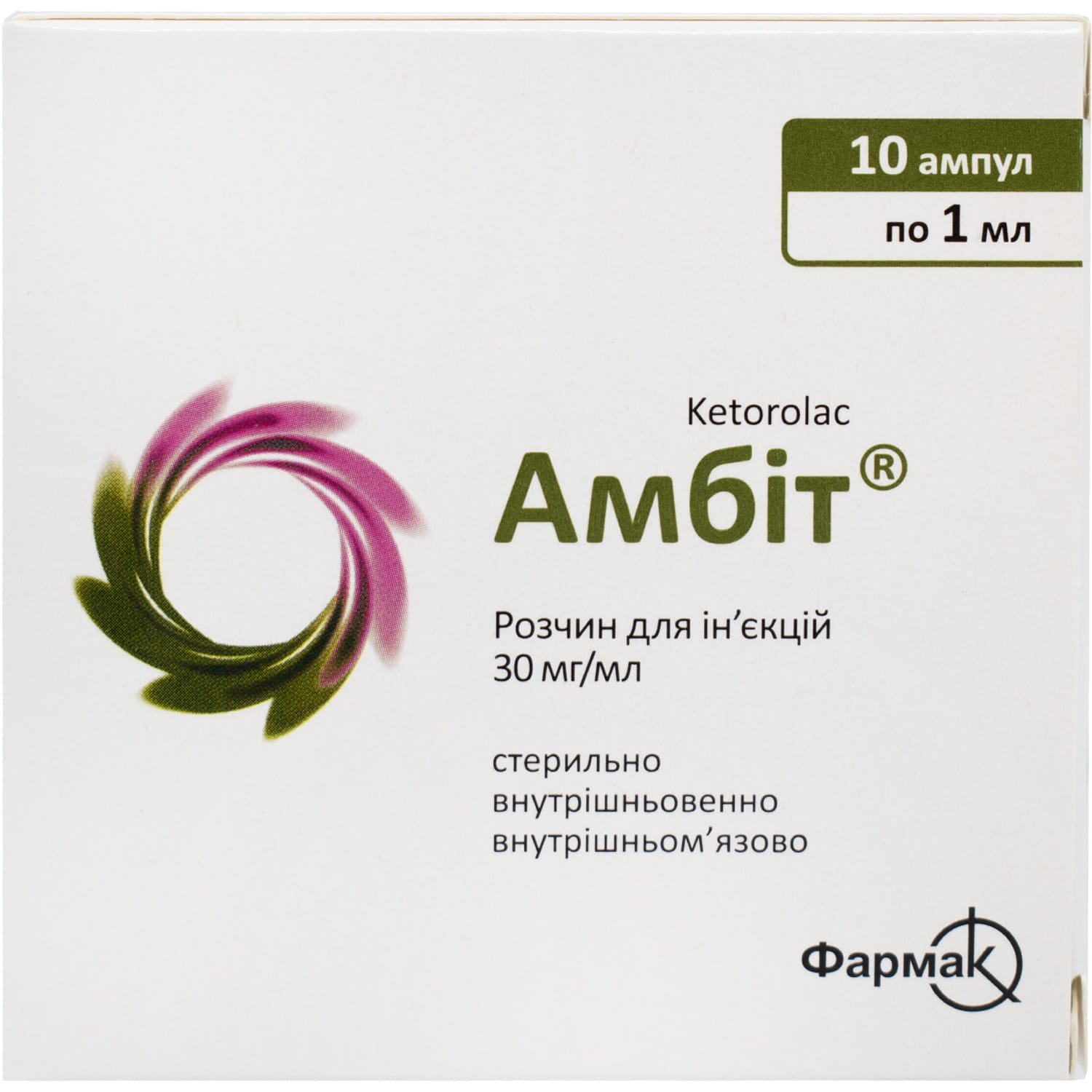
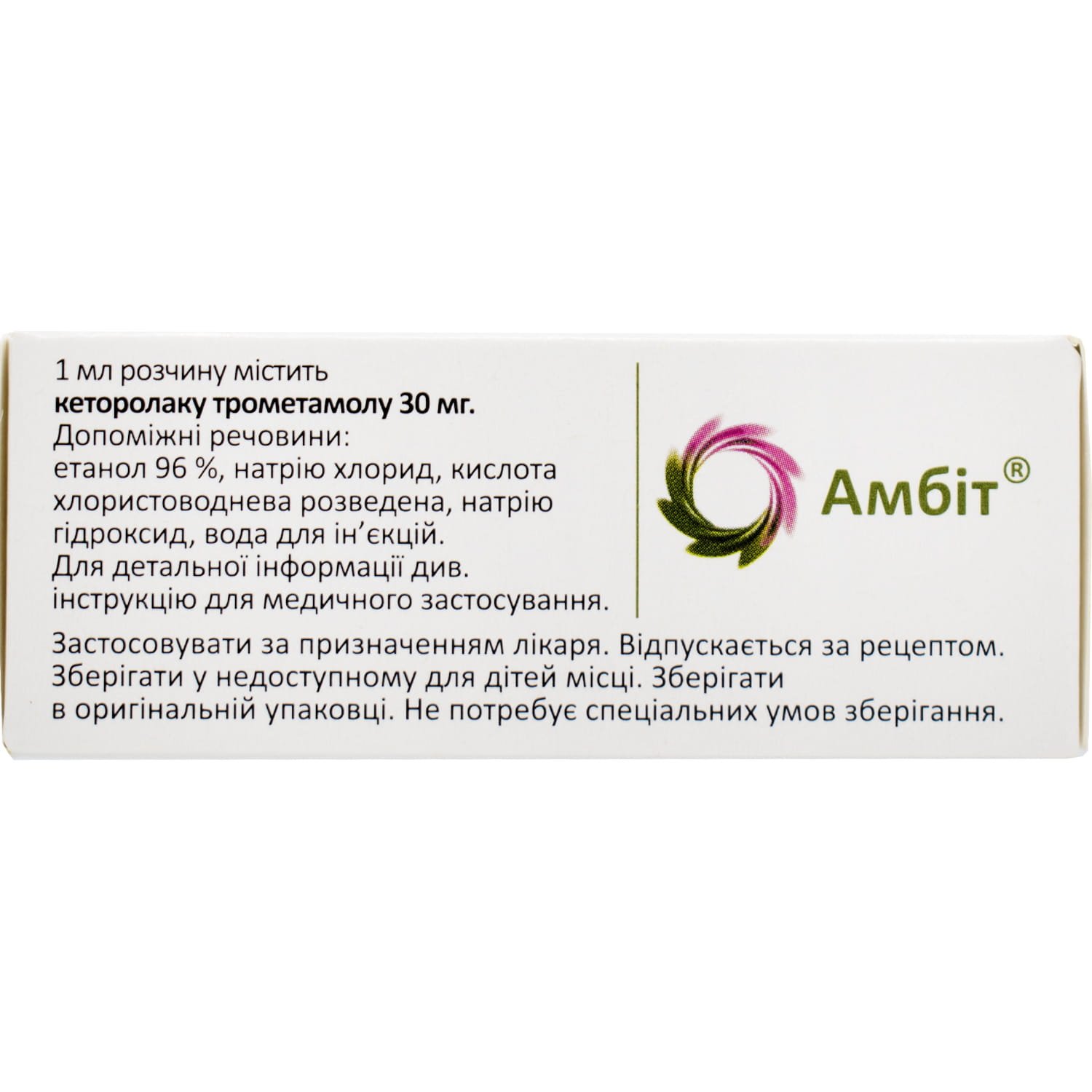


Ambit (ketorolac) solution for injection 30 mg/ml in 1 ml ampoules 10 pcs.
$29.27
Free Worldwide Shipping
to: Australia, Belgium, Canada, Czechia, Denmark, Estonia, Finland, Greece, Hungary, Ireland, Israel, Italy, Japan, Kuwait, Latvia, Lithuania, Mexico, Moldova, Netherlands, Norway, Poland, Romania, Slovakia, South Korea, Switzerland, United Kingdom, United States and more
🏖️ Hello! We are on vacation!
We are still accepting orders on our website; however, order processing and shipping will resume after September 10. If you place an order during our vacation, we will contact you and remind you about the temporary shipping delay. Starting September 10, all orders received during this period will be processed and shipped in the order they were placed. If your order contains a product with less than one year remaining before its expiration date, we will notify you after September 10 and proceed according to your instructions. If you decide to cancel an order placed during our vacation, simply contact us through the contact form on our website, and we will be happy to assist you. Thank you for your understanding, and we apologize for any inconvenience caused.
In stock
Ambit injection with ketorolac 30 mg/ml relieves moderate to severe postoperative pain in hospital settings. Up to 2 days of use. Not for under 16.
Payment
PayPal, Debit or Credit card, Google Pay, Apple Pay
Orders Temporarily Unavailable
Due to temporary postal service disruptions, we are currently unable to accept orders.
Ambit injection solution is indicated for:
- Relief of moderate to severe postoperative acute pain for a short period of time.
- Treatment should only be started in hospitals. The maximum duration of treatment is 2 days.
Composition
Active ingredient: ketorolac;
1 ml of solution contains ketorolac trometamol 30 mg;
Excipients: ethanol 96%, sodium chloride, dilute hydrochloric acid, sodium hydroxide, water for injections.
Contraindication
Ketorolac is contraindicated:
- patients who have previously experienced hypersensitivity reactions to ketorolac, any of the excipients or other NSAIDs and patients with a history of allergic reactions to aspirin or other prostaglandin synthesis inhibitors (severe anaphylactic reactions have been observed in such patients). Such reactions included asthma, rhinitis, angioedema or urticaria;
- patients with a history of bronchial asthma;
- children under 16 years of age;
- patients with active ulcer, recent gastrointestinal bleeding, peptic ulcer disease or perforation;
- as with other NSAIDs, in patients with severe heart failure, liver failure and renal failure;
- patients with moderate or severe renal insufficiency (serum creatinine level greater than 160 μmol/l) or patients at risk of developing renal insufficiency due to volume depletion or dehydration;
- during pregnancy, during labor and delivery, during breastfeeding;
- as a prophylactic analgesic before surgery due to suppression of platelet aggregation and during surgery due to increased risk of bleeding;
- due to inhibition of platelet function in patients with suspected or confirmed cerebrovascular bleeding, patients with a high risk of bleeding or incomplete hemostasis, as well as patients with a high risk of bleeding, such as hemorrhagic diatheses, including coagulation disorders;
- patients receiving anticoagulants, including warfarin and low-dose heparin (2500-5000 units every 12 hours);
- with simultaneous treatment with acetylsalicylic acid or other NSAIDs (including selective cyclooxygenase-2 inhibitors);
- for neuraxial (epidural or intrathecal) administration due to alcohol content;
- in combination with oxpentifylline;
- simultaneous treatment with probenecid or lithium salts;
- patients with complete or partial nasal polyps syndrome, edema, or bronchospasm.
Method of application
Ketorolac is intended for intramuscular or bolus intravenous injection. Bolus intravenous doses should be administered over at least 15 seconds. Ketorolac should not be used for epidural or spinal administration.
The onset of analgesic effect after injection is similar and is about 30 minutes with its maximum intensity within 1-2 hours. The average duration of analgesia is 4-6 hours.
Dose selection and adjustment should be made according to the intensity of pain and the corresponding response to the administration of the drug.
Application features
Pregnant women
Due to the proven effect of NSAIDs on the fetal cardiovascular system (early closure of the ductus arteriosus), ketorolac is contraindicated during pregnancy, labor, or delivery.
Children
Safety and effectiveness in children have not been established. Therefore, ketorolac is not recommended for use in children under 16 years of age.
Drivers
Some patients may experience dizziness, drowsiness, fatigue, visual disturbances, headache, vertigo, insomnia, or depression after using ketorolac. If such disorders are observed, patients should not drive or operate complex machinery.
Overdose
Symptoms: A single overdose of ketorolac at various times has resulted in abdominal pain, nausea, vomiting, hyperventilation, peptic ulcers and/or erosive gastritis, and renal dysfunction, which resolved after discontinuation of the drug.
Treatment: Patients should receive symptomatic and supportive treatment following NSAID overdose. There is no specific antidote. Dialysis does not significantly remove ketorolac from the blood due to its high protein binding.
If an overdose that can cause toxicity is detected within the first hour, activated charcoal or gastric lavage can be used as a life-threatening therapy for adult patients.
In addition, adequate diuresis should be ensured. Liver and renal function should also be monitored and the patient should be observed for at least 4 hours after ingestion of a dose likely to cause toxicity. Diazepam should be used if seizures are recurrent or prolonged. Other therapeutic measures may also be considered depending on the clinical condition of the patient.
Side effects
General disorders and administration site conditions: Excessive thirst, asthenia, edema, injection site reactions and pain, fever, chest pain.
Malaise, increased fatigue and weight gain were also noted.
Laboratory tests: Prolonged bleeding time, increased serum urea, increased creatinine, abnormal liver function tests.
Interaction
Ketorolac is highly bound to plasma proteins (on average 99.2%) and its binding is concentration dependent.
With the simultaneous administration of ketorolac and oxpentifylline, there is an increased tendency to bleeding.
Storage conditions
Store in original packaging. No special storage conditions required. Keep out of reach of children.
Shelf life – 2 years.
You may also like



Reviews
There are no reviews yet.