
🇦🇺 Australia
🇧🇪 Belgium
🇨🇦 Canada
🇨🇿 Czechia
🇩🇰 Denmark
🇪🇪 Estonia
🇫🇮 Finland
🇬🇷 Greece
🇭🇺 Hungary
🇮🇪 Ireland
🇮🇱 Israel
🇮🇹 Italy
🇯🇵 Japan
🇰🇼 Kuwait
🇱🇻 Latvia
🇱🇹 Lithuania
🇲🇽 Mexico
🇲🇩 Moldova
🇳🇱 Netherlands
🇳🇴 Norway
🇵🇱 Poland
🇷🇴 Romania
🇸🇰 Slovakia
🇰🇷 South Korea
🇨🇭 Switzerland
🇬🇧 United Kingdom
🇺🇸 United States of America
and more
🇦🇺 Australia
🇧🇪 Belgium
🇨🇦 Canada
🇨🇿 Czechia
🇩🇰 Denmark
🇪🇪 Estonia
🇫🇮 Finland
🇬🇷 Greece
🇭🇺 Hungary
🇮🇪 Ireland
🇮🇱 Israel
🇮🇹 Italy
🇯🇵 Japan
🇰🇼 Kuwait
🇱🇻 Latvia
🇱🇹 Lithuania
🇲🇽 Mexico
🇲🇩 Moldova
🇳🇱 Netherlands
🇳🇴 Norway
🇵🇱 Poland
🇷🇴 Romania
🇸🇰 Slovakia
🇰🇷 South Korea
🇨🇭 Switzerland
🇬🇧 United Kingdom
🇺🇸 United States of America
and more
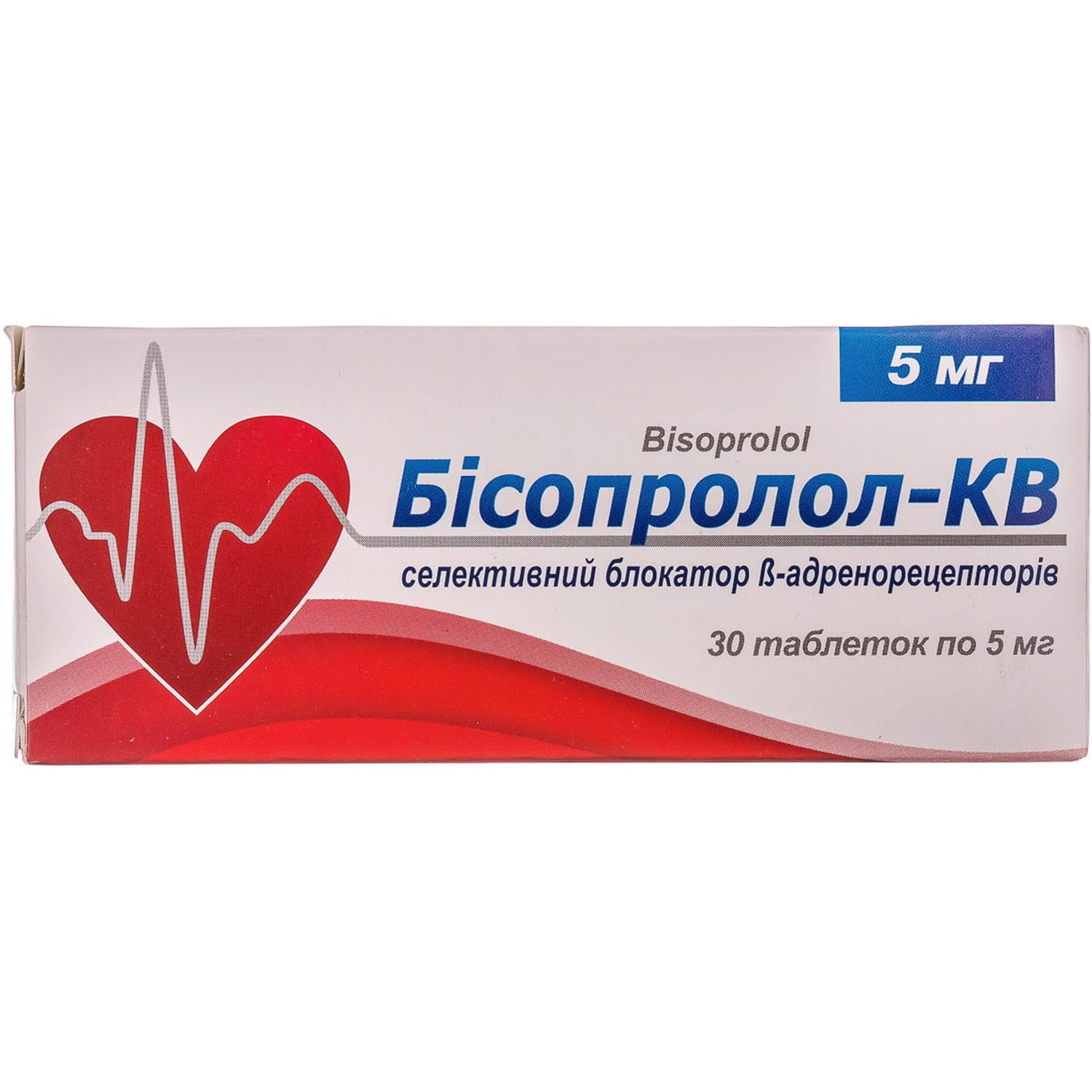
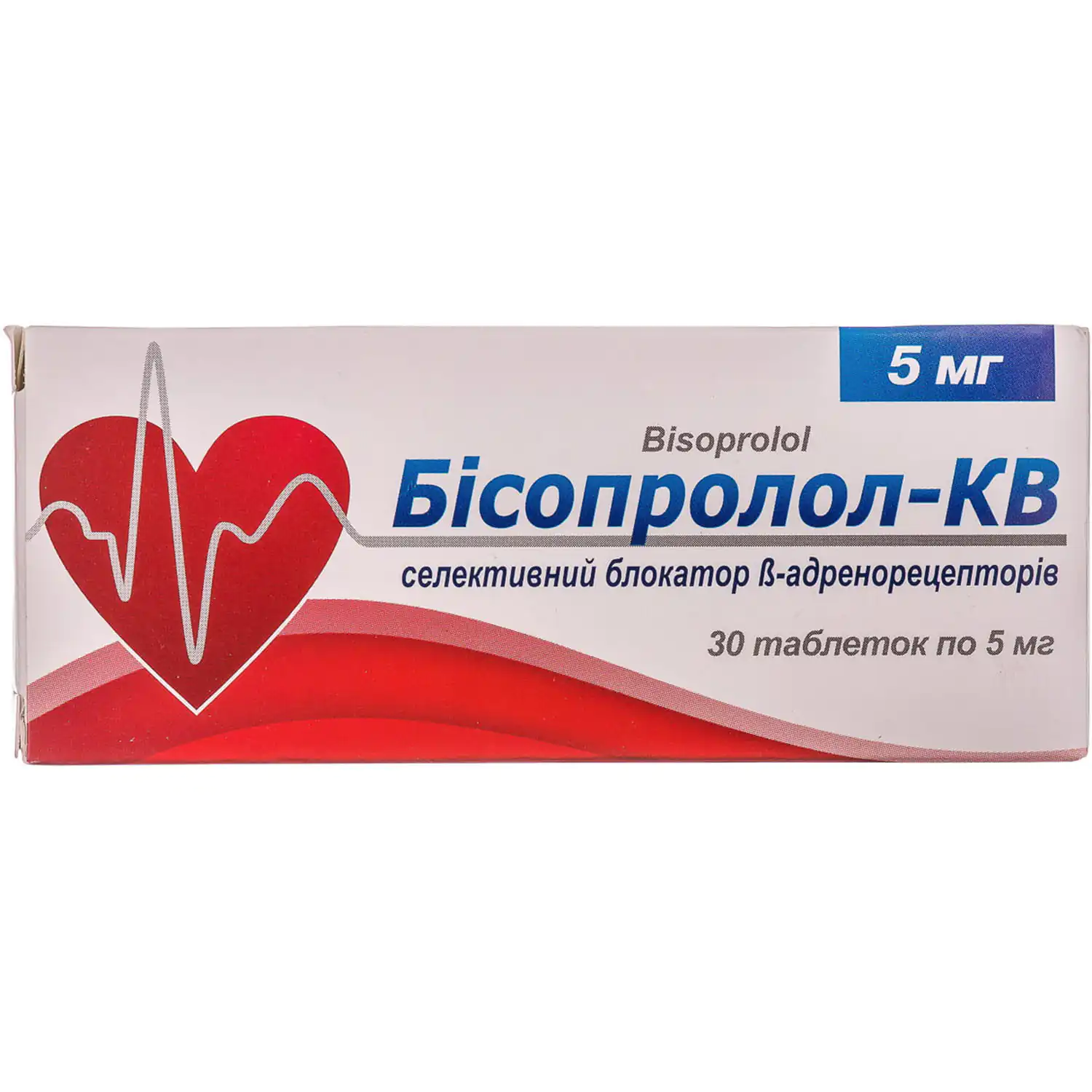
Bisoprolol KV tablets 5 mg 30 pcs.
$11.20
Free Worldwide Shipping
to: Australia, Belgium, Canada, Czechia, Denmark, Estonia, Finland, Greece, Hungary, Ireland, Israel, Italy, Japan, Kuwait, Latvia, Lithuania, Mexico, Moldova, Netherlands, Norway, Poland, Romania, Slovakia, South Korea, Switzerland, United Kingdom, United States and more
🏖️ Hello! We are on vacation!
We are still accepting orders on our website; however, order processing and shipping will resume after September 10. If you place an order during our vacation, we will contact you and remind you about the temporary shipping delay. Starting September 10, all orders received during this period will be processed and shipped in the order they were placed. If your order contains a product with less than one year remaining before its expiration date, we will notify you after September 10 and proceed according to your instructions. If you decide to cancel an order placed during our vacation, simply contact us through the contact form on our website, and we will be happy to assist you. Thank you for your understanding, and we apologize for any inconvenience caused.
In stock
Bisoprolol KV 5 mg helps control blood pressure, heart disease, and chronic heart failure by reducing heart rate and cardiac workload.
Payment
PayPal, Debit or Credit card, Google Pay, Apple Pay
Orders Temporarily Unavailable
Due to temporary postal service disruptions, we are currently unable to accept orders.
Bisoprolol KV is a selective β-adrenergic receptor blocker.
Indications for use
- arterial hypertension;
- coronary heart disease (angina);
- chronic heart failure with left ventricular systolic dysfunction, in combination with ACE inhibitors, diuretics, and if necessary, with cardiac glycosides.
Composition
- active ingredient: bisoprolol;
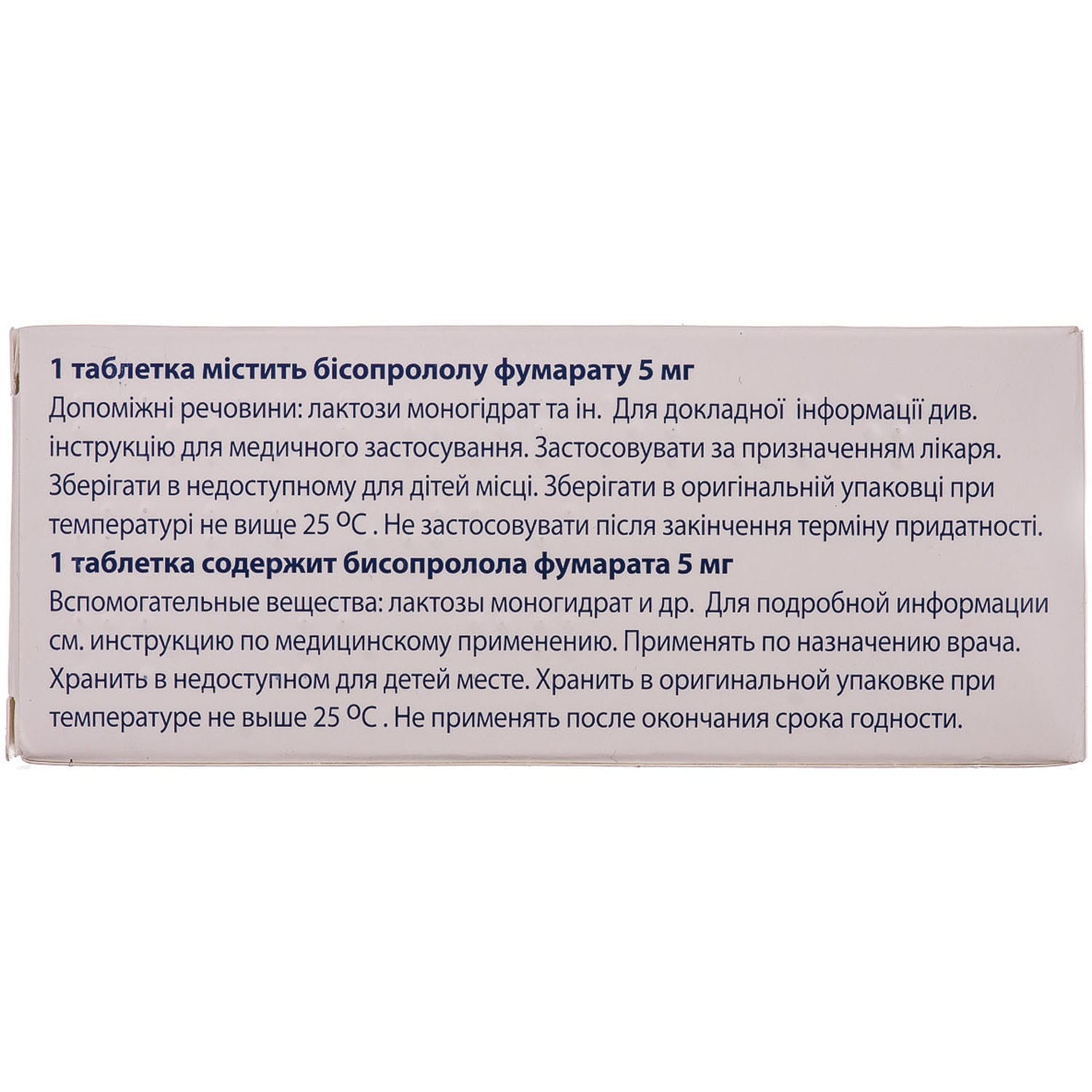
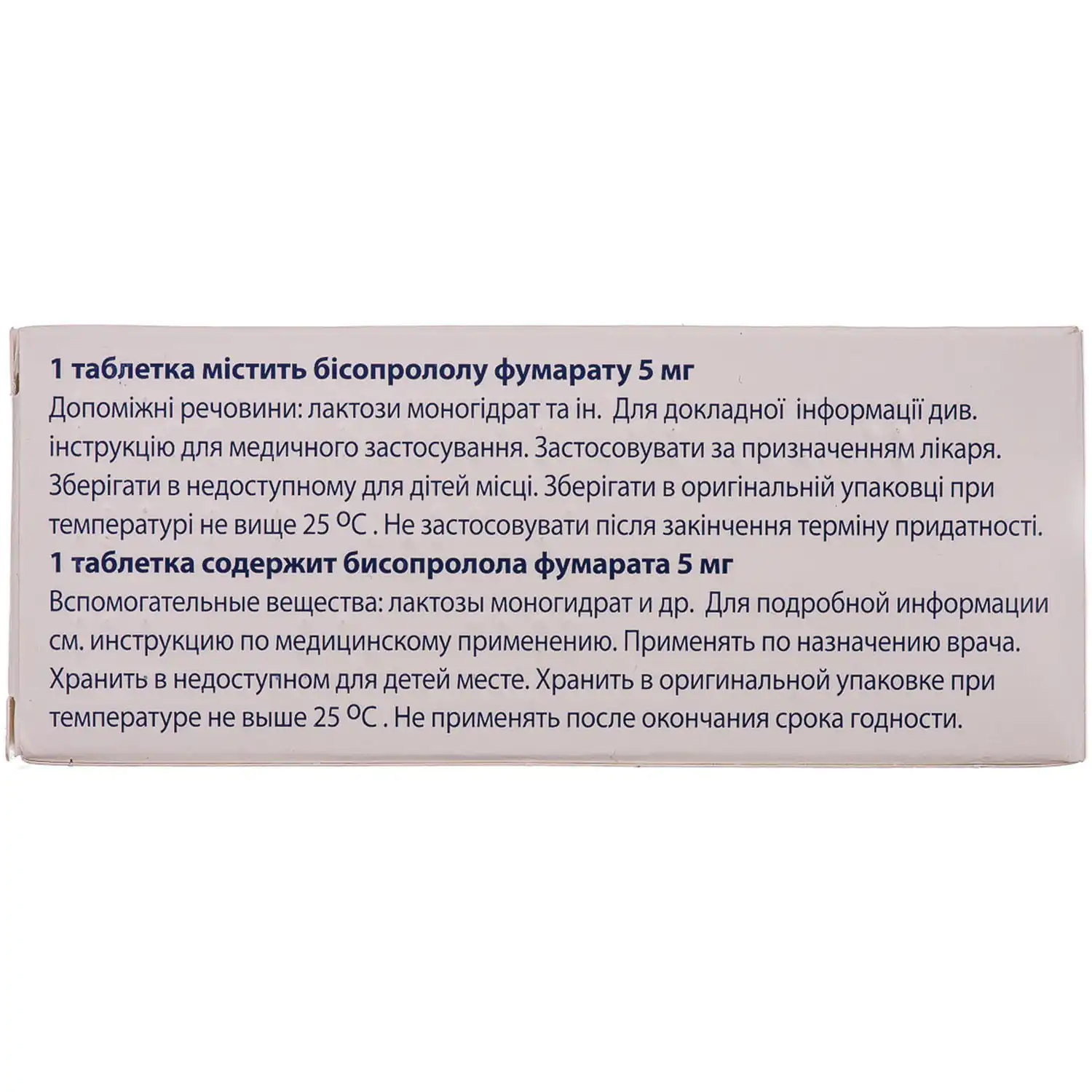
- 1 tablet contains bisoprolol fumarate 5 mg;
- Excipients: lactose monohydrate; microcrystalline cellulose; crospovidone; magnesium stearate; iron oxide yellow dye (E 172).
Contraindication
- acute heart failure or heart failure in a state of decompensation requiring inotropic therapy;
- cardiogenic shock;
- atrioventricular block II and III degree (except in patients with an artificial pacemaker);
- sick sinus syndrome;
- severe sinoatrial block;
- symptomatic bradycardia;
- symptomatic arterial hypotension;
- severe bronchial asthma or severe chronic obstructive pulmonary disease;
- late stages of peripheral circulatory disorders or Raynaud’s disease;
- untreated pheochromocytoma;
- metabolic acidosis;
- hypersensitivity to bisoprolol or other components of the drug.
Adverse reactions
Cardiac: bradycardia (in patients with chronic heart failure, arterial hypertension or ischemic heart disease), signs of worsening heart failure (in patients with chronic heart failure, arterial hypertension or ischemic heart disease), atrioventricular conduction disorders.
Nervous system: dizziness*, headache*, syncope.
On the part of the organs of vision: decreased tear secretion (should be taken into account when wearing contact lenses), conjunctivitis.
On the part of the auditory organs: hearing impairment.
Respiratory system: bronchospasm in patients with a history of bronchial asthma or obstructive airway diseases, allergic rhinitis.
On the part of the digestive tract: nausea, vomiting, diarrhea, constipation.
Skin and connective tissue disorders: hypersensitivity reactions including pruritus, redness, rash, alopecia. Treatment with ß-blockers may result in worsening of psoriasis in the form of psoriatic rash.
Musculoskeletal system: muscle weakness, cramps.
Hepatic: hepatitis.
On the part of the vascular system: feeling of coldness or numbness in the extremities, arterial hypotension (in patients with chronic heart failure, with arterial hypertension or ischemic heart disease), orthostatic hypotension (in patients with chronic heart failure).
Method of application
The tablets should be taken without chewing, in the morning, on an empty stomach or during breakfast, with a small amount of liquid.
Arterial hypertension; coronary heart disease (angina pectoris)
The recommended dose is 5 mg (1 tablet of Bisoprolol-KV 5 mg) per day. In case of moderate hypertension (diastolic blood pressure up to 105 mm Hg), a dosage of 2.5 mg (½ tablet of 5 mg) is acceptable.
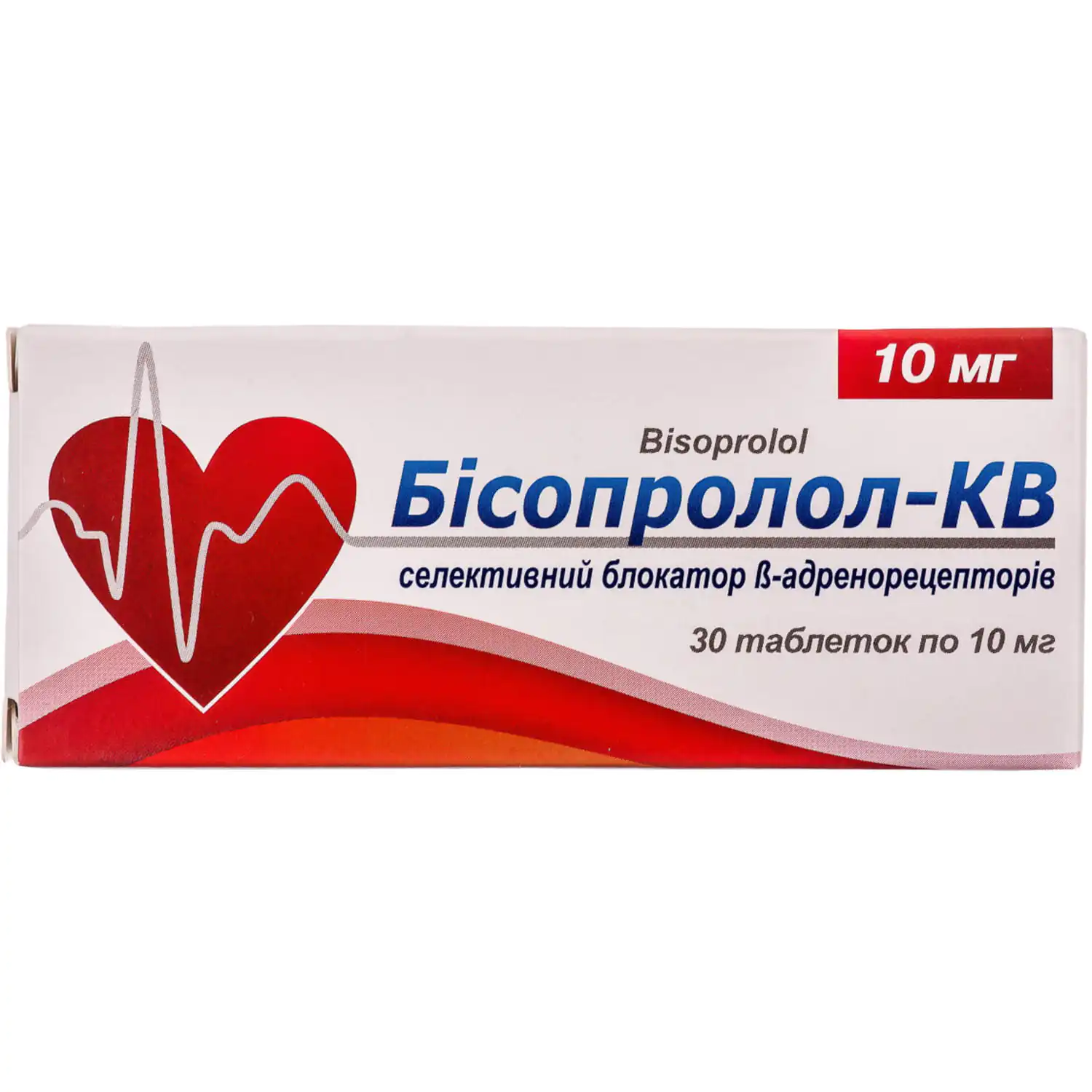
If necessary, the daily dose can be increased to 10 mg (1 tablet of Bisoprolol KV 10 mg) per day. The maximum recommended dose is 20 mg per day.
Dose changes and adjustments are determined by the doctor individually, depending on the patient’s condition.
Bisoprolol-KV must be used with caution in patients with arterial hypertension or ischemic heart disease accompanied by heart failure.
Chronic heart failure with left ventricular systolic dysfunction, in combination with ACE inhibitors, diuretics, and if necessary, cardiac glycosides
Standard therapy for chronic heart failure: ACE inhibitors (or angiotensin receptor blockers in case of intolerance to ACE inhibitors), β-adrenergic blockers, diuretics and, if necessary, cardiac glycosides.
Bisoprolol KV is prescribed for the treatment of patients with chronic heart failure without signs of exacerbation.
Treatment of chronic heart failure with Bisoprolol-KV should be initiated according to the titration scheme below and may be adjusted depending on individual body responses.
The maximum recommended dose of bisoprolol fumarate is 10 mg once daily.
Regular monitoring is necessary at the beginning of treatment for persistent chronic heart failure. During the titration phase, vital signs (blood pressure, heart rate) and symptoms of progression of heart failure should be monitored.
The course of treatment with Bisoprolol KV is long.
Do not stop treatment suddenly or change the recommended dose without consulting your doctor, as this may worsen the patient’s condition. If necessary, treatment with the drug should be discontinued slowly, gradually reducing the dose.
Application features
Use during pregnancy or breastfeeding
During pregnancy, the drug should be used only if the expected benefit to the mother outweighs the potential risk to the fetus. It is necessary to monitor uteroplacental blood flow and fetal growth. In case of harmful effects on the course of pregnancy or the fetus, alternative treatment should be considered.
There is no data on the excretion of bisoprolol into breast milk, therefore it is not recommended to use the drug during breastfeeding.
Children
There is no clinical data on the efficacy and safety of the drug for the treatment of children, therefore the drug should not be used in this category of patients.
Ability to influence reaction speed when driving vehicles or other mechanisms
In individual cases, the drug may affect the ability to drive or operate complex mechanisms. Particular attention should be paid at the beginning of treatment, when changing the dose of the drug or when interacting with alcohol.
Overdose
Symptoms. In case of overdose (for example, using a daily dose of 15 mg instead of 7.5 mg), cases of third-degree atrioventricular block, bradycardia and dizziness have been recorded. The most common signs of overdose with ß-blockers are bradycardia, hypotension, acute heart failure, hypoglycemia and bronchospasm. Currently, several cases of overdose in patients with arterial hypertension and/or ischemic heart disease (maximum dose – 2000 mg of bisoprolol) are known. Bradycardia and/or hypotension were noted. All patients recovered. There is a wide variability in individual sensitivity to a single high dose of bisoprolol, patients with heart failure may be more sensitive to the drug. Therefore, treatment should be started with a gradual increase in dosage.
Treatment. In case of overdose, discontinue treatment with the drug and provide supportive and symptomatic therapy. There is limited evidence that bisoprolol is difficult to dialyze. In case of suspected overdose, the following general measures should be considered, based on the expected pharmacological action and recommendations for other ß-blockers.
For bradycardia: intravenous atropine. If there is no response, isoprenaline or another drug with a positive chronotropic effect is administered with caution. In exceptional cases, transvenous administration of an artificial pacemaker may be necessary.
For hypotension: intravenous fluids and vasoconstrictors. Intravenous glucagon may be useful.
In case of second and third degree atrioventricular block: careful observation and infusion of isoprenaline or transvenous pacemaker.
In case of exacerbation of chronic heart failure: intravenous administration of diuretics, inotropic drugs, vasodilators.
For bronchospasm: bronchodilators (e.g. isoprenaline), ß2 – adrenomimetics and/or aminophylline.
For hypoglycemia: intravenous glucose administration.
Interaction with other medicinal products and other types of interactions
Combinations that are not recommended for use.
Treatment of chronic heart failure.
Class I antiarrhythmics (e.g. quinidine, disopyramide, lidocaine, phenytoin, flecainide, propafenone): possible potentiation of the effect on atrioventricular conduction and increased negative inotropic effect.
Calcium antagonists (verapamil group, to a lesser extent diltiazem): negative effect on myocardial contractile function and atrioventricular conduction.
Intravenous administration of verapamil to patients taking ß-blockers may result in severe hypotension and atrioventricular block.
Centrally acting antihypertensives (clonidine, methyldopa, moxonidine, rilmenidine): possible worsening of heart failure due to decreased central sympathetic tone (decreased heart rate and cardiac output, vasodilation). Abrupt withdrawal of the drug, especially if preceded by withdrawal of ß-adrenoceptor blockers, may increase the risk of rebound hypertension.
Storage conditions
Store in the original packaging at a temperature not exceeding 25 °C.
Keep out of reach of children.
You may also like



Reviews
There are no reviews yet.