No products in the cart.

We deliver to:

🇦🇺 Australia

🇧🇪 Belgium

🇨🇦 Canada

🇨🇿 Czechia

🇩🇰 Denmark

🇪🇪 Estonia

🇫🇮 Finland

🇬🇷 Greece

🇭🇺 Hungary

🇮🇪 Ireland

🇮🇱 Israel

🇮🇹 Italy

🇯🇵 Japan

🇰🇼 Kuwait

🇱🇻 Latvia

🇱🇹 Lithuania

🇲🇽 Mexico

🇲🇩 Moldova

🇳🇱 Netherlands

🇳🇴 Norway

🇵🇱 Poland

🇷🇴 Romania

🇸🇰 Slovakia

🇰🇷 South Korea

🇨🇭 Switzerland

🇬🇧 United Kingdom

🇺🇸 United States of America

and more

  • Clovate
  • Clovate
Please note: The product packaging may vary from the images shown. The contents, ingredients, and quality of the product remain unchanged.

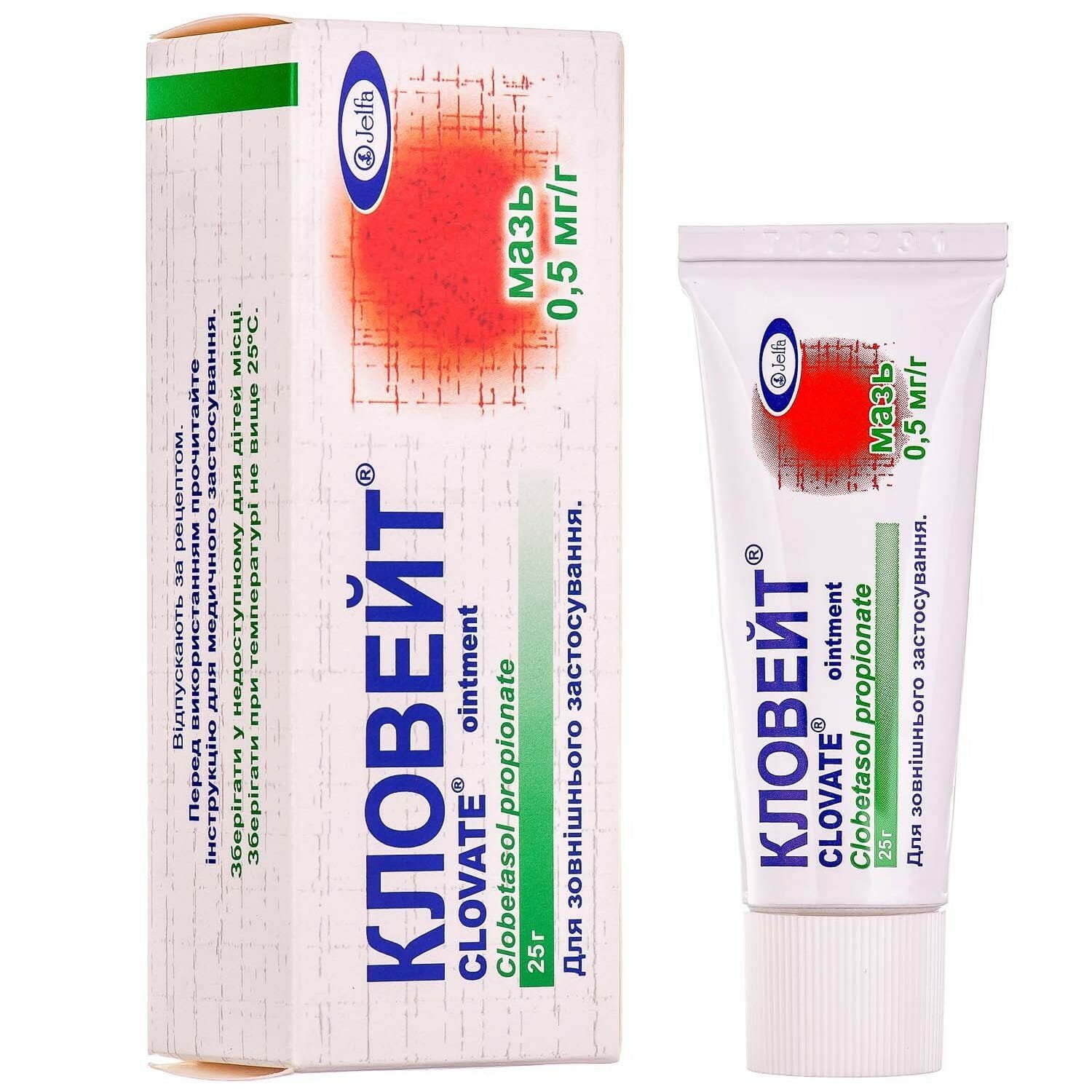
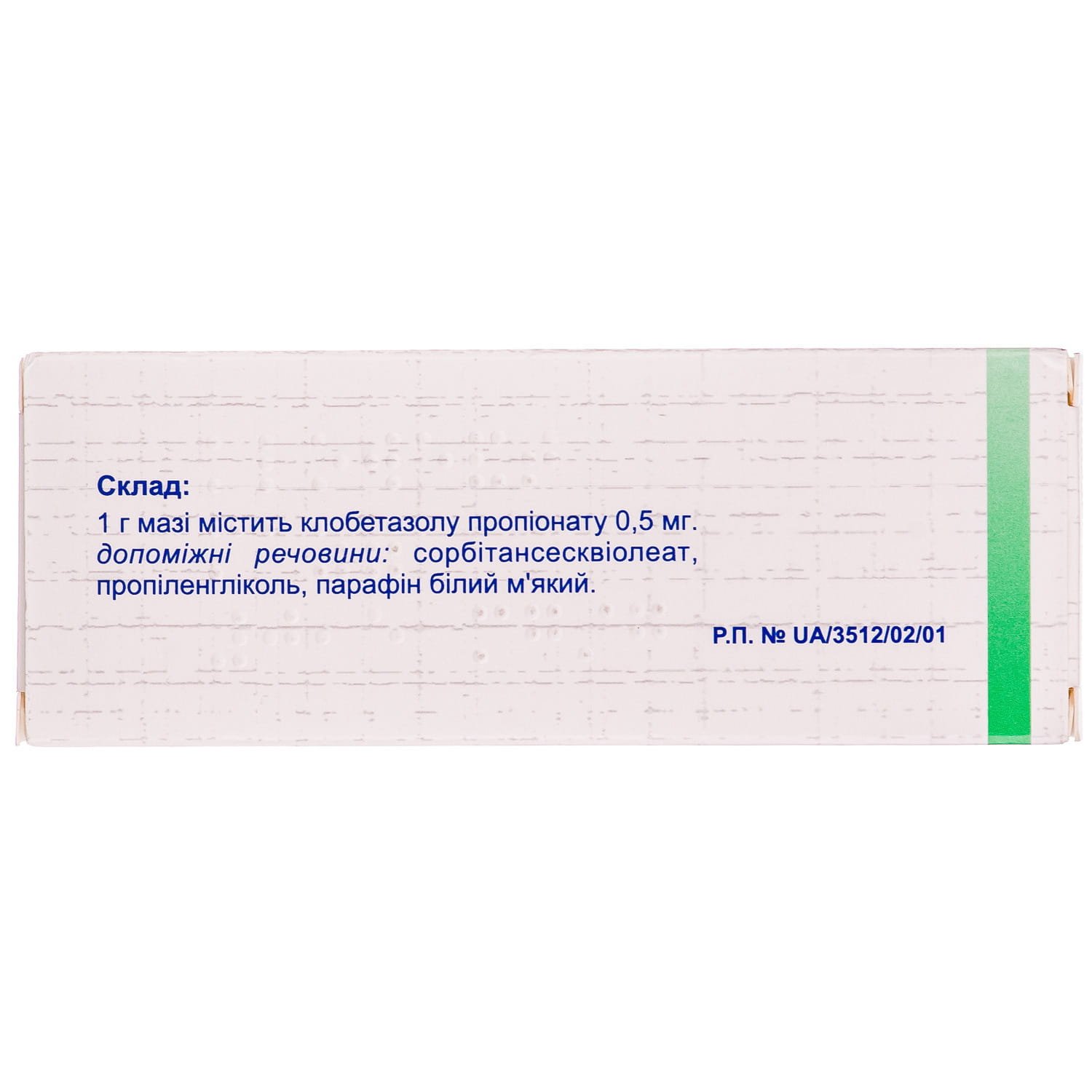
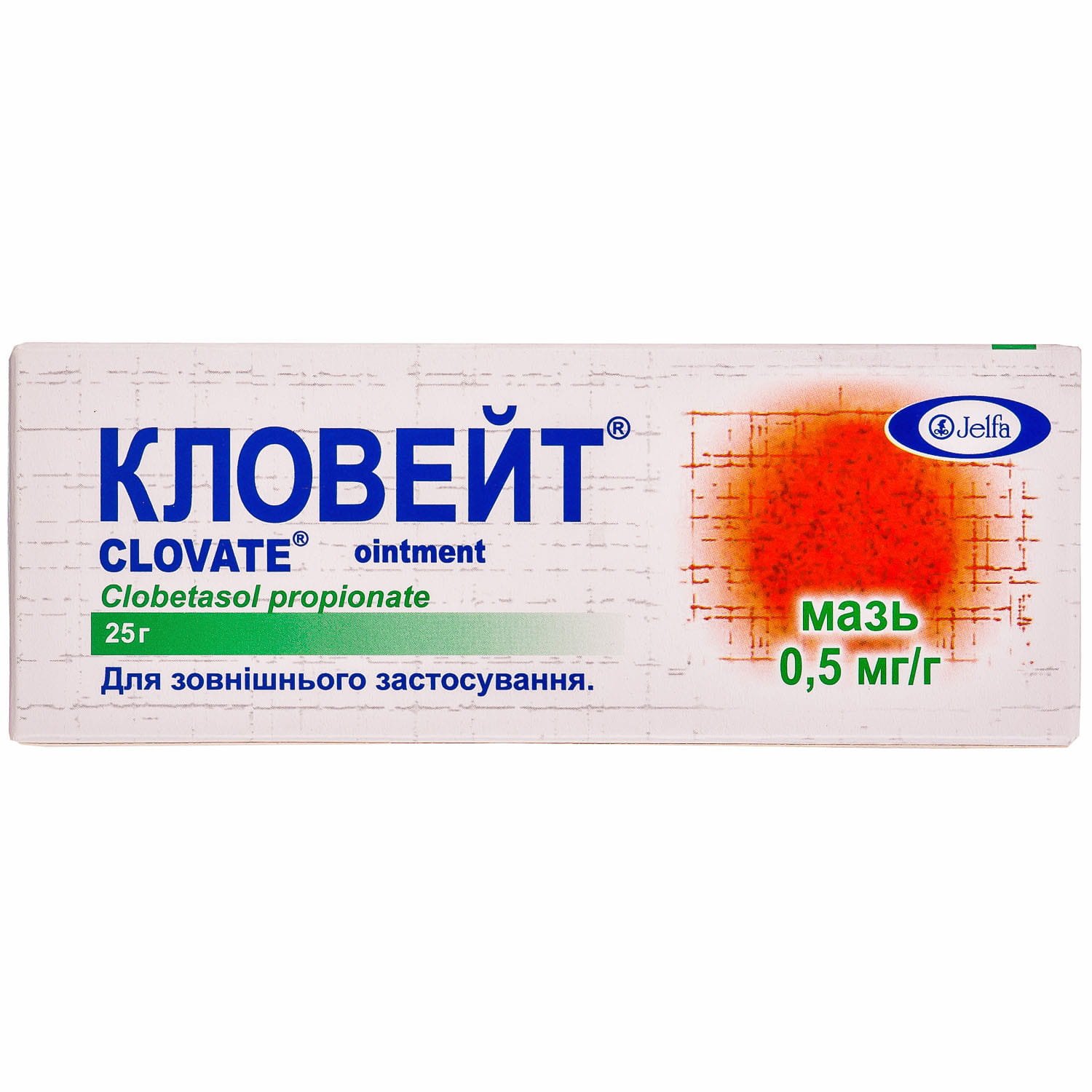
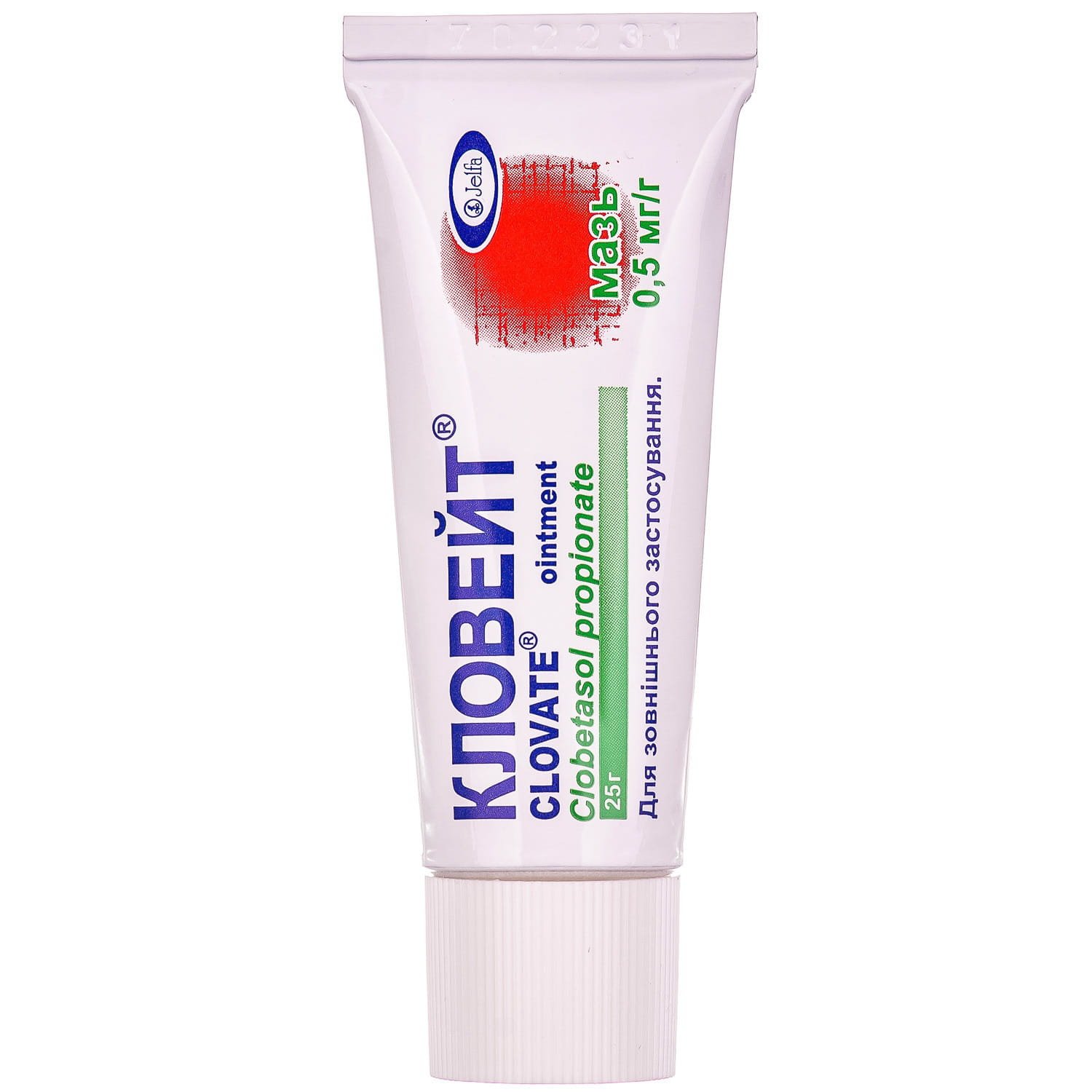
Clovate ointment 0.5 mg/g tube of 25 g

$21.42

*All prices are in US dollars (USD)

Free Worldwide Shipping

to: Australia, Belgium, Canada, Czechia, Denmark, Estonia, Finland, Greece, Hungary, Ireland, Israel, Italy, Japan, Kuwait, Latvia, Lithuania, Mexico, Moldova, Netherlands, Norway, Poland, Romania, Slovakia, South Korea, Switzerland, United Kingdom, United States and more

🏖️ Hello! We are on vacation!

We are still accepting orders on our website; however, order processing and shipping will resume after September 10. If you place an order during our vacation, we will contact you and remind you about the temporary shipping delay. Starting September 10, all orders received during this period will be processed and shipped in the order they were placed. If your order contains a product with less than one year remaining before its expiration date, we will notify you after September 10 and proceed according to your instructions. If you decide to cancel an order placed during our vacation, simply contact us through the contact form on our website, and we will be happy to assist you. Thank you for your understanding, and we apologize for any inconvenience caused.

In stock

Clovate clobetasol cream and ointment treat psoriasis, persistent eczema, lichen planus, and discoid lupus. Max 4 weeks; not for children under 1 year.

Categories: Brand:
Can’t find it? Ask us via WhatsApp, Telegram, Viber or chat

Payment

PayPal, Debit or Credit card, Google Pay, Apple Pay

or

Orders Temporarily Unavailable

Due to temporary postal service disruptions, we are currently unable to accept orders.

Pharmacological properties

Pharmacodynamics. The main effect of clobetasol propionate on the skin is a nonspecific anti-inflammatory effect due to vasoconstriction and a decrease in collagen synthesis.

Pharmacokinetics. The penetration of clobetasol propionate through the skin varies between individuals and may increase when using occlusive dressings or when the skin is inflamed or damaged. In individuals with healthy skin, C max of clobetasol propionate in plasma – 0.63 ng / ml can be achieved 8 hours after the second application (13 hours after the first application) of 30 g of 0.05% ointment. After applying a second dose of 30 g of 0.05% clobetasol propionate cream, C max in plasma can be slightly higher than when applying the ointment, and is achieved after 10 hours. Other peak concentrations (approximately 2.3 ng / ml and 4.6 ng / ml) can be observed in patients with psoriasis and eczema, respectively, 3 hours after a single application of 25 g of 0.05% clobetasol propionate ointment. After absorption through the skin, the drug most likely undergoes the same metabolic pathway as corticosteroids after systemic administration. However, the systemic metabolism of clobetasol has not been fully established.

Indication

Psoriasis (except widespread plaque psoriasis), persistent eczema, lichen planus, discoid lupus erythematosus and other skin diseases that are not amenable to treatment with less active corticosteroids.

Application

The cream is particularly effective for the treatment of moist or wet skin surfaces. The ointment is suitable for the treatment of dry skin surfaces, as well as skin with lichen or scaly lesions. The cream/ointment is applied in a thin layer to the affected areas of the skin 1-2 times a day until the condition improves. As with other highly active corticosteroids, treatment should be discontinued after the disease is controlled. Improvement occurs individually, in patients who tolerate therapy well, the result may appear after a few days. It is recommended to continue treatment for no more than 4 weeks; if the condition does not improve, it is necessary to clarify or revise the diagnosis.

To prevent exacerbation of the disease, repeated short courses of treatment with the drug Clovate can be carried out. If long-term continuous therapy with steroids is necessary, other, less potent drugs should be used. In case of very persistent lesions, especially in areas of hyperkeratosis, the anti-inflammatory effect of the drug Clovate can be enhanced if necessary by covering the affected area with plastic wrap. To achieve a positive result, an airtight bandage is applied overnight. The effect already achieved is maintained by simply applying the drug to the skin without covering it with a wrap.

Contraindication

Untreated skin infections. acne rosacea. acne vulgaris. itching without inflammation. perianal and genital itching. perioral dermatitis. hypersensitivity to the components of the drug. dermatoses in children under 1 year of age, including dermatitis.

Side effects

Infections and invasions: opportunistic infections.

Immune system: local hypersensitivity.

Endocrine system: suppression of the hypothalamic-pituitary-adrenal axis: Cushingoid features (e.g., crescent face, central obesity), delayed weight gain/growth in children, osteoporosis, glaucoma, hyperglycemia/glucosuria, cataracts, hypertension, weight gain/obesity, decreased endogenous cortisol levels, alopecia, hair fragility.

Skin and subcutaneous tissue: itching, local burning sensation/pain in the skin, local skin atrophy*, atrophic skin streaks*, telangiectasia*, skin thinning*, skin wrinkling*, skin dryness*, pigmentation changes*, hypertrichosis, exacerbation of the main symptoms, allergic contact dermatitis/dermatitis, pustular psoriasis, erythema, rash, urticaria.

General disorders and administration site conditions: irritation/pain at the application site.

* Skin disorders are secondary to local and/or systemic suppression of the hypothalamic-pituitary-adrenal axis.

Special instructions

The drug should be used with caution in patients with a history of local hypersensitivity reactions to corticosteroids or any of the excipients. Local hypersensitivity reactions (see side effects) may resemble the symptoms of the disease being treated.

Manifestations of hypercorticism (Cushing’s syndrome) and reverse suppression of the hypothalamic-pituitary-adrenal axis with suppression of adrenal function in some individuals may be the result of increased systemic absorption of corticosteroids. If any of the above symptoms occur, the drug should be gradually discontinued by reducing the frequency of application or replacing it with a less potent corticosteroid. Abrupt discontinuation of treatment may lead to glucocorticoid insufficiency (see Side effects). Risk factors for systemic effects include:

– the potency and composition of the topical steroid;

– duration of use;

– application to a large area of ​​skin;

– application on contact skin surfaces, for example, in diaper areas or in place of an occlusive dressing (in infants, diapers can play the role of an occlusive dressing);

– increased hydration of the stratum corneum;

– use on areas with thin skin, such as the face; application to damaged skin or under other conditions where the skin barrier is disrupted.

Children. Children may absorb proportionally larger amounts of topical corticosteroids than adults and are therefore more susceptible to systemic side effects. This is because children have an immature skin barrier and a larger skin surface area relative to body weight than adults. Prolonged use of corticosteroids in children aged 1 to 12 years should be avoided if possible because they are more likely to develop adrenal suppression.

Children are more susceptible to the development of atrophic changes when using corticosteroids. If Clovate is necessary for the treatment of children, it is recommended that it be continued for several days and reviewed weekly.

Risk of infection when applying an occlusive dressing. The risk of bacterial infections increases in the warm and humid conditions that can occur under occlusive dressings, so the skin should be carefully cleaned before applying a new dressing each time.

Treatment of psoriasis. Topical corticosteroids should be used with caution in the treatment of psoriasis, as in some cases relapses, development of tolerance, risk of generalization of pustular psoriasis and development of symptoms of local or systemic toxicity caused by impaired skin barrier function have been reported. In the case of use for the treatment of psoriasis, the patient should be under close medical supervision.

Concomitant infections. Appropriate antibacterial agents should be administered whenever infected inflammatory skin lesions are treated. In the event of spread of infection, topical corticosteroids should be discontinued and appropriate antibacterial treatment should be administered.

Chronic leg ulcers. Topical corticosteroids are sometimes used to treat dermatitis around chronic leg ulcers. However, this use is associated with an increased incidence of local hypersensitivity reactions and the risk of local infections.

Applying the cream to the face. Applying the cream to the skin of the face is undesirable, as this area is more prone to atrophic changes. If necessary, use should be limited to a few days.

Application to the eyelids. When applying the cream to the eyelids, avoid getting the drug in the eyes, as repeated use may cause cataracts and glaucoma.

Use during pregnancy and breastfeeding. Pregnancy. Data on the use of Cloveate in pregnant women are limited.

Topical application of corticosteroids to pregnant animals may cause fetal malformations. The relevance of these data to humans has not been established. Clovate should be administered during pregnancy only if the expected benefit to the mother outweighs the risk to the fetus. The minimum amount of the drug should be used for the minimum duration of treatment.

Breastfeeding. The safety of clobetasol propionate during breastfeeding has not been established. It is not known whether the use of corticosteroids can lead to such systemic absorption that measurable amounts of the drug will be detected in breast milk. Clovate should be used during breastfeeding only if the expected benefit to the mother outweighs the risk to the child. When prescribed during breastfeeding, the cream should not be applied to the mammary glands to avoid accidental ingestion of the cream by the child.

Children. The drug is contraindicated for the treatment of dermatoses, including dermatitis, in children under 1 year of age.

The ability to influence the reaction rate when driving vehicles or operating other mechanisms. Studies to study this effect have not been conducted. Given the profile of adverse reactions, no effect on the reaction rate when driving vehicles or operating other mechanisms is expected.

Interactions

Concomitant use with drugs that can inhibit CYP3A4 (e.g. ritonavir, itraconazole) has been shown to inhibit the metabolism of corticosteroids, which may cause systemic effects. The extent to which such an interaction is clinically significant depends on the dose of the drug, the route of administration of the GCS, and the potency of the CYP3A4 inhibitor.

Overdose

Symptoms. With normal use, Clovate can be absorbed in quantities sufficient to cause systemic effects. The likelihood of acute overdose is very small, but in case of chronic overdose or improper use, signs of hypercorticism may occur.

Treatment. In case of overdose, Clovate should be gradually discontinued by reducing the frequency of cream application or replacing it with a less potent corticosteroid, taking into account the risk of GCS insufficiency.

Further treatment is carried out according to the patient’s clinical condition or according to national recommendations for the treatment of poisoning, if available.

Storage conditions

At a temperature not exceeding 25 °C. Do not freeze.

Reviews

There are no reviews yet.

Be the first to review “Clovate ointment 0.5 mg/g tube of 25 g”

Your email address will not be published. Required fields are marked