
🇦🇺 Australia
🇧🇪 Belgium
🇨🇦 Canada
🇨🇿 Czechia
🇩🇰 Denmark
🇪🇪 Estonia
🇫🇮 Finland
🇬🇷 Greece
🇭🇺 Hungary
🇮🇪 Ireland
🇮🇱 Israel
🇮🇹 Italy
🇯🇵 Japan
🇰🇼 Kuwait
🇱🇻 Latvia
🇱🇹 Lithuania
🇲🇽 Mexico
🇲🇩 Moldova
🇳🇱 Netherlands
🇳🇴 Norway
🇵🇱 Poland
🇷🇴 Romania
🇸🇰 Slovakia
🇰🇷 South Korea
🇨🇭 Switzerland
🇬🇧 United Kingdom
🇺🇸 United States of America
and more
🇦🇺 Australia
🇧🇪 Belgium
🇨🇦 Canada
🇨🇿 Czechia
🇩🇰 Denmark
🇪🇪 Estonia
🇫🇮 Finland
🇬🇷 Greece
🇭🇺 Hungary
🇮🇪 Ireland
🇮🇱 Israel
🇮🇹 Italy
🇯🇵 Japan
🇰🇼 Kuwait
🇱🇻 Latvia
🇱🇹 Lithuania
🇲🇽 Mexico
🇲🇩 Moldova
🇳🇱 Netherlands
🇳🇴 Norway
🇵🇱 Poland
🇷🇴 Romania
🇸🇰 Slovakia
🇰🇷 South Korea
🇨🇭 Switzerland
🇬🇧 United Kingdom
🇺🇸 United States of America
and more


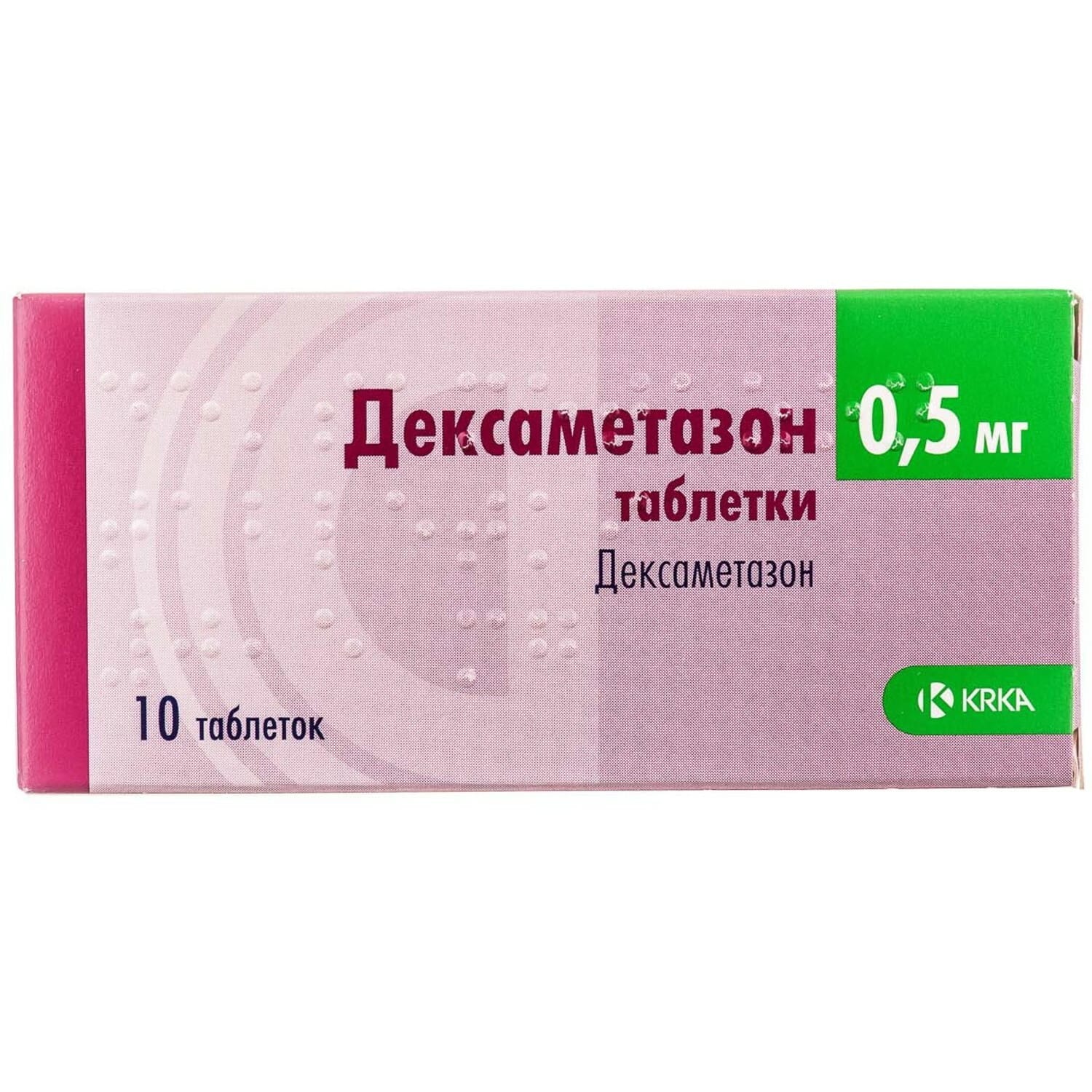
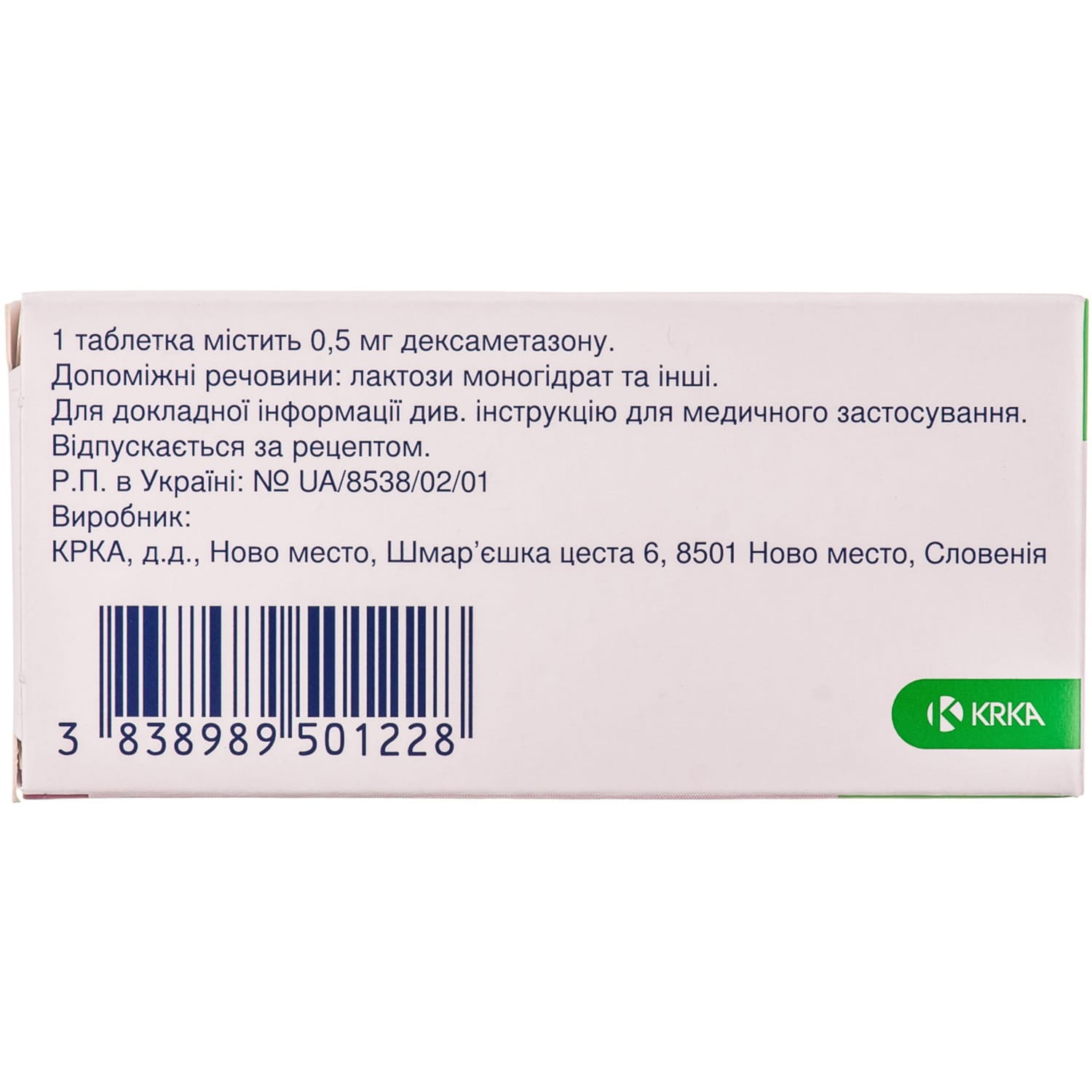

Dexamethasone tablets 0.5 mg blister 10 pcs.
$13.52
Free Worldwide Shipping
to: Australia, Belgium, Canada, Czechia, Denmark, Estonia, Finland, Greece, Hungary, Ireland, Israel, Italy, Japan, Kuwait, Latvia, Lithuania, Mexico, Moldova, Netherlands, Norway, Poland, Romania, Slovakia, South Korea, Switzerland, United Kingdom, United States and more
🏖️ Hello! We are on vacation!
We are still accepting orders on our website; however, order processing and shipping will resume after September 10. If you place an order during our vacation, we will contact you and remind you about the temporary shipping delay. Starting September 10, all orders received during this period will be processed and shipped in the order they were placed. If your order contains a product with less than one year remaining before its expiration date, we will notify you after September 10 and proceed according to your instructions. If you decide to cancel an order placed during our vacation, simply contact us through the contact form on our website, and we will be happy to assist you. Thank you for your understanding, and we apologize for any inconvenience caused.
In stock
Dexamethasone 0.5 mg tablets for endocrine, allergic, rheumatic and respiratory disorders. Helps control inflammation. Pack of 10 tablets for daily use
Payment
PayPal, Debit or Credit card, Google Pay, Apple Pay
Dexamethasone tablets are used for the following indications:
- Endocrine disorders.
- Rheumatic diseases.
- Systemic connective tissue diseases, vasculitic syndromes and amyloidosis.
- Skin diseases.
- Allergic diseases.
- Diseases of the organs of vision.
- Gastrointestinal diseases.
- Respiratory tract diseases.
- Hematological diseases.
- Kidney diseases.
- Kidney diseases.
- Brain swelling.
Composition
Active ingredient: dexamethasone;
1 tablet contains 0.5 mg of dexamethasone;
Excipients: lactose, pregelatinized starch, magnesium stearate, colloidal silicon dioxide.
Contraindication
Hypersensitivity to dexamethasone or any other ingredient of the drug. Acute viral, bacterial or systemic fungal infections (if appropriate therapy is not used), Cushing’s syndrome, vaccination with a live vaccine, and breastfeeding (except in urgent cases).
Method of application
The dose should be determined individually according to the specific patient’s disease, the intended period of treatment, tolerability of corticosteroids, and the body’s response.
Application features
Pregnant women
Dexamethasone should be administered to pregnant women only in rare urgent cases when the expected benefit to the mother outweighs the potential risk to the fetus.
Children
Use in children from birth only if absolutely necessary.
Drivers
Dexamethasone does not affect the ability to drive a car or use other mechanisms.
Overdose
There have been isolated reports of acute overdose or death due to acute overdose.
A single intake of an excessive number of tablets usually does not lead to clinically significant intoxication.
Overdose, usually only after several weeks of excessive doses, is manifested by symptoms of increased side effects described, in particular: primarily Cushing’s syndrome, acne, ecchymoses, hirsutism, nausea, anorexia, peptic ulcer disease, joint pain, myopathy, myalgia, shortness of breath, dizziness, loss of consciousness, fever, increased blood pressure, hyperlipidemia, osteoporosis, orthostatic hypotension, development of infections, steroid diabetes, “moon-shaped” face, sexual dysfunction.
Treatment. The dose of the drug should be reduced or the drug should be discontinued, further treatment is symptomatic. There is no specific antidote. Hemodialysis is not an effective method of accelerating the removal of dexamethasone from the body.
Side effects
The most common adverse reactions of short-term treatment are transient adrenal insufficiency, glucose intolerance, increased appetite and weight gain, and mental disorders; more rare adverse effects are allergic reactions, hypertriglyceridemia, gastric and duodenal ulcers, and acute pancreatitis.
Interaction
Concomitant use of nonsteroidal anti-inflammatory drugs or ethanol with dexamethasone increases the risk of gastrointestinal bleeding and ulceration.
The efficacy of dexamethasone is reduced when rifampicin, carbamazepine, phenobarbital, phenytoin, primidone, ephedrine, or aminoglutethimide are administered concomitantly, and the dose of dexamethasone should be increased in such combinations. Interactions between dexamethasone and all of the above drugs may distort the dexamethasone suppression test. This should be taken into account when interpreting the test results.
Storage conditions
Store in the original packaging to protect from light and moisture.
The medicinal product does not require special temperature storage conditions.
Keep out of reach of children.
Shelf life – 2 years.
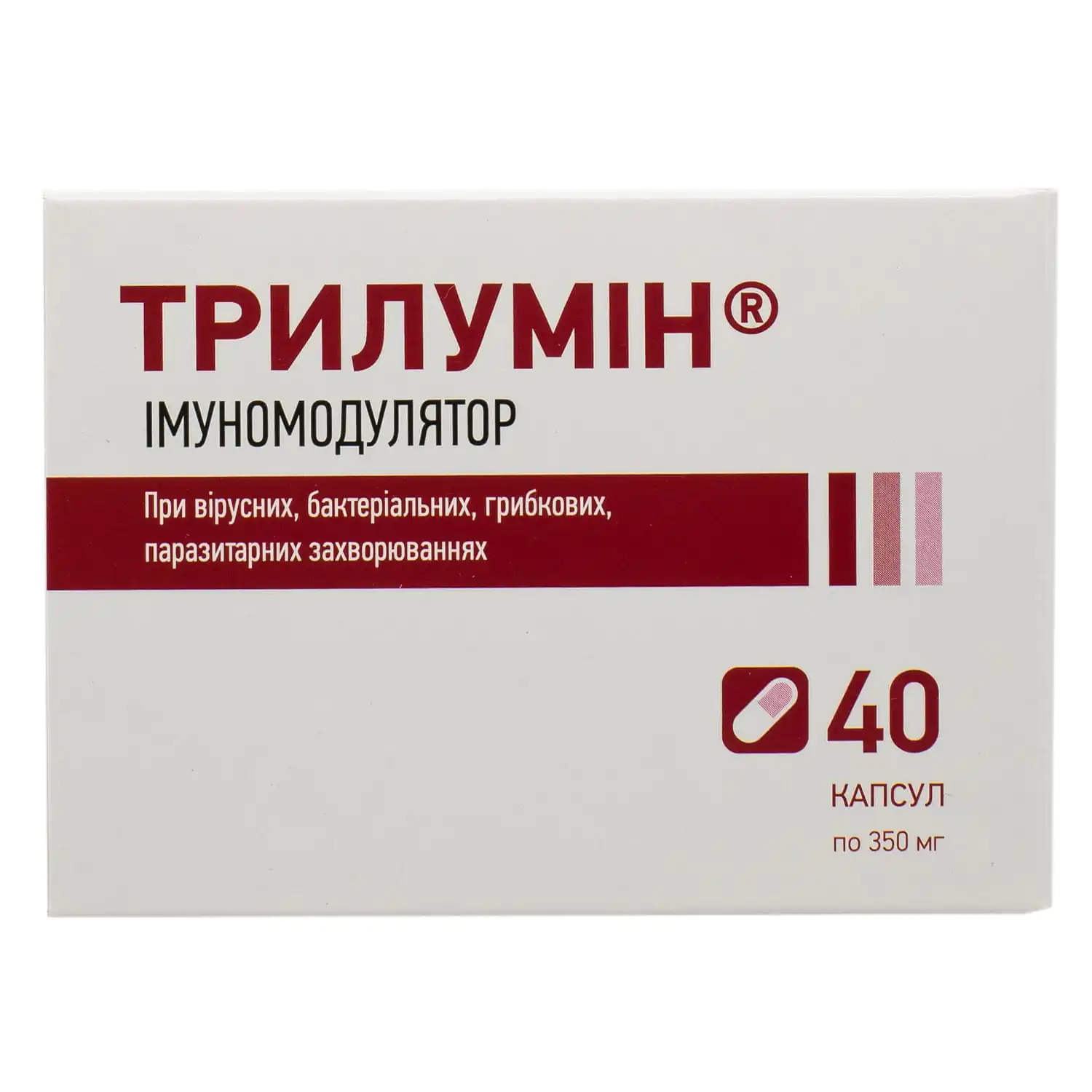
You may also like

Reviews
There are no reviews yet.