
🇦🇺 Australia
🇧🇪 Belgium
🇨🇦 Canada
🇨🇿 Czechia
🇩🇰 Denmark
🇪🇪 Estonia
🇫🇮 Finland
🇬🇷 Greece
🇭🇺 Hungary
🇮🇪 Ireland
🇮🇱 Israel
🇮🇹 Italy
🇯🇵 Japan
🇰🇼 Kuwait
🇱🇻 Latvia
🇱🇹 Lithuania
🇲🇽 Mexico
🇲🇩 Moldova
🇳🇱 Netherlands
🇳🇴 Norway
🇵🇱 Poland
🇷🇴 Romania
🇸🇰 Slovakia
🇰🇷 South Korea
🇨🇭 Switzerland
🇬🇧 United Kingdom
🇺🇸 United States of America
and more
🇦🇺 Australia
🇧🇪 Belgium
🇨🇦 Canada
🇨🇿 Czechia
🇩🇰 Denmark
🇪🇪 Estonia
🇫🇮 Finland
🇬🇷 Greece
🇭🇺 Hungary
🇮🇪 Ireland
🇮🇱 Israel
🇮🇹 Italy
🇯🇵 Japan
🇰🇼 Kuwait
🇱🇻 Latvia
🇱🇹 Lithuania
🇲🇽 Mexico
🇲🇩 Moldova
🇳🇱 Netherlands
🇳🇴 Norway
🇵🇱 Poland
🇷🇴 Romania
🇸🇰 Slovakia
🇰🇷 South Korea
🇨🇭 Switzerland
🇬🇧 United Kingdom
🇺🇸 United States of America
and more
$26.97


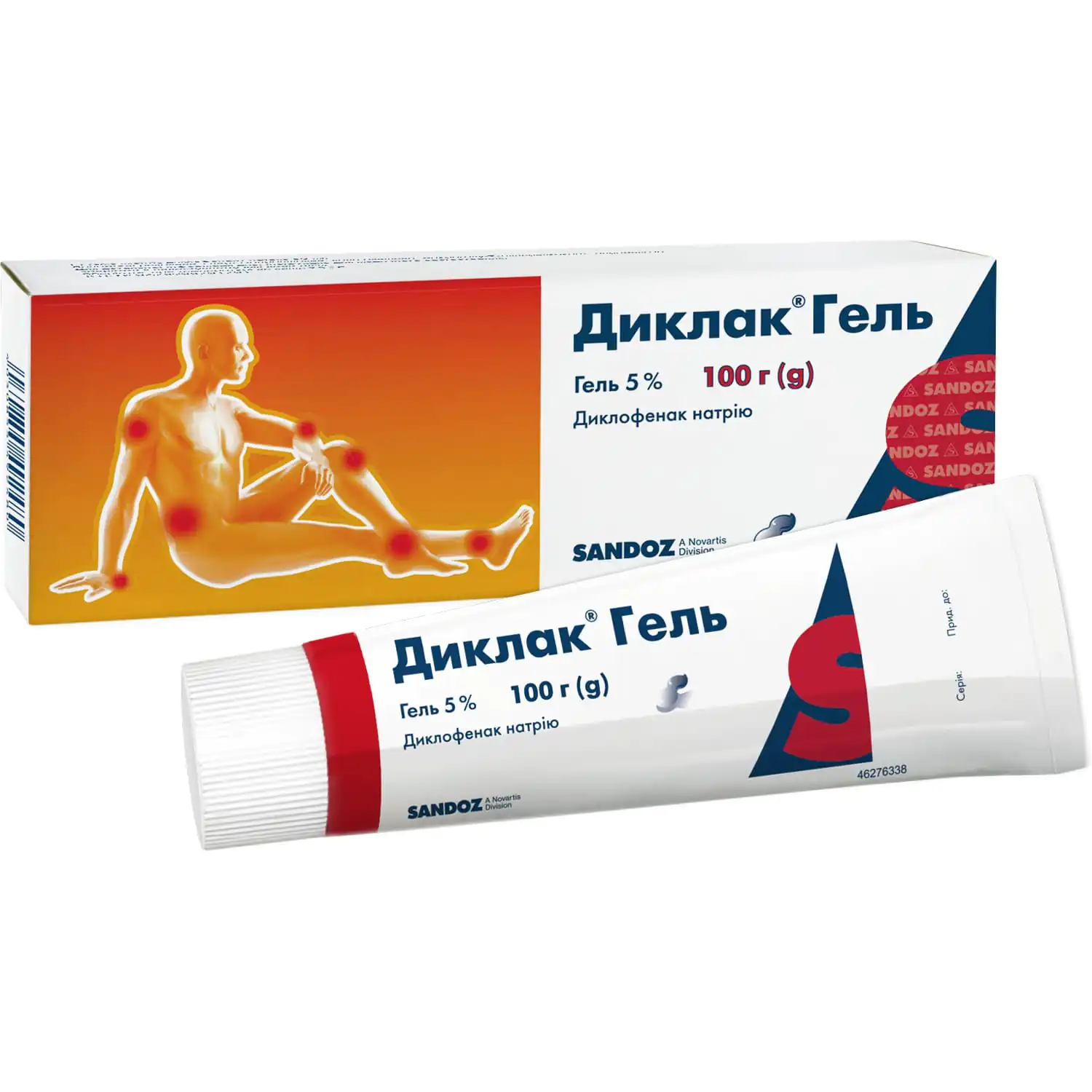
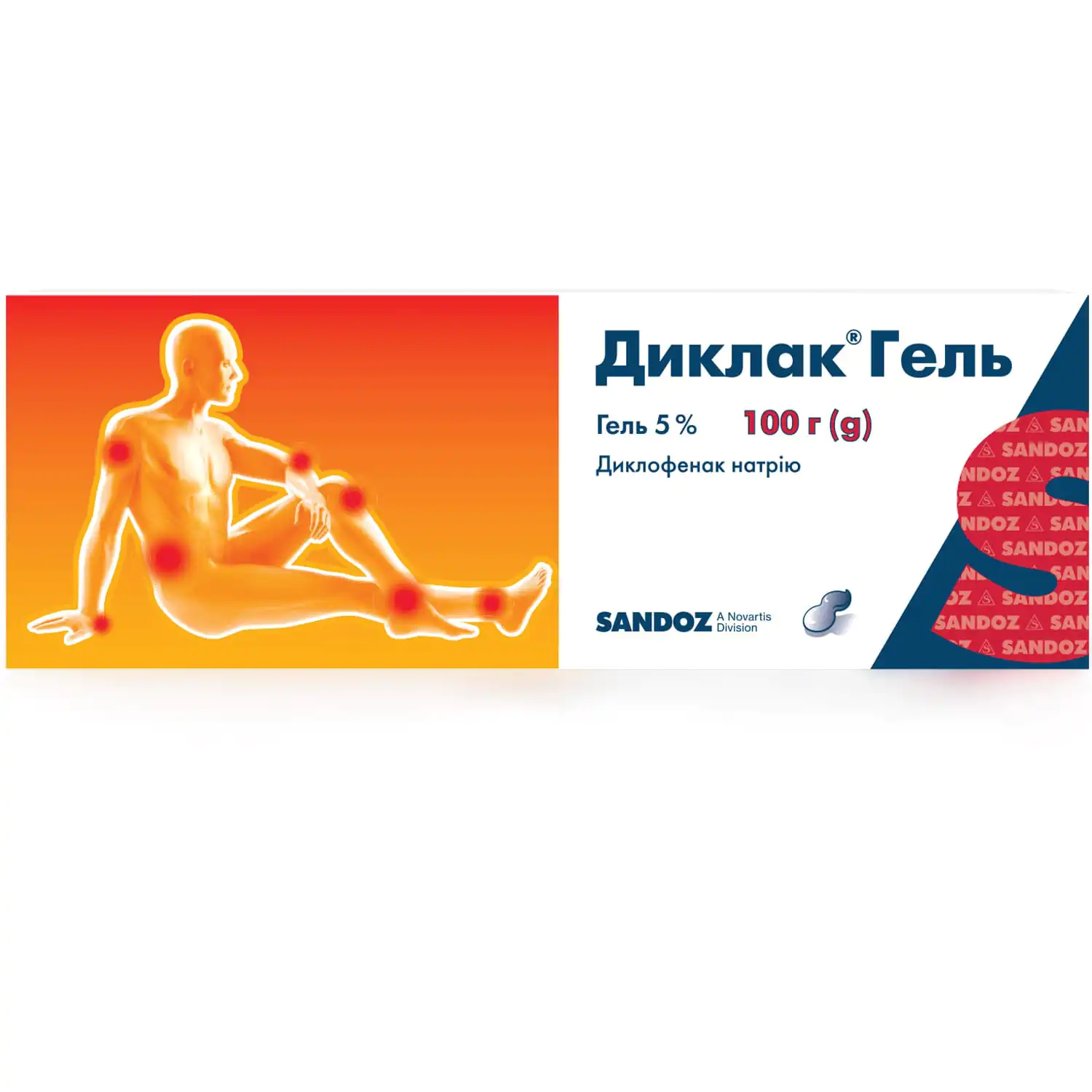
Diclac gel 5% tube 100 g
$23.19
Free Worldwide Shipping
to: Australia, Belgium, Canada, Czechia, Denmark, Estonia, Finland, Greece, Hungary, Ireland, Israel, Italy, Japan, Kuwait, Latvia, Lithuania, Mexico, Moldova, Netherlands, Norway, Poland, Romania, Slovakia, South Korea, Switzerland, United Kingdom, United States and more
🏖️ Hello! We are on vacation!
We are still accepting orders on our website; however, order processing and shipping will resume after September 10. If you place an order during our vacation, we will contact you and remind you about the temporary shipping delay. Starting September 10, all orders received during this period will be processed and shipped in the order they were placed. If your order contains a product with less than one year remaining before its expiration date, we will notify you after September 10 and proceed according to your instructions. If you decide to cancel an order placed during our vacation, simply contact us through the contact form on our website, and we will be happy to assist you. Thank you for your understanding, and we apologize for any inconvenience caused.
In stock
Diclac Gel – topical anti-inflammatory with diclofenac for joint, muscle, and tendon pain. Relieves inflammation, swelling, and stiffness.
Payment
PayPal, Debit or Credit card, Google Pay, Apple Pay
Diclac gel is used for the local treatment of pain and inflammation of joints, muscles, ligaments and tendons of rheumatic or traumatic origin.
Composition
- active ingredient: diclofenac;
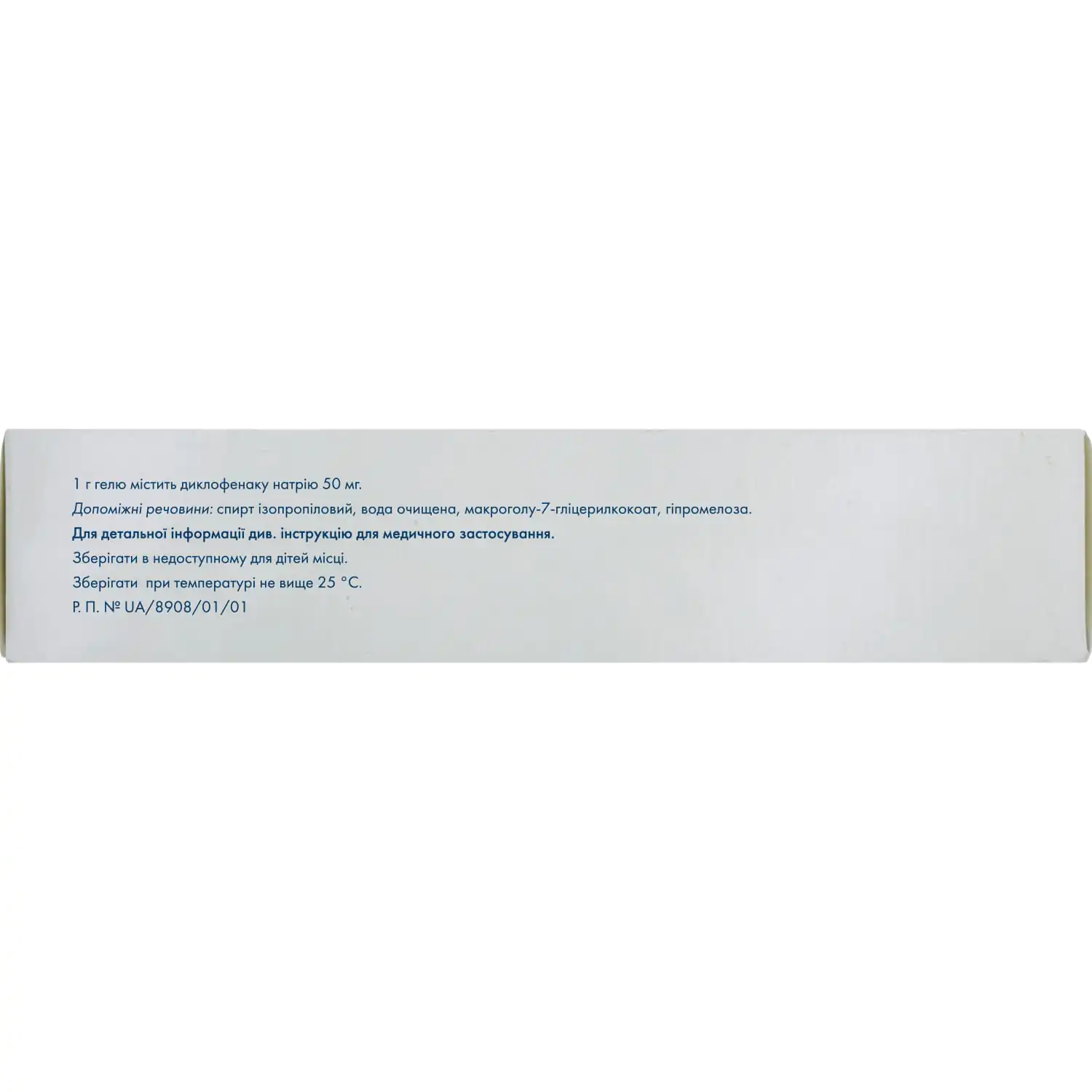
- 1 g of gel contains diclofenac sodium 50 mg;
- Excipients: isopropyl alcohol, purified water, macrogol-7-glyceryl cocoate, hypromellose.
Contraindication
Hypersensitivity to diclofenac or other nonsteroidal anti-inflammatory drugs, to isopropyl alcohol or to other components of the drug. History of attacks of bronchial asthma, urticaria, acute rhinitis, nasal polyps, angioedema caused by the use of acetylsalicylic acid or other nonsteroidal anti-inflammatory drugs. Last trimester of pregnancy. Children.
Adverse reactions
Diclac Gel is generally well tolerated. Adverse reactions include mild, transient skin reactions at the application site. In rare cases, allergic reactions may occur.
Infections and infestations: very rarely – pustular rashes.
Skin: uncommon – rash, itching, redness, eczema, exanthema, erythema, burning, the appearance of edema and vesicles, papules, pustules, peeling and dry skin, dermatitis (including contact dermatitis); rare – bullous dermatitis; very rare – photosensitivity reactions, generalized skin rashes, burning sensation of the skin.
On the part of the immune system: very rarely – hypersensitivity reactions (including urticaria), angioedema of the face, shortness of breath.
On the part of the respiratory system: very rarely – bronchial asthma.
Adverse reactions from the digestive system occur very rarely after topical application of preparations containing diclofenac.
When using the gel in high doses or applying it to large areas of skin, the possibility of systemic adverse reactions, as well as hypersensitivity reactions in the form of angioedema and dyspnea, cannot be ruled out.
Method of application
Diclac Gel should be applied 3–4 times a day, gently rubbing into the skin. The amount of the drug used depends on the size of the affected area (for example, 2–4 g of gel, which is the size of a cherry or walnut, is enough to apply to an area of 400–800 cm2).
After applying the drug, hands should be washed, except when this is the area to be treated.
The duration of therapy depends on the nature of the disease and the effectiveness of the treatment.
The drug should not be used for longer than 14 consecutive days.
In case of using the drug not as prescribed by a doctor, it is necessary to seek advice from him if after 7 days of treatment the patient’s condition has not improved or has worsened.
Application features
Use during pregnancy or breastfeeding
Like other nonsteroidal anti-inflammatory drugs, the drug is contraindicated during the third trimester of pregnancy due to the possibility of developing labor weakness, possible prolongation of bleeding time, impaired fetal renal function with subsequent oligohydramnios and/or the development of cardiopulmonary toxicity with premature closure of the ductus arteriosus and pulmonary hypertension. The use of the drug during the first two trimesters of pregnancy is allowed only if the expected benefit outweighs the potential risk to the fetus. In this case, women planning pregnancy and during the first two trimesters of pregnancy are recommended to reduce the dosage to the lowest possible level and shorten the duration of treatment.
It is not known whether diclofenac is excreted in breast milk when applied externally, therefore the use of the drug Diklak® Gel during breastfeeding is allowed only if the expected benefit, in the opinion of the doctor, outweighs the potential risk to the infant. If there are good reasons for using the drug during breastfeeding, the gel should not be applied to the mammary glands or large areas of skin and should not be used in larger quantities or for a longer period of time than recommended.
Children
There are no dosage recommendations and therapeutic indications for the use of the drug Diclac® Gel in children.
Ability to influence reaction speed when driving vehicles or other mechanisms
No effect.
Overdose
Overdose is unlikely due to the low absorption of diclofenac into the systemic bloodstream when applied topically. In case of accidental ingestion, it should be borne in mind that 1 tube of the drug of 100 g contains the equivalent of 1 g of diclofenac sodium; the development of systemic adverse reactions is possible.
In case of accidental ingestion, the stomach should be emptied immediately and an adsorbent should be used. Symptomatic treatment is indicated, using therapeutic measures that are used in case of poisoning with nonsteroidal anti-inflammatory drugs.
Interaction with other medicinal products and other types of interactions
Since the systemic absorption of diclofenac following topical application is very low, interactions are unlikely to occur.
Storage conditions
Store at a temperature not exceeding 25 °C.
Keep out of reach of children.
You may also like


Reviews
There are no reviews yet.