
🇦🇺 Australia
🇧🇪 Belgium
🇨🇦 Canada
🇨🇿 Czechia
🇩🇰 Denmark
🇪🇪 Estonia
🇫🇮 Finland
🇬🇷 Greece
🇭🇺 Hungary
🇮🇪 Ireland
🇮🇱 Israel
🇮🇹 Italy
🇯🇵 Japan
🇰🇼 Kuwait
🇱🇻 Latvia
🇱🇹 Lithuania
🇲🇽 Mexico
🇲🇩 Moldova
🇳🇱 Netherlands
🇳🇴 Norway
🇵🇱 Poland
🇷🇴 Romania
🇸🇰 Slovakia
🇰🇷 South Korea
🇨🇭 Switzerland
🇬🇧 United Kingdom
🇺🇸 United States of America
and more
🇦🇺 Australia
🇧🇪 Belgium
🇨🇦 Canada
🇨🇿 Czechia
🇩🇰 Denmark
🇪🇪 Estonia
🇫🇮 Finland
🇬🇷 Greece
🇭🇺 Hungary
🇮🇪 Ireland
🇮🇱 Israel
🇮🇹 Italy
🇯🇵 Japan
🇰🇼 Kuwait
🇱🇻 Latvia
🇱🇹 Lithuania
🇲🇽 Mexico
🇲🇩 Moldova
🇳🇱 Netherlands
🇳🇴 Norway
🇵🇱 Poland
🇷🇴 Romania
🇸🇰 Slovakia
🇰🇷 South Korea
🇨🇭 Switzerland
🇬🇧 United Kingdom
🇺🇸 United States of America
and more


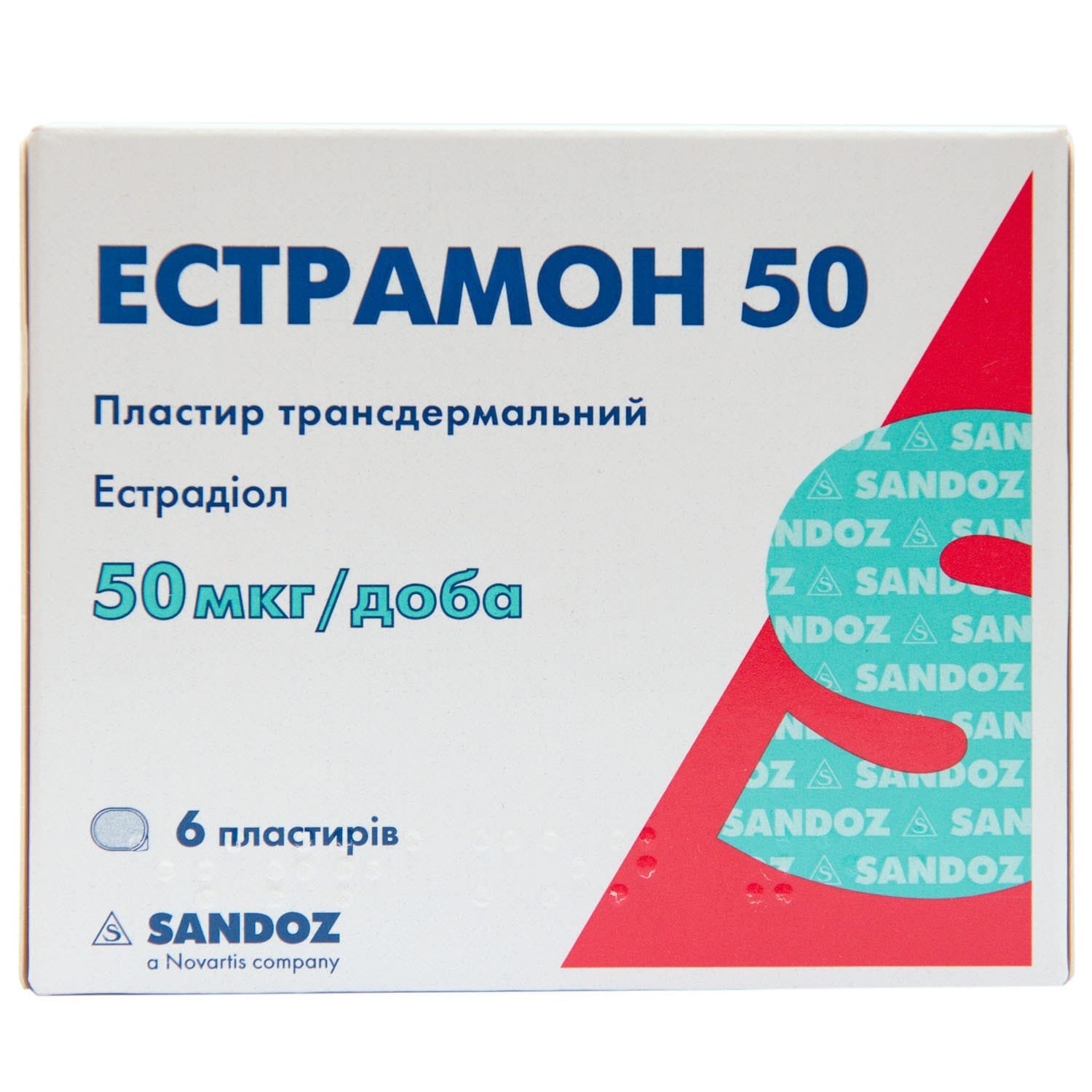
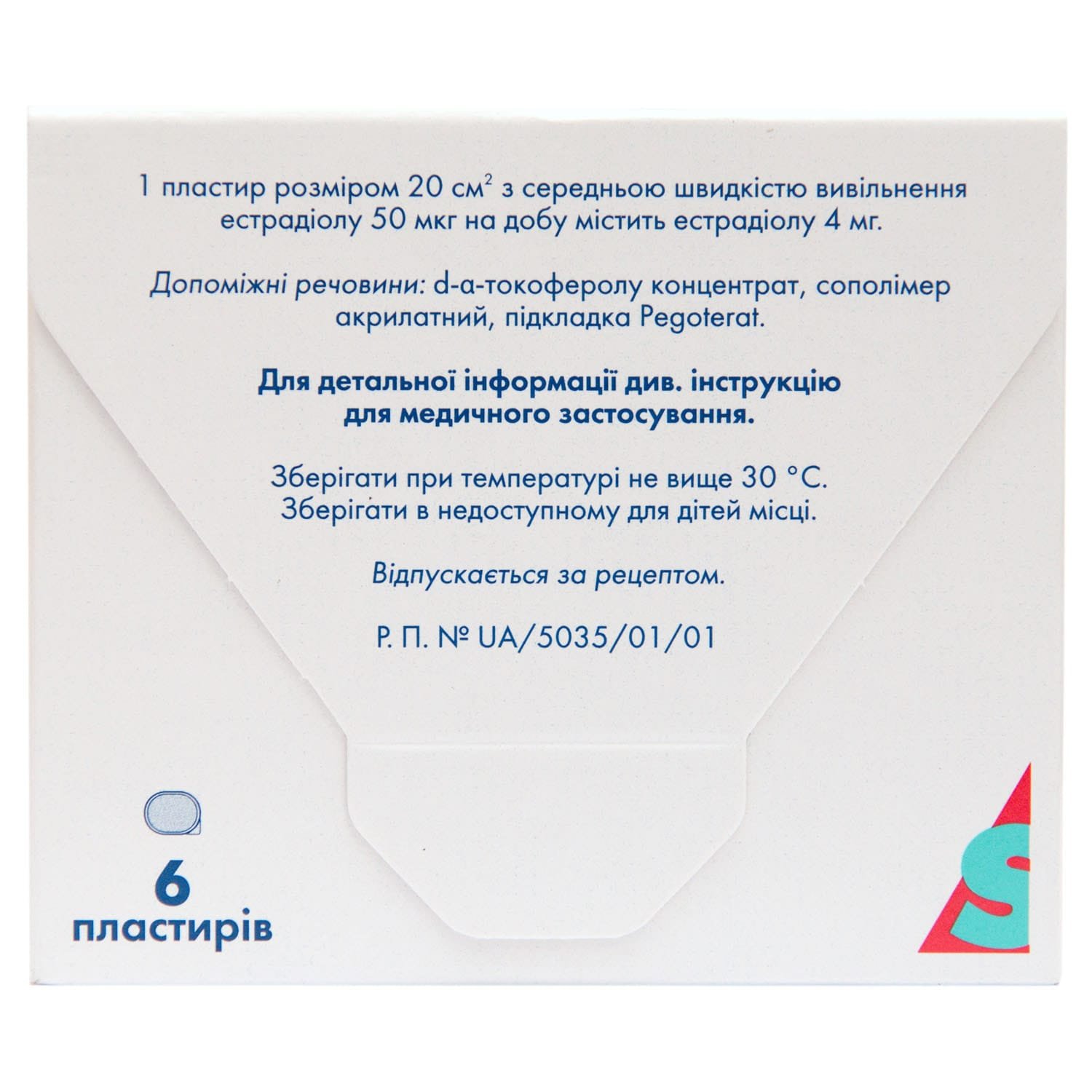


Estramon 50 transdermal patch 50 mcg/day in sachets 6 pcs.
$45.13
Free Worldwide Shipping
to: Australia, Belgium, Canada, Czechia, Denmark, Estonia, Finland, Greece, Hungary, Ireland, Israel, Italy, Japan, Kuwait, Latvia, Lithuania, Mexico, Moldova, Netherlands, Norway, Poland, Romania, Slovakia, South Korea, Switzerland, United Kingdom, United States and more
🏖️ Hello! We are on vacation!
We are still accepting orders on our website; however, order processing and shipping will resume after September 10. If you place an order during our vacation, we will contact you and remind you about the temporary shipping delay. Starting September 10, all orders received during this period will be processed and shipped in the order they were placed. If your order contains a product with less than one year remaining before its expiration date, we will notify you after September 10 and proceed according to your instructions. If you decide to cancel an order placed during our vacation, simply contact us through the contact form on our website, and we will be happy to assist you. Thank you for your understanding, and we apologize for any inconvenience caused.
In stock
Estramon 50 transdermal patch provides estradiol for hormone replacement therapy and osteoporosis prevention in postmenopausal women.
Payment
PayPal, Debit or Credit card, Google Pay, Apple Pay
Orders Temporarily Unavailable
Due to temporary postal service disruptions, we are currently unable to accept orders.
Pharmacological properties
Pharmacodynamics. The transdermal system contains estradiol, chemically and biologically identical to that synthesized in the human body. The action of estradiol at the receptor level is significantly stronger than the action of its metabolites (estrone and estriol). After menopause, most endogenous estrogens are produced by the conversion of androstenedione, which is secreted by the adrenal cortex, to estrone in peripheral tissues. Therefore, estrone and its sulfate conjugated form are the predominant estrogens in the bloodstream of postmenopausal women.
The decrease in ovarian estrogen production that occurs after menopause or oophorectomy leads to accelerated bone loss and resorption. Bone resorption occurs more rapidly than bone formation, especially in the first few years after menopause, when bone loss is greatest. In some women, these changes lead to reduced bone mass, osteoporosis, and an increased risk of fractures. Vertebral fractures are the most common type of osteoporosis-associated fracture in postmenopausal women. Postmenopausal women with undetectable plasma estradiol levels (5 pg/mL) and high levels of sex steroid-binding globulin are at increased risk for hip and vertebral fractures. Postmenopausal estrogen therapy rapidly normalizes bone resorption and formation, leading to restoration of bone balance. Protection is effective throughout treatment.
Pharmacokinetics. The use of estradiol in the form of a transdermal system ensures a long and uniform supply of it to the body. The concentration of estradiol in the blood plasma can be controlled, preventing overdose. After attaching the Estramon 50 patch, estradiol is well absorbed through intact skin, which ensures its stable level in the bloodstream during treatment. The calculated average daily rate of estradiol release is 50 μg/day. Unlike dosage forms for oral administration, transdermal use of estradiol prevents its intensive metabolism during the first passage through the liver. With continuous use of the Estramon 50 patch, the average concentration of estradiol in the blood plasma is about 34 mg/ml, C max – about 48 mg/ml. After removing the patch, the amount of estradiol decreases to the initial level within 12-24 hours.
Estradiol is metabolized in the liver to form estrone and its conjugates. The ratio of estradiol/estrone concentrations in blood plasma when using the patch varies within 0.2-0.5: 1, which corresponds to the physiological level. Estradiol is partially bound to blood plasma proteins.
Estradiol and its metabolites are mainly excreted in the urine in the form of glucuronides or sulfates, and also partially in the bile. T ½ – about 2-3 hours.
With repeated use, no accumulation of estradiol and estrone in blood plasma was detected.
Indication
Hormone replacement therapy for pre- and postmenopausal estrogen deficiency in women. Prevention of postmenopausal osteoporosis in women who have not been more than 5 years postmenopausal.
Application
Treatment should be started with the minimum effective dose.
It is recommended to apply 1 patch at intervals of 3-4 days (on average 2 times a week). If after 3 months of using the patch the symptoms of estrogen deficiency are eliminated, the dose can be increased, but the maximum dose should not exceed 100 mcg/day.
The Estramon 50 patch can be used at any time, but patients who are coming off cyclic therapy should start using the drug the day after the end of the previous treatment regimen.
For the prevention of postmenopausal osteoporosis in women, the patch is used at a dose of 50 mcg/day (1 patch with an interval of 3-4 days).
Experience with the use of the Estramon 50 patch in women over 65 years of age is limited.
Method of application:
1. Immediately before use, tear off the protective cover of the sachet by cutting it closer to the edge and remove the patch without damaging it.
2. The patch should be carefully folded up and down along the perforation until most of the release liner separates along the perforated strip from the adhesive surface of the transdermal patch. This part of the release liner is removed by one of the resulting edges.
3. The exposed adhesive surface of the patch is applied to healthy, cleansed skin on the outer surface of the thigh.
4. Then the convex part of the transdermal patch is slightly lifted so that the rest of the protective film can be removed, and fixed completely.
5. After the patch is completely fixed, it must be pressed with your hand for 10 seconds.
The patch should not be applied to the mammary glands. When using each new patch, the application site should be changed. Immediately before application, the skin area should be degreased, the skin should not be damaged or irritated. The patch should not be attached to areas from which it can move when sitting. After fixing the patch, make sure that it is well fixed, especially at the edges. If the patch does not hold, it should be pressed harder to strengthen it.
If the patch is applied correctly, the patient can bathe or shower as usual. However, it may come off the skin if it comes into contact with very hot water or in a sauna. The patch should be protected from direct sunlight.
If the patch has come off partially or completely before the prescribed time (less than 3-4 days), a new patch should be applied. If the next patch application is missed, a new patch should be applied as soon as possible.
Duration of treatment. The duration and regimen of treatment are determined by the doctor individually. The patch is used as mono- or in combination therapy.
With cyclical use, after 3 weeks of treatment, a 1-week break should be taken.
Continuous, non-cyclical treatment may be prescribed to women after hysterectomy or if symptoms of estrogen deficiency recur intensely during a treatment break.
Estrogen therapy should be supplemented with regular use of progestogens. Progestogens should be used during the last 12-14 days of each 28-day course of estradiol therapy.
Contraindication
Hypersensitivity to estradiol or to other components of the drug. diagnosed or suspected breast cancer; established or suspected estrogen-dependent malignant tumor (especially endometrial carcinoma); vaginal bleeding of unknown origin; untreated endometrial hyperplasia; history of idiopathic jaundice or thromboembolic venous diseases (especially deep vein thrombosis, pulmonary embolism); active or thromboembolic arterial diseases (especially angina, myocardial infarction); severe liver diseases (Club-Johnson, Rotor syndromes); porphyria; liver tumors at the present time or in the anamnesis (benign or malignant).
Side effects
Adverse effects are classified according to frequency of occurrence: very common (≥1/10), common (≥1/100, 1/10), uncommon (≥1/1000, 1/100), rare (≥1/10,000, 1/1000), very rare (1/10,000), unknown (frequency cannot be estimated due to lack of data).
Application site reactions (such as erythema and itching), headache, breast tenderness and pain, as well as painful sensations during menstruation and complaints throughout the menstrual cycle are the most common side effects when using the drug.
Immune system disorders: very rare – urticaria, anaphylactoid reactions, hypersensitivity (including anaphylactic reactions and angioedema).
Metabolism and nutrition disorders: sometimes – hypercholesterolemia, weight gain; very rarely – changes in carbohydrate tolerance.
Mental disorders: often – depression; sometimes – anxiety; very rarely – exacerbation of epilepsy.
Central nervous system disorders: very often – headache; often – nervousness, drowsiness, insomnia, mood swings, irritability, hot flashes; sometimes – headache, dizziness; rarely – paresthesia; very rarely – chorea.
Visual disturbances: sometimes – visual impairment, feeling of dryness in the eyes; very rarely – intolerance to contact lenses.
Cardiovascular system disorders: sometimes – arterial hypertension, tachycardia, loss of consciousness; rarely – venous thromboembolism, feeling of heaviness in the legs.
Gastrointestinal and liver disorders: sometimes – nausea, dyspepsia, flatulence, diarrhea, abdominal pain, increased appetite; sometimes – vomiting, constipation, increased levels of liver enzymes; rarely – changes in liver function and impaired bile outflow (formation of stones in the gallbladder).
Skin and subcutaneous tissue disorders: very common – application site reactions, including skin irritation, erythema; common – acne, skin rash, dry skin, itching; uncommon – skin discoloration; rare – alopecia; very rare – skin necrosis, excess hair, erythema multiforme, erythema nodosum and hemorrhagic rash, chloasma or melanosis.
Musculoskeletal and connective tissue disorders: sometimes – arthralgia, muscle spasms; rarely – myasthenia gravis.
Respiratory disorders: sometimes – sore throat.
Urinary system disorders: sometimes – dysuria, urinary tract infections.
Reproductive system and breast disorders: very often – a feeling of tension and pain in the mammary glands; sometimes – breast enlargement, uterine spasms, endometrial hyperplasia, vaginal discharge, increased secretion from the cervix, cervical neoplasm, uterine pathology, uterine/vaginal bleeding, including spotting, pelvic pain, endometrial pathology, vulvovaginitis, vaginal candidiasis, vaginal dryness, breast cancer, ovarian cyst, fibrocystic breast disease, breast cyst, abnormal cytological smear, uterine prolapse; rarely – uterine leiomyoma, extratubal cyst formation, endocervical polyps, galactorrhea.
General disorders: often – pain, dorsalgia, asthenia, peripheral edema, weight change; sometimes – malaise; rarely – changes in libido, allergic reactions.
Special instructions
Hormone replacement therapy should only be initiated for the treatment of postmenopausal symptoms that negatively affect quality of life. A careful assessment of the benefit-risk ratio of therapy should be performed at least once a year before starting or continuing the use of the Estramon 50 patch.
Application site reactions. With topical application of the patch, severe anaphylactic reactions and angioedema are very rarely possible. Reactions from the skin (urticaria, itching, swelling of the lips, tongue, larynx, face, extremities), respiratory tract (difficulty breathing) or gastrointestinal tract (abdominal pain, vomiting) are possible. If angioedema occurs, the use of the patch should be discontinued.
Estrogens can increase and exacerbate the symptoms of angioedema, particularly in women with a hereditary predisposition to it.
In the presence or exacerbation of any of the diseases or risk factors listed below, special monitoring of the patient’s health is recommended.
Venous thromboembolism: Studies with standard doses of estrogens, either alone or in combination with progestogens, suggest an increased risk of venous thromboembolism, i.e. deep vein thrombosis or pulmonary embolism. Therefore, the risk/benefit ratio of treatment should be carefully weighed.
Generally recognized risk factors for venous thromboembolism include personal history, family history (a case of VTE in close relatives at a relatively early age may indicate a genetic predisposition), and severe obesity. The risk of venous thromboembolism also increases with age. The role of varicose veins in the development of venous thromboembolism remains controversial.
The risk of venous thromboembolism may be temporarily increased during prolonged immobilization, after major elective or post-traumatic surgery or severe trauma. The question of temporarily discontinuing the use of Estramon 50 should be decided depending on the nature of the circumstances and the duration of immobilization.
Arterial thromboembolism. Clinical trials using a combination of conjugated estrogens and medroxyprogesterone acetate (MPA) in a continuous regimen indicate a possible increased risk of coronary heart disease during the 1st year of use. No cardiovascular benefits were observed with continued treatment. The results of the studies showed a potential reduction in the incidence of coronary heart disease in women aged 50-59 years who used estrogen monotherapy, in the absence of an overall benefit in the population. Another negative effect is an increase in the risk of stroke by 30-40% with estrogen monotherapy or their use in combination with MPA. However, dependence on the route of administration has not been established.
Endometrial cancer. Long-term monotherapy with standard doses of estrogens increases the risk of developing endometrial hyperplasia or cancer. When using the Estramon 50 patch, no significant stimulation of the endometrium was detected due to the low dose of estradiol in the drug. However, clinical monitoring of the health of women receiving estrogen therapy in postmenopausal women is necessary (for example, determination of endometrial thickness by transvaginal ultrasound once a year). In the presence of undiagnosed persistent or recurrent pathological vaginal bleeding, adequate diagnostic measures should be used to exclude malignancy, including endometrial biopsy if indicated.
Breast cancer: An increased risk of breast cancer has been reported in women who have used standard doses of estrogens alone or in combination with progestogens for many years. This may be due to earlier diagnosis, a stimulating effect on existing tumors, or a combination of both.
The relative risk increases with duration of treatment and may be minimal or unchanged with estrogen monotherapy.
An increased risk of breast cancer is noted, for example, with delayed onset of natural menopause, alcohol consumption, or obesity.
After a few years of hormone replacement therapy, the increased risk levels off.
It has been noted that tumors found in women who are receiving or have recently received hormone replacement therapy are characterized by a higher degree of differentiation than tumors found in women who have not received hormone replacement therapy. Data on the spread of detected tumors beyond the breast are inconclusive.
Hormone replacement therapy increases the density of images during mammography examinations, which may in some cases negatively affect the diagnosis of breast cancer.
The effect of the low dose of estrogen contained in the Estramon 50 patch on the risk of breast cancer has not been studied.
Ovarian cancer. An increased risk of ovarian cancer has been identified in women taking estrogen replacement therapy for a long period (10 years), while a meta-analysis of studies did not show an increased risk for women taking estrogen replacement therapy. In view of the above, the effect of replacement therapy on the development of ovarian cancer has not been established.
The effect of the low dose of estrogen contained in the Estramon 50 patch on the risk of ovarian cancer has not yet been studied.
Liver tumor. After the use of hormonal drugs, including estrogens, in some cases, the development of benign, and even more rarely – malignant liver tumors has been observed. In some cases, these tumors have been the cause of life-threatening intra-abdominal bleeding. In case of pain in the upper abdomen, liver enlargement or signs of intra-abdominal bleeding, the possibility of a liver tumor should be considered in the differential diagnosis.
Gallstone disease. Estrogens are known to increase the lithogenicity of bile. Some women are prone to gallbladder disease during estrogen treatment.
Dementia. There is no evidence that hormone therapy may increase the risk of dementia if treatment is initiated in women aged ≥65 years. The risk may be reduced if treatment is initiated early in menopause. It is not known whether this applies to other hormone replacement therapy products.
other states
Reasons for immediate discontinuation of therapy: Therapy should be discontinued immediately if any of the contraindications are identified, as well as if the following conditions and diseases occur:
- migraine-like, frequent and unusually severe headaches, appearing for the first time, or other symptoms that may be prodromal signs of cerebral vascular occlusion;
- recurrence of cholestatic jaundice or cholestatic pruritus, which was first noted during pregnancy or previous use of sex steroids;
- symptoms of thrombotic disorders or suspicion of their occurrence.
If a prolactinoma is suspected, the possibility of such a disease should be excluded before starting treatment.
Leiomyoma and uterine fibroids may increase in size under the influence of estrogens. In this case, therapy should be discontinued.
It is recommended to discontinue treatment if recurrence of endometriosis is noted during therapy.
Persistent skin irritation (e.g. persistent erythema or itching) may occur at the site of patch application.
A general association between the use of hormone replacement therapy and the development of clinical hypertension has not been established. A slight increase in blood pressure has been reported in women taking standard doses of estrogens in monotherapy or in combination with progestogens, clinically significant cases of increased blood pressure have been observed rarely.
Sex hormones may be poorly metabolized in patients with hepatic impairment. Although no first-pass effect has been demonstrated with transdermal administration of hormones, estrogens should be used with caution in such patients.
Available information does not indicate an increased risk of diabetes mellitus with the use of estradiol. Transdermal application of estrogen may be the most favorable form of administration for women with type II diabetes mellitus (insulin-dependent). Estramon 50 should be prescribed with caution to patients with type II diabetes mellitus and with additional risk factors (such as smoking, blood clotting disorders); patients should be regularly examined during its use.
In some cases, chloasma may occur, especially in women with a history of chloasma during pregnancy. When using the Estramon 50 patch, women prone to chloasma should avoid exposure to the sun or ultraviolet radiation.
It has been established that the following conditions and diseases may occur or be aggravated when using standard doses of estrogens in monotherapy or in combination with progestogens. Although there is no certainty that these changes are related to therapy, it is necessary to carefully observe patients who have epilepsy, benign breast diseases, asthma, migraine, porphyria, otosclerosis, systemic lupus erythematosus, chorea minor.
Medical examination/consultation
Before starting or resuming the use of the drug Estramon 50, it is necessary to carefully study the patient’s history and conduct a physical examination, taking into account contraindications (see Side effects) and warnings (section. Features of use), and periodically repeat such examinations. The frequency and nature of these examinations should be based on existing standards of medical practice, taking into account the individual characteristics of each patient. The examination is usually carried out on the pelvic organs, including standard cytological examination of the cervix, abdominal cavity, mammary glands, and measurement of blood pressure.
Use during pregnancy and breastfeeding. The drug is contraindicated during pregnancy and breastfeeding.
Children. The drug is not prescribed to children.
The ability to influence the reaction rate when driving vehicles or working with other mechanisms is unknown.
Interactions
The rate of metabolic conversion of estrogens may increase with the simultaneous use of agents that activate cytochrome P450 enzymes. Such active substances include phenobarbital, phenytoin, carbamazepine and antibacterial drugs (such as rifampicin, rifabutin, nevirapine and efavirenz).
Although ritonavir and nelfinavir are potent inhibitors, they acquire enzyme activator properties when used simultaneously with steroid hormones.
Herbal medicines containing St. John’s wort (Hypericum perforatum) also increase the metabolic conversion of estrogens.
Increased metabolism can lead to reduced hormone effectiveness and changes in uterine bleeding characteristics.
With transdermal use of estradiol, the effect of the first passage through the liver is eliminated, so the level of the hormone in the body in the presence of enzyme activators changes less significantly than with oral administration.
CYP 3A4 inhibitors, such as erythromycin, clarithromycin, ketoconazole, itraconazole, ritonavir and grapefruit juice, may increase plasma estrogen concentrations, which may lead to adverse effects.
Estrogens enhance the therapeutic effect and side effects of imipramine.
With simultaneous use with cyclosporine, an increase in the concentration of cyclosporine, creatinine and transaminases in the blood plasma is possible.
Estrogen may affect glucose tolerance and therapeutic response to insulin, therefore dose adjustment of antidiabetic drugs or insulin is necessary.
Estrogens may reduce the effect of antihypertensive drugs and anticoagulants.
Excessive alcohol consumption during hormone replacement therapy may lead to increased levels of estradiol in the bloodstream.
Taking sex steroids may affect the results of laboratory tests, including biochemical parameters of liver, thyroid, adrenal and renal function, levels of transport proteins such as corticosteroid-binding globulin and lipid/lipoprotein fractions, parameters of carbohydrate metabolism, and parameters of fibrinolysis.
Overdose
With this method of use, an overdose of estradiol is unlikely. Nausea, vomiting, and in some cases, withdrawal bleeding may occur.
There is no specific antidote. The patch should be removed. Treatment is symptomatic.
Storage conditions
At a temperature not exceeding 25 °C.
You may also like


Reviews
There are no reviews yet.