
🇦🇺 Australia
🇧🇪 Belgium
🇨🇦 Canada
🇨🇿 Czechia
🇩🇰 Denmark
🇪🇪 Estonia
🇫🇮 Finland
🇬🇷 Greece
🇭🇺 Hungary
🇮🇪 Ireland
🇮🇱 Israel
🇮🇹 Italy
🇯🇵 Japan
🇰🇼 Kuwait
🇱🇻 Latvia
🇱🇹 Lithuania
🇲🇽 Mexico
🇲🇩 Moldova
🇳🇱 Netherlands
🇳🇴 Norway
🇵🇱 Poland
🇷🇴 Romania
🇸🇰 Slovakia
🇰🇷 South Korea
🇨🇭 Switzerland
🇬🇧 United Kingdom
🇺🇸 United States of America
and more
🇦🇺 Australia
🇧🇪 Belgium
🇨🇦 Canada
🇨🇿 Czechia
🇩🇰 Denmark
🇪🇪 Estonia
🇫🇮 Finland
🇬🇷 Greece
🇭🇺 Hungary
🇮🇪 Ireland
🇮🇱 Israel
🇮🇹 Italy
🇯🇵 Japan
🇰🇼 Kuwait
🇱🇻 Latvia
🇱🇹 Lithuania
🇲🇽 Mexico
🇲🇩 Moldova
🇳🇱 Netherlands
🇳🇴 Norway
🇵🇱 Poland
🇷🇴 Romania
🇸🇰 Slovakia
🇰🇷 South Korea
🇨🇭 Switzerland
🇬🇧 United Kingdom
🇺🇸 United States of America
and more


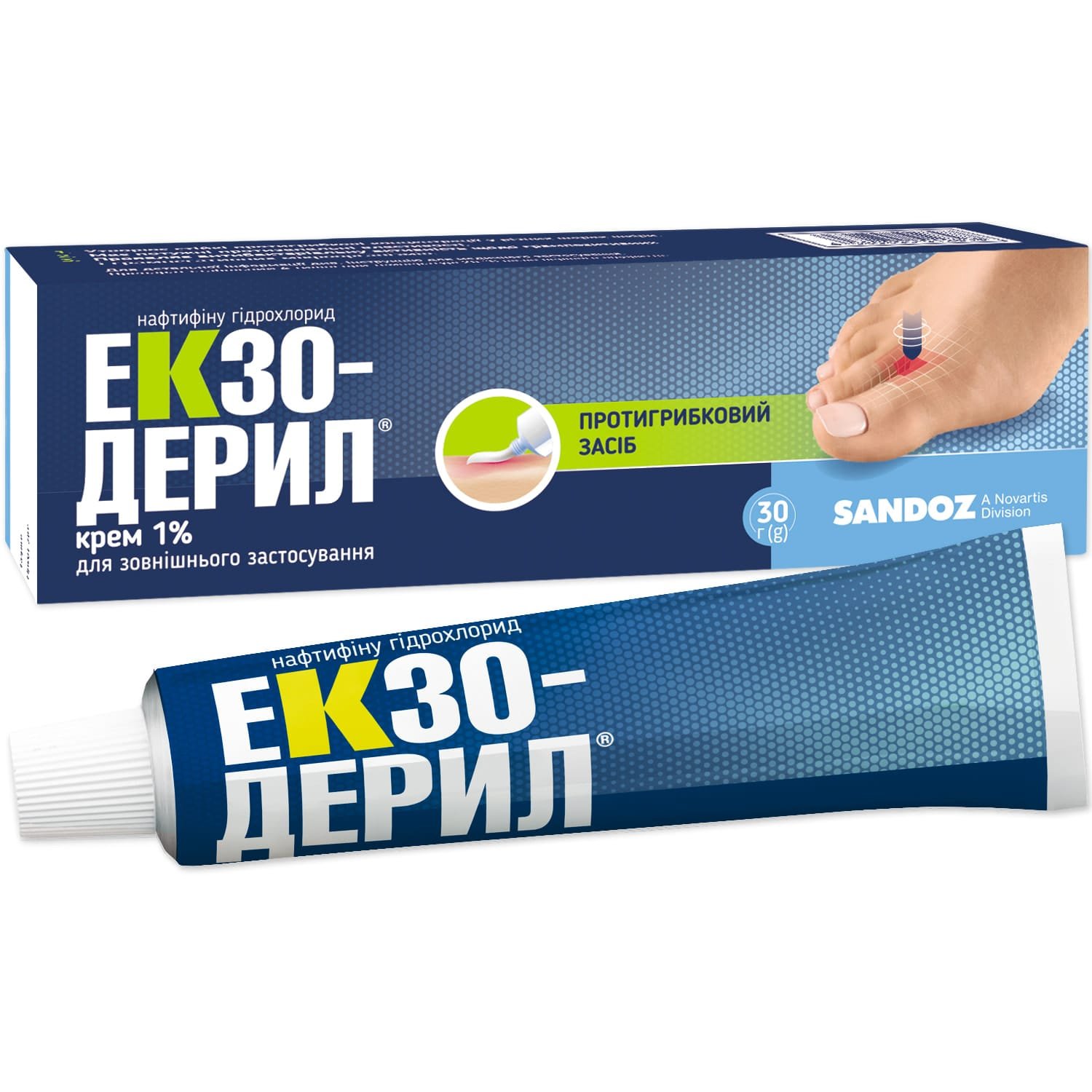
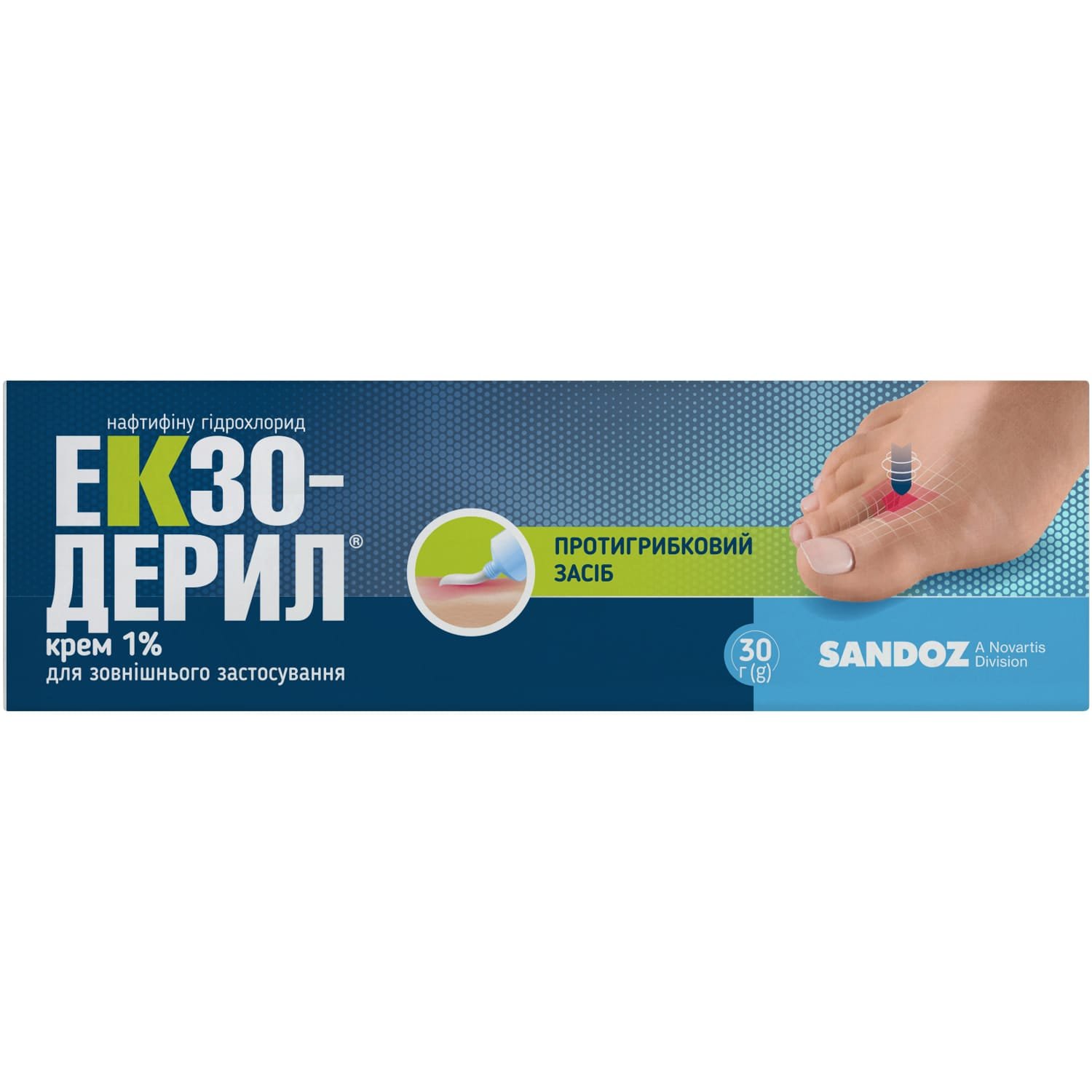
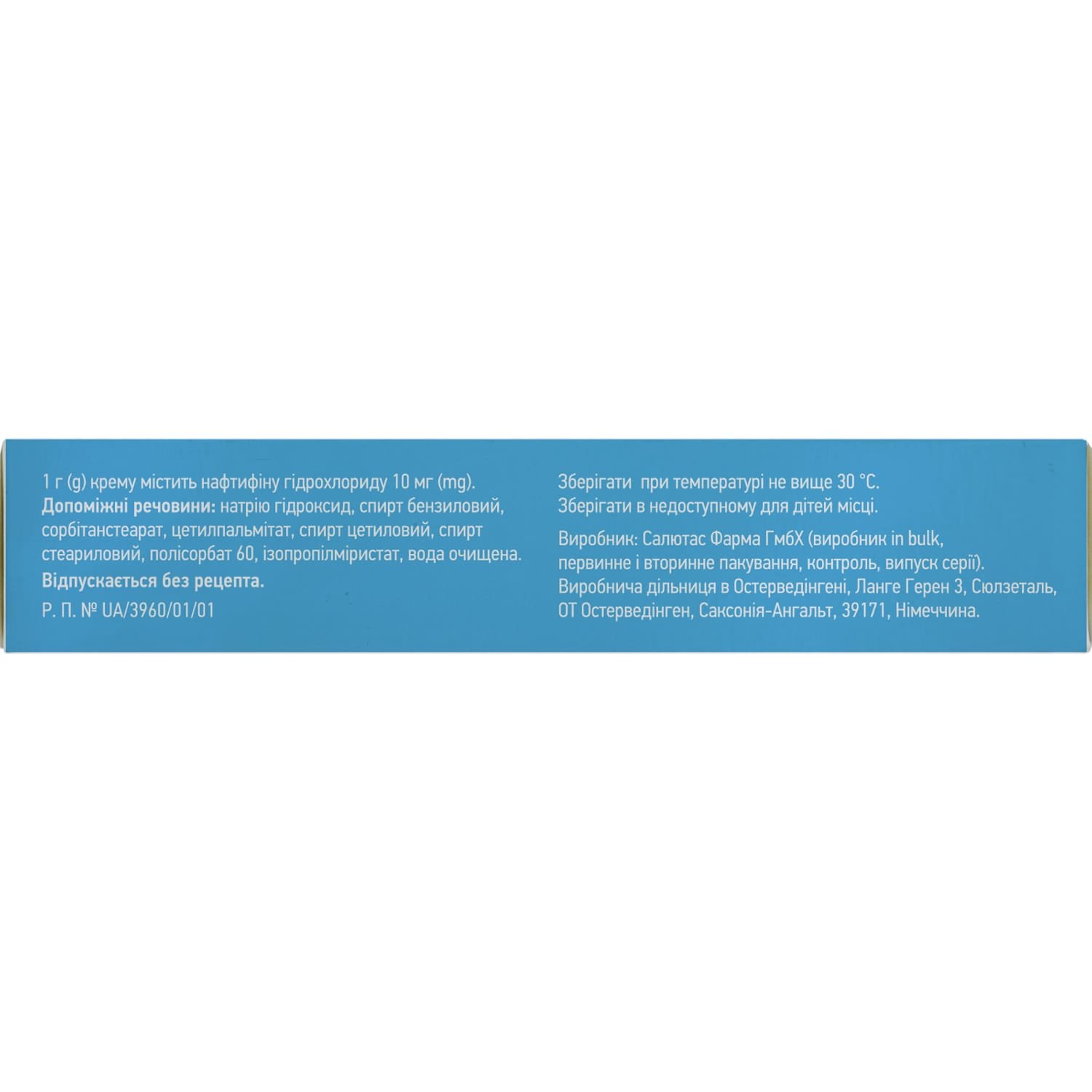
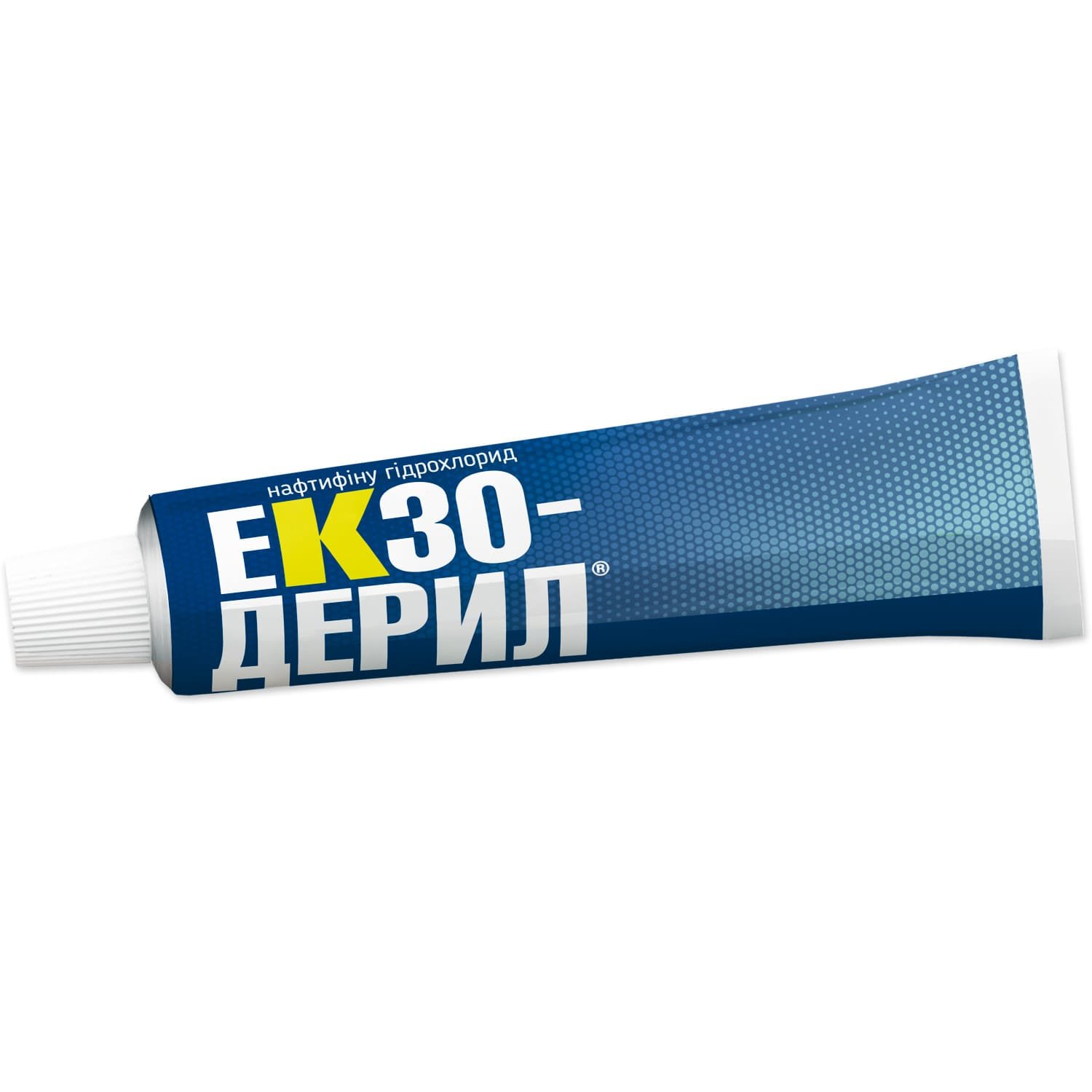


Please note: The product packaging may vary from the images shown. The contents, ingredients, and quality of the product remain unchanged.
Exoderil cream 1% tube 30 g
$26.29
Free Worldwide Shipping
to: Australia, Belgium, Canada, Czechia, Denmark, Estonia, Finland, Greece, Hungary, Ireland, Israel, Italy, Japan, Kuwait, Latvia, Lithuania, Mexico, Moldova, Netherlands, Norway, Poland, Romania, Slovakia, South Korea, Switzerland, United Kingdom, United States and more
🏖️ Hello! We are on vacation!
We are still accepting orders on our website; however, order processing and shipping will resume after September 10. If you place an order during our vacation, we will contact you and remind you about the temporary shipping delay. Starting September 10, all orders received during this period will be processed and shipped in the order they were placed. If your order contains a product with less than one year remaining before its expiration date, we will notify you after September 10 and proceed according to your instructions. If you decide to cancel an order placed during our vacation, simply contact us through the contact form on our website, and we will be happy to assist you. Thank you for your understanding, and we apologize for any inconvenience caused.
In stock
Exoderil cream/solution with naftifine treats fungal skin, nail, and candida infections. Antifungal, antibacterial, and anti-inflammatory action combined.
Payment
PayPal, Debit or Credit card, Google Pay, Apple Pay
Pharmacological properties
Pharmacodynamics. Exoderil is an antifungal agent of the allylamine class. Its active ingredient is naftifine hydrochloride, the mechanism of action of which is associated with the inhibition of the action of ergosterol.
Naftifine is active against dermatophytes such as Trichophyton, Epidermophyton and Microsporum, yeasts (Candida), molds (Aspergillus) and other fungi (e.g. Sporothrix Schenckii). Naftifine exhibits fungicidal activity against dermatophytes and Aspergillus in vitro, and fungicidal or fungistatic activity against yeasts, depending on the strain of the microorganism.
Exoderil also has antibacterial activity against gram-positive and gram-negative microorganisms, which can cause secondary bacterial infections along with mycotic lesions.
In addition, Exoderil has powerful anti-inflammatory properties.
Pharmacokinetics. Naftifine hydrochloride is rapidly absorbed and forms stable antifungal concentrations in different layers of the skin. Approximately 4% of the dose applied to the skin is absorbed, so the systemic exposure of the active substance is very low. Only trace amounts of naftifine are found in blood plasma and urine. The active substance is almost completely metabolized; metabolites have no antifungal activity and are excreted in feces and urine. T ½ is 2-4 days.
Indication
Topical treatment of fungal infections caused by pathogens sensitive to naftifine:
- fungal infections of the skin and skin folds;
- interdigital mycosis;
- fungal nail infections (onychomycosis);
- cutaneous candidiasis;
- tinea versicolor;
- inflammatory dermatomycosis, with or without itching.
Application
Exoderil should be applied to the affected skin surface and adjacent areas once a day after thorough cleansing and drying, capturing approximately 1 cm of healthy skin around the edges of the affected area.
Duration of treatment: for dermatomycosis – 2-4 weeks (if necessary – up to 8 weeks); for candidiasis – 4 weeks; for nail infections, it should be used 2 times a day with a treatment duration of up to 6 months.
Before the first use, it is necessary to remove as much of the affected part of the nail as possible with scissors or a nail file (to facilitate this procedure, on the recommendation of a doctor, the nails can be treated with a special softening agent).
To prevent relapse, treatment with the drug must be continued for at least 2 weeks after the main symptoms of the disease have disappeared.
Contraindication
Hypersensitivity to naftifine or excipients of the drug. The drug should not be applied to the wound surface. Do not use for eye treatment.
Side effects
The frequency of adverse reactions is defined as follows: very common (≥1/10), common (≥1/100, 1/10), uncommon (≥1/1000, 1/100), rare (≥1/10,000, 1/1000), very rare (1/10,000), frequency unknown (cannot be estimated from the available data).
General disorders: frequency unknown – in isolated cases local reactions may occur: dry skin, redness and burning, erythema, itching, local irritation.
Special instructions
The drug is used for skin and nail diseases only externally!
The drug in the form of a cutaneous solution contains ethanol, so avoid contact with the eyes and open wounds. The solution contains propylene glycol, which may cause skin irritation.
Use during pregnancy and breastfeeding. Data on the use of naftifine in pregnant women are absent or limited. The results of animal studies do not indicate the existence of a direct or indirect harmful effect of the drug on reproductive function. The drug can be used during pregnancy and breastfeeding only in case of extreme necessity after a careful assessment of the benefit/risk ratio, which is determined by the doctor.
Breastfeeding women should avoid contact of the drug with the skin and digestive tract of the baby.
Children. Data on the efficacy and safety of the drug in children are insufficient, therefore it is not recommended to prescribe Exoderil to patients in this age group.
The ability to influence the reaction speed when driving vehicles or working with other mechanisms. Does not affect.
Interactions
Interaction studies have not been conducted.
Overdose
Acute overdose with topical application of naftifine has not been observed.
Systemic intoxication with external use of the drug is unlikely due to the fact that a small amount of the active substance is absorbed through the skin.
In case of accidental ingestion of the drug, symptomatic treatment should be initiated.
Storage conditions
At a temperature not exceeding 30 °C. After opening the bottle, store the solution for 6 months at a temperature not exceeding 25 °C. Keep out of the reach of children.
You may also like


Permethrin ointment 4% 40 g “LMP”

Reviews
There are no reviews yet.