No products in the cart.

No products in the wishlist.

We deliver to:

🇦🇺 Australia

🇧🇪 Belgium

🇨🇦 Canada

🇨🇿 Czechia

🇩🇰 Denmark

🇪🇪 Estonia

🇫🇮 Finland

🇬🇷 Greece

🇭🇺 Hungary

🇮🇪 Ireland

🇮🇱 Israel

🇮🇹 Italy

🇯🇵 Japan

🇰🇼 Kuwait

🇱🇻 Latvia

🇱🇹 Lithuania

🇲🇽 Mexico

🇲🇩 Moldova

🇳🇱 Netherlands

🇳🇴 Norway

🇵🇱 Poland

🇷🇴 Romania

🇸🇰 Slovakia

🇰🇷 South Korea

🇨🇭 Switzerland

🇬🇧 United Kingdom

🇺🇸 United States of America

and more

  • Gripgo
  • Gripgo
Please note: The product packaging may vary from the images shown. The contents, ingredients, and quality of the product remain unchanged.

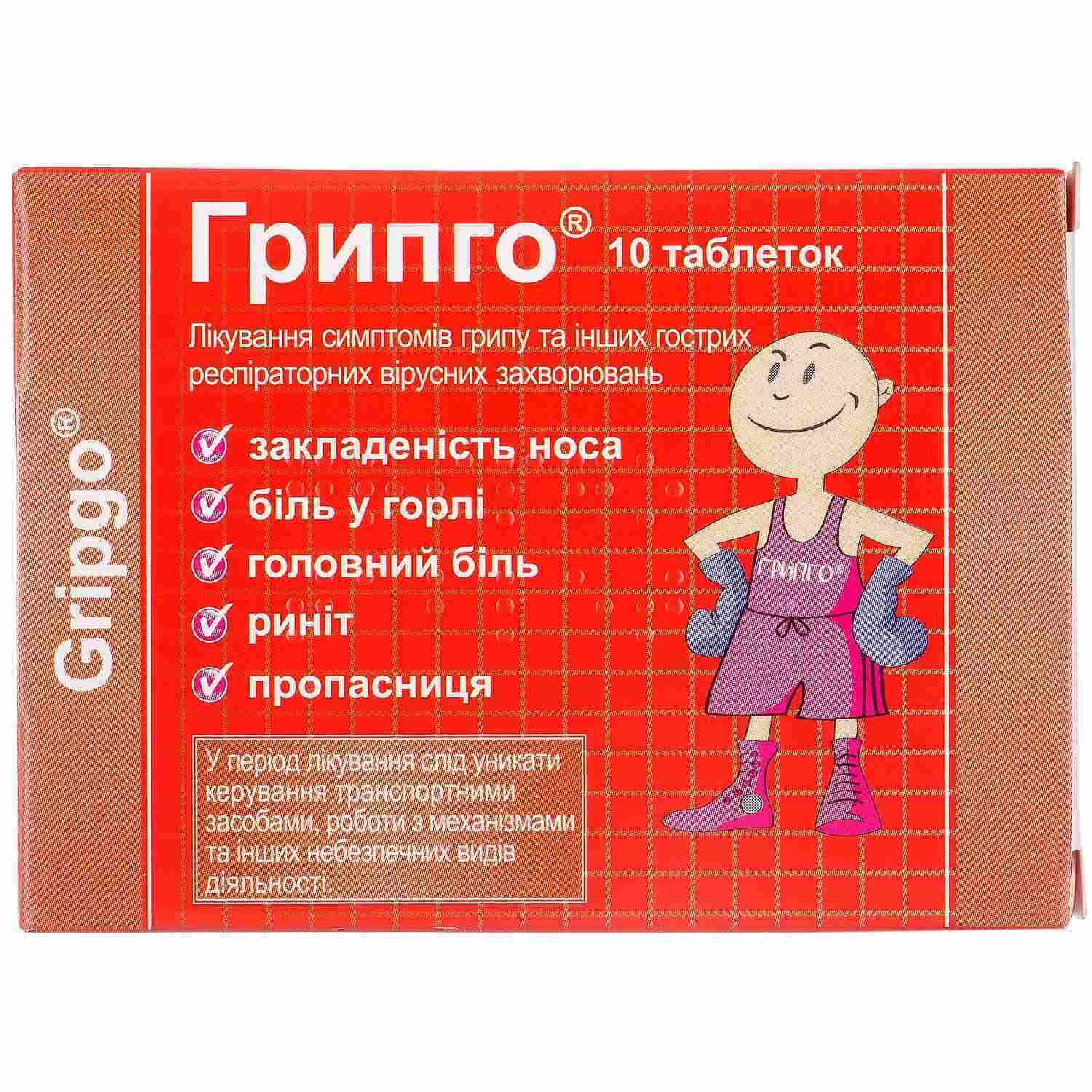
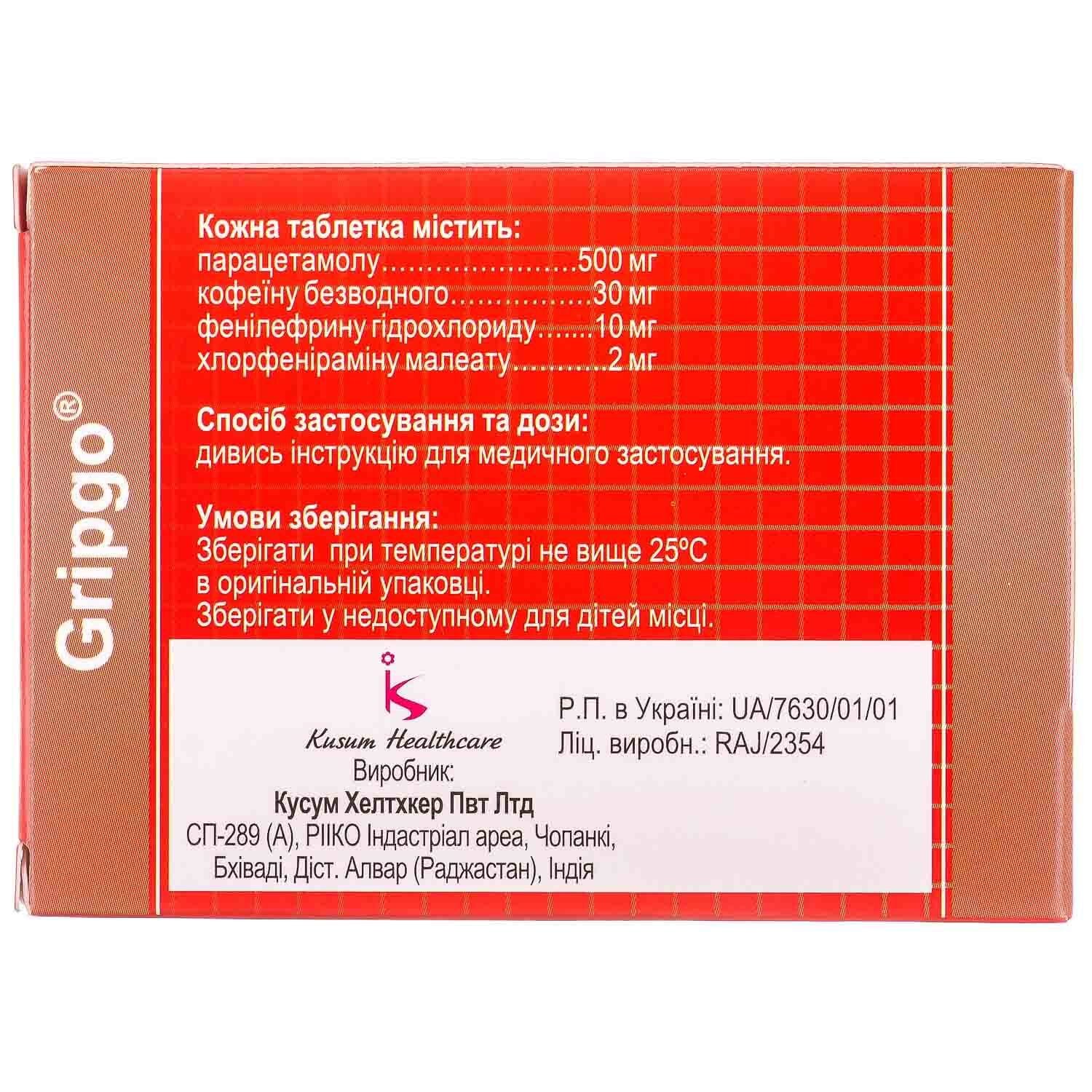
Gripgo tablets 100 pieces

$67.00

*All prices are in US dollars (USD)

Free Worldwide Shipping

to: Australia, Belgium, Canada, Czechia, Denmark, Estonia, Finland, Greece, Hungary, Ireland, Israel, Italy, Japan, Kuwait, Latvia, Lithuania, Mexico, Moldova, Netherlands, Norway, Poland, Romania, Slovakia, South Korea, Switzerland, United Kingdom, United States and more

🏖️ Hello! We are on vacation!

We are still accepting orders on our website; however, order processing and shipping will resume after September 10. If you place an order during our vacation, we will contact you and remind you about the temporary shipping delay. Starting September 10, all orders received during this period will be processed and shipped in the order they were placed. If your order contains a product with less than one year remaining before its expiration date, we will notify you after September 10 and proceed according to your instructions. If you decide to cancel an order placed during our vacation, simply contact us through the contact form on our website, and we will be happy to assist you. Thank you for your understanding, and we apologize for any inconvenience caused.

In stock

Gripgo tablets with paracetamol, caffeine, phenylephrine, and chlorpheniramine relieve flu and cold symptoms: fever, headache, congestion. Ages 12+.

Can’t find it? Ask us via WhatsApp, Telegram, Viber or chat

Payment

PayPal, Debit or Credit card, Google Pay, Apple Pay

or

Orders Temporarily Unavailable

Due to temporary postal service disruptions, we are currently unable to accept orders.

Pharmacological properties

Pharmacodynamics. Gripgo is a combined drug, the effect of which is due to the components that make up its composition.

Paracetamol is an analgesic-antipyretic that has antipyretic and analgesic properties, which are associated with the effect of paracetamol on the hypothalamic thermoregulation center and its ability to inhibit prostaglandin synthesis.

Caffeine is an alkaloid of the methylxanthine group, which directly stimulates the respiratory and vascular centers of the brain, improves physical and emotional state, thereby reducing the manifestations of asthenia in various diseases. It increases the analgesic effect of paracetamol.

Phenylephrine hydrochloride is a sympathomimetic that reduces swelling and hyperemia in the upper respiratory tract and sinuses, helping to improve nasal breathing. It stimulates mainly α-adrenoreceptors, which causes narrowing of peripheral vessels and a decrease in their permeability, and reduces the formation of mucous secretions.

Chlorpheniramine maleate is an antihistamine that reduces the allergic component of an infectious disease. Competitively blocks histamine H 1 receptors and prevents the development of histamine effects, eliminates the manifestations of rhinitis, itching in the nose, and stinging in the eyes.

Pharmacokinetics. Paracetamol is rapidly and almost completely absorbed in the gastrointestinal tract, C max in blood plasma is reached after 30-60 min. T ½ from blood plasma is 1-4 h. It is evenly distributed in all body fluids. Binding to blood proteins is variable. The duration of analgesic action is 4-6 h, antipyretic action is 6-8 h. It is excreted mainly by the kidneys in the form of conjugated metabolites, less than 5% is excreted unchanged.

Caffeine and its water-soluble salts are rapidly absorbed in the intestines (including the colon). T ½ from blood plasma is about 5-10 hours. The main part is demethylated and oxidized. About 10% is excreted by the kidneys in unchanged form.

Phenylephrine hydrochloride has low bioavailability due to uneven absorption and the effect of monoamine oxidase in the gastrointestinal tract and liver during the first pass. It is excreted by the kidneys in the form of metabolites. Acidification of urine accelerates excretion from the body.

Chlorpheniramine is slowly absorbed from the gastrointestinal tract, C max in blood plasma is reached after 2.5-6 hours, 70% binds to plasma proteins. Bioavailability is 25-50% of the dose taken. Chlorpheniramine is metabolized during the first pass through the liver, is largely metabolized in the liver with the formation of metabolites desmethyl- and didesmethylchlorpheniramine. Chlorpheniramine is distributed throughout the body, penetrates the blood-brain barrier. Metabolites and the drug are excreted mainly in the urine unchanged within 4-6 hours. Excretion depends on the pH of the urine and the degree of excretion. Children have a faster and more extensive absorption, excretion and T ½.

Indication

Symptomatic treatment of influenza and other acute respiratory viral infections: fever, headache, nasal congestion, rhinitis, sinusitis, sore throat, eye pain, muscle pain, cough.

Application

Adults and children over 12 years of age are prescribed 1 tablet 3-4 times a day. The maximum daily dose is 4 tablets. The maximum period of use without consulting a doctor is 3 days, further use is on the recommendation of a doctor.

Contraindication

Hypersensitivity to the components of the drug, other xanthine derivatives (theophylline, theobromine), precipitates, antihistamines, sympathomimetic amines. Severe cardiovascular diseases, including unstable angina, decompensated heart failure, conduction disorders, congenital prolonged QT interval or long-term use of drugs that prolong the QT interval, arrhythmia, bradycardia, severe atherosclerosis, including coronary vessels, tendency to vasospasm, severe form of coronary artery disease; severe hypertension, acute period of myocardial infarction, organic diseases of the cardiovascular system. Severe liver and kidney dysfunction. Prostate adenoma with difficulty urinating, acute urinary retention in prostatic hypertrophy, bladder neck obstruction. Gastric and duodenal ulcers in the acute stage, stenosing gastric and duodenal ulcers, pyloroduodenal obstruction; acute pancreatitis. epilepsy. blood diseases (including severe anemia, leukopenia), hematopoietic disorders. endocrine diseases (hyperthyroidism, diabetes mellitus, pheochromocytoma, thyrotoxicosis). lung diseases, including BA; risk of respiratory failure. glaucoma. glucose-6-phosphate dehydrogenase deficiency. alcoholism. increased excitability, sleep disorders, epilepsy, alcoholism. congenital hyperbilirubinemia. advanced age. simultaneous use with tricyclic antidepressants, β-adrenoceptor blockers; with MAO inhibitors and within 2 weeks after stopping their use.

Side effects


On the part of the immune system: hypersensitivity reactions, including anaphylaxis, skin itching, hyperemia, rash on the skin and mucous membranes (usually generalized rash, erythematous rash, urticaria), anaphylactic shock, angioedema, erythema multiforme exudative (including Stevens-Johnson syndrome), toxic epidermal necrolysis.

From the side of the central nervous system: psychomotor agitation and disorientation, anxiety, change in behavior, feeling of fear, anxiety, irritability, sleep disturbances, insomnia, drowsiness, dizziness, confusion, hallucinations, depressive states, tremor, tingling sensation and heaviness in the limbs, tinnitus, headache, dizziness, coma, convulsions, increased excitability, epileptic seizures, dyskinesia.

On the part of the respiratory system: bronchospasm in patients sensitive to acetylsalicylic acid and other nonsteroidal anti-inflammatory drugs, nasal congestion, sore throat, hoarseness of the voice.

On the part of the organ of vision: impaired vision and accommodation, mydriasis, increased intraocular pressure, dryness of the mucous membrane of the eyes.

Gastrointestinal: decreased appetite, nausea, vomiting, dry mouth, hypersalivation, heartburn, discomfort and pain in the epigastrium, exacerbation of gastric and duodenal ulcers, flatulence, diarrhea, constipation.

On the part of the hepatobiliary system: impaired liver function, increased activity of liver enzymes, usually without the development of jaundice, hepatonecrosis (when used in high doses), hepatotoxicity.

On the part of the endocrine system: hypoglycemia, up to hypoglycemic coma. Prolonged use in high doses may lead to damage to the insular apparatus of the pancreas (hyperglycemia, glucosuria) and impaired glycogen synthesis until the onset of diabetes mellitus.

Metabolic disorders: zinc and copper metabolism disorders.

From the blood and lymphatic system: anemia, including hemolytic anemia, bruising or bleeding, sulfhemoglobinemia and methemoglobinemia (cyanosis, shortness of breath, heart pain), thrombocytosis, hyperproteinemia, erythropenia, neutrophilic leukocytosis.

With prolonged use in high doses, aplastic anemia, pancytopenia, agranulocytosis, neutropenia, leukopenia, and thrombocytopenia are possible.

On the part of the kidneys and urinary system: when used in high doses – nephrotoxicity (including papillary necrosis), urination disorders, urinary retention and difficulty urinating, dysuria, interstitial nephritis, increased creatinine clearance, increased sodium and calcium excretion, aseptic pyuria, renal colic.

Prolonged use in high doses may lead to damage to the glomerular apparatus of the kidneys, crystalluria, and the formation of urate, cystine, and/or oxalate stones in the kidneys and urinary tract.

From the cardiovascular system: arterial hypertension, tachycardia or reflex bradycardia, arrhythmia, shortness of breath, heart pain, myocardial dystrophy (dose-dependent effect with prolonged use), palpitations.

Others: general weakness, increased sweating, possibly a false increase in the level of uric acid in the blood, determined by the Bittner method; slight increase in 5-hydroxyindoleacetic acid, vanillylmandelic acid and catecholamines in the urine.

Special instructions

Do not exceed the recommended dose. Do not use paracetamol-containing drugs simultaneously with other cold remedies; with sedatives, hypnotics.

If the symptoms of the disease do not disappear or the headache becomes constant, you should consult a doctor.

The risk of overdose increases with alcoholic liver disease. During treatment, alcohol should be avoided, as it enhances the sedative effect of chlorpheniramine maleate and the hepatotoxicity of paracetamol. It should be noted that patients with alcoholic non-cirrhotic liver disease are at increased risk of hepatotoxic effects of paracetamol. Patients who take daily analgesics for mild arthritis should consult a doctor before using the drug.

In patients with severe infections such as sepsis, which are accompanied by a decrease in glutathione levels, the risk of metabolic acidosis may be increased when taking paracetamol. Symptoms of metabolic acidosis include deep, rapid or difficult breathing, nausea, vomiting, loss of appetite. You should consult a doctor immediately if these symptoms occur.

When using the drug, you should avoid excessive consumption of coffee, strong tea, other tonic drinks and medications containing caffeine. This can cause sleep problems, tremors, tension, irritability, palpitations. Do not drink alcohol.

Use with caution in compensated heart failure, in patients at risk of seizures, in patients with chronic obstructive airway diseases, persistent or chronic cough resulting from smoking or emphysema, when the cough is accompanied by excessive sputum secretion. Use with caution in individuals prone to increased blood pressure.

The drug may affect the results of laboratory tests for blood glucose and uric acid. The use of the drug may cause a positive analytical result in doping control. With prolonged use, monitoring of peripheral blood and liver function is necessary. Before using the drug, it is necessary to consult a doctor if the patient uses warfarin or similar drugs that have an anticoagulant effect, and in patients with impaired kidney and liver function.

Phenylephrine may cause increased heart rate, dizziness, or palpitations; patients should be warned accordingly.

In case of accidental overdose, the patient should immediately consult a doctor, even if the condition has not worsened.

Keep the drug out of the reach of children.

Use during pregnancy and breastfeeding. Gripgo is contraindicated during pregnancy. Breastfeeding should be discontinued during treatment.

Children. Not prescribed for children under 12 years of age.

Ability to influence the reaction rate when driving vehicles or working with other mechanisms. During the period of treatment, driving vehicles, working with mechanisms and other dangerous activities should be avoided.

Interactions

For paracetamol. The rate of absorption of paracetamol may be increased by metoclopramide and domperidone and decreased by cholestyramine. The anticoagulant effect of warfarin and other coumarins may be enhanced by concomitant long-term regular daily use of paracetamol with an increased risk of bleeding. Intermittent use has no significant effect.

Barbiturates reduce the antipyretic effect of paracetamol.

Anticonvulsants (including phenytoin, barbiturates, carbamazepine), which stimulate the activity of liver microsomal enzymes, may enhance the toxic effect of paracetamol on the liver due to an increase in the degree of conversion of the drug into hepatotoxic metabolites. With the simultaneous use of paracetamol with hepatotoxic agents, the toxic effect of drugs on the liver increases.

Simultaneous use of paracetamol in high doses with isoniazid increases the risk of developing hepatotoxic syndrome. Paracetamol reduces the effectiveness of diuretics.

Do not use simultaneously with alcohol.

For caffeine. Caffeine, when used simultaneously, enhances the effect of analgesics-antipyretics (improves bioavailability), xanthine derivatives, α- and β-adrenomimetics, psychostimulants, thyroid-stimulating agents, ergotamine (improves the absorption of ergotamine in the gastrointestinal tract).

Cimetidine, hormonal contraceptives, and isoniazid enhance the effects of caffeine.

Caffeine increases the likelihood of liver damage from hepatotoxic drugs.

Caffeine reduces the effect of opioid analgesics, anxiolytics, hypnotics and sedatives, is an antagonist of anesthetics and other drugs that depress the CNS, a competitive antagonist of adenosine and ATP drugs; reduces the concentration of lithium in the blood.

Ototoxic and photosensitizing drugs may increase side effects when used simultaneously.

Caffeine reduces the hypotensive effect of guanethidine, which in turn increases the α-adrenostimulating activity of phenylephrine. Caffeine enhances the effect of indirect anticoagulants (coumarin derivatives). Metoclopramide increases, and cholestyramine reduces the rate of absorption of caffeine. Antidepressants, antiparkinsonian and antipsychotic drugs, phenothiazine derivatives increase the risk of urinary retention, dry mouth, constipation. GCS increase the risk of glaucoma.

For phenylephrine hydrochloride. Phenylephrine hydrochloride should not be used with α-adrenergic blockers, other antihypertensive agents, phenothiazine derivatives (e.g. promethazine), bronchodilator sympathomimetic agents, guanethidine, digitalis preparations, rauwolfia alkaloids, indomethacin, methyldopa, corticosteroids; drugs that affect appetite, amphetamine-like psychostimulants, labor stimulants, anesthetics, ergot alkaloids, other drugs that stimulate the central nervous system, theophylline.

The use of phenylephrine hydrochloride with indomethacin and bromocriptine can cause severe hypertension. The simultaneous use of phenylephrine hydrochloride with sympathomimetic amines, digoxin and cardiac glycosides increases the risk of arrhythmias and myocardial infarction.

It is possible to increase the vasoconstrictor effect of the drug when used simultaneously with labor stimulants and arrhythmias when used with anesthetics. It is possible to significantly increase blood pressure with simultaneous intravenous administration of ergot alkaloids.

Atropine sulfate blocks the reflex bradycardia caused by phenylephrine and increases the vasopressor response to phenylephrine. Concomitant administration of phenylephrine with β-adrenergic blockers may lead to hypertension and excessive bradycardia with possible heart block. It should be used with caution with thyroid hormones, drugs that affect cardiac conduction (cardiac glycosides, antiarrhythmic drugs). When used simultaneously with drugs that cause potassium excretion, for example, with some diuretics such as furosemide, hypokalemia and decreased arterial sensitivity to vasopressor drugs such as phenylephrine may be increased.

Should not be used simultaneously with other vasoconstrictors (by any route of administration).

Concomitant administration of phenylephrine and other sympathomimetics may result in additional CNS stimulation to an extremely high level, accompanied by nervousness, irritability, and insomnia. Convulsions are also possible. In addition, concomitant administration of other sympathomimetics simultaneously with phenylephrine may lead to an increase in the vasoconstrictor or cardiovascular effects of either drug.

For chlorpheniramine maleate. Chlorpheniramine enhances the anticholinergic effect of atropine, antispasmodics, CNS depressants (tranquilizers, barbiturates), and antiparkinsonian drugs.

Do not use simultaneously with alcohol. Chlorpheniramine and alcohol, when used simultaneously, enhance each other’s effects.

Concomitant use with hypnotics, barbiturates, sedatives, neuroleptics, tranquilizers, anesthetics, narcotic analgesics, and alcohol enhances the effect of chlorpheniramine maleate.

Maprotiline (tetracyclic antidepressant) and other anticholinergic drugs: the anticholinergic effect of these drugs or antihistamines such as chlorpheniramine may be enhanced.

Overdose

Liver damage is possible in adults who have taken 10 g or more of paracetamol, and in children who have taken 150 mg/kg of body weight. In patients with risk factors (long-term treatment with carbamazepine, phenobarbital, phenytoin, primidone, rifampicin, St. John’s wort or other drugs that induce liver enzymes; regular use of excessive amounts of ethanol; glutathione cachexia (digestive disorders, cystic fibrosis, HIV infection, starvation, cachexia)) the use of 5 g or more of paracetamol can lead to liver damage.

Symptoms of overdose in the first 24 hours: pallor, nausea, vomiting, anorexia and abdominal pain. Liver damage may become apparent 12-48 hours after overdose. Glucose metabolism disorders and metabolic acidosis may occur. In severe poisoning, liver failure may progress to encephalopathy, hemorrhage, hypoglycemia, coma and death. AKI with acute tubular necrosis may present with severe lumbar pain, hematuria, proteinuria and develop even in the absence of severe liver damage. Arrhythmia and pancreatitis have also been reported.

With prolonged use of the drug in high doses, aplastic anemia, pancytopenia, agranulocytosis, neutropenia, leukopenia, thrombocytopenia may develop from the hematopoietic system. When taking high doses, dizziness, psychomotor agitation and disorientation may occur from the CNS; nephrotoxicity (renal colic, interstitial nephritis, capillary necrosis) may occur from the urinary system.

Symptoms of overdose caused by the action of phenylephrine and chlorpheniramine maleate: headache, hyperhidrosis, drowsiness, insomnia, behavioral changes, anxiety, irritability, tremor, convulsions, hyperreflexia, dizziness, nausea, vomiting, tachycardia, arrhythmia, extrasystole.

In case of overdose with chlorpheniramine maleate, the state may vary from depressed to excited (restlessness and convulsions). Atropine-like symptoms may occur, including mydriasis, photophobia, dryness of the skin and mucous membranes, fever, intestinal atony; CNS depression is accompanied by impaired respiratory and cardiovascular function.

In case of caffeine overdose, the following symptoms are noted: dehydration, hyperthermia, tinnitus, epigastric pain, increased diuresis frequency, extrasystole, tachycardia, rapid breathing, arrhythmia, effects on the CNS (dizziness, insomnia, excitement, irritability, psychomotor agitation, state of affect, anxiety, tremor, vomiting, seizures, convulsions, agitation, restlessness, delirium, increased tactile or pain sensitivity).

Treatment of overdose. In case of overdose, emergency medical attention is required. The patient should be hospitalized immediately, even if there are no early symptoms of overdose. Symptoms may be limited to nausea and vomiting or may not reflect the severity of the overdose or the risk of organ damage. Treatment with activated charcoal should be considered if an overdose of paracetamol has been taken within 1 hour. The concentration of paracetamol in the blood plasma should be measured 4 hours or later after ingestion (earlier concentrations are unreliable). Treatment with N-acetylcysteine ​​can be used within 24 hours of paracetamol ingestion, but the maximum protective effect occurs when it is used within 8 hours after ingestion. The effectiveness of the antidote decreases sharply after this time. If necessary, the patient should be administered N-acetylcysteine ​​​​iv according to the established dose list. In the absence of vomiting, oral methionine can be used as a suitable alternative at the pre-hospital level.

Storage conditions

At a temperature not exceeding 25 °C.

Reviews

There are no reviews yet.

Be the first to review “Gripgo tablets 100 pieces”

Your email address will not be published. Required fields are marked