
🇦🇺 Australia
🇧🇪 Belgium
🇨🇦 Canada
🇨🇿 Czechia
🇩🇰 Denmark
🇪🇪 Estonia
🇫🇮 Finland
🇬🇷 Greece
🇭🇺 Hungary
🇮🇪 Ireland
🇮🇱 Israel
🇮🇹 Italy
🇯🇵 Japan
🇰🇼 Kuwait
🇱🇻 Latvia
🇱🇹 Lithuania
🇲🇽 Mexico
🇲🇩 Moldova
🇳🇱 Netherlands
🇳🇴 Norway
🇵🇱 Poland
🇷🇴 Romania
🇸🇰 Slovakia
🇰🇷 South Korea
🇨🇭 Switzerland
🇬🇧 United Kingdom
🇺🇸 United States of America
and more
🇦🇺 Australia
🇧🇪 Belgium
🇨🇦 Canada
🇨🇿 Czechia
🇩🇰 Denmark
🇪🇪 Estonia
🇫🇮 Finland
🇬🇷 Greece
🇭🇺 Hungary
🇮🇪 Ireland
🇮🇱 Israel
🇮🇹 Italy
🇯🇵 Japan
🇰🇼 Kuwait
🇱🇻 Latvia
🇱🇹 Lithuania
🇲🇽 Mexico
🇲🇩 Moldova
🇳🇱 Netherlands
🇳🇴 Norway
🇵🇱 Poland
🇷🇴 Romania
🇸🇰 Slovakia
🇰🇷 South Korea
🇨🇭 Switzerland
🇬🇧 United Kingdom
🇺🇸 United States of America
and more


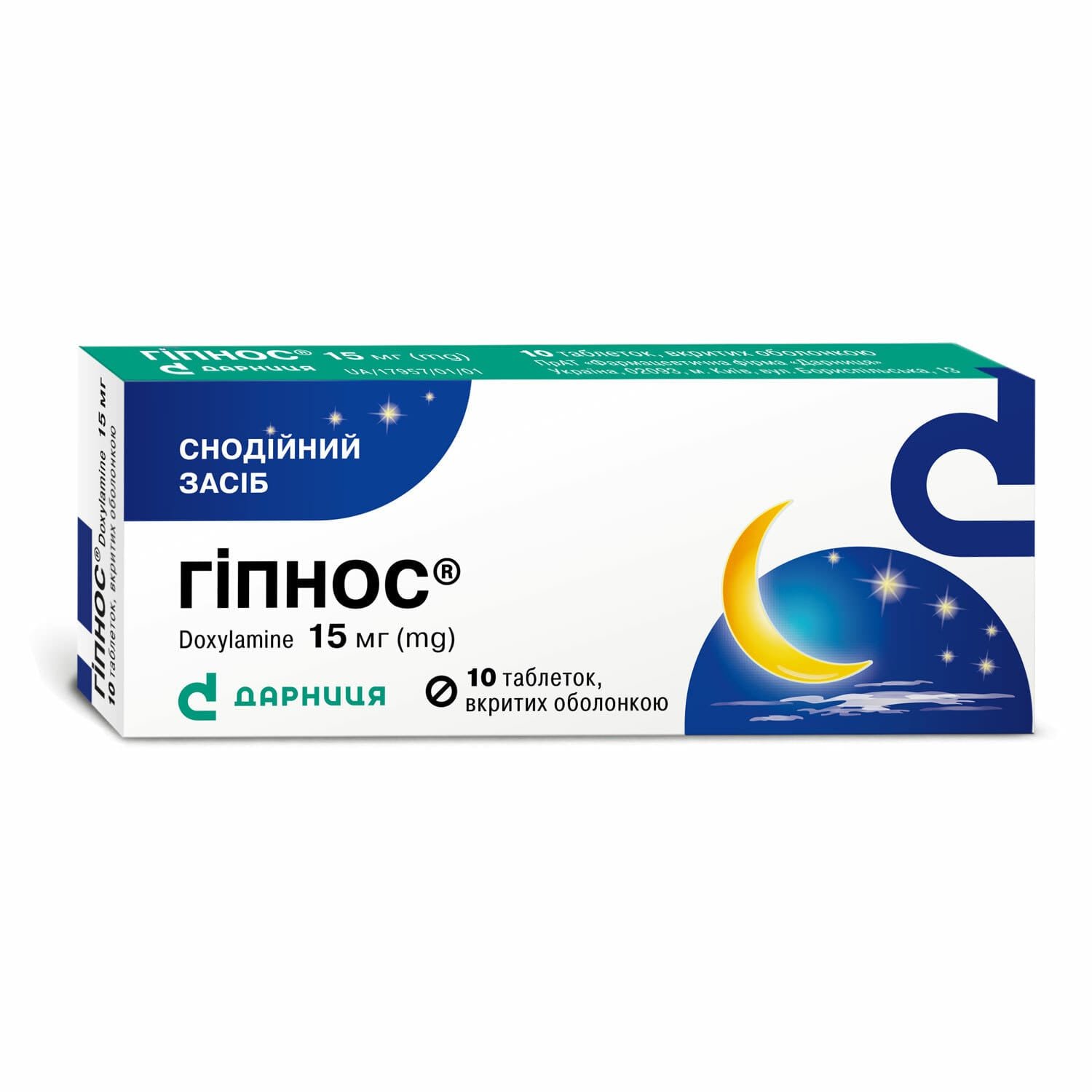
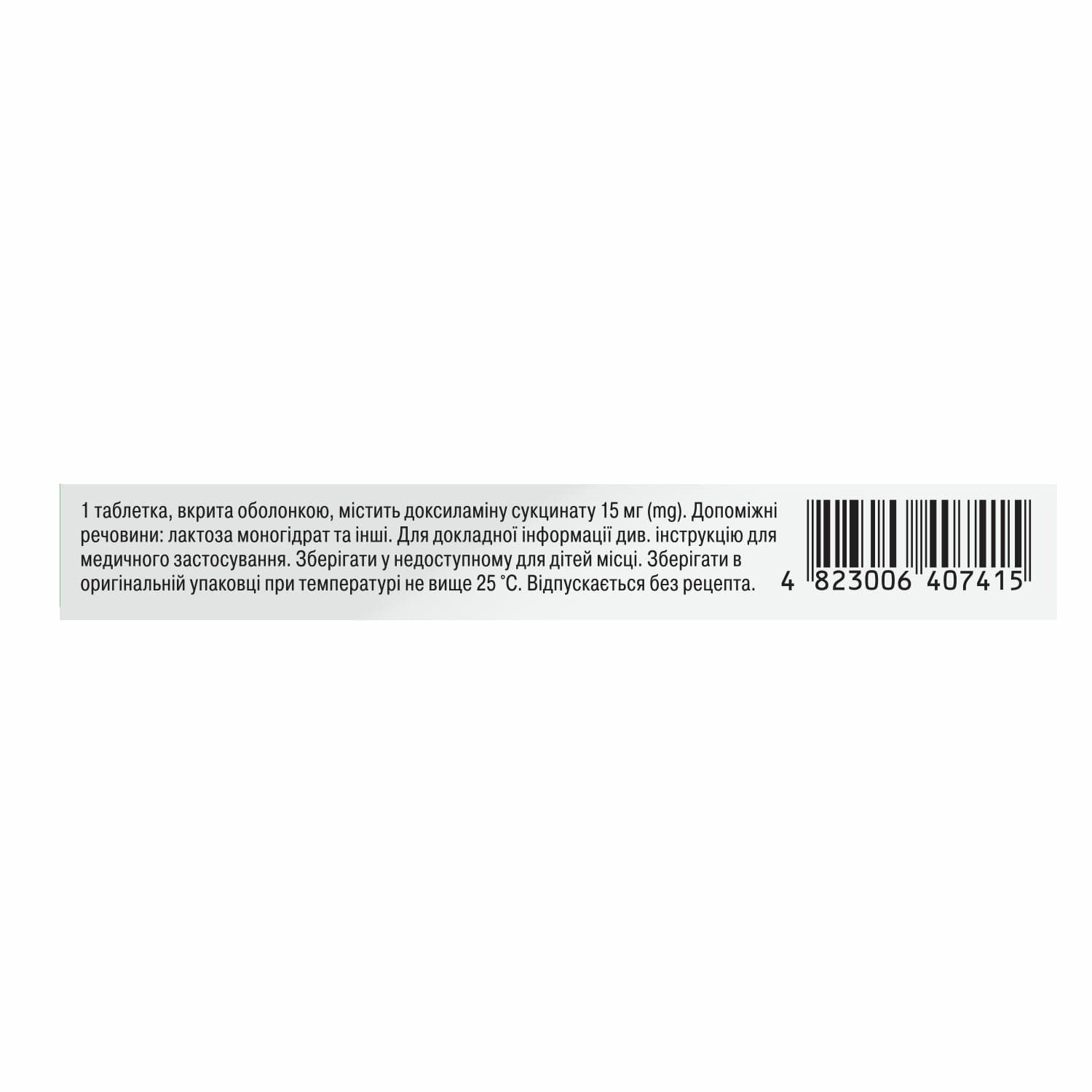
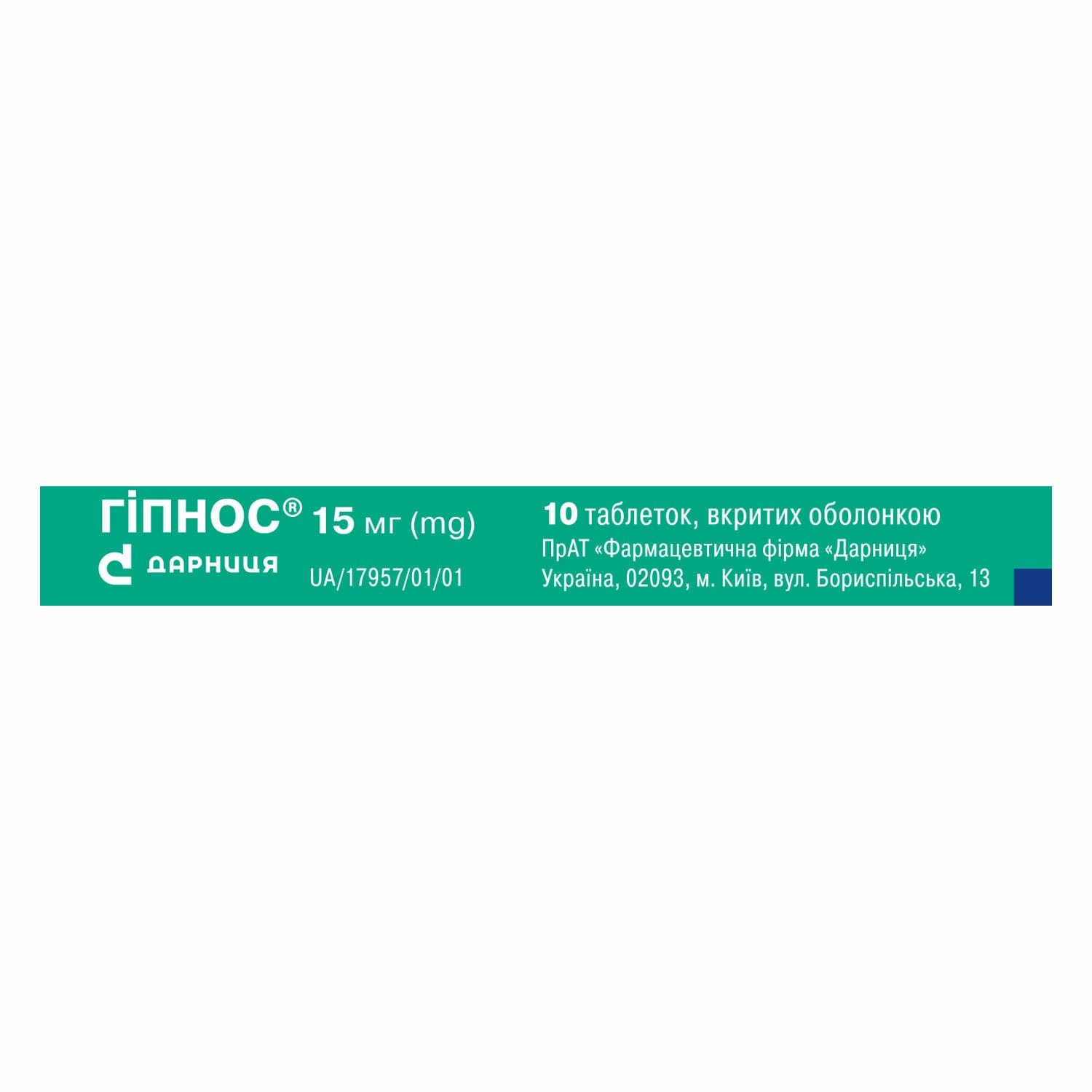


Hipnos film-coated tablets 15 mg blister 10 pcs
$12.70
Free Worldwide Shipping
to: Australia, Belgium, Canada, Czechia, Denmark, Estonia, Finland, Greece, Hungary, Ireland, Israel, Italy, Japan, Kuwait, Latvia, Lithuania, Mexico, Moldova, Netherlands, Norway, Poland, Romania, Slovakia, South Korea, Switzerland, United Kingdom, United States and more
🏖️ Hello! We are on vacation!
We are still accepting orders on our website; however, order processing and shipping will resume after September 10. If you place an order during our vacation, we will contact you and remind you about the temporary shipping delay. Starting September 10, all orders received during this period will be processed and shipped in the order they were placed. If your order contains a product with less than one year remaining before its expiration date, we will notify you after September 10 and proceed according to your instructions. If you decide to cancel an order placed during our vacation, simply contact us through the contact form on our website, and we will be happy to assist you. Thank you for your understanding, and we apologize for any inconvenience caused.
In stock
Hipnos tablets contain doxylamine succinate to help adults with temporary insomnia, promoting faster sleep onset and improved sleep quality.
Payment
PayPal, Debit or Credit card, Google Pay, Apple Pay
Hipnos tablets are used for periodic and transient insomnia in adults.
Composition
Active ingredient: doxylamine (one film-coated tablet contains 15 mg of doxylamine succinate).
Excipients: lactose monohydrate, microcrystalline cellulose, croscarmellose sodium, magnesium stearate, Opadry F85 White.
Contraindication
- hypersensitivity to the components of the drug or other antihistamine drugs;
- angle-closure glaucoma in the patient’s history or in the family history;
- difficulty urinating (urethra and prostate disease).
Method of application
For oral use. Take 15-30 minutes before bedtime.
The recommended dose is 7.5-15 mg per day (½-1 tablet per day). If necessary, the dose can be increased to 30 mg per day (two tablets per day).
Elderly patients and patients with renal or hepatic insufficiency are recommended to reduce the dose.
The duration of the treatment course is 2-5 days.
If insomnia persists for longer than 5 days, you should consult a doctor regarding the appropriateness of further use of the drug.
Application features
Pregnant women
The drug is contraindicated during pregnancy or breastfeeding.
Children
The drug should not be used in children under 18 years of age.
Drivers
Hipnos affects the reaction speed (risk of daytime drowsiness), so you should refrain from driving or using other mechanisms.
Overdose
Symptoms
The first signs of acute poisoning are drowsiness and manifestations of anticholinergic effects: agitation, dilated pupils, paralysis of accommodation, dry mouth, flushing of the face and neck, hyperthermia, sinus tachycardia. Delirium, hallucinations and athetotic movements are more common in children, sometimes they are precursors of seizures – rare complications of severe poisoning. Even if seizures do not occur, acute doxylamine poisoning sometimes causes rhabdomyolysis, which can be complicated by acute renal failure. This muscle disorder is common, requiring systematic screening by measuring the activity of creatine phosphokinase.
Treatment
Administration of activated charcoal (50 g for adults and 1 g/kg for children), if necessary, symptomatic treatment. Anticonvulsants and artificial ventilation are prescribed according to indications.
Side effects
In the morning after taking the drug in the evening, slowed reactions and dizziness may occur, so to prevent falling, sudden movements should be avoided. Rarely, anticholinergic effects develop: constipation, dry mouth, accommodation disorders, palpitations, urinary retention.
Daytime drowsiness: if this effect develops, the dose should be reduced.
Allergic reactions are possible, including skin rashes and itching.
Storage conditions
Store in the original packaging at a temperature not exceeding 25 °C, out of the reach of children.
Shelf life – 2 years.
You may also like

Reviews
There are no reviews yet.