No products in the cart.


Jarina Plus is an oral contraceptive with drospirenone, ethinylestradiol, and folate support, helping prevent pregnancy while maintaining folate levels

🇧🇪 Belgium
🇨🇦 Canada
🇨🇿 Czechia
🇩🇰 Denmark
🇪🇪 Estonia
🇫🇮 Finland
🇬🇷 Greece
🇭🇺 Hungary
🇮🇪 Ireland
🇮🇱 Israel
🇮🇹 Italy
🇯🇵 Japan
🇱🇻 Latvia
🇱🇹 Lithuania
🇲🇽 Mexico
🇲🇩 Moldova
🇳🇱 Netherlands
🇳🇴 Norway
🇵🇱 Poland
🇷🇴 Romania
🇸🇰 Slovakia
🇰🇷 South Korea
🇨🇭 Switzerland
🇬🇧 United Kingdom
🇺🇸 United States of America
and more
🇧🇪 Belgium
🇨🇦 Canada
🇨🇿 Czechia
🇩🇰 Denmark
🇪🇪 Estonia
🇫🇮 Finland
🇬🇷 Greece
🇭🇺 Hungary
🇮🇪 Ireland
🇮🇱 Israel
🇮🇹 Italy
🇯🇵 Japan
🇱🇻 Latvia
🇱🇹 Lithuania
🇲🇽 Mexico
🇲🇩 Moldova
🇳🇱 Netherlands
🇳🇴 Norway
🇵🇱 Poland
🇷🇴 Romania
🇸🇰 Slovakia
🇰🇷 South Korea
🇨🇭 Switzerland
🇬🇧 United Kingdom
🇺🇸 United States of America
and more
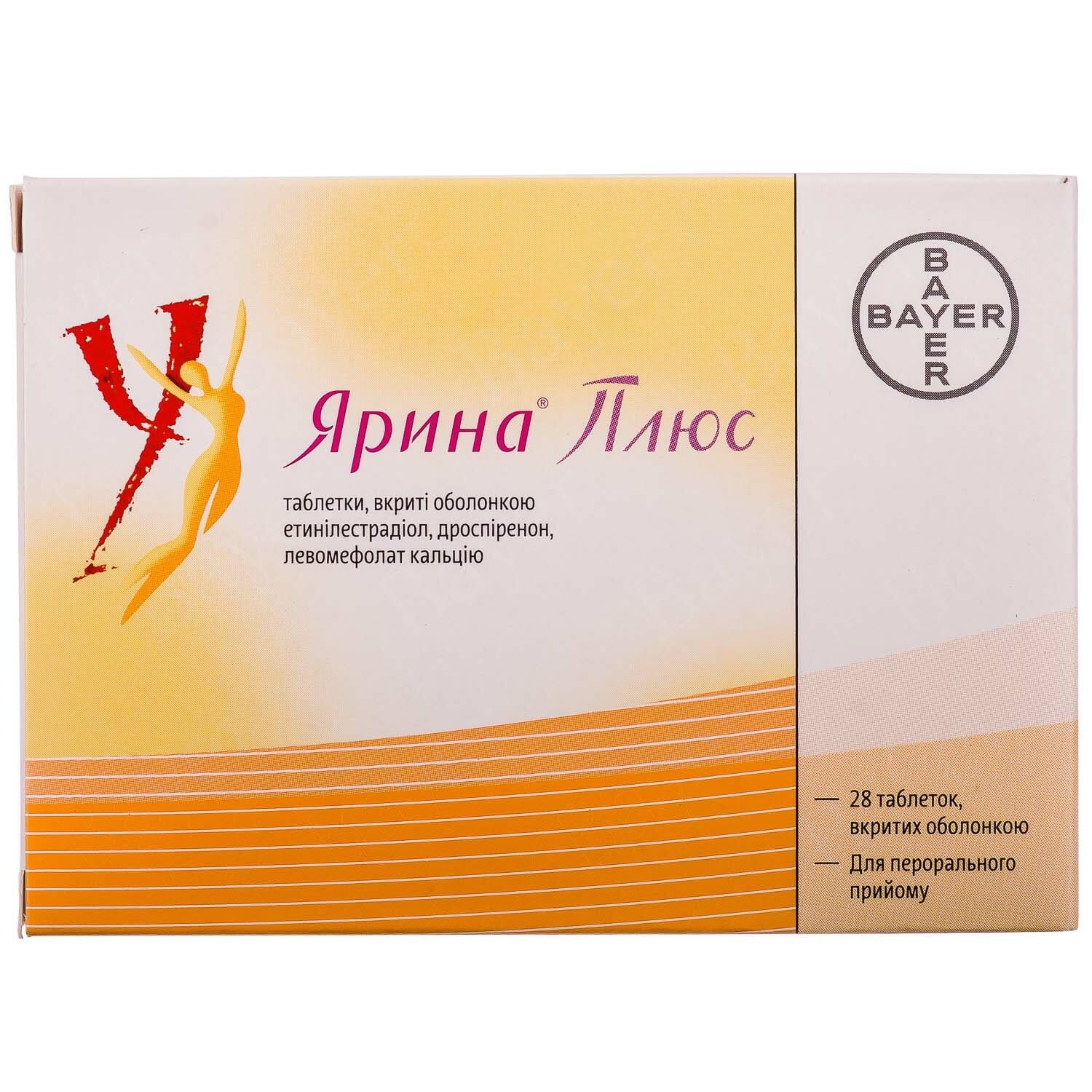
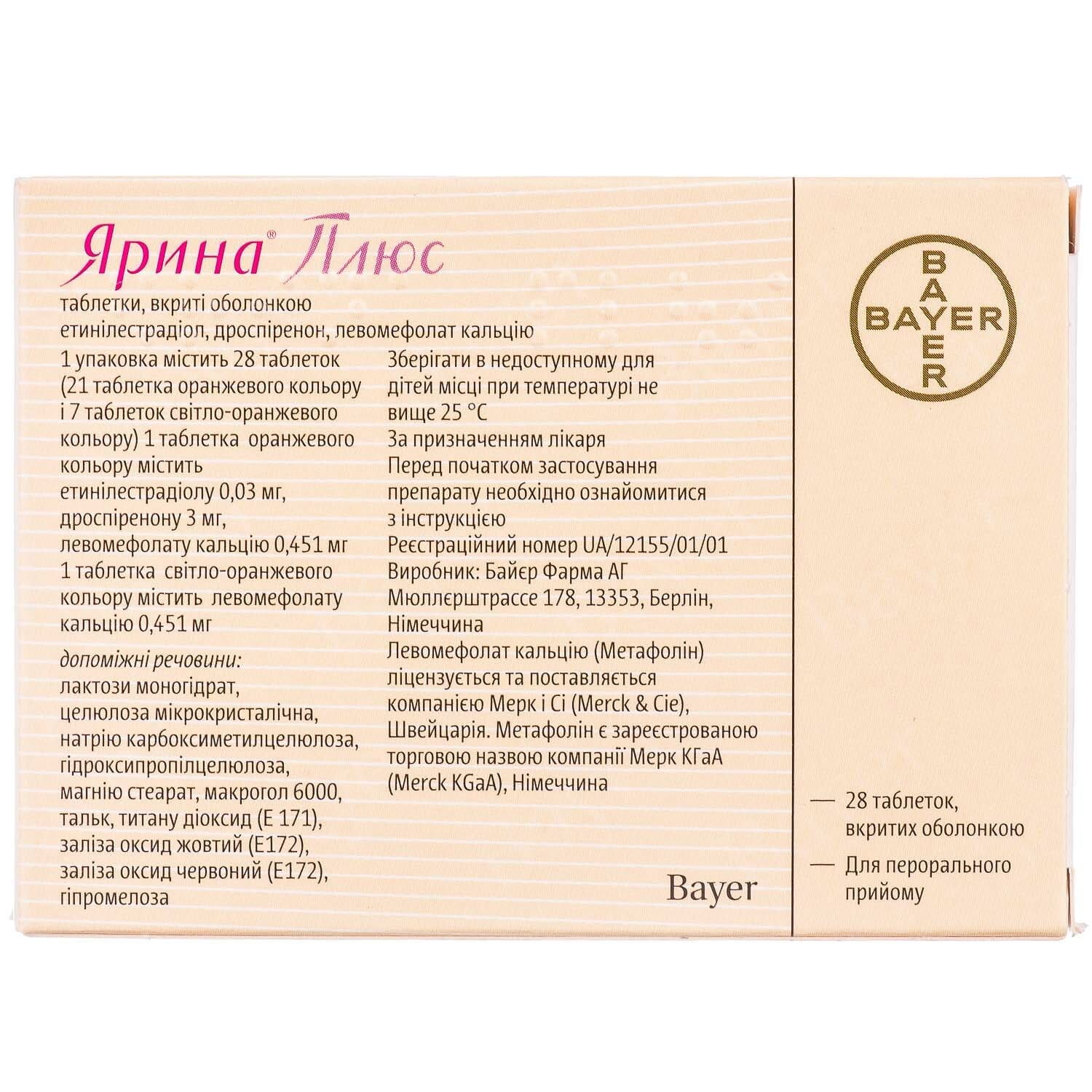


Please note: The product packaging may vary from the images shown. The contents, ingredients, and quality of the product remain unchanged.
$31.46
to: Australia, Belgium, Canada, Czechia, Denmark, Estonia, Finland, Greece, Hungary, Ireland, Israel, Italy, Japan, Latvia, Lithuania, Mexico, Moldova, Netherlands, Norway, Poland, Romania, Slovakia, South Korea, Switzerland, United Kingdom, United States and more
In stock
Jarina Plus is an oral contraceptive with drospirenone, ethinylestradiol, and folate support, helping prevent pregnancy while maintaining folate levels
PayPal, Debit or Credit card, Google Pay, Apple Pay
Jarina Plus tablets are used for the following indications:
Active ingredients: ethinylestradiol, drospirenone, calcium levomefolate.
One pack contains 28 film-coated tablets (21 orange tablets and 7 light orange tablets).
Active ingredients:
Excipients: lactose monohydrate, microcrystalline cellulose, sodium carboxymethylcellulose, hydroxypropylcellulose, magnesium stearate, hypromellose, macrogol 6000, talc, titanium dioxide (E 171), yellow iron oxide (E 172), red iron oxide (E 172).
Calcium levomefolate (active ingredient) – 0.451 mg.
Excipients: lactose monohydrate, microcrystalline cellulose, sodium carboxymethylcellulose, magnesium stearate, hypromellose, macrogol 6000, talc, titanium dioxide (E 171), yellow iron oxide (E 172), red iron oxide (E 172).
The drug “Jarina Plus” should not be prescribed to women with at least one of the following conditions or diseases.
The drug is taken one tablet orally at the same time every day. If you miss a dose or use it incorrectly, the effectiveness may decrease.
To achieve maximum contraceptive effect, the drug “Jarina Plus” should be used as prescribed and in accordance with the instructions on the blister pack. If you miss a tablet, it should be taken as soon as possible.
The safety and efficacy of Jarina Plus have been established for women of reproductive age. It is expected that the drug has similar efficacy in postpubertal adolescents up to 18 years of age and in patients aged 18 years and older. This drug should not be administered before the onset of menstruation.
No studies have been conducted on the effects on the ability to drive or use machines. No effects on the ability to drive or use machines have been reported in women taking combined oral contraceptives.
There are no reports of serious adverse effects of overdose, including when the drug is taken by children. Overdose may cause withdrawal bleeding and nausea in women.
Drospirenone is a spironolactone analogue with antimineralocorticoid properties. In case of overdose, serum potassium and sodium concentrations should be monitored and signs of metabolic acidosis should be observed.
Calcium levomefolate at a dose of 17 mg per day (which is 37 times higher than the dose of calcium levomefolate in the drug “Jarina Plus“) was well tolerated during long-term treatment up to 12 weeks.
The most common adverse reactions (≥ 2%) were: premenstrual syndrome (12.4%), headache/migraine (10.3%), breast tenderness/tenderness/breast discomfort (8.1%), nausea/vomiting (4.4%), mood changes (depression, depressed mood, irritability, mood swings, mood swings and affective lability (2.3%)), abdominal discomfort/pain (2.2%).
Serious adverse reactions. Clinical trials investigating contraception: depression, pulmonary embolism, toxic skin rash, uterine leiomyoma.
Store at a temperature not exceeding 25 °C, out of the reach of children.
Shelf life – 36 months.

Reviews
There are no reviews yet.