
🇦🇺 Australia
🇧🇪 Belgium
🇨🇦 Canada
🇨🇿 Czechia
🇩🇰 Denmark
🇪🇪 Estonia
🇫🇮 Finland
🇬🇷 Greece
🇭🇺 Hungary
🇮🇪 Ireland
🇮🇱 Israel
🇮🇹 Italy
🇯🇵 Japan
🇰🇼 Kuwait
🇱🇻 Latvia
🇱🇹 Lithuania
🇲🇽 Mexico
🇲🇩 Moldova
🇳🇱 Netherlands
🇳🇴 Norway
🇵🇱 Poland
🇷🇴 Romania
🇸🇰 Slovakia
🇰🇷 South Korea
🇨🇭 Switzerland
🇬🇧 United Kingdom
🇺🇸 United States of America
and more
🇦🇺 Australia
🇧🇪 Belgium
🇨🇦 Canada
🇨🇿 Czechia
🇩🇰 Denmark
🇪🇪 Estonia
🇫🇮 Finland
🇬🇷 Greece
🇭🇺 Hungary
🇮🇪 Ireland
🇮🇱 Israel
🇮🇹 Italy
🇯🇵 Japan
🇰🇼 Kuwait
🇱🇻 Latvia
🇱🇹 Lithuania
🇲🇽 Mexico
🇲🇩 Moldova
🇳🇱 Netherlands
🇳🇴 Norway
🇵🇱 Poland
🇷🇴 Romania
🇸🇰 Slovakia
🇰🇷 South Korea
🇨🇭 Switzerland
🇬🇧 United Kingdom
🇺🇸 United States of America
and more


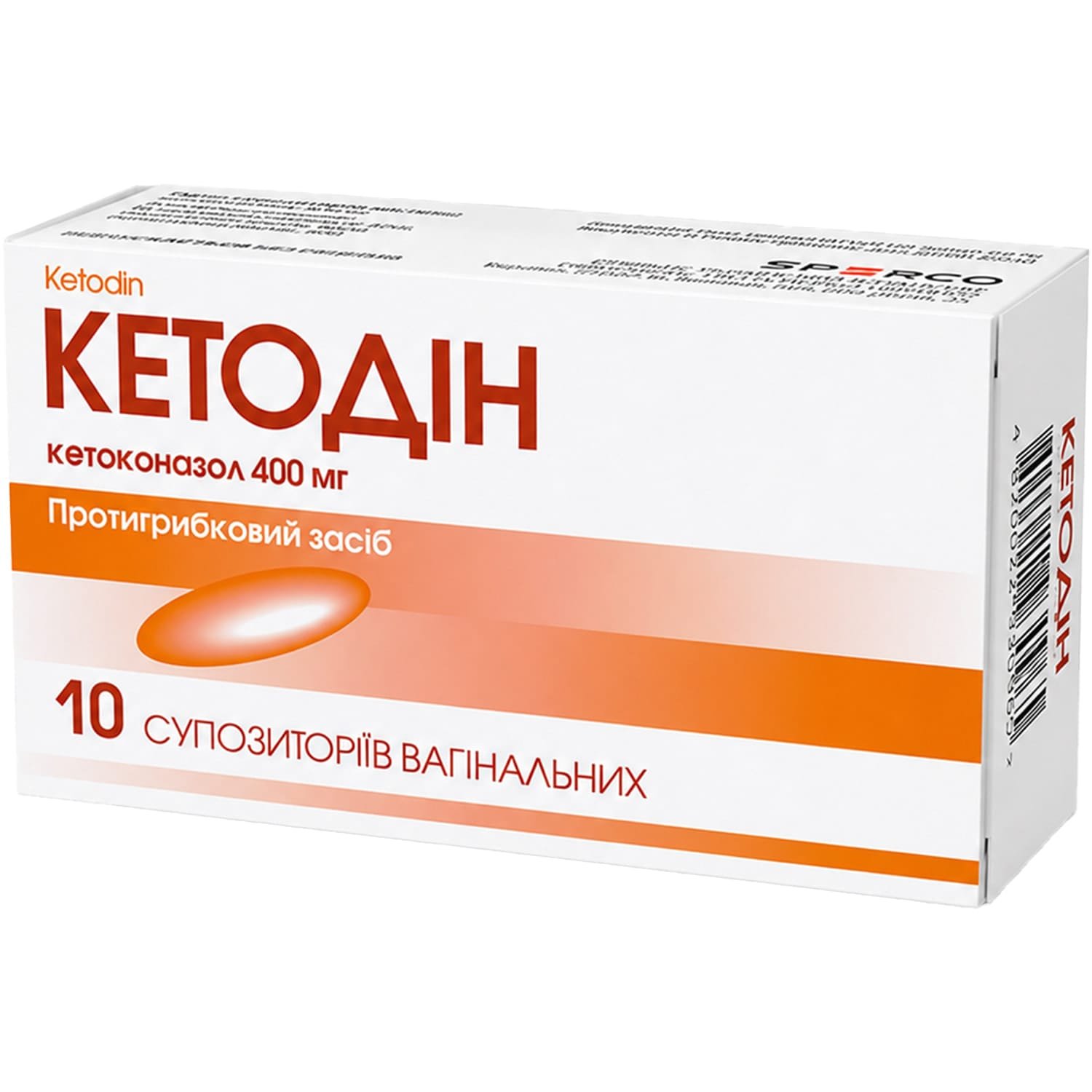
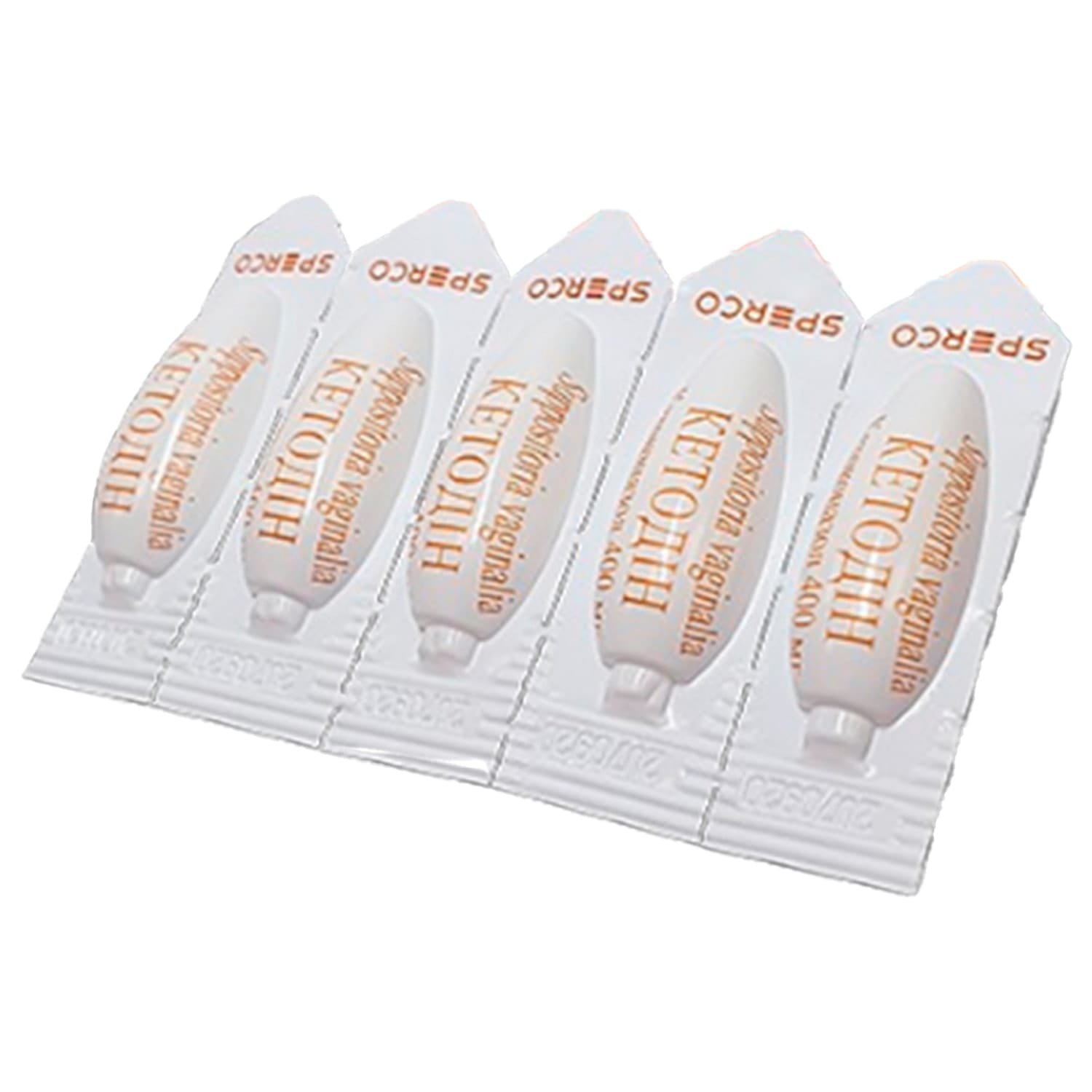


Ketodin vaginal suppositories 400 mg 10 pcs.
$28.22
Free Worldwide Shipping
to: Australia, Belgium, Canada, Czechia, Denmark, Estonia, Finland, Greece, Hungary, Ireland, Israel, Italy, Japan, Kuwait, Latvia, Lithuania, Mexico, Moldova, Netherlands, Norway, Poland, Romania, Slovakia, South Korea, Switzerland, United Kingdom, United States and more
🏖️ Hello! We are on vacation!
We are still accepting orders on our website; however, order processing and shipping will resume after September 10. If you place an order during our vacation, we will contact you and remind you about the temporary shipping delay. Starting September 10, all orders received during this period will be processed and shipped in the order they were placed. If your order contains a product with less than one year remaining before its expiration date, we will notify you after September 10 and proceed according to your instructions. If you decide to cancel an order placed during our vacation, simply contact us through the contact form on our website, and we will be happy to assist you. Thank you for your understanding, and we apologize for any inconvenience caused.
In stock
Ketodin vaginal suppositories with ketoconazole are used for treatment and prevention of vaginal candidiasis, including recurrent fungal infections.
Payment
PayPal, Debit or Credit card, Google Pay, Apple Pay
Pharmacological properties
Ketoconazole is a synthetic derivative of imidazoledioxolane. It has a pronounced fungicidal and fungistatic effect on dermatophytes (trichophyton spp., epidermophyton floccosum, microsporum spp.), yeast fungi (candida spp., pityrosporum spp., torulopsis spp., cryptococcus spp., rhodotorula spp.), dimorphic and higher fungi (zoomycetes). Aspergillus spp., Sporothrix schenckii, some dermatiaceae, mucor spp. and other fucomycetes, with the exception of entomophthrales, are less sensitive to ketoconazole. Ketoconazole is also active against gram-positive cocci (staphylococcus spp., streptococcus spp.). The mechanism of its action is to inhibit the biosynthesis of ergosterol and change the lipid composition of the fungal membrane, which leads to their lysis. Ketodin is also active against pathogens resistant to antifungal antibiotics (nystatin, levorin), as well as clotrimazole. The development of secondary resistance during treatment with ketoconazole was not observed.
When used intravaginally, only a small amount (1%) of ketoconazole enters the systemic circulation. C max in blood plasma in women after intravaginal use of 400 mg of ketoconazole ranges from 0-10.7 ng / ml, which is considered trace and does not lead to systemic effects.
Indication
Acute and chronic recurrent candidiasis; prevention of fungal infections of the vagina with reduced body resistance and against the background of treatment with drugs that disrupt the normal vaginal microflora.
Application
The suppository is removed from the strip and inserted deep into the vagina in a supine position with knees bent and legs pulled to the chest or squatting. Suppositories should not be cut into parts, since such a change in the storage conditions of the drug may lead to a violation of the distribution of the active substance. 1 suppository is prescribed per day before bedtime for 3-5 days. If necessary, the course of treatment is repeated until clinical and laboratory recovery. In chronic candidiasis, 1 suppository is used for 10 days.
Contraindication
Hypersensitivity to ketoconazole or other components of the drug.
Side effects
Side effects are rare and disappear quickly after discontinuation of the drug.
Local reactions: irritation of the vaginal mucosa (itching, burning sensation, hyperemia).
From the digestive system: rarely – nausea, abdominal pain.
From the nervous system: rarely – dizziness.
Hypersensitivity reactions: rarely – urticaria, anaphylactic and anaphylactoid reactions, angioedema.
Allergic reactions: rarely – skin rashes.
Special instructions
In rare cases, local allergic reactions in the sexual partner are possible. To reduce the risk of recurrence of the disease, simultaneous treatment of the sexual partner is recommended. Contact with latex products (contraceptive diaphragms, condoms) should be avoided due to the possibility of pregnancy or infection with sexually transmitted diseases. During treatment, sexual intercourse should be avoided.
Ketodine is recommended for use at night, as the drug has an osmotic and drainage effect, which is accompanied by an increase in vaginal discharge. It is recommended to use sanitary pads at night during treatment with Ketodine.
If hypersensitivity reactions develop, the drug should be discontinued.
Use during pregnancy and breastfeeding. Although systemic absorption with intravaginal use of ketoconazole is extremely low or absent, there are no adequate controlled clinical studies on the safety of Ketodine in pregnant women. Ketodine is not used during the first trimester of pregnancy. In the second and third trimesters and during breastfeeding, the drug is used only if the expected benefit to the mother outweighs the potential risk to the fetus and child.
Children: There is no experience with the use of ketoconazole in the form of vaginal suppositories in children.
The ability to influence the reaction speed when driving vehicles or working with other mechanisms. Does not affect.
Interactions
When ketoconazole is used simultaneously with rifampicin and isoniazid, the concentration of ketoconazole in the blood plasma decreases. When used simultaneously with cyclosporine, indirect anticoagulants and methylprednisolone, ketoconazole may increase the concentration of the latter in the blood plasma. The practical significance of these interactions in treatment with ketoconazole in the form of vaginal suppositories is unknown.
Overdose
In case of local overdose, hyperemia, burning, itching, irritation of the vaginal mucosa may occur. In this case, douching with water is recommended.
Storage conditions
Store at a temperature not exceeding 25 °C.
You may also like


Urolesan oral drops dropper bottle 25 ml

Reviews
There are no reviews yet.