
🇦🇺 Australia
🇧🇪 Belgium
🇨🇦 Canada
🇨🇿 Czechia
🇩🇰 Denmark
🇪🇪 Estonia
🇫🇮 Finland
🇬🇷 Greece
🇭🇺 Hungary
🇮🇪 Ireland
🇮🇱 Israel
🇮🇹 Italy
🇯🇵 Japan
🇰🇼 Kuwait
🇱🇻 Latvia
🇱🇹 Lithuania
🇲🇽 Mexico
🇲🇩 Moldova
🇳🇱 Netherlands
🇳🇴 Norway
🇵🇱 Poland
🇷🇴 Romania
🇸🇰 Slovakia
🇰🇷 South Korea
🇨🇭 Switzerland
🇬🇧 United Kingdom
🇺🇸 United States of America
and more
🇦🇺 Australia
🇧🇪 Belgium
🇨🇦 Canada
🇨🇿 Czechia
🇩🇰 Denmark
🇪🇪 Estonia
🇫🇮 Finland
🇬🇷 Greece
🇭🇺 Hungary
🇮🇪 Ireland
🇮🇱 Israel
🇮🇹 Italy
🇯🇵 Japan
🇰🇼 Kuwait
🇱🇻 Latvia
🇱🇹 Lithuania
🇲🇽 Mexico
🇲🇩 Moldova
🇳🇱 Netherlands
🇳🇴 Norway
🇵🇱 Poland
🇷🇴 Romania
🇸🇰 Slovakia
🇰🇷 South Korea
🇨🇭 Switzerland
🇬🇧 United Kingdom
🇺🇸 United States of America
and more


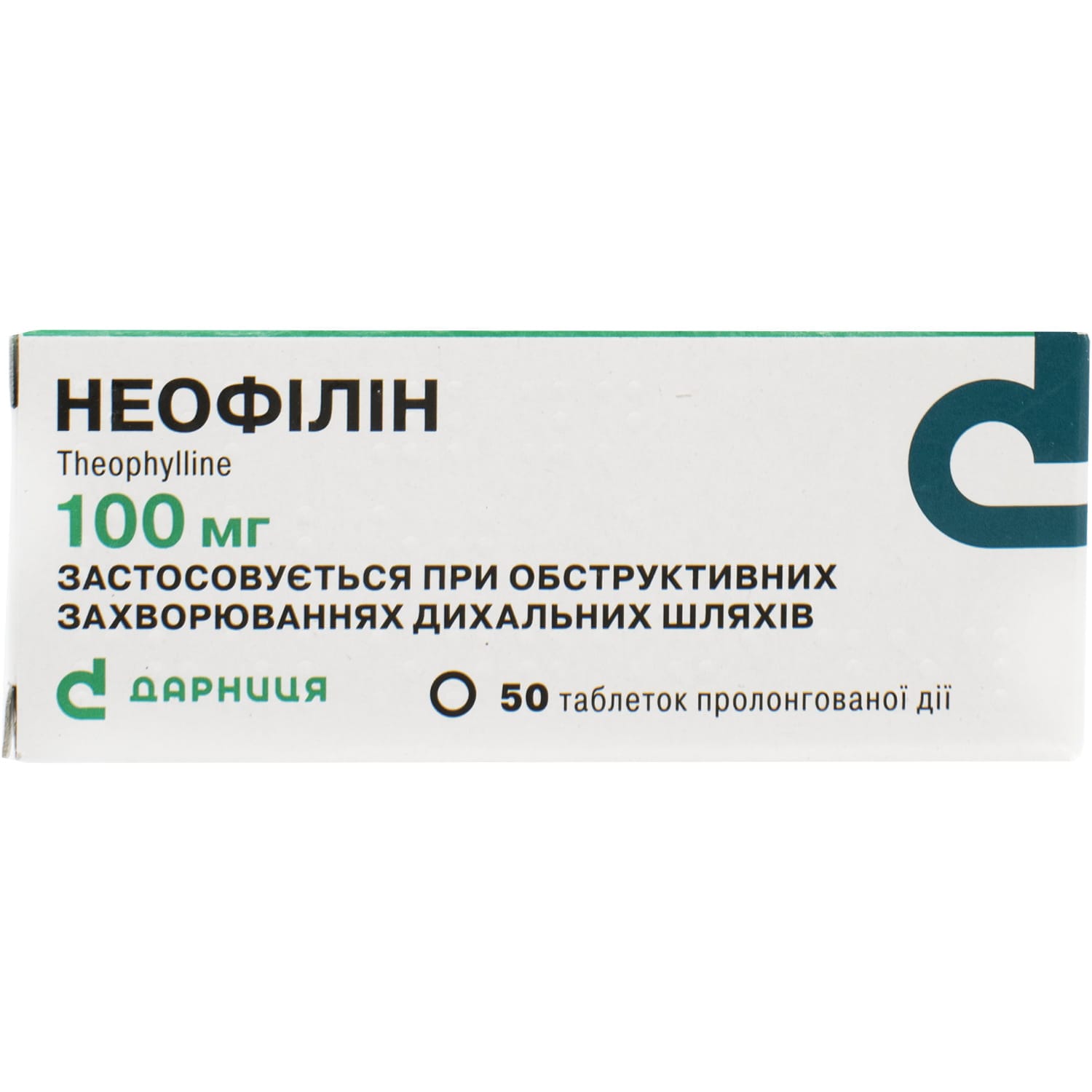
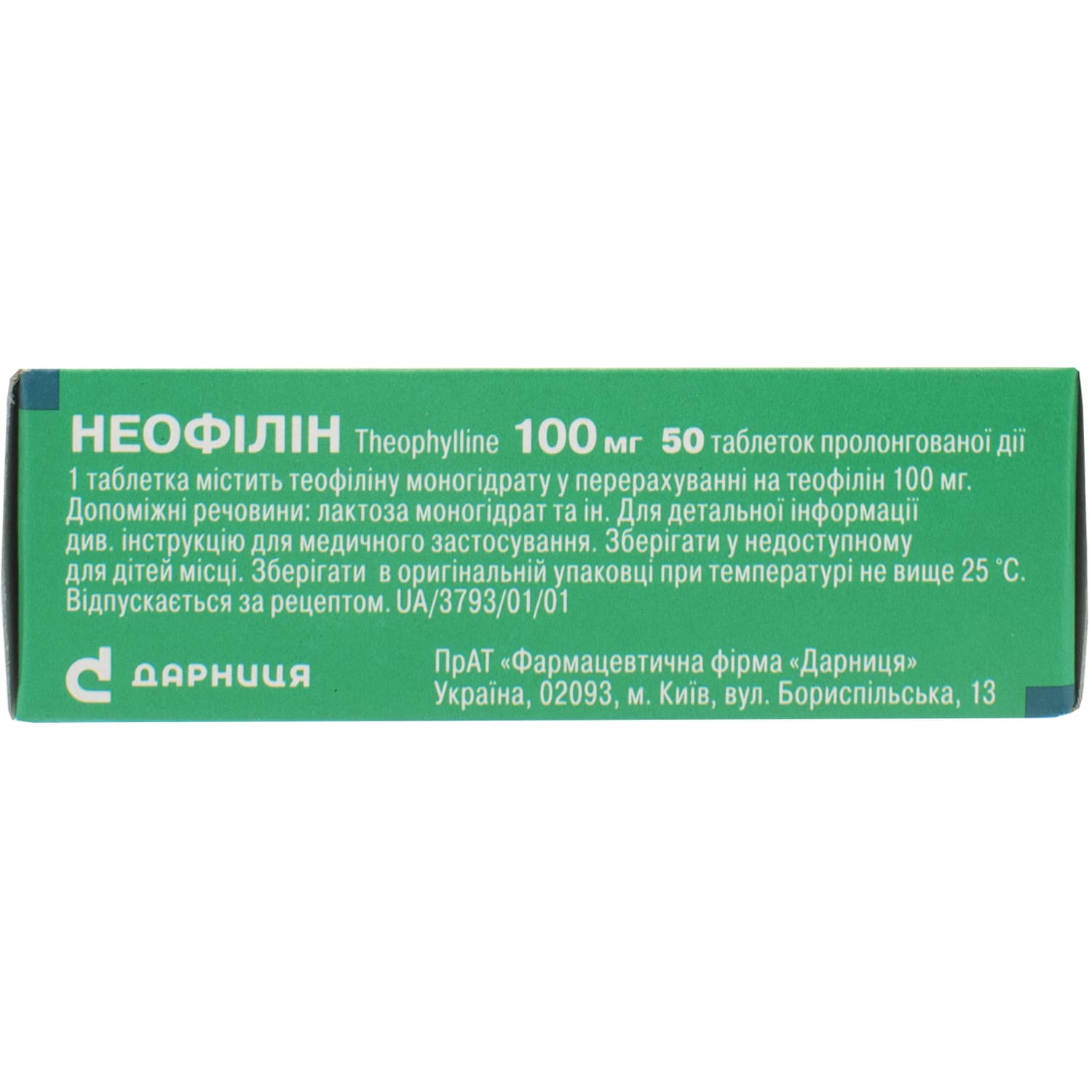


Neophylline prolonged-release tablets 100 mg 5 blisters of 10 pcs.
$14.64
Free Worldwide Shipping
to: Australia, Belgium, Canada, Czechia, Denmark, Estonia, Finland, Greece, Hungary, Ireland, Israel, Italy, Japan, Kuwait, Latvia, Lithuania, Mexico, Moldova, Netherlands, Norway, Poland, Romania, Slovakia, South Korea, Switzerland, United Kingdom, United States and more
🏖️ Hello! We are on vacation!
We are still accepting orders on our website; however, order processing and shipping will resume after September 10. If you place an order during our vacation, we will contact you and remind you about the temporary shipping delay. Starting September 10, all orders received during this period will be processed and shipped in the order they were placed. If your order contains a product with less than one year remaining before its expiration date, we will notify you after September 10 and proceed according to your instructions. If you decide to cancel an order placed during our vacation, simply contact us through the contact form on our website, and we will be happy to assist you. Thank you for your understanding, and we apologize for any inconvenience caused.
In stock
Neophylline prolonged-release tablets for asthma, COPD and sleep apnea help relax airways, improve breathing and support oxygen flow. for easier breathing
Payment
PayPal, Debit or Credit card, Google Pay, Apple Pay
Orders Temporarily Unavailable
Due to temporary postal service disruptions, we are currently unable to accept orders.
Pharmacological properties
Pharmacodynamics. Theophylline is a bronchodilator of the methylxanthine group. Its mechanism of action is mainly due to the blocking of adenosine receptors, inhibition of phosphodiesterase, an increase in the content of intracellular cAMP, a decrease in the intracellular concentration of calcium ions. As a result, the smooth muscles of the bronchi, gastrointestinal tract, biliary tract, uterus, coronary, cerebral and pulmonary vessels relax, and peripheral vascular resistance decreases. The drug increases the tone of the respiratory muscles (intercostal muscles and diaphragm), reduces the resistance of the pulmonary vessels, improves blood oxygenation, activates the respiratory center of the medulla oblongata, increases its sensitivity to carbon dioxide, improves alveolar ventilation, which leads to a decrease in the severity and frequency of apnea episodes. Theophylline eliminates angiospasm, increases collateral blood flow and blood oxygen saturation, reduces perifocal and general brain edema, reduces cerebrospinal fluid and, accordingly, intracranial pressure. Improves the rheological properties of blood, reduces thrombus formation, inhibits platelet aggregation (suppressing platelet activation factor and prostaglandin f2α), normalizes microcirculation. Has an antiallergic effect, suppressing mast cell degranulation and reducing the level of allergy mediators (serotonin, histamine, leukotrienes). Strengthens renal blood circulation, exhibits a diuretic effect due to a decrease in tubular reabsorption, increases the excretion of water, chlorine ions, sodium.
Pharmacokinetics. When taken orally, theophylline is completely absorbed in the gastrointestinal tract, the bioavailability is about 90%. When taking theophylline in the form of prolonged-release tablets, Cmax is achieved after 6 hours. Binding to blood plasma proteins is about 60% in healthy adults, 35% in patients with cirrhosis of the liver. Penetrates through histohematological barriers, distributing in tissues. About 90% of theophylline is metabolized in the liver with the participation of several cytochrome P450 isoenzymes to inactive metabolites – 1,3-dimethyluric acid, 1-methyluric acid and 3-methylxanthine. Excreted mainly by the kidneys in the form of metabolites; up to 13% of the drug is excreted unchanged in adults, up to 50% in children. Partially excreted in breast milk. T ½ of theophylline depends on age and the presence of concomitant diseases, in adults with bronchial asthma it is 6-12 hours, in children over 6 months of age – 3-4 hours, in smokers – 4-5 hours, in the elderly and with heart failure, impaired liver function, pulmonary edema, COPD and bronchitis – more than 24 hours, which requires appropriate correction of the interval between doses of the drug. Therapeutic concentration of theophylline in the blood to achieve a bronchodilator effect is 10-20 μg / ml, for an exciting effect on the respiratory center – 5-10 μg / ml. Toxic concentration – above 20 μg / ml.
Indication of Neophylline
Ba. COPD (chronic obstructive bronchitis, emphysema of the lungs). Pulmonary hypertension. Central sleep apnea syndrome.
Application of Neophylline
The drug is taken orally 30-60 minutes before meals or 2 hours after meals, drinking plenty of liquid. A 300 mg tablet can be divided in half (100 mg tablets – do not divide), but cannot be crushed, chewed or dissolved in water. In some cases, to reduce the irritating effect on the gastric mucosa, the drug must be taken during or immediately after meals.
The dosage regimen is set individually depending on the patient’s age, body weight and metabolic characteristics.
The initial daily dose for adults and children over 12 years of age with a body weight of more than 45 kg is 300 mg (1 tablet of 300 mg once a day or 3 tablets of 100 mg once a day). After 3 days of taking the drug, the daily dose is increased to 450 mg (1½ tablets of 300 mg), after 3 days of treatment, if necessary, the daily dose can be increased to 600 mg (1 tablet of 300 mg twice a day or 3 tablets of 100 mg twice a day).
Increasing the dose is possible only if it is well tolerated.
For children aged 6 to 12 years with a body weight of 20-45 kg, the daily dose is 150 mg (½ tablet of 300 mg once a day). After 3 days of taking the drug, the daily dose should be increased to 300 mg (½ tablet of 300 mg twice a day), after 3 days of treatment the dose can be increased to 450-600 mg (1½ tablets of 300 mg once a day or 1 tablet of 300 mg twice a day or 3 tablets of 100 mg twice a day).
Patients with central sleep apnea syndrome can take a single dose of the drug at night.
Further dose increases are recommended based on determination of theophylline plasma concentrations.
For patients who smoke, the daily dose can be gradually increased to 900-1050 mg (3-3½ tablets of 300 mg).
Contraindication of Neophylline
Increased individual sensitivity to the components of the drug, as well as to other xanthine derivatives (for example, caffeine, theobromine, pentoxifylline), acute heart failure, angina pectoris, acute myocardial infarction, paroxysmal tachycardia, extrasystole, severe arterial hyper- and hypotension, widespread atherosclerosis of vessels, pulmonary edema, hemorrhagic stroke, retinal hemorrhage, bleeding in history, gastric and duodenal ulcer (in the acute stage), gastroesophageal reflux, epilepsy, increased convulsive readiness, uncontrolled hypothyroidism, hyperthyroidism, thyrotoxicosis, impaired liver and/or kidney function, porphyria, sepsis, use in children simultaneously with ephedrine.
Side effects
Adverse reactions are usually observed at a theophylline plasma concentration of 20 μg/ml.
Gastrointestinal tract: heartburn, decreased appetite/anorexia with prolonged use, nausea, vomiting, abdominal pain, diarrhea, gastroesophageal reflux, exacerbation of gastric or duodenal ulcer, stimulation of gastric juice secretion.
From the cardiovascular system: palpitations, tachycardia, decreased blood pressure, arrhythmias, cardialgia, increased frequency of angina attacks, extrasystole (ventricular, supraventricular), heart failure.
From the side of the central nervous system: dizziness, headache, irritability, anxiety, restlessness, agitation, sleep disturbances, insomnia, tremor, confusion, delirium, convulsions.
Immune system disorders: hypersensitivity reactions, including angioedema, anaphylactic reactions, bronchospasm.
Skin and subcutaneous tissue disorders: skin rash, exfoliative dermatitis, itching, urticaria.
On the part of the urinary system: increased diuresis, especially in children, urinary retention in elderly men.
General disorders: fever, weakness, rhabdomyolysis, metabolic acidosis, feeling of heat and facial flushing, increased sweating, weakness, shortness of breath.
Laboratory indicators: during treatment with theophylline, the following are possible: hypokalemia, hypercalcemia, hyperglycemia, hyperuricemia, and disturbances in the acid-base balance of the blood.
The severity of side effects decreases with decreasing dose of the drug.
Special instructions
Theophylline should be prescribed with caution only in cases of extreme necessity for unstable angina, heart diseases in which tachyarrhythmia may occur; for hypertrophic obstructive cardiomyopathy, impaired renal and hepatic function, patients with a history of gastric or duodenal ulcer, and persons over 60 years of age.
Theophylline can be used with caution in severe atherosclerosis of blood vessels, sepsis, under the supervision of a physician, if there are indications for the use of theophylline. The restriction on the use of theophylline in gastroesophageal reflux is associated with the effect on the smooth muscles of the cardioesophageal sphincter, which can worsen the patient’s condition with gastroesophageal reflux, increasing reflux.
Smoking and alcohol consumption may lead to increased clearance of theophylline and, consequently, to a decrease in its therapeutic effect and the need for use in higher doses.
During treatment with theophylline, careful observation and a reduction in the dose are necessary in patients with heart failure, chronic alcoholism, liver dysfunction (especially cirrhosis), low blood oxygen levels (hypoxemia), fever, pneumonia, or viral infections (especially influenza) due to a possible decrease in theophylline clearance. At the same time, it is necessary to monitor theophylline levels in the blood plasma that exceed the norm.
Observation is necessary when treating patients with theophylline with cardiac arrhythmia, hypertension, other cardiovascular diseases, and acute febrile conditions.
Individuals with a history of seizure disorders should avoid theophylline and use alternative treatments.
The drug requires increased attention in patients with insomnia, as well as in elderly men with a history of prostate enlargement due to the risk of urinary retention.
If it is necessary to use aminophylline (theophylline-ethylenediamine) in patients who have previously used theophylline, it is necessary to monitor theophylline levels in the blood plasma.
Given the impossibility of guaranteeing bioequivalence between individual theophylline-containing prolonged-release preparations, switching from Neophylline prolonged-release tablets to another prolonged-release xanthine medicinal product should be done by re-titration of the dose and after clinical evaluation.
Theophylline can change some laboratory parameters: increase the amount of fatty acids and the level of catecholamines in the urine.
In case of adverse reactions, it is necessary to monitor the level of theophylline in the blood.
The drug contains lactose, so it should not be used in patients with rare hereditary forms of galactose intolerance, lactase deficiency or glucose-galactose malabsorption syndrome.
Use during pregnancy and breastfeeding. Theophylline crosses the placenta and into breast milk. The use of the drug during pregnancy is possible only if the expected benefit to the mother outweighs the potential risk to the fetus. Pregnant women should more often determine the concentration of theophylline in the blood plasma and adjust the dose accordingly. Theophylline should be avoided at the end of pregnancy, as it can suppress uterine contractions and cause tachycardia in the fetus.
If necessary, it is recommended to stop breastfeeding.
Children. The drug is not used in children under 6 years of age and weighing 20 kg.
Ability to influence the reaction rate when driving or working with other mechanisms. Given that sensitive patients may experience adverse reactions (dizziness) when using the drug, while taking the drug, you should refrain from driving vehicles and performing other work that requires concentration.
Interactions of Neophylline
Drugs that increase theophylline clearance: aminoglutethimide, antiepileptic drugs (e.g. phenytoin, carbamazepine, primidone), magnesium hydroxide, moracizin, rifampicin, ritonavir, sulfinpyrazone, barbiturates (especially phenobarbital and pentobarbital). The effect of theophylline may also be less in smokers. In patients who are taking one or more of the above drugs simultaneously with theophylline, the concentration of theophylline in the blood plasma should be monitored and the dose adjusted if necessary.
Drugs that reduce theophylline clearance: allopurinol, acyclovir, carbimazole, phenylbutazone, fluvoxamine, imipenem, isoprenaline, cimetidine, fluconazole, furosemide, pentoxifylline, disulfiram, interferon, nizatidine, calcium antagonists (verapamil, diltiazem), amiodarone, paracetamol, probenecid, ranitidine, tacrine, propafenone, propranolol, oxpentifillin, isoniazid, lincomycin, methotrexate, zafirlukast, mexiletine, fluoroquinolones (ofloxacin, norfloxacin, when using ciprofloxacin, the dose must be reduced by at least 60%, enoxacin – by 30%), macrolides (clarithromycin, erythromycin), ticlopidine, thiabendazole, viloxazine hydrochloride, oral contraceptives, influenza vaccine. For patients taking one or more of the above drugs simultaneously with theophylline, the concentration of theophylline in the blood plasma should be monitored and the dose reduced if necessary.
The concomitant use of theophylline with herbal preparations containing St. John’s wort (Hypericum perforatum) should be avoided.
Concomitant use of theophylline and phenytoin may cause a decrease in the level of the latter.
Ephedrine enhances the effect of theophylline.
The combination of theophylline and fluvoxamine should be avoided. If this combination cannot be avoided, patients should take half the dose of theophylline and closely monitor the plasma concentration of theophylline.
Combinations of theophylline and benzodiazepines, halothane and lomustine should be used with extreme caution. Halothane anesthesia can cause serious cardiac arrhythmias in patients taking theophylline.
It is necessary to avoid the simultaneous use of theophylline and large amounts of food and drinks containing methylxanthines (coffee, tea, cocoa, chocolate, Coca-Cola and similar tonic drinks), drugs containing xanthine derivatives (caffeine, theobromine, pentoxifylline), α- and β-adrenergic agonists (selective and non-selective), glucagon, taking into account the potentiation of theophylline effects.
The simultaneous use of theophylline with β-adrenergic blockers can antagonize its bronchodilating effect; with ketamine, quinolones – reduces the seizure threshold; with adenosine, lithium carbonate and β-adrenergic blocker antagonists – reduces the effectiveness of the latter, with doxapram – can lead to stimulation of the CNS.
Theophylline may enhance the effects of diuretics and reserpine.
The concomitant use of theophylline and β-blocker antagonists should be avoided, as theophylline may lose its effectiveness.
There is conflicting evidence of potentiation of theophylline effects in influenza-like conditions.
Xanthines may potentiate hypokalemia caused by therapy with β-agonists, beta-blockers, steroids, diuretics, and hypoxia. This applies to hospitalized patients with severe asthma and necessitates monitoring of plasma potassium levels.
Overdose of Neophylline
Overdose is noted if the concentration of theophylline in the blood plasma exceeds 20 mg/ml (110 μmol/l).
Symptoms: Severe symptoms may develop 12 hours after an overdose of prolonged-release dosage forms.
Digestive tract: nausea, vomiting (often severe), epigastric pain, diarrhea, hematemesis, pancreatitis.
CNS: delirium, agitation, anxiety, dementia, toxic psychosis, tremor, increased limb reflexes and convulsions, muscle hypertonia. In severe cases, coma may develop.
Cardiovascular system: sinus tachycardia, ectopic rhythm, supraventricular and ventricular tachycardia, arterial hypertension/hypotension.
Metabolic disorders: metabolic acidosis, hypokalemia, hypophosphatemia, hypercalcemia, hypomagnesemia, hyperglycemia, rhabdomyolysis.
Others: respiratory alkalosis, hyperventilation, acute renal failure, dehydration or increased other manifestations of adverse reactions.
Treatment. Drug withdrawal, gastric lavage, oral administration of activated charcoal, osmotic laxatives; hemodialysis. Control of theophylline levels in blood plasma until normalization of indicators, monitoring of ECG and renal function. In case of convulsive syndrome, diazepam is indicated. For patients who do not suffer from bronchial asthma, the use of non-selective β-adrenoreceptor blockers is possible with the appearance of pronounced tachycardia. In severe cases, the elimination of theophylline can be accelerated by hemosorption or hemodialysis. In case of hypokalemia, urgent infusion of potassium chloride solution is necessary, monitoring of potassium and magnesium levels in blood plasma. In case of ventricular arrhythmias, the use of antiarrhythmic drugs that have an anticonvulsant effect, such as lidocaine, should be avoided due to the risk of exacerbation of seizures. To eliminate vomiting, antiemetics such as metoclopramide or ondansetron should be used.
In case of tachycardia with adequate cardiac output, it is better not to use treatment.
Storage conditions
In the original packaging at a temperature not exceeding 25 °C.
You may also like



Reviews
There are no reviews yet.