
🇦🇺 Australia
🇧🇪 Belgium
🇨🇦 Canada
🇨🇿 Czechia
🇩🇰 Denmark
🇪🇪 Estonia
🇫🇮 Finland
🇬🇷 Greece
🇭🇺 Hungary
🇮🇪 Ireland
🇮🇱 Israel
🇮🇹 Italy
🇯🇵 Japan
🇰🇼 Kuwait
🇱🇻 Latvia
🇱🇹 Lithuania
🇲🇽 Mexico
🇲🇩 Moldova
🇳🇱 Netherlands
🇳🇴 Norway
🇵🇱 Poland
🇷🇴 Romania
🇸🇰 Slovakia
🇰🇷 South Korea
🇨🇭 Switzerland
🇬🇧 United Kingdom
🇺🇸 United States of America
and more
🇦🇺 Australia
🇧🇪 Belgium
🇨🇦 Canada
🇨🇿 Czechia
🇩🇰 Denmark
🇪🇪 Estonia
🇫🇮 Finland
🇬🇷 Greece
🇭🇺 Hungary
🇮🇪 Ireland
🇮🇱 Israel
🇮🇹 Italy
🇯🇵 Japan
🇰🇼 Kuwait
🇱🇻 Latvia
🇱🇹 Lithuania
🇲🇽 Mexico
🇲🇩 Moldova
🇳🇱 Netherlands
🇳🇴 Norway
🇵🇱 Poland
🇷🇴 Romania
🇸🇰 Slovakia
🇰🇷 South Korea
🇨🇭 Switzerland
🇬🇧 United Kingdom
🇺🇸 United States of America
and more


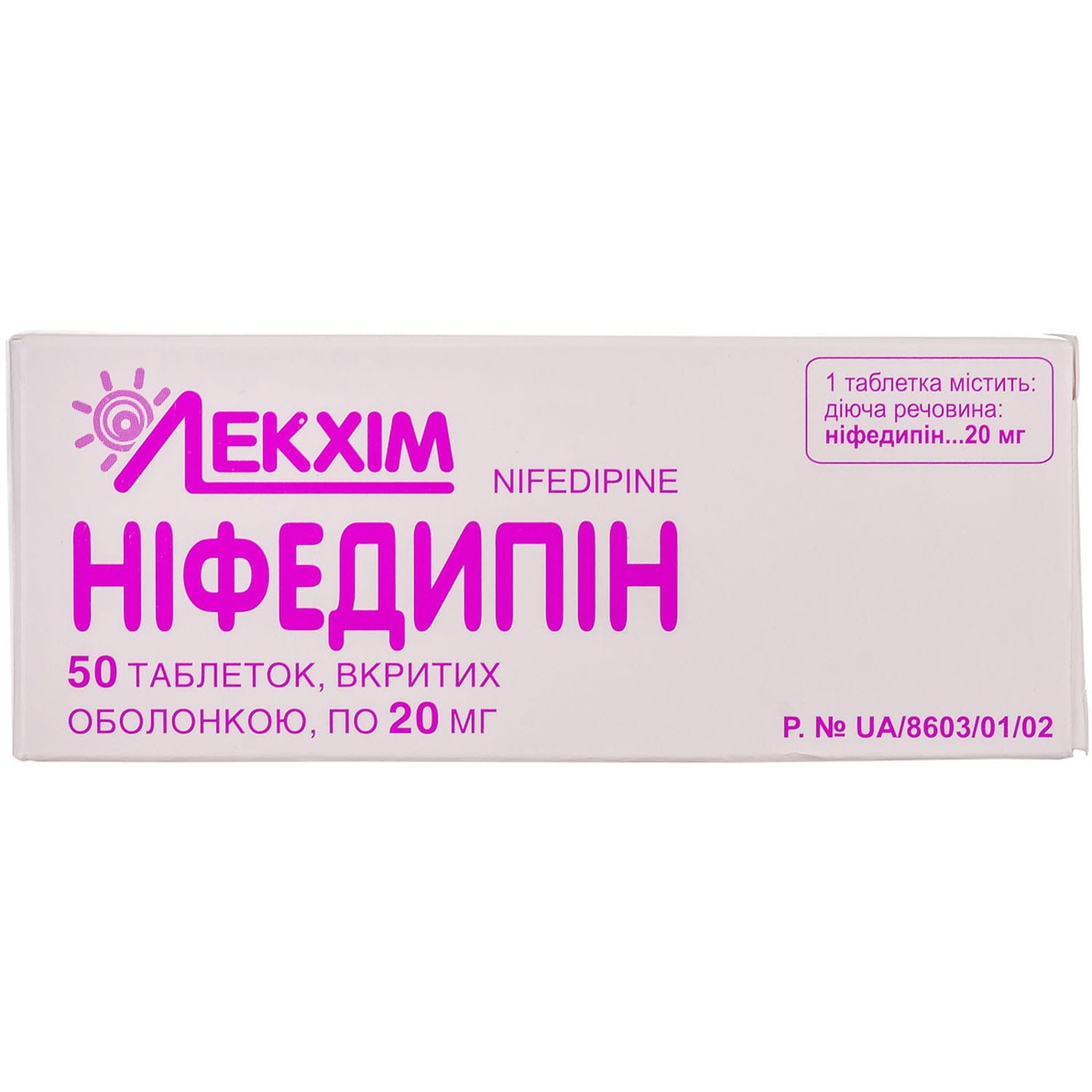
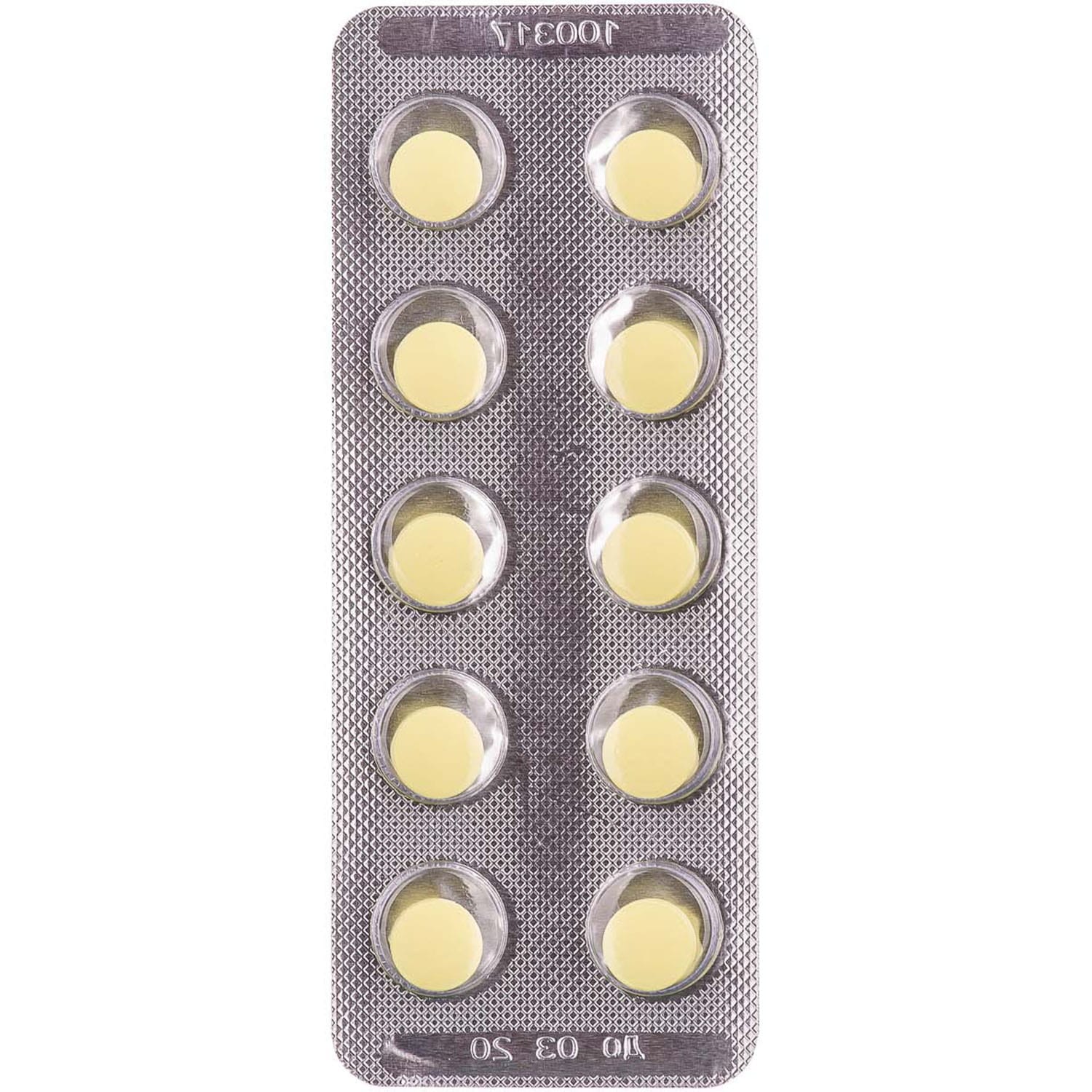

Nifedipine film-coated tablets 20 mg 50 pcs.
$12.04
Free Worldwide Shipping
to: Australia, Belgium, Canada, Czechia, Denmark, Estonia, Finland, Greece, Hungary, Ireland, Israel, Italy, Japan, Kuwait, Latvia, Lithuania, Mexico, Moldova, Netherlands, Norway, Poland, Romania, Slovakia, South Korea, Switzerland, United Kingdom, United States and more
🏖️ Hello! We are on vacation!
We are still accepting orders on our website; however, order processing and shipping will resume after September 10. If you place an order during our vacation, we will contact you and remind you about the temporary shipping delay. Starting September 10, all orders received during this period will be processed and shipped in the order they were placed. If your order contains a product with less than one year remaining before its expiration date, we will notify you after September 10 and proceed according to your instructions. If you decide to cancel an order placed during our vacation, simply contact us through the contact form on our website, and we will be happy to assist you. Thank you for your understanding, and we apologize for any inconvenience caused.
In stock
Nifedipine tablets are used for hypertension and angina, improving blood flow and reducing cardiac load, with dosing adjusted individually by a doctor
Payment
PayPal, Debit or Credit card, Google Pay, Apple Pay
Nifedipine tablets are indicated for arterial hypertension; ischemic heart disease: chronic stable angina, vasospastic angina (Prinzmetal’s angina).
Composition
Active ingredient: nifedipine;
1 tablet contains nifedipine 10 mg or 20 mg;
Excipients: lactose monohydrate, potato starch, microcrystalline cellulose, povidone, sodium lauryl sulfate, magnesium stearate, hypromellose (hydroxypropylmethylcellulose), polysorbate 80, titanium dioxide (E 171), polyethylene glycol 6000, talc, quinoline yellow (E 104).
Contraindication
- hypersensitivity to the active substance or to any of the components of the medicinal product;
- hypersensitivity to other dihydropyridines;
- cardiogenic shock;
- severe aortic stenosis;
- porphyria;
- condition during myocardial infarction or within a month after it;
- secondary prevention of myocardial infarction;
- combination with rifampicin (due to the inability to achieve effective plasma levels of nifedipine due to enzyme induction);
- unstable angina;
- inflammatory bowel disease or Crohn’s disease.
Method of application
The dose of the drug and the duration of the course of treatment are determined by the doctor individually, taking into account the severity of the disease and the patient’s response to treatment.
Depending on the clinical picture, in each individual case the main dose should be administered gradually. In patients with impaired liver function, careful monitoring of its condition may be necessary, and in severe cases – a dose reduction.
Application features
Pregnant women
Nifedipine is contraindicated for use during pregnancy up to the 20th week.
Children
The drug is not used in children (under 18 years of age).
Drivers
When using the drug, it is not recommended to drive vehicles and work with other potentially dangerous mechanisms.
Overdose
Symptoms: headache, facial flushing, prolonged systemic hypotension, absence of pulse on peripheral arteries. In severe cases, tachycardia or bradycardia, sinus node dysfunction, slowing of atrioventricular conduction, hyperglycemia, metabolic acidosis and hypoxia, collapse with loss of consciousness and cardiogenic shock, which is accompanied by pulmonary edema, impaired consciousness up to coma.
Treatment. Emergency measures should primarily be aimed at removing the drug from the body and restoring stable hemodynamics. Patients should be constantly monitored for cardiovascular and respiratory function, blood sugar and electrolyte levels (potassium, calcium), daily diuresis, and circulating blood volume. Calcium-containing drugs may be administered. If calcium administration is not effective enough, sympathomimetics such as dopamine or noradrenaline may be used to stabilize blood pressure. Doses of these drugs are selected based on the achieved therapeutic effect. Bradycardia can be treated with beta-sympathomimetics. In case of life-threatening heart rate deceleration, the use of an artificial pacemaker is recommended. Additional fluid administration should be approached with great caution, as this increases the risk of cardiac overload.
Side effects
- From the cardiovascular system: increased heartbeat; tachycardia; at the beginning of therapy in patients with angina pectoris, an increase in the frequency, duration of attacks or an increase in the severity of symptoms is possible; cases of asymptomatic myocardial ischemia, exacerbation of existing myocardial ischemia, cardiac conduction disorders, pain in the chest (angina pectoris).
- From the blood and lymphatic system: changes in blood count, thrombocytopenia, anemia, leukopenia, aplastic anemia; agranulocytosis.
- From the nervous system: headache, dizziness, increased fatigue, weakness; paresthesia, increased excitability, sleep disorders (insomnia, drowsiness, restless sleep), balance disorders, depression; tremor, impaired coordination of movements, feeling of danger, dysesthesia, migraine, loss of consciousness.
- On the part of the organs of vision: temporary blindness at the maximum concentration of nifedipine in the blood serum, temporary retinal ischemia, excessive tearing (lacrimation); decreased visual acuity, eye pain.
- From the side of the organs of hearing and inner ear: ringing in the ears.
- Respiratory, thoracic and mediastinal disorders: dyspnoea; epistaxis; upper respiratory tract infections, cough and nasal congestion; angioedema.
- Gastrointestinal: constipation; diarrhea, nausea, abdominal pain, dry mouth, flatulence; vomiting, gingival hypertrophy, belching; black stools, heartburn, taste disturbance, dysphagia, intestinal obstruction, intestinal ulcer, gastroesophageal sphincter insufficiency.
- From the kidneys and urinary tract: polyuria, nocturia; hematuria, dysuria.
- Skin and subcutaneous tissue disorders: rash, itching, redness, erythema of the cheeks (redness of the face); urticaria, excessive sweating, chills, purpura; in cases of long-term use of nifedipine, gingival hyperplasia is possible, which completely resolves after discontinuation of the drug; toxicodermic necrolysis, Stevens-Johnson syndrome, exfoliative dermatitis, erythema multiforme, photosensitivity, alopecia.
- Immune system disorders: allergic reactions, angioedema; itching, urticaria, rash; anaphylactic/anaphylactoid reactions.
- Musculoskeletal and connective tissue disorders: back pain, muscle pain, joint swelling; gout, joint pain, arthritis with positive antinuclear antibodies; muscle cramps.
- Metabolism and digestion: hyperglycemia (especially in patients with diabetes mellitus), weight gain, bezoar.
- Vascular system: edema of the feet, ankles or lower legs, vasodilation; arterial hypotension, symptomatic hypotension, orthostatic hypotension.
- From the liver and biliary tract: cholestasis; toxic-allergic hepatitis, jaundice, transient increase in liver enzyme activity.
- On the part of the reproductive system and mammary glands: gynecomastia – the process is reversible, the symptoms disappear after stopping nifedipine; erectile dysfunction.
- General disorders: malaise, fever, nonspecific pain.
- Mental disorders: depression, paranoid syndrome, anxiety, decreased libido.
Interaction
Diltiazem reduces the dissolution of nifedipine, which may require a dose reduction.
Vincristine. With simultaneous use of vincristine, a weakening of the excretion of vincristine is observed.
Cephalosporin. With the simultaneous use of nifedipine and cephalosporin, there is an increase in the level of cephalosporin in the plasma.
Grapefruit juice: Grapefruit juice may increase the serum concentration of nifedipine and enhance its hypotensive effect and the incidence of vasodilatory side effects.
Storage conditions
Store in the original packaging at a temperature not exceeding 25 °C.
Keep out of reach of children.
Shelf life – 3 years.
You may also like

Reviews
There are no reviews yet.