
🇦🇺 Australia
🇧🇪 Belgium
🇨🇦 Canada
🇨🇿 Czechia
🇩🇰 Denmark
🇪🇪 Estonia
🇫🇮 Finland
🇬🇷 Greece
🇭🇺 Hungary
🇮🇪 Ireland
🇮🇱 Israel
🇮🇹 Italy
🇯🇵 Japan
🇰🇼 Kuwait
🇱🇻 Latvia
🇱🇹 Lithuania
🇲🇽 Mexico
🇲🇩 Moldova
🇳🇱 Netherlands
🇳🇴 Norway
🇵🇱 Poland
🇷🇴 Romania
🇸🇰 Slovakia
🇰🇷 South Korea
🇨🇭 Switzerland
🇬🇧 United Kingdom
🇺🇸 United States of America
and more
🇦🇺 Australia
🇧🇪 Belgium
🇨🇦 Canada
🇨🇿 Czechia
🇩🇰 Denmark
🇪🇪 Estonia
🇫🇮 Finland
🇬🇷 Greece
🇭🇺 Hungary
🇮🇪 Ireland
🇮🇱 Israel
🇮🇹 Italy
🇯🇵 Japan
🇰🇼 Kuwait
🇱🇻 Latvia
🇱🇹 Lithuania
🇲🇽 Mexico
🇲🇩 Moldova
🇳🇱 Netherlands
🇳🇴 Norway
🇵🇱 Poland
🇷🇴 Romania
🇸🇰 Slovakia
🇰🇷 South Korea
🇨🇭 Switzerland
🇬🇧 United Kingdom
🇺🇸 United States of America
and more


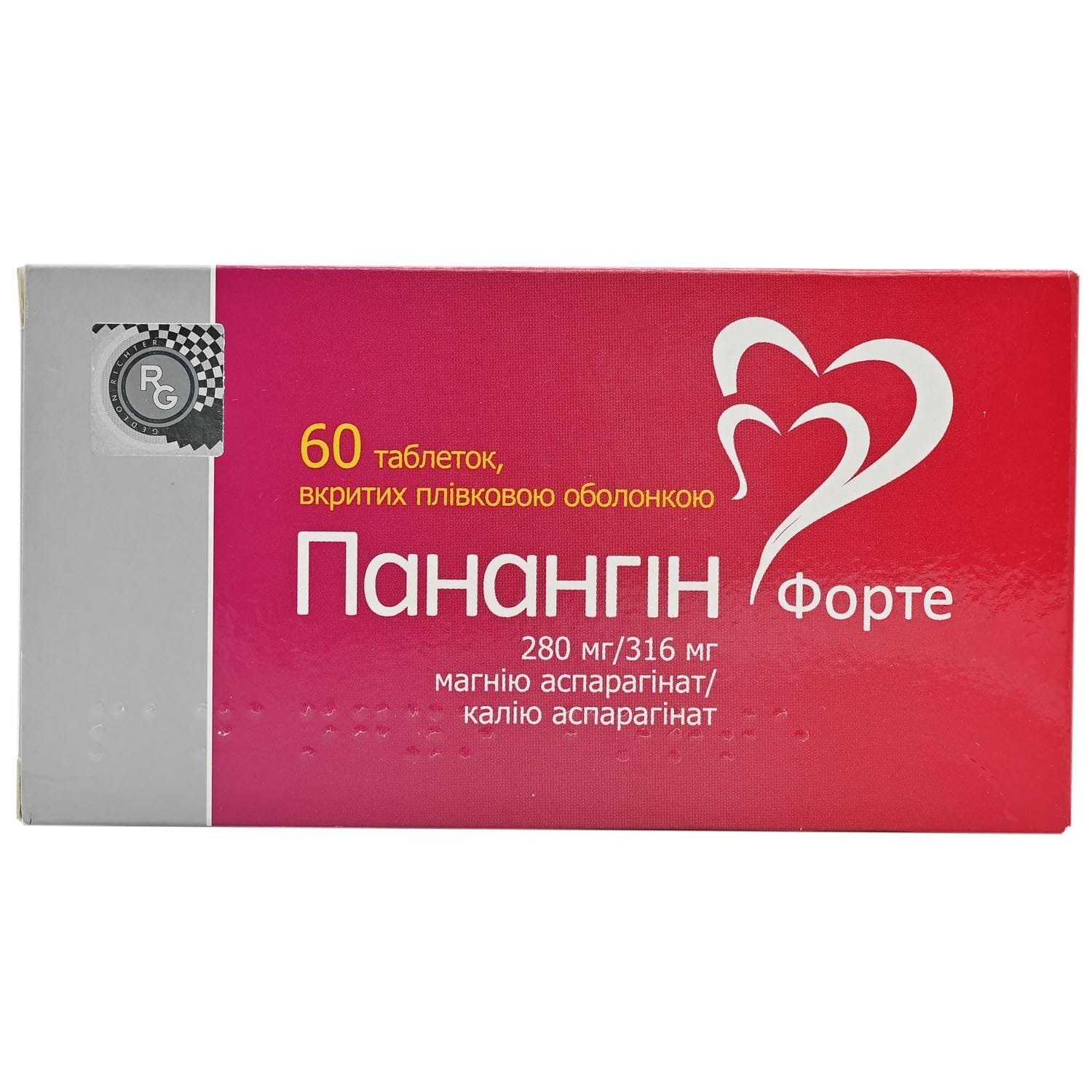
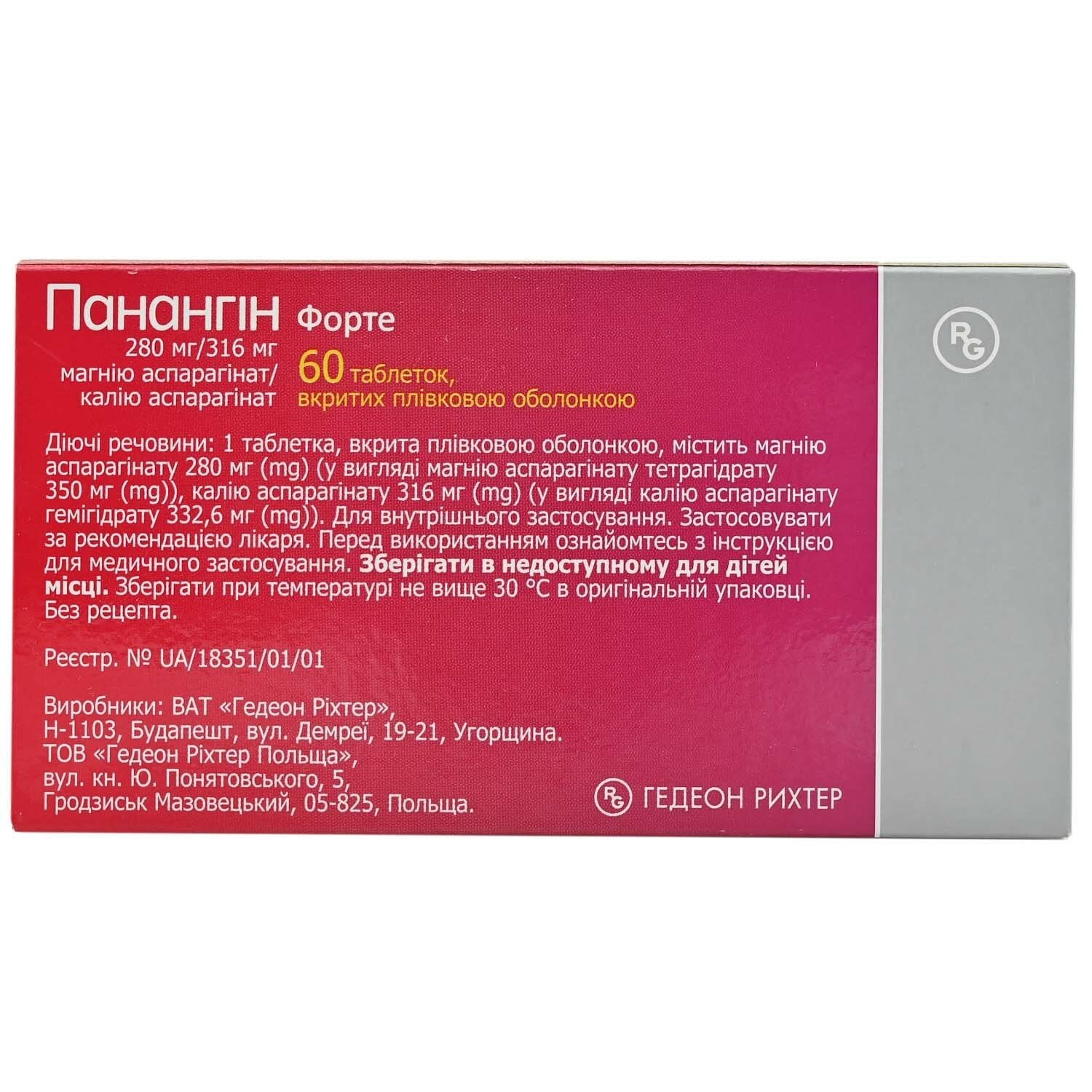


Panangin forte film-coated tablets 280 mg/316 mg 60 pieces
$32.31
Free Worldwide Shipping
to: Australia, Belgium, Canada, Czechia, Denmark, Estonia, Finland, Greece, Hungary, Ireland, Israel, Italy, Japan, Kuwait, Latvia, Lithuania, Mexico, Moldova, Netherlands, Norway, Poland, Romania, Slovakia, South Korea, Switzerland, United Kingdom, United States and more
🏖️ Hello! We are on vacation!
We are still accepting orders on our website; however, order processing and shipping will resume after September 10. If you place an order during our vacation, we will contact you and remind you about the temporary shipping delay. Starting September 10, all orders received during this period will be processed and shipped in the order they were placed. If your order contains a product with less than one year remaining before its expiration date, we will notify you after September 10 and proceed according to your instructions. If you decide to cancel an order placed during our vacation, simply contact us through the contact form on our website, and we will be happy to assist you. Thank you for your understanding, and we apologize for any inconvenience caused.
In stock
Panangin Forte tablets provide magnesium and potassium support, helping maintain heart function, electrolyte balance, and cardiovascular health.
Payment
PayPal, Debit or Credit card, Google Pay, Apple Pay
Orders Temporarily Unavailable
Due to temporary postal service disruptions, we are currently unable to accept orders.
Panangin Forte tablets belong to the group of minerals. They are indicated for use in:
- additional therapy for chronic heart diseases (heart failure, patients in the post-infarction period) and heart rhythm disorders (primarily ventricular arrhythmias), on the recommendation of a doctor;
- additional therapy in the treatment of digitalis drugs, on the recommendation of a doctor;
- as a dietary supplement to increase magnesium and potassium levels in the body.
Composition
1 film-coated tablet contains:
280 mg of magnesium asparaginate (as 350 mg of magnesium asparaginate tetrahydrate);
316 mg of potassium asparaginate (as 332.6 mg of potassium asparaginate hemihydrate);
excipients: colloidal anhydrous silicon dioxide; povidone K-30; potato starch; magnesium stearate; talc; corn starch;
film coating: macrogol 6000; titanium dioxide (E 171); butylated methacrylate copolymer (Eudragit E); talc.
Contraindication
- hypersensitivity to the active substances or to any of the excipients of the drug;
- acute or chronic renal failure;
- Addison’s disease;
- atrioventricular block III degree;
- cardiogenic shock (blood pressure < 90 mm Hg);
Method of application
For internal use.
The recommended daily dose is 1 tablet 3 times a day.
The maximum daily dose is 1 tablet 3 times a day.
The course of treatment is determined by the doctor.
Gastric juice may reduce the effectiveness of the drug, so it is recommended to take Panangin Forte after meals.
Application features
Pregnant women
Use during pregnancy or breastfeeding.
To date, there is no data on any harmful effects when using the drug Panangin Forte in this category of patients.
Children
The safety and efficacy of Panangin Forte film-coated tablets in children and adolescents have not been established. The drug is not recommended for use in this group of patients.
Drivers
Panangin Forte does not affect the ability to drive vehicles and other mechanisms.
Overdose
Large doses of Panangin Forte may cause an increase in bowel movements due to the magnesium content.
Symptoms of hyperkalemia: general weakness, paresthesias, bradycardia, paralysis. Extremely high plasma potassium concentrations can lead to death from cardiac depression, arrhythmia, or cardiac arrest.
Symptoms of hypermagnesemia: nausea, vomiting, drowsiness, hypotension, bradycardia, weakness, slurred speech, double vision. At very high plasma concentrations of magnesium, hyporeflexia, muscle paralysis, respiratory arrest and cardiac arrest may develop.
Treatment.
In case of overdose, the drug should be discontinued and, if necessary, symptomatic treatment should be carried out (intravenous calcium chloride, dialysis if necessary).
Side effects
On the part of the gastrointestinal tract: when using large doses of the drug, an increase in the frequency of bowel movements is possible.
According to some reports, nausea, vomiting, and abdominal pain may occur.
Storage conditions
Store at a temperature not exceeding 30 ºС in the original packaging.
Keep out of reach of children.
Shelf life – 2 years.
You may also like

Reviews
There are no reviews yet.