
🇦🇺 Australia
🇧🇪 Belgium
🇨🇦 Canada
🇨🇿 Czechia
🇩🇰 Denmark
🇪🇪 Estonia
🇫🇮 Finland
🇬🇷 Greece
🇭🇺 Hungary
🇮🇪 Ireland
🇮🇱 Israel
🇮🇹 Italy
🇯🇵 Japan
🇰🇼 Kuwait
🇱🇻 Latvia
🇱🇹 Lithuania
🇲🇽 Mexico
🇲🇩 Moldova
🇳🇱 Netherlands
🇳🇴 Norway
🇵🇱 Poland
🇷🇴 Romania
🇸🇰 Slovakia
🇰🇷 South Korea
🇨🇭 Switzerland
🇬🇧 United Kingdom
🇺🇸 United States of America
and more
🇦🇺 Australia
🇧🇪 Belgium
🇨🇦 Canada
🇨🇿 Czechia
🇩🇰 Denmark
🇪🇪 Estonia
🇫🇮 Finland
🇬🇷 Greece
🇭🇺 Hungary
🇮🇪 Ireland
🇮🇱 Israel
🇮🇹 Italy
🇯🇵 Japan
🇰🇼 Kuwait
🇱🇻 Latvia
🇱🇹 Lithuania
🇲🇽 Mexico
🇲🇩 Moldova
🇳🇱 Netherlands
🇳🇴 Norway
🇵🇱 Poland
🇷🇴 Romania
🇸🇰 Slovakia
🇰🇷 South Korea
🇨🇭 Switzerland
🇬🇧 United Kingdom
🇺🇸 United States of America
and more
Dear Customers! Due to temporary issues affecting postal carriers, delivery times may be longer than usual!
Dear Customers! Due to temporary issues affecting postal carriers, delivery times may be longer than usual!
Dear Customers! Due to temporary issues affecting postal carriers, delivery times may be longer than usual!
Dear Customers! Due to temporary issues affecting postal carriers, delivery times may be longer than usual!
Dear Customers! Due to temporary issues affecting postal carriers, delivery times may be longer than usual!
Dear Customers! Due to temporary issues affecting postal carriers, delivery times may be longer than usual!


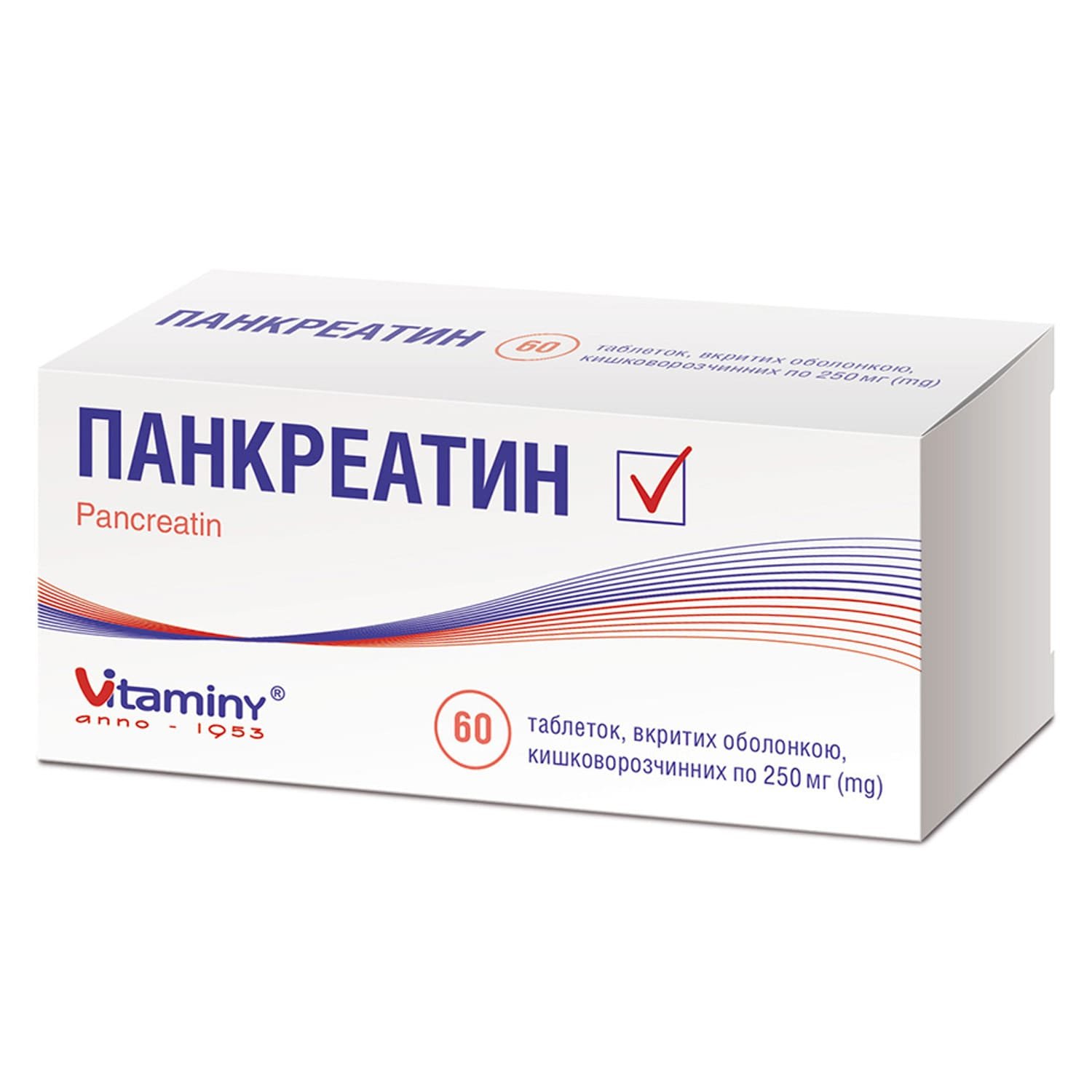

Pancreatin enteric-coated tablets 250 mg 60 pcs.
$16.59
Free Worldwide Shipping
to: Australia, Belgium, Canada, Czechia, Denmark, Estonia, Finland, Greece, Hungary, Ireland, Israel, Italy, Japan, Kuwait, Latvia, Lithuania, Mexico, Moldova, Netherlands, Norway, Poland, Romania, Slovakia, South Korea, Switzerland, United Kingdom, United States and more
🏖️ Hello! We are on vacation!
We are still accepting orders on our website; however, order processing and shipping will resume after September 10. If you place an order during our vacation, we will contact you and remind you about the temporary shipping delay. Starting September 10, all orders received during this period will be processed and shipped in the order they were placed. If your order contains a product with less than one year remaining before its expiration date, we will notify you after September 10 and proceed according to your instructions. If you decide to cancel an order placed during our vacation, simply contact us through the contact form on our website, and we will be happy to assist you. Thank you for your understanding, and we apologize for any inconvenience caused.
In stock
Pancreatin tablets support digestion of fats, proteins and carbohydrates, helping relieve dyspepsia, bloating and discomfort after heavy meals.
Payment
PayPal, Debit or Credit card, Google Pay, Apple Pay
Composition and form of release
Composition
Active ingredient: pancreatin;
1 tablet contains 250 mg of pancreatin, which corresponds to an activity of at least 1000 amylolytic U Ph. Eur., 1200 lipolytic U Ph. Eur., 80 proteolytic U Ph. Eur.;
Excipients: lactose, monohydrate; povidone; calcium stearate; acrylic pink 93O34055 [mixture of substances: methacrylate copolymer (type C), talc, titanium dioxide (E 171), triethyl citrate, carmine (E 120), colloidal anhydrous silica, sodium bicarbonate, sodium lauryl sulfate, ponceau 4R (E 124), indigo carmine (E 132)].
Release form
The film-coated tablets are enteric-coated.
Pharmacological properties
Pharmacodynamics. Enzyme preparation from the pancreas of cattle and pigs. The pancreatic enzymes included in the preparation: lipase, amylase, trypsin, chymotrypsin facilitate the process of digestion of proteins, carbohydrates and fats of food, contributing to a more complete absorption of nutrients in the small intestine.
Pharmacokinetics. Due to the acid-resistant coating, the enzymes are inactivated by the action of hydrochloric acid in the stomach. The dissolution of the shell and the release of enzymes begins in the duodenum. The enzymes are poorly absorbed in the digestive tract, acting in the intestinal lumen.
Indication
- dyspepsia;
- simultaneous consumption of difficult to digest vegetable, fatty and unusual foods;
- flatulence associated with the above disorders;
- acceleration of the passage of food in the intestines of a functional nature.
Contraindication
Individual hypersensitivity to pancreatin or other components of the drug. acute pancreatitis, chronic pancreatitis in the acute stage, intestinal obstruction.
Application
Adults and children over 6 years of age should take 1-2 tablets orally during or immediately after meals, without chewing, with plenty of liquid.
Depending on the type of food consumed or the severity of indigestion, take 2-4 tablets during meals for enzyme replacement therapy.
The dose of the drug and the duration of treatment are determined by the nature of the disease and are set individually by the doctor.
Children. The drug can be used in children from 6 years of age.
Special instructions
Intestinal obstruction – if symptoms suggestive of this condition are present, the possibility of intestinal strictures should be considered. It is recommended to monitor any unusual symptoms, especially when taking more than 10,000 lipase units/kg/day.
To avoid the formation of uric acid stones, the uric acid content in the urine should be controlled.
The drug contains active enzymes that can damage the oral mucosa, so the tablets should be swallowed whole, without chewing.
With prolonged use, iron preparations should be prescribed simultaneously.
When taking the drug before meals, it should be washed down with alkaline liquids (for example, Borjomi mineral water or 0.5-1% sodium bicarbonate solution).
The drug contains lactose, therefore, if the patient has been diagnosed with intolerance to some sugars, you should consult a doctor before taking this drug.
The dye Ponceau 4R (E124) in the preparation may cause allergic reactions.
Use during pregnancy or breastfeeding. Pancreatin can be used during pregnancy or breastfeeding only as prescribed by a doctor in cases where the expected benefit to the mother outweighs the potential risk to the fetus or child.
The ability to influence the reaction rate when driving vehicles or working with other mechanisms. Does not affect.
Side effects
On the part of the digestive system: diarrhea, feeling of discomfort in the epigastric region of the stomach, nausea, vomiting, flatulence, change in the nature of stools, constipation, intestinal obstruction.
On the part of the immune system: hypersensitivity reactions are possible (including rash, itching, sneezing, lacrimation, bronchospasm, dyspnea, urticaria, anaphylactic reactions, angioedema).
Cardiovascular system: tachycardia.
General disorders: feeling hot, general weakness.
Overdose
Symptoms: hyperuricemia, hyperuricosuria; in children – constipation.
When using the drug in high doses, perianal skin irritation may occur in children.
Treatment: drug withdrawal, adequate hydration, symptomatic therapy.
Interactions
With simultaneous use of pancreatin with antithrombotic agents, vitamin D antagonists and acetylsalicylic acid, the effect of these drugs is reduced. The effectiveness of non-selective monoamine reuptake inhibitors is also reduced when used together with pancreatin.
When used simultaneously with M-cholinoblockers, the anticholinergic effect is enhanced.
When using the drug, there may be a decrease in the absorption of iron and folic acid, and a decrease in the severity of the hypoglycemic effect of acarbose.
Simultaneous use of antacids containing calcium carbonate and/or magnesium hydroxide, with tannin, alcohol-containing agents may lead to a decrease in the effectiveness of pancreatin.
Storage conditions
In the original packaging at a temperature not exceeding 25 ° C. Store out of the reach of children.
You may also like


Enterogermina capsules blister 12 pcs
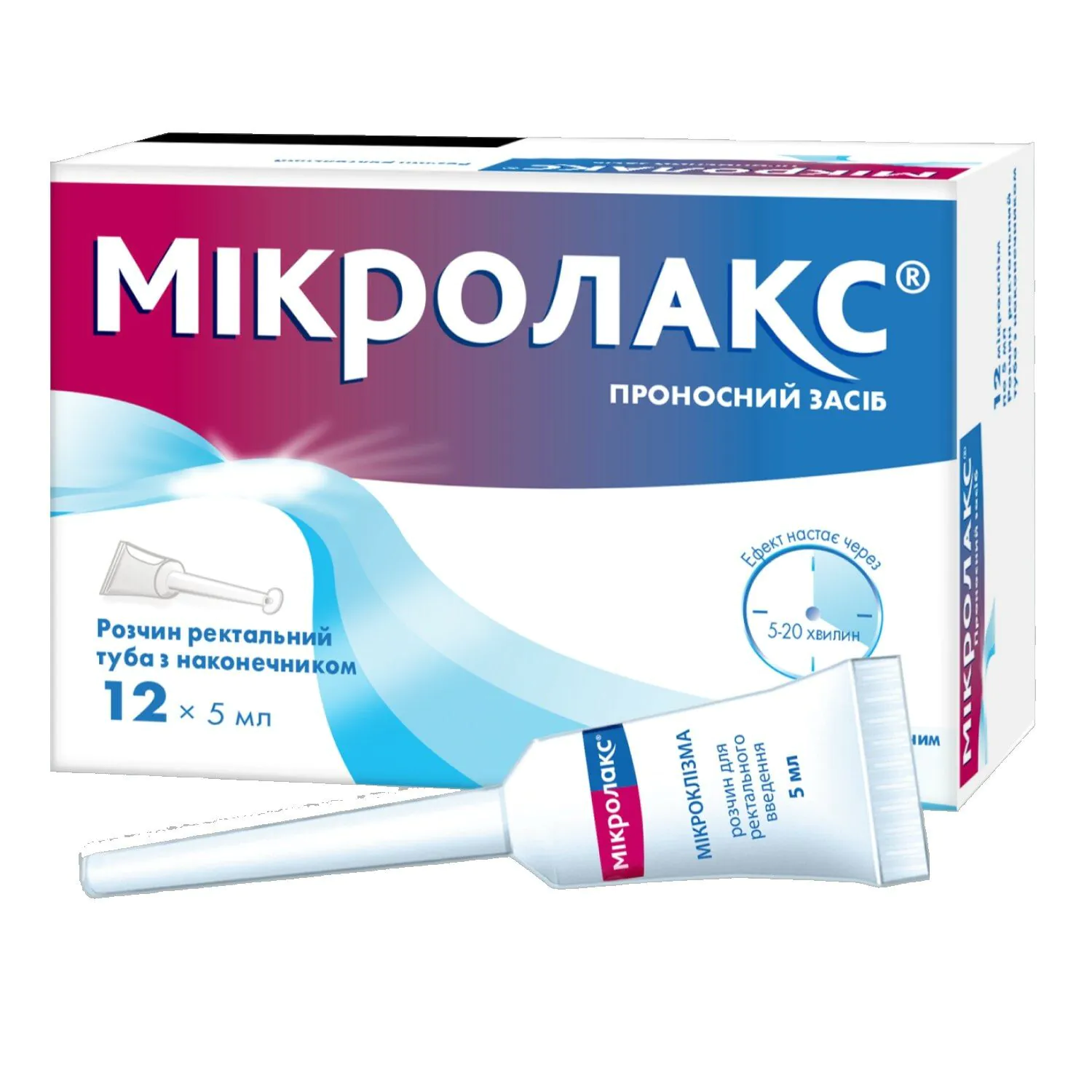
Microlax rectal solution (microclyse) in tubes with a tip of 5 ml 12 pcs.
Reviews
There are no reviews yet.