
🇦🇺 Australia
🇧🇪 Belgium
🇨🇦 Canada
🇨🇿 Czechia
🇩🇰 Denmark
🇪🇪 Estonia
🇫🇮 Finland
🇬🇷 Greece
🇭🇺 Hungary
🇮🇪 Ireland
🇮🇱 Israel
🇮🇹 Italy
🇯🇵 Japan
🇰🇼 Kuwait
🇱🇻 Latvia
🇱🇹 Lithuania
🇲🇽 Mexico
🇲🇩 Moldova
🇳🇱 Netherlands
🇳🇴 Norway
🇵🇱 Poland
🇷🇴 Romania
🇸🇰 Slovakia
🇰🇷 South Korea
🇨🇭 Switzerland
🇬🇧 United Kingdom
🇺🇸 United States of America
and more
🇦🇺 Australia
🇧🇪 Belgium
🇨🇦 Canada
🇨🇿 Czechia
🇩🇰 Denmark
🇪🇪 Estonia
🇫🇮 Finland
🇬🇷 Greece
🇭🇺 Hungary
🇮🇪 Ireland
🇮🇱 Israel
🇮🇹 Italy
🇯🇵 Japan
🇰🇼 Kuwait
🇱🇻 Latvia
🇱🇹 Lithuania
🇲🇽 Mexico
🇲🇩 Moldova
🇳🇱 Netherlands
🇳🇴 Norway
🇵🇱 Poland
🇷🇴 Romania
🇸🇰 Slovakia
🇰🇷 South Korea
🇨🇭 Switzerland
🇬🇧 United Kingdom
🇺🇸 United States of America
and more


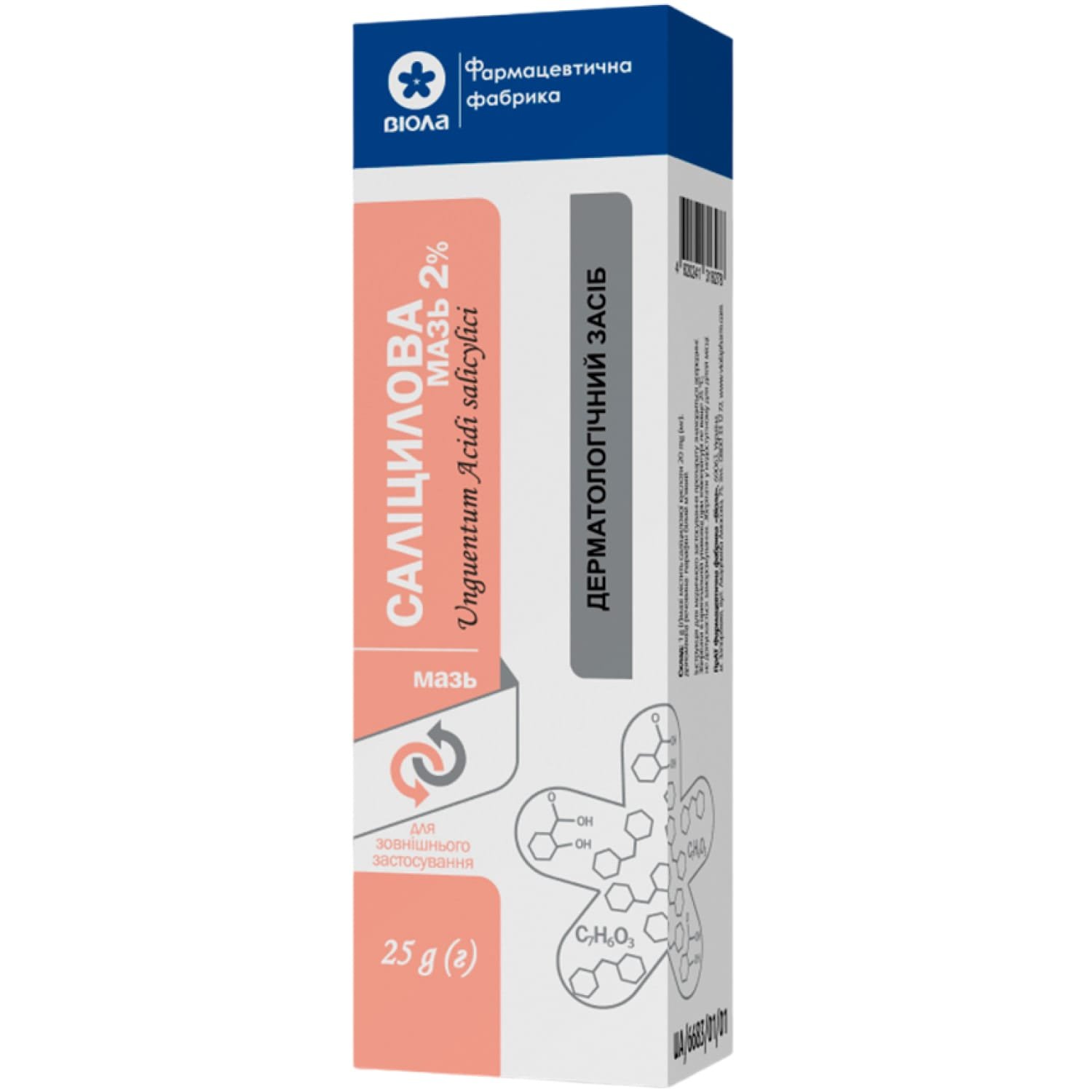
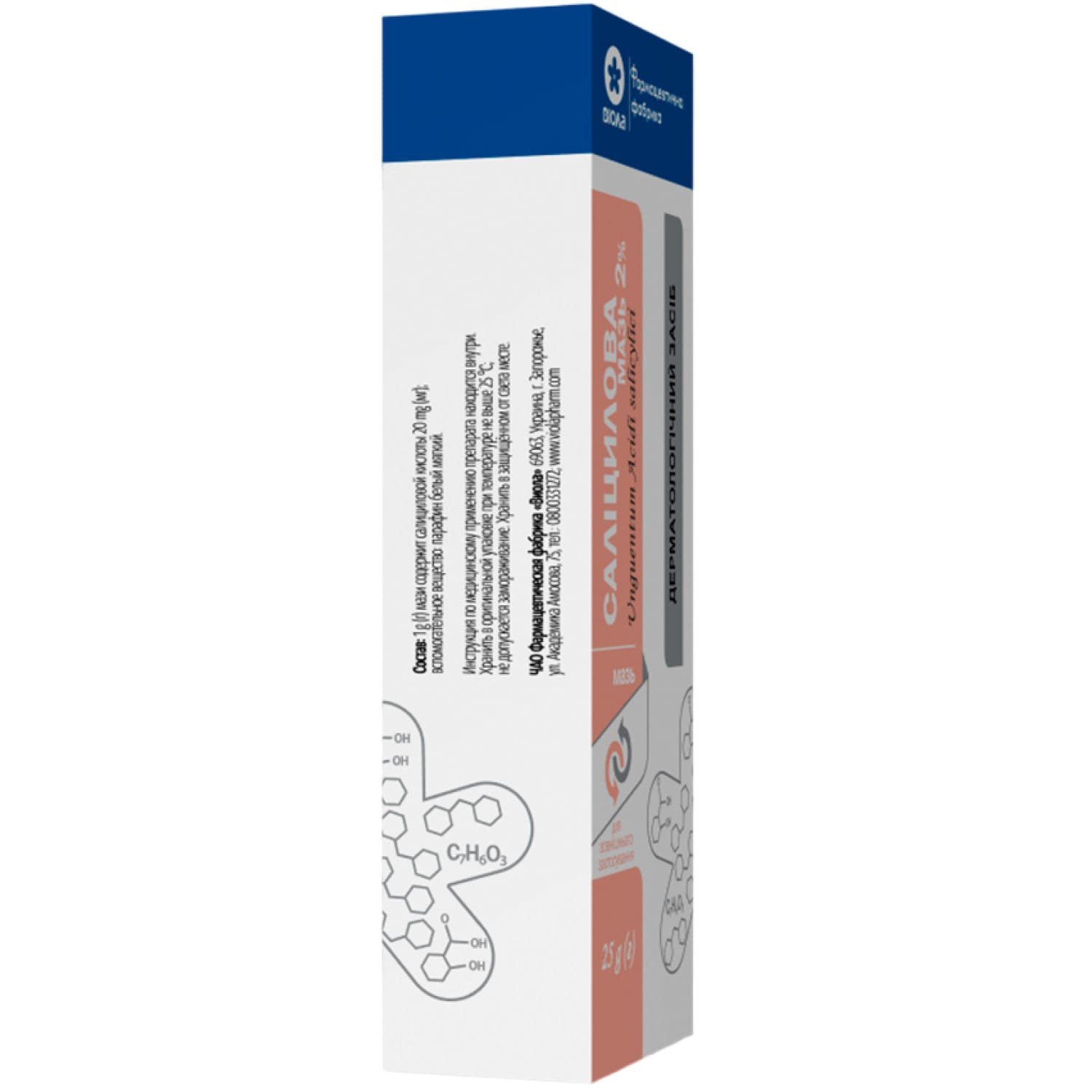
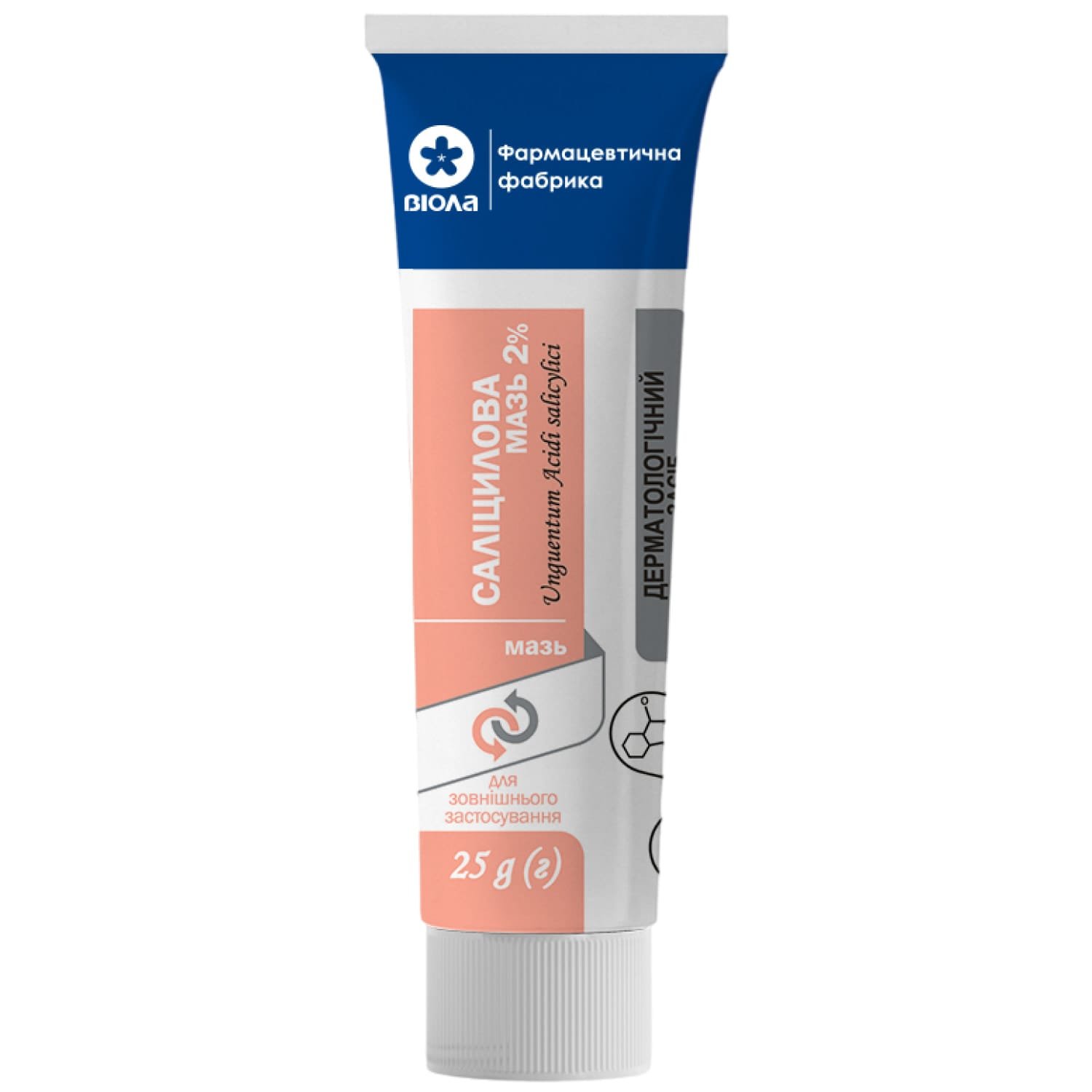
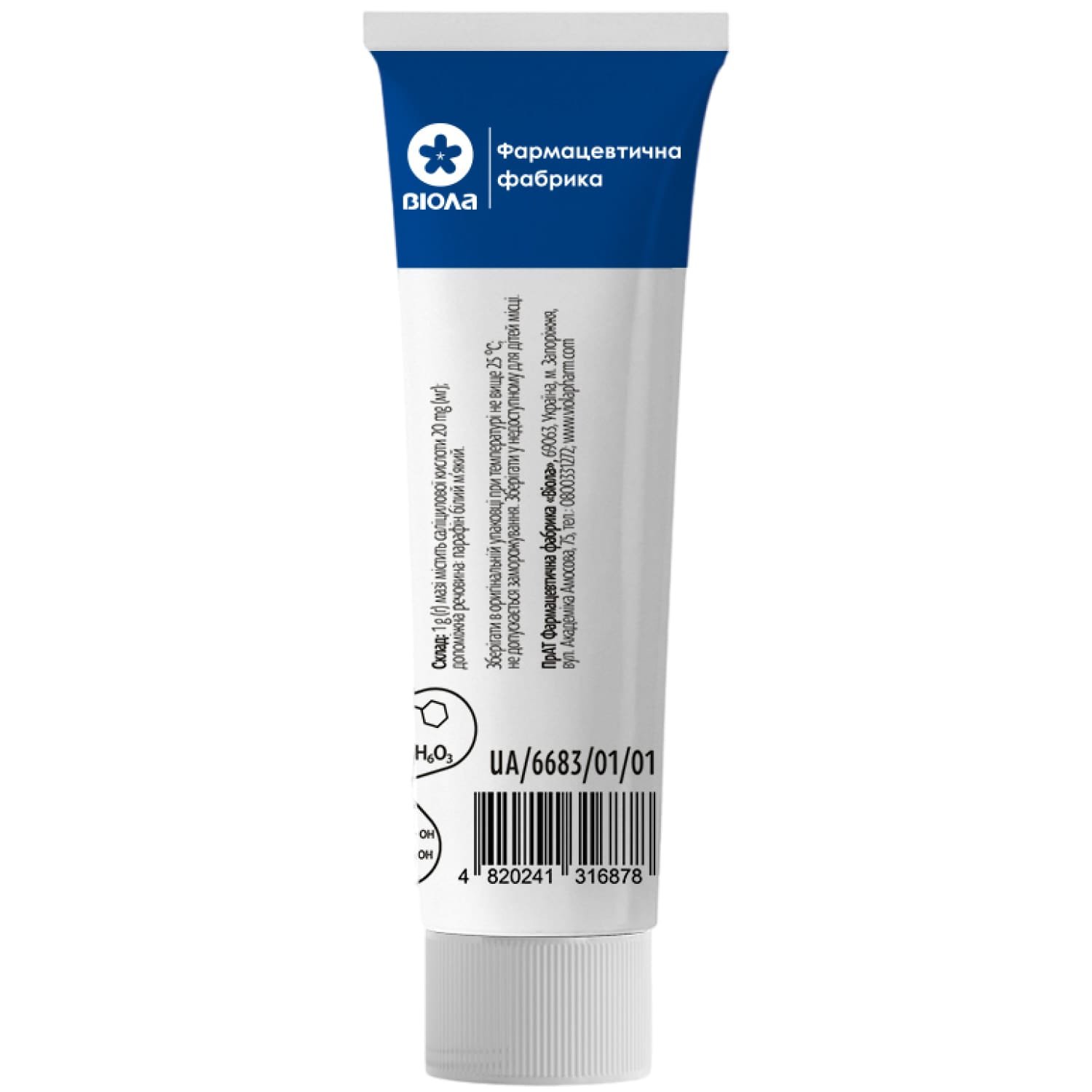


Salicylic ointment 2%, laminate tube, pack of 25 g
$13.59
Free Worldwide Shipping
to: Australia, Belgium, Canada, Czechia, Denmark, Estonia, Finland, Greece, Hungary, Ireland, Israel, Italy, Japan, Kuwait, Latvia, Lithuania, Mexico, Moldova, Netherlands, Norway, Poland, Romania, Slovakia, South Korea, Switzerland, United Kingdom, United States and more
🏖️ Hello! We are on vacation!
We are still accepting orders on our website; however, order processing and shipping will resume after September 10. If you place an order during our vacation, we will contact you and remind you about the temporary shipping delay. Starting September 10, all orders received during this period will be processed and shipped in the order they were placed. If your order contains a product with less than one year remaining before its expiration date, we will notify you after September 10 and proceed according to your instructions. If you decide to cancel an order placed during our vacation, simply contact us through the contact form on our website, and we will be happy to assist you. Thank you for your understanding, and we apologize for any inconvenience caused.
In stock
Salicylic Ointment 2% softens and removes thickened, scaly skin in hyperkeratosis, psoriasis, and other dermatological conditions.
Payment
PayPal, Debit or Credit card, Google Pay, Apple Pay
Salicylic ointment is a dermatological remedy.
Ointment 2% is used for the topical treatment of large-area hyperkeratosis (e.g. psoriasis).
Composition
- active ingredient: salicylic acid;
- 1 g of ointment contains 20 mg of salicylic acid;
- excipient: white soft paraffin.
Contraindication
Hypersensitivity to salicylic acid.
Special precautions: Do not allow the drug to get into the eyes or onto mucous membranes.
Adverse reactions
Rarely – local reactions in the form of itching, burning, skin rashes, dryness, peeling, irritation, contact dermatitis, urticaria.
With prolonged use, absorption of the drug into the general bloodstream and the development of side effects typical of salicylates are possible: tinnitus, dizziness, epigastric pain, nausea, vomiting, acidosis, rapid breathing.
If any adverse reactions occur, you should consult a doctor!
Method of application
Before applying a bandage with salicylic ointment, free the wound from necrotic masses and wash it with an antiseptic solution.
Apply the ointment to the affected areas 2-3 times a day with a sterile napkin or apply a sterile bandage soaked in the ointment to the wounds.
For severe inflammation, dilute 2% ointment with petroleum jelly in a ratio of 1:2 – 1:4 and apply 1-2 times a day; after eliminating peeling, use other products.
To treat warts and calluses, use 10% ointment.
The duration of the treatment course is from 6 to 20 days.
Application features
Do not apply the drug to large areas of skin.
Use during pregnancy or breastfeeding.
The safety and clinical efficacy of the drug during pregnancy or breastfeeding have not been studied.
Children
Experience with use in children has not been described.
Ability to influence reaction speed when driving vehicles or other mechanisms
The effect of the drug on the ability to drive vehicles and other mechanisms has not been described.
Overdose
The ointment is intended for external use only. When taken internally, heartburn and pain occur along the esophagus and in the stomach, repeated vomiting, which may be mixed with blood, sometimes – loose stools mixed with blood. Patients are excited, in a state of euphoria. Dizziness, tinnitus, hearing loss, visual impairment appear. Breathing is loud, rapid.
Treatment: gastric lavage through a probe, forced diuresis, administration of a significant amount of alkaline fluid.
When using large doses of the drug, the keratolytic effect and allergic reactions may increase. In this case, the drug should be washed off with water and a doctor should be consulted. Therapy is symptomatic.
Interaction with other medicinal products and other types of interactions
When used simultaneously with drugs for external use, new compounds with unpredictable effects may be created, which requires consultation with a doctor.
Topical application of salicylic acid should not be combined with oral use of preparations containing acetylsalicylic acid and other nonsteroidal anti-inflammatory drugs. Do not use with benzoyl peroxide and topical retinoids.
Salicylic acid may increase the skin permeability of other topical medications and thereby increase their absorption into the body. In addition, salicylic acid may enhance the undesirable effects of methotrexate and the hypoglycemic effects of oral sulfonylurea antidiabetic drugs.
If the patient is taking any other medications, it is imperative to inform the doctor.
Storage conditions
Store in the original packaging at a temperature not exceeding 25 °C; do not freeze. Keep out of the reach of children.
You may also like

Reviews
There are no reviews yet.