
🇦🇺 Australia
🇧🇪 Belgium
🇨🇦 Canada
🇨🇿 Czechia
🇩🇰 Denmark
🇪🇪 Estonia
🇫🇮 Finland
🇬🇷 Greece
🇭🇺 Hungary
🇮🇪 Ireland
🇮🇱 Israel
🇮🇹 Italy
🇯🇵 Japan
🇰🇼 Kuwait
🇱🇻 Latvia
🇱🇹 Lithuania
🇲🇽 Mexico
🇲🇩 Moldova
🇳🇱 Netherlands
🇳🇴 Norway
🇵🇱 Poland
🇷🇴 Romania
🇸🇰 Slovakia
🇰🇷 South Korea
🇨🇭 Switzerland
🇬🇧 United Kingdom
🇺🇸 United States of America
and more
🇦🇺 Australia
🇧🇪 Belgium
🇨🇦 Canada
🇨🇿 Czechia
🇩🇰 Denmark
🇪🇪 Estonia
🇫🇮 Finland
🇬🇷 Greece
🇭🇺 Hungary
🇮🇪 Ireland
🇮🇱 Israel
🇮🇹 Italy
🇯🇵 Japan
🇰🇼 Kuwait
🇱🇻 Latvia
🇱🇹 Lithuania
🇲🇽 Mexico
🇲🇩 Moldova
🇳🇱 Netherlands
🇳🇴 Norway
🇵🇱 Poland
🇷🇴 Romania
🇸🇰 Slovakia
🇰🇷 South Korea
🇨🇭 Switzerland
🇬🇧 United Kingdom
🇺🇸 United States of America
and more
Dear Customers! Due to temporary issues affecting postal carriers, delivery times may be longer than usual!
Dear Customers! Due to temporary issues affecting postal carriers, delivery times may be longer than usual!
Dear Customers! Due to temporary issues affecting postal carriers, delivery times may be longer than usual!
Dear Customers! Due to temporary issues affecting postal carriers, delivery times may be longer than usual!
Dear Customers! Due to temporary issues affecting postal carriers, delivery times may be longer than usual!
Dear Customers! Due to temporary issues affecting postal carriers, delivery times may be longer than usual!


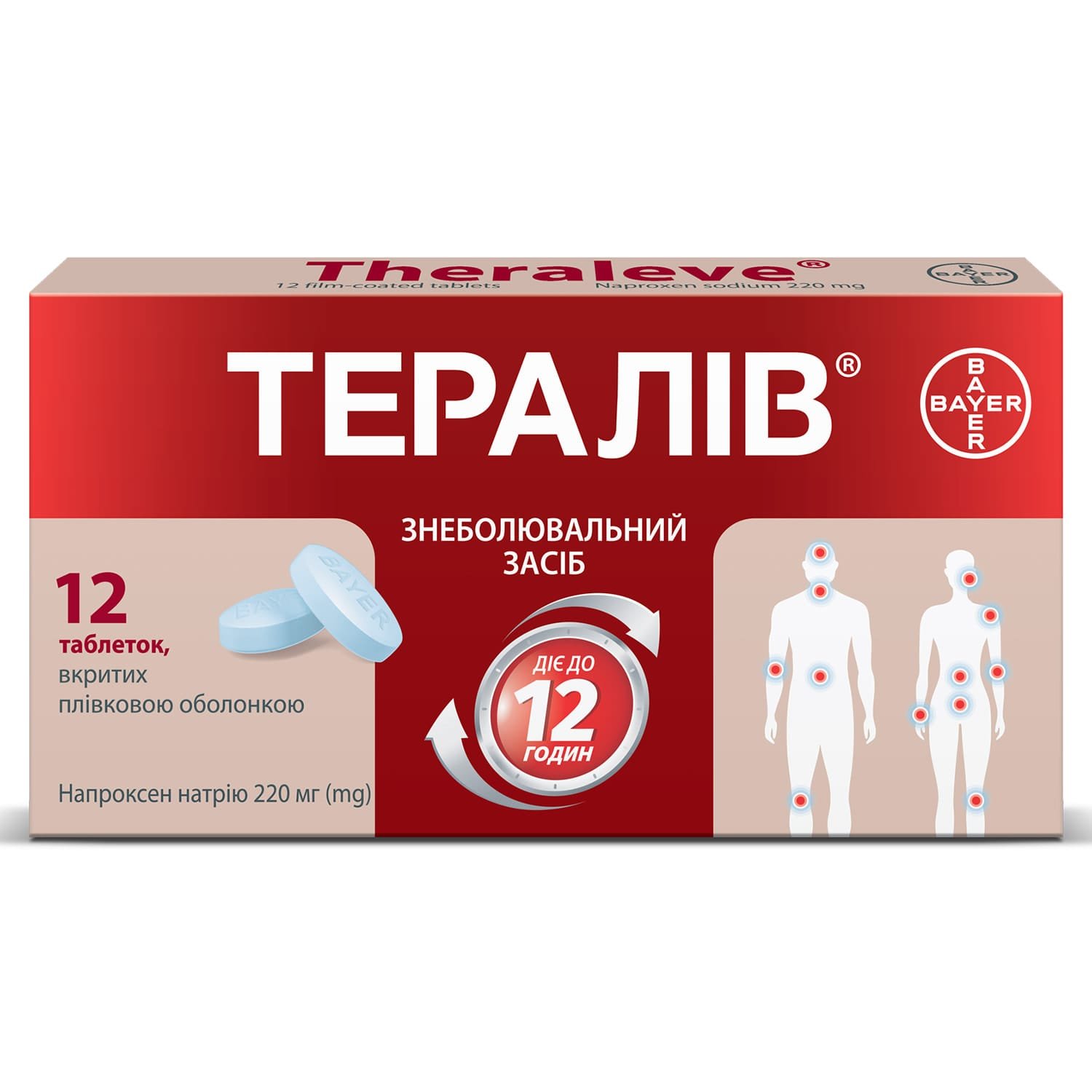
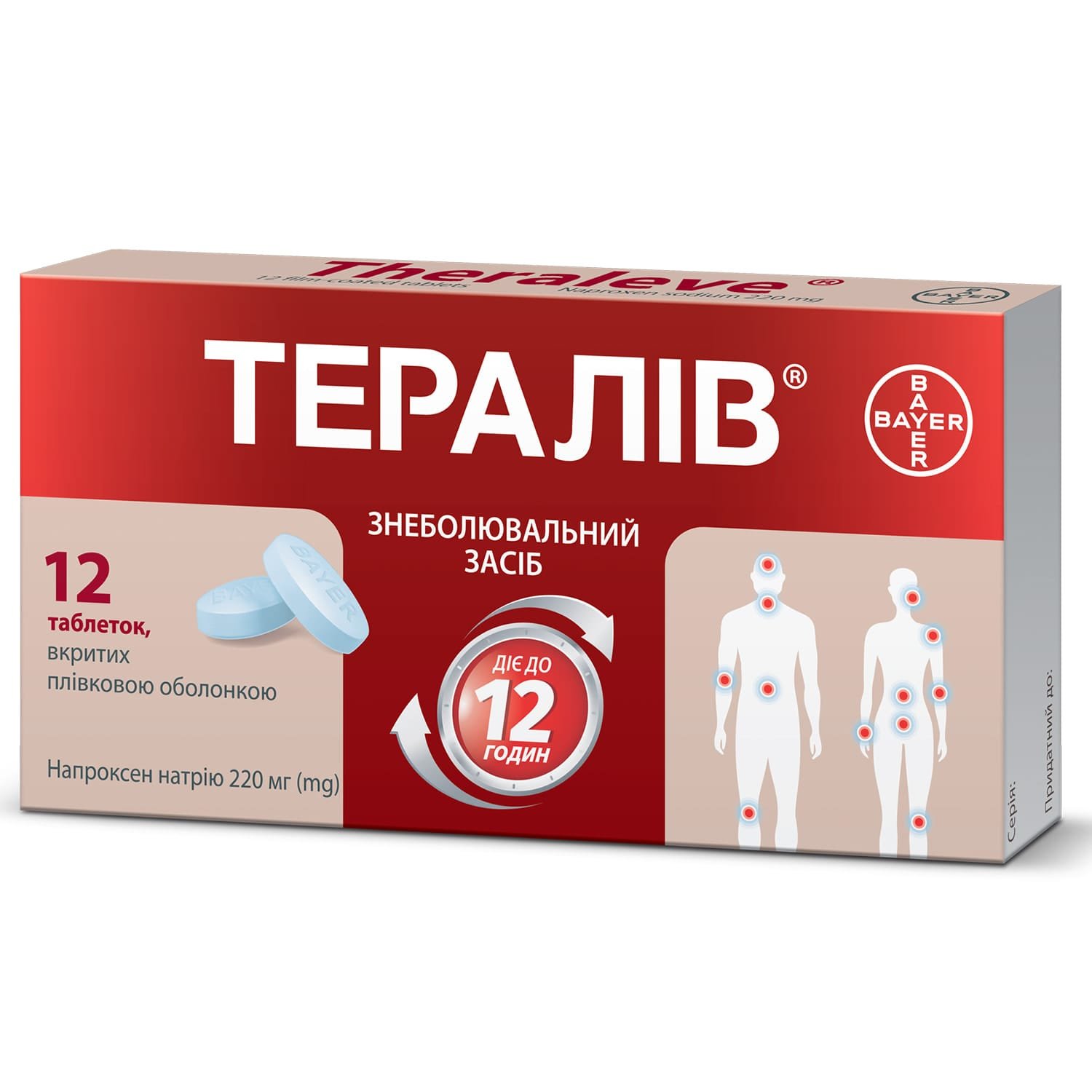


Theraleve film-coated tablets 220 mg blister 12 pcs.
$17.46
Free Worldwide Shipping
to: Australia, Belgium, Canada, Czechia, Denmark, Estonia, Finland, Greece, Hungary, Ireland, Israel, Italy, Japan, Kuwait, Latvia, Lithuania, Mexico, Moldova, Netherlands, Norway, Poland, Romania, Slovakia, South Korea, Switzerland, United Kingdom, United States and more
🏖️ Hello! We are on vacation!
We are still accepting orders on our website; however, order processing and shipping will resume after September 10. If you place an order during our vacation, we will contact you and remind you about the temporary shipping delay. Starting September 10, all orders received during this period will be processed and shipped in the order they were placed. If your order contains a product with less than one year remaining before its expiration date, we will notify you after September 10 and proceed according to your instructions. If you decide to cancel an order placed during our vacation, simply contact us through the contact form on our website, and we will be happy to assist you. Thank you for your understanding, and we apologize for any inconvenience caused.
In stock
Theraleve 220 mg tablets with naproxen sodium provide short-term relief of back, joint, muscle, headache, dental and menstrual pain, plus fever.
Payment
PayPal, Debit or Credit card, Google Pay, Apple Pay
Orders Temporarily Unavailable
Due to temporary postal service disruptions, we are currently unable to accept orders.
Theraleve is a nonsteroidal anti-inflammatory and antirheumatic drug.
Indications for use
Short-term symptomatic treatment of pain:
- in the back;
- in joints and muscles;
- post-traumatic;
- menstrual;
- dental;
- main.
And also to reduce fever during flu and colds.
Composition
- active ingredient: naproxen sodium;
- 1 tablet contains 220 mg of naproxen sodium;
- excipients: microcrystalline cellulose, povidone K30, talc, magnesium stearate;
- tablet shell: Opadry blue YS-1-4215 (hydroxypropylmethylcellulose, titanium dioxide (E 171), macrogol 8000, FD&C Blue No 2 (indigo carmine (E 132)) aluminum lacquer.
Contraindication
- Hypersensitivity to the active substance or to any of the excipients included in the medicinal product.
- History of bronchospasm, urticaria, or allergy-like symptoms after taking acetylsalicylic acid or other nonsteroidal anti-inflammatory drugs (NSAIDs).
- Third trimester of pregnancy).
- Active gastric and/or duodenal ulcer or gastrointestinal bleeding.
- Inflammatory bowel diseases (e.g. Crohn’s disease, ulcerative colitis).
- Severe liver dysfunction (cirrhosis and ascites).
- Severe renal impairment (creatinine clearance < 30 ml/min).
- Severe heart failure (NYHA class III−IV).
- Treatment of postoperative pain after coronary artery bypass grafting (or use of a cardiopulmonary bypass machine).
Adverse reactions
The following adverse reactions have been observed with the use of naproxen.
Blood and lymphatic system: Very rare: leukopenia, thrombocytopenia, agranulocytosis, aplastic anemia, eosinophilia, hemolytic anemia.
Immune system: Very rare: anaphylaxis, anaphylactoid reactions, angioedema.
Psychiatric disorders: Very rare: psychotic symptoms, depression, sleep disorders.
Nervous system: Very rare: headache, dizziness, drowsiness, fatigue. Aseptic meningitis, cognitive impairment, convulsions.
Organs of vision. Very rarely – visual impairment, corneal opacity, papillitis, retrobulbar neuritis, optic disc edema.
Hearing organs. Very rare – vertigo. Hearing disorders, tinnitus.
Cardiovascular system: Very rare: heart failure, hypertension, pulmonary edema, vasculitis.
Respiratory system: Very rare: dyspnea, asthma. Eosinophilic pneumonia.
Gastrointestinal disorders. Common: dyspepsia, nausea, heartburn, abdominal pain. Uncommon: diarrhoea, constipation, vomiting. Rare: peptic ulcers with or without bleeding/perforation, gastrointestinal bleeding, haematemesis, melena. Pancreatitis, colitis, aphthae, stomatitis, oesophagitis, intestinal ulcer. Peptic ulcers with or without bleeding/perforation, gastrointestinal bleeding, haematemesis, melena. Pancreatitis, colitis, aphthae, stomatitis, oesophagitis, intestinal ulcer
Liver and gallbladder: Very rare: hepatitis, jaundice.
Skin and subcutaneous tissue disorders: Uncommon: exanthema (rash), pruritus, urticaria.
Very rare – hair loss (in most cases reversible), porphyria, exudative erythema multiforme, epidermal necrolysis, erythema nodosum, drug eruption, lichen planus, pustular reactions, systemic lupus erythematosus, photosensitivity reactions, including cases resembling porphyria cutanea tarda (“pseudoporphyria”) or epidermolysis bullosa.
Frequency unknown – drug-induced eosinophilia with systemic symptoms (DRESS), fixed drug rash.
Kidneys and urinary tract: Uncommon: renal dysfunction, edema. Interstitial nephritis, papillonecrosis, nephrotic syndrome, acute renal failure.
General disorders: Rarely – fever.
Method of application
Film-coated tablets should be taken without chewing, with sufficient water.
Adults and adolescents aged 16 years and over: 1 film-coated tablet every 8-12 hours.
If necessary, the initial dose may be 2 film-coated tablets, followed by 1 more film-coated tablet after 12 hours if necessary.
Do not exceed the recommended dose: 3 tablets of naproxen sodium (660 mg) per day. Duration of use – 3 days. If necessary, use for more than 3 days, consult a doctor.
Elderly patients (over 65 years of age).
Unless otherwise prescribed by a doctor, no more than 2 film-coated tablets per day.
Application features
General precautions for the use of systemic nonsteroidal anti-inflammatory drugs
Gastrointestinal ulcers, bleeding or perforation may occur at any time during treatment with NSAIDs, regardless of COX-2 selectivity, even in the absence of previous symptoms or history. To minimise this risk, treatment should be initiated at the lowest effective dose for the shortest duration.
Placebo-controlled studies have shown that there is an increased risk of thrombotic cardiovascular and cerebrovascular events with certain selective COX-2 inhibitors. It is not yet known whether this risk is directly related to the COX-1/COX-2 selectivity of the individual NSAIDs. There are currently no data from comparative clinical trials comparing maximum doses and long-term treatment with naproxen, and the possibility of a similar increased risk cannot be excluded. Until such data become available, the risk-benefit ratio of naproxen should be carefully assessed in patients with clinically proven coronary heart disease, cerebrovascular disorders, peripheral arterial occlusive disease, or significant risk factors (e.g., hypertension, hyperlipidemia, diabetes mellitus, smoking). Therefore, the lowest effective dose should be used for the shortest duration possible.
Renal effects of NSAIDs include fluid retention with edema and/or hypertension. Therefore, naproxen should be used with caution in patients with heart failure and other conditions that cause fluid retention. Caution is also required in patients receiving concomitant diuretics or ACE inhibitors and in patients at increased risk of hypovolemia.
Naproxen should be taken with caution or only as prescribed and under the supervision of a doctor in the following cases:
- Elderly patients should be cautious for general medical reasons. In elderly patients, plasma concentrations of non-protein-bound naproxen are increased, while total concentrations remain unchanged; it is recommended to use the lowest effective dose in frail elderly patients or those with low body weight;
- in patients who have or have previously had bronchial asthma, the use of naproxen may lead to the development of bronchospasm;
- in case of renal failure;
- in case of heart failure;
- with impaired liver function or liver failure.
Hematological effects
Like other NSAIDs, naproxen may reduce platelet aggregation and prolong bleeding time.
This effect should be taken into account when determining the duration of bleeding. Patients with coagulation disorders or taking medications that negatively affect hemostasis should be closely monitored during treatment with naproxen-containing drugs. In patients at high risk of bleeding and in patients who are fully anticoagulated (e.g., with dicumarol derivatives), the tendency to bleed may be increased when naproxen-containing drugs are used concomitantly.
Effects on the kidneys
Caution should be exercised in patients with diseases that result in decreased blood volume and/or renal blood flow and in whom renal prostaglandins play a supporting role in maintaining renal perfusion. In such patients, the use of naproxen-containing products and other NSAIDs may result in a dose-dependent decrease in renal prostaglandin formation and may lead to renal decompensation or renal failure. The highest risk of this reaction is in patients with impaired renal function, hypovolemia, heart failure, impaired liver function or salt depletion syndrome, in patients receiving diuretics or ACE inhibitors, and in elderly patients. Naproxen-containing products should be used with greater caution in such patients, and monitoring of serum creatinine and/or creatinine clearance is recommended. To prevent excessive accumulation of naproxen metabolites in such patients, a reduction in the daily dose should be considered.
Naproxen is not recommended for patients with baseline creatinine clearance less than 20 mL/min, as accumulation of naproxen metabolites has been observed in such cases.
Due to the significant level of protein binding of naproxen, its plasma concentration is not reduced by hemodialysis.
Dermatological effects
Photosensitivity reactions may rarely occur. Therefore, exposure to sunlight (UV rays) should be reduced during treatment with naproxen.
Stevens-Johnson syndrome (SJS), toxic epidermal necrolysis (TEN), and drug-induced eosinophilia with systemic symptoms (DRESS), which can be life-threatening or fatal, have been reported in the post-marketing setting in association with the use of naproxen. If signs and symptoms suggestive of these reactions appear, the drug should be discontinued immediately. If a patient develops SJS, TEN, or DRESS while taking naproxen, treatment should not be restarted and should be permanently discontinued.
Use during pregnancy or breastfeeding
Pregnancy.
Inhibition of prostaglandin synthesis may adversely affect pregnancy and/or embryonal/fetal development. Epidemiological data suggest an increased risk of miscarriage and of cardiac malformations and gastroschisis following the use of prostaglandin synthesis inhibitors in early pregnancy. This risk is believed to be dose- and duration-dependent.
In animal studies, the use of prostaglandin synthesis inhibitors has been shown to increase pre- and post-implantation losses and embryo/fetal death. An increased incidence of various malformations has been reported in animals treated with prostaglandin synthesis inhibitors during organogenesis, including cardiovascular abnormalities.
When administered orally at a dose of 20 mg/kg/day during organogenesis in rats and rabbits, naproxen was not teratogenic (did not cause fetal malformations).
From the 20th week of pregnancy onwards, the use of the medicinal product may cause oligohydramnios (low water in the blood) due to fetal renal dysfunction. This may occur shortly after initiation of treatment and is usually reversible after discontinuation of treatment. In addition, cases of ductus arteriosus narrowing have been reported following administration of the medicinal product in the second trimester, most of which resolved after discontinuation of treatment. Therefore, during the first and second trimesters of pregnancy, naproxen should be used only when clearly needed. When naproxen is used by women attempting to conceive or during the first or second trimester of pregnancy, the dose should be kept as low as possible and the duration of treatment as short as possible. Antenatal monitoring for oligohydramnios and ductus arteriosus should be considered after exposure for several days from the 20th week of pregnancy onwards. Treatment should be discontinued if oligohydramnios or ductus arteriosus is detected.
Naproxen is contraindicated during the third trimester of pregnancy. All prostaglandin synthesis inhibitors may affect the fetus, resulting in:
- cardiopulmonary toxicity (with premature narrowing/closure of the ductus arteriosus and pulmonary hypertension);
- renal dysfunction, including renal failure with oligohydramnios (low water).
In the mother and newborn, it can lead to prolonged bleeding time (an effect of inhibiting platelet aggregation, which can occur even at very low doses); suppression of uterine contractions, which can lead to delayed or prolonged labor.
Breast-feeding.
NSAIDs are excreted in breast milk. Therefore, as a precautionary measure, naproxen should not be used in nursing women. If treatment is necessary, the infant should be transferred to formula feeding.
Children
Naproxen is not intended for use in children and adolescents under 16 years of age.
The ability to influence the reaction speed when driving vehicles or other mechanisms.
Naproxen may affect the reaction rate. This should be taken into account when driving vehicles and operating other mechanisms.
Overdose
Overdose with naproxen may cause dizziness, drowsiness, abdominal pain, stomach pain, indigestion, nausea, temporary liver dysfunction, hypoprothrombinemia, renal dysfunction, metabolic acidosis, apnea, disorientation, or vomiting. Since naproxen is sometimes rapidly absorbed, high levels of the active substance in the blood should be expected shortly after administration. Some patients have experienced seizures, but it is not known whether they are related to naproxen.
If a patient accidentally or intentionally takes a large amount of a drug containing naproxen, gastric lavage and other supportive measures should be considered. Animal studies indicate that ingestion (over 15 minutes) of 50-100 g of activated charcoal as a liquid mass within 2 hours of overdose can significantly reduce the absorption of the drug.
Due to the significant level of protein binding of naproxen, its plasma concentration is not reduced by hemodialysis.
Interaction with other medicinal products and other types of interactions
Concomitant administration with antacids or cholestyramine, as well as with food, may slow the absorption of naproxen and does not affect the extent of absorption.
Due to the significant level of binding of naproxen to plasma albumin, interaction with other drugs that bind albumin, such as coumarin anticoagulants, sulfonylurea derivatives, hydantoin, other NSAIDs and acetylsalicylic acid, is theoretically possible. During simultaneous treatment with hydantoins (phenytoin), sulfonamides or sulfonylurea derivatives, the patient’s condition should be carefully monitored due to the possible need for dose adjustment.
Clinical studies have not shown any interaction between naproxen and anticoagulants or sulfonylureas. However, caution should be exercised when co-administering, as interactions have been observed with other drugs in this class.
Naproxen may slow the irreversible inhibition of ADP-induced platelet aggregation. Pharmacodynamic data indicate that the effect of low-dose acetylsalicylic acid on platelet activity is inhibited when naproxen is taken concomitantly with low-dose acetylsalicylic acid for more than one day. This effect may persist for several days after discontinuation of naproxen. The clinical significance of this interaction is unknown. Treatment with naproxen may limit the cardiovascular protection of acetylsalicylic acid in patients at risk of cardiovascular disease.
Concomitant administration with probenecid increases the blood level and prolongs the biological half-life of naproxen.
Naproxen and methotrexate should be prescribed with caution, as naproxen and some other NSAIDs have been shown to reduce the tubular secretion of methotrexate in animal models, which likely increases its toxicity.
In addition, naproxen may reduce the hypotensive effect of beta-blockers.
There is evidence that some drugs in this class inhibit the natriuretic effect of furosemide.
Inhibition of renal clearance of lithium, leading to increased plasma lithium concentrations, has also been reported.
Impact on laboratory test results
Since naproxen may interfere with certain tests for the determination of 17-ketosteroids, treatment should be discontinued 48 hours before adrenal function tests. Naproxen may also interfere with the determination of urinary 5-hydroxyindoleacetic acid.
Naproxen causes reversible inhibition of platelet aggregation and prolongs bleeding time. This effect should be taken into account when determining bleeding time.
Storage conditions
Store in the original packaging at a temperature not exceeding 25 °C.
Keep out of reach of children.
You may also like

Reviews
There are no reviews yet.