
🇦🇺 Australia
🇧🇪 Belgium
🇨🇦 Canada
🇨🇿 Czechia
🇩🇰 Denmark
🇪🇪 Estonia
🇫🇮 Finland
🇬🇷 Greece
🇭🇺 Hungary
🇮🇪 Ireland
🇮🇱 Israel
🇮🇹 Italy
🇯🇵 Japan
🇰🇼 Kuwait
🇱🇻 Latvia
🇱🇹 Lithuania
🇲🇽 Mexico
🇲🇩 Moldova
🇳🇱 Netherlands
🇳🇴 Norway
🇵🇱 Poland
🇷🇴 Romania
🇸🇰 Slovakia
🇰🇷 South Korea
🇨🇭 Switzerland
🇬🇧 United Kingdom
🇺🇸 United States of America
and more
🇦🇺 Australia
🇧🇪 Belgium
🇨🇦 Canada
🇨🇿 Czechia
🇩🇰 Denmark
🇪🇪 Estonia
🇫🇮 Finland
🇬🇷 Greece
🇭🇺 Hungary
🇮🇪 Ireland
🇮🇱 Israel
🇮🇹 Italy
🇯🇵 Japan
🇰🇼 Kuwait
🇱🇻 Latvia
🇱🇹 Lithuania
🇲🇽 Mexico
🇲🇩 Moldova
🇳🇱 Netherlands
🇳🇴 Norway
🇵🇱 Poland
🇷🇴 Romania
🇸🇰 Slovakia
🇰🇷 South Korea
🇨🇭 Switzerland
🇬🇧 United Kingdom
🇺🇸 United States of America
and more
Dear Customers! Due to temporary issues affecting postal carriers, delivery times may be longer than usual!
Dear Customers! Due to temporary issues affecting postal carriers, delivery times may be longer than usual!
Dear Customers! Due to temporary issues affecting postal carriers, delivery times may be longer than usual!
Dear Customers! Due to temporary issues affecting postal carriers, delivery times may be longer than usual!
Dear Customers! Due to temporary issues affecting postal carriers, delivery times may be longer than usual!
Dear Customers! Due to temporary issues affecting postal carriers, delivery times may be longer than usual!


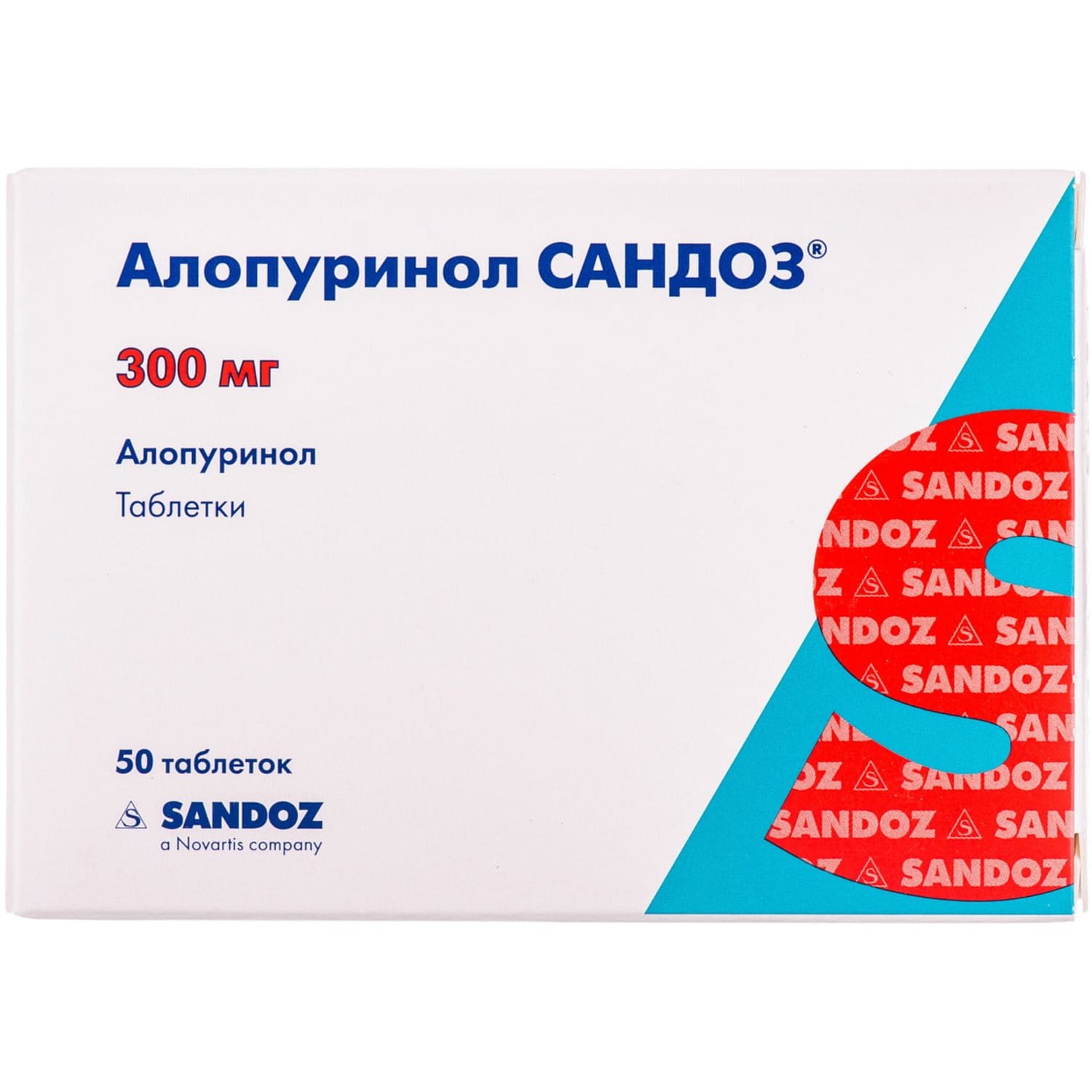
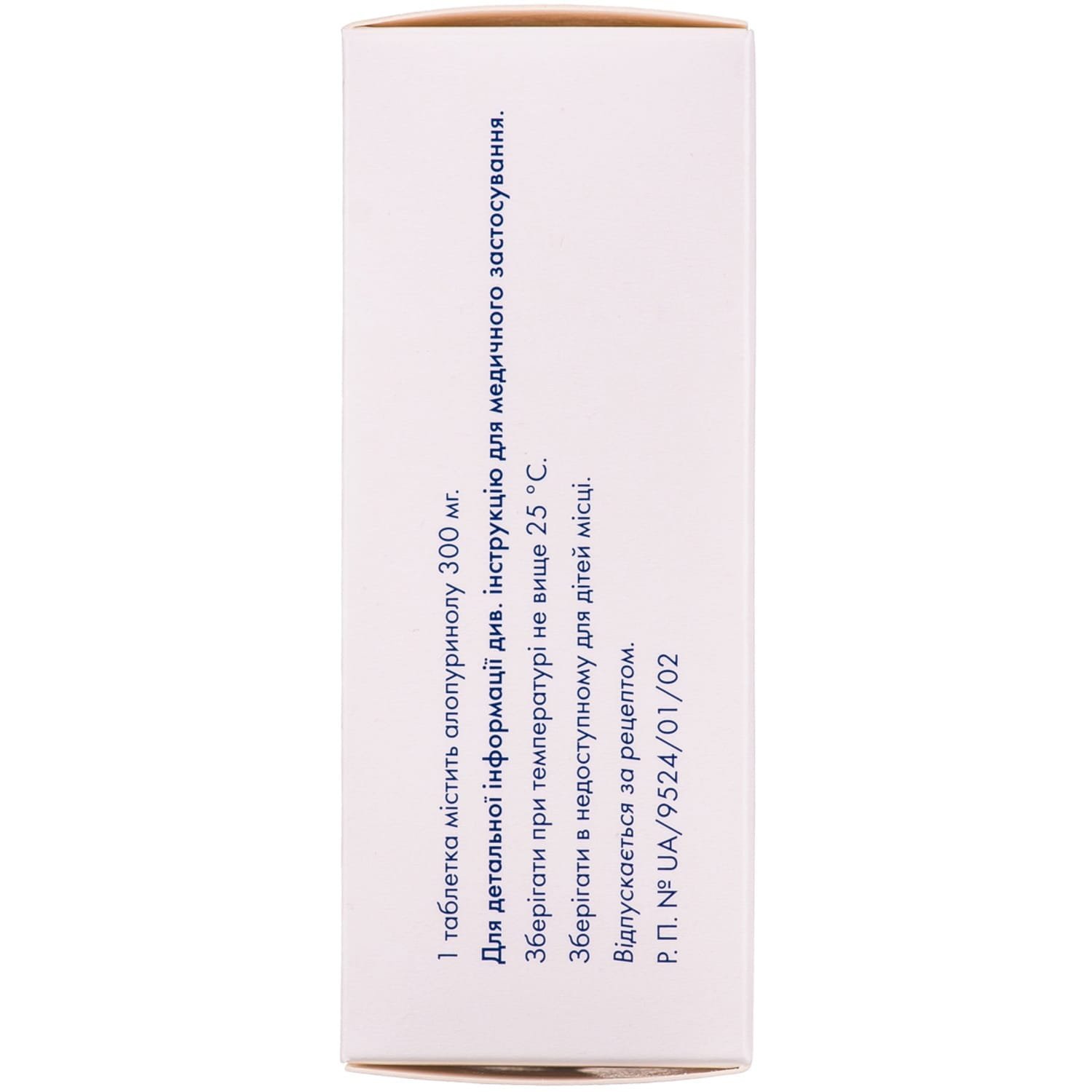


Allopurinol Sandoz tablets 300 mg 50 pcs.
$45.13
Free Worldwide Shipping
to: Australia, Belgium, Canada, Czechia, Denmark, Estonia, Finland, Greece, Hungary, Ireland, Israel, Italy, Japan, Kuwait, Latvia, Lithuania, Mexico, Moldova, Netherlands, Norway, Poland, Romania, Slovakia, South Korea, Switzerland, United Kingdom, United States and more
🏖️ Hello! We are on vacation!
We are still accepting orders on our website; however, order processing and shipping will resume after September 10. If you place an order during our vacation, we will contact you and remind you about the temporary shipping delay. Starting September 10, all orders received during this period will be processed and shipped in the order they were placed. If your order contains a product with less than one year remaining before its expiration date, we will notify you after September 10 and proceed according to your instructions. If you decide to cancel an order placed during our vacation, simply contact us through the contact form on our website, and we will be happy to assist you. Thank you for your understanding, and we apologize for any inconvenience caused.
In stock
Allopurinol Sandoz 300 mg treats gout, hyperuricemia, urate stones, and Lesch-Nyhan syndrome. Learn dosage, contraindications, and side effects here.
Payment
PayPal, Debit or Credit card, Google Pay, Apple Pay
Orders Temporarily Unavailable
Due to temporary postal service disruptions, we are currently unable to accept orders.
Allopurinol Sandoz tablets are used for the following indications:
- treatment of diseases caused by increased uric acid levels in the blood and the formation of urate/oxalate stones (e.g. gout, acute urate nephropathy and urate urolithiasis), as well as for the treatment of malignant neoplasms that potentially lead to exacerbation of all forms of hyperuricemia, namely in various hemoblastoses (acute leukemia, chronic myelogenous leukemia, lymphosarcoma), urate nephropathy resulting from the treatment of leukemia;
- congenital enzymatic deficiency, in particular Lesch-Nyhan syndrome (partial or complete deficiency of hypoxanthine-guanine phosphoribosyltransferase) or adenine phosphoribosyltransferase deficiency;
- treatment of diseases caused by insufficient activity of adenine phosphoribosyltransferase and the formation of 2,8-dihydroxyadenine kidney stones;
- treatment of diseases caused by the formation of mixed calcium-oxalate kidney stones in hyperuricosuria that are not controlled by diet.
Composition
The active substance is allopurinol (one tablet contains 300 mg of allopurinol).
Excipients: powdered cellulose, povidone, macrogol 4000, crospovidone, talc, magnesium stearate, microcrystalline cellulose.
Contraindication
Hypersensitivity to allopurinol or to any of the components of the drug.
Method of application
Adults
The daily dose is determined individually depending on the level of uric acid in the blood serum. To reduce the risk of adverse reactions, treatment should be started with 100 mg of allopurinol once a day and the dosage should be increased only if the level of uric acid in the blood serum is not sufficiently reduced.
The following dosage regimens are recommended:
- for mild conditions – from 100 mg to 200 mg per day;
- for moderately severe conditions – from 300 mg to 600 mg per day;
- in severe conditions – from 700 mg to 900 mg per day.
When calculating the dose of the drug based on the patient’s body weight, use doses of 2-10 mg/kg of body weight per day.
Children
For children over 15 years of age, the daily dose of allopurinol is 10-20 mg/kg body weight. The maximum daily dose is 400 mg. Allopurinol is rarely prescribed to children, except for malignant conditions (especially leukemia) and certain enzyme disorders, such as Lesch-Nyhan syndrome.
Application features
Pregnant women
There are insufficient data on the use of allopurinol during pregnancy. Since allopurinol affects purine metabolism and the potential risk to humans is unknown, allopurinol is not recommended for use during pregnancy.
Allopurinol passes into breast milk, so the drug should not be taken during breastfeeding.
Drivers
Until the individual response to allopurinol is determined, caution should be exercised when driving or operating machinery due to the possibility of dizziness, drowsiness, and ataxia.
Overdose
Symptoms
After a single dose of 20 g, one patient experienced symptoms such as nausea, vomiting, diarrhea, and dizziness. In another patient, a dose of 22.5 g of allopurinol did not cause any undesirable effects. After prolonged administration of 200-400 mg of allopurinol per day in patients with impaired renal function, severe symptoms of intoxication (skin reactions, fever, hepatitis, eosinophilia, and exacerbation of renal failure) have been described. In case of overdose, allopurinol significantly inhibits the activity of xanthine oxidase, but only in the case of simultaneous use with 6-mercaptopurine and azathioprine is the effect of the drug accompanied by significant side effects.
If an overdose is suspected, especially when 6-mercaptopurine and azathioprine are taken simultaneously, you can flush the stomach, induce vomiting, or take activated charcoal and sodium phosphate if no more than one hour has passed after taking the drug.
Treatment
Treatment is symptomatic. If necessary, hemodialysis. No specific antidote is known.
Side effects
At the beginning of treatment with allopurinol, reactive attacks of gout may occur. Manifestations of adverse reactions are frequent in renal and/or hepatic insufficiency or with simultaneous use with ampicillin or amoxicillin.
Blood disorders: rarely (≥ 1/10,000, <1/1000) – severe bone marrow damage (thrombocytopenia, agranulocytosis, aplastic anemia), especially in patients with renal failure.
On the part of the immune system: rarely (≥ 1/10,000, <1/1000) – delayed-type hypersensitivity reactions accompanied by fever, skin rashes, vasculitis, lymphadenopathy, pseudolymphoma, arthralgia, leukopenia, eosinophilia, hepatosplenomegaly, abnormal liver function tests (reversible increase in transaminases and alkaline phosphatase); acute cholangitis and xanthine stones.
Gastrointestinal tract: rarely (≥ 1/10,000, <1/1000) – nausea, vomiting, diarrhea.
On the part of the liver: rarely (≥ 1/10,000, <1/1000) – liver dysfunction from asymptomatic increase in liver function tests to hepatitis (including liver necrosis and granulomatous hepatitis).
Storage conditions
Store at a temperature not exceeding 25 °C, out of the reach of children.
Shelf life – 5 years.
You may also like


Reviews
There are no reviews yet.