
🇦🇺 Australia
🇧🇪 Belgium
🇨🇦 Canada
🇨🇿 Czechia
🇩🇰 Denmark
🇪🇪 Estonia
🇫🇮 Finland
🇬🇷 Greece
🇭🇺 Hungary
🇮🇪 Ireland
🇮🇱 Israel
🇮🇹 Italy
🇯🇵 Japan
🇰🇼 Kuwait
🇱🇻 Latvia
🇱🇹 Lithuania
🇲🇽 Mexico
🇲🇩 Moldova
🇳🇱 Netherlands
🇳🇴 Norway
🇵🇱 Poland
🇷🇴 Romania
🇸🇰 Slovakia
🇰🇷 South Korea
🇨🇭 Switzerland
🇬🇧 United Kingdom
🇺🇸 United States of America
and more
🇦🇺 Australia
🇧🇪 Belgium
🇨🇦 Canada
🇨🇿 Czechia
🇩🇰 Denmark
🇪🇪 Estonia
🇫🇮 Finland
🇬🇷 Greece
🇭🇺 Hungary
🇮🇪 Ireland
🇮🇱 Israel
🇮🇹 Italy
🇯🇵 Japan
🇰🇼 Kuwait
🇱🇻 Latvia
🇱🇹 Lithuania
🇲🇽 Mexico
🇲🇩 Moldova
🇳🇱 Netherlands
🇳🇴 Norway
🇵🇱 Poland
🇷🇴 Romania
🇸🇰 Slovakia
🇰🇷 South Korea
🇨🇭 Switzerland
🇬🇧 United Kingdom
🇺🇸 United States of America
and more


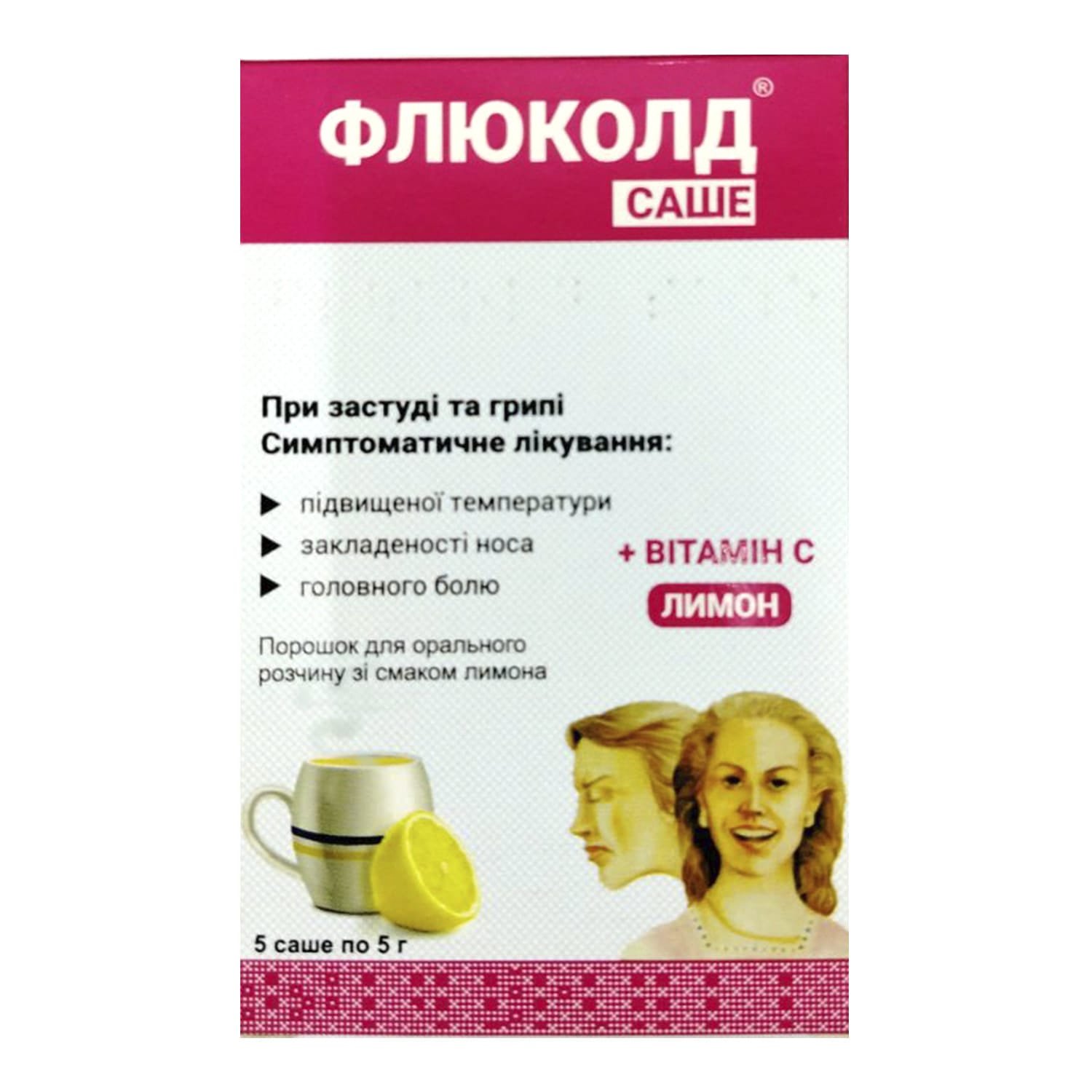
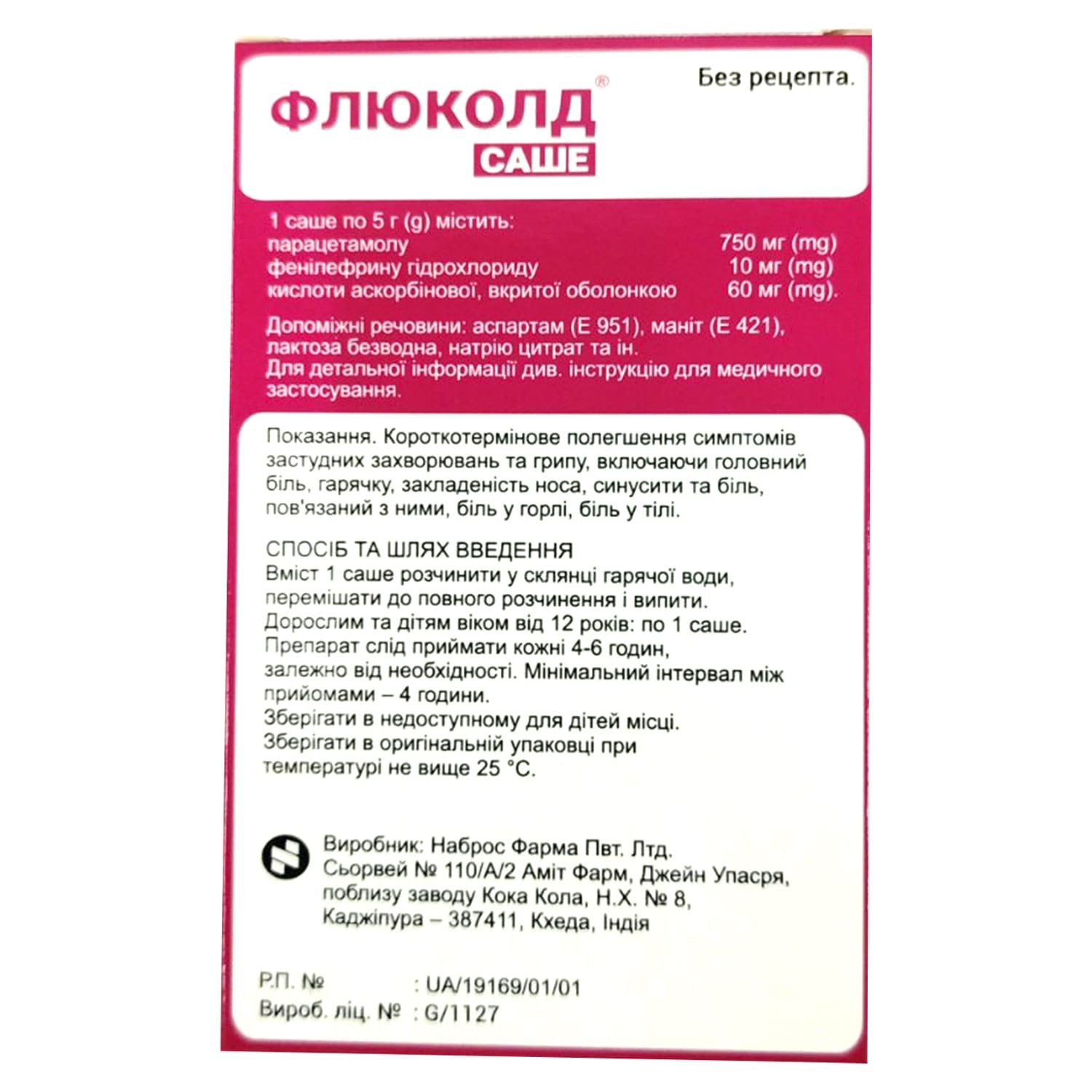


Flucold Sachet powder for oral solution in sachets of 5 g with lemon flavor 5 pcs.
$19.30
Free Worldwide Shipping
to: Australia, Belgium, Canada, Czechia, Denmark, Estonia, Finland, Greece, Hungary, Ireland, Israel, Italy, Japan, Kuwait, Latvia, Lithuania, Mexico, Moldova, Netherlands, Norway, Poland, Romania, Slovakia, South Korea, Switzerland, United Kingdom, United States and more
🏖️ Hello! We are on vacation!
We are still accepting orders on our website; however, order processing and shipping will resume after September 10. If you place an order during our vacation, we will contact you and remind you about the temporary shipping delay. Starting September 10, all orders received during this period will be processed and shipped in the order they were placed. If your order contains a product with less than one year remaining before its expiration date, we will notify you after September 10 and proceed according to your instructions. If you decide to cancel an order placed during our vacation, simply contact us through the contact form on our website, and we will be happy to assist you. Thank you for your understanding, and we apologize for any inconvenience caused.
In stock
Flucold Sachet lemon powder relieves cold and flu symptoms, reduces fever, headache, sore throat and nasal congestion. Fast-acting formula.
Payment
PayPal, Debit or Credit card, Google Pay, Apple Pay
Orders Temporarily Unavailable
Due to temporary postal service disruptions, we are currently unable to accept orders.
Flucold Sachet – analgesic and antipyretic. Paracetamol, combinations without psycholeptics.
Indications for use
Short-term relief of symptoms of colds and flu, including headache, fever, nasal congestion, sinusitis and associated pain, sore throat, body aches.
Composition
- active ingredients: paracetamol, ascorbic acid, phenylephrine hydrochloride;
- 1 sachet of 5 g contains: paracetamol 750 mg, phenylephrine hydrochloride 10 mg,
- ascorbic acid, coated 60 mg;
- excipients: mannitol (E 421), anhydrous lactose, aspartame (E 951), starch, anhydrous citric acid, sodium citrate, lemon flavor, quinoline yellow (E 104), calcium gluconate.
Contraindication
Hypersensitivity to any of the components of the drug, severe cardiovascular insufficiency, severe liver and/or kidney dysfunction, congenital hyperbilirubinemia, glucose-6-phosphate dehydrogenase deficiency, alcoholism, blood diseases (including severe anemia, leukopenia), thrombosis, thrombophlebitis, states of increased excitement, acute pancreatitis, prostatic hypertrophy, diabetes mellitus, epilepsy, hyperthyroidism, pheochromocytoma, angle-closure glaucoma, arterial hypertension, severe forms of atherosclerosis, ischemic heart disease; sleep disorders.
Do not use with monoamine oxidase inhibitors (MAOIs) and within 2 weeks after stopping their use, with tricyclic antidepressants, beta-blockers or other antihypertensive drugs and sympathomimetics.
Adverse reactions
Skin and subcutaneous tissue disorders: rash, itching, urticaria, allergic dermatitis, erythema multiforme, Stevens-Johnson syndrome, toxic epidermal necrolysis.
Immune system disorders: allergic reactions (including angioedema), anaphylactic shock, hypersensitivity reactions.
Metabolism and nutrition disorders: metabolic acidosis with high anion gap (frequency unknown).
Mental disorders: psychomotor agitation and disorientation, anxiety, nervousness, feelings of fear, irritability, sleep disturbances, insomnia, confusion, depression, hallucinations.
From the nervous system: headache, dizziness, paresthesia.
From the side of the organs of hearing and vestibular apparatus: tinnitus.
On the part of the organs of vision: mydriasis, acute angle-closure glaucoma (more often in patients with glaucoma), visual impairment and accommodation.
Gastrointestinal: nausea, vomiting, dry mouth, abdominal discomfort and pain, hypersalivation, decreased appetite, heartburn, diarrhea.
On the part of the hepatobiliary system: impaired liver function, increased activity of liver enzymes, hepatonecrosis (dose-dependent effect), liver failure.
From the blood and lymphatic system: anemia (including hemolytic), sulfhemoglobinemia and methemoglobinemia, thrombocytopenia, leukopenia, agranulocytosis, pancytopenia, bruising or bleeding.
On the part of the kidneys and urinary system: urination disorders, urinary retention (more likely in patients with prostatic hypertrophy), renal colic, nephrotoxic effect.
Cardiovascular system: arterial hypertension, tachycardia or reflex bradycardia, palpitations, shortness of breath, heart pain.
Respiratory, thoracic and mediastinal disorders: bronchospasm in patients sensitive to aspirin and other nonsteroidal anti-inflammatory drugs.
Others: general weakness, fever, hypoglycemia, glycosuria, zinc and copper metabolism disorders.
Method of application
Dissolve the contents of 1 sachet in a glass of hot water, stir until completely dissolved and drink.
Adults and children over 12 years of age: 1 sachet.
The drug should be taken every 4-6 hours, depending on the need.
The minimum interval between doses is 4 hours.
The maximum daily dose is 5 sachets.
Do not use the drug for more than 5 days without consulting a doctor.
Do not exceed recommended doses.
The lowest dose necessary to achieve effectiveness should be taken for the shortest period of time.
Application features
Use during pregnancy or breastfeeding
Do not use the drug during pregnancy.
Paracetamol and phenylephrine can pass into breast milk, so if necessary, breastfeeding should be discontinued.
Children
The drug is not recommended for use in children under 12 years of age.
Ability to influence reaction speed when driving vehicles or other mechanisms
If certain side effects develop, such as dizziness, the drug may affect the ability to drive or operate complex machinery.
Overdose
Overdose is usually caused by paracetamol and is manifested by pale skin, anorexia, nausea, vomiting, abdominal pain, hepatonecrosis, increased activity of hepatic transaminases, and an increase in the prothrombin index.
In patients with risk factors (long-term treatment with carbamazepine, phenobarbital, phenytoin, primidone, rifampicin, St. John’s wort or other drugs that induce liver enzymes; regular alcohol consumption; with glutathione cachexia (digestive disorders, cystic fibrosis, HIV infection, malnutrition, cachexia) when taking 5 g or more of paracetamol, liver damage is possible in patients with risk factors.
Symptoms of liver damage are observed 12–48 hours after overdose and may peak after 4–6 days. Glucose metabolism disorders and metabolic acidosis may occur. In severe poisoning, liver failure may progress and lead to toxic encephalopathy with impaired consciousness, in some cases – to the need for liver transplantation or to death. Liver damage is possible in adults who have taken 10 g or more of paracetamol, and in children who have taken paracetamol in excess of 150 mg/kg of body weight.
Acute renal failure with acute tubular necrosis may present with severe low back pain, hematuria, and proteinuria and may occur even in the absence of severe liver damage. Cardiac arrhythmias and pancreatitis have also been reported.
With prolonged use in high doses, aplastic anemia, pancytopenia, agranulocytosis, neutropenia, leukopenia, and thrombocytopenia are possible.
Treatment: In case of paracetamol overdose, immediate medical attention is required, even if no symptoms of overdose are observed. Symptoms may be limited to nausea and vomiting or may not reflect the severity of the overdose or the risk of organ damage. Gastric lavage, administration of activated charcoal (within 1 hour of overdose) and symptomatic therapy should be performed. The use of paracetamol antidotes – N-acetylcysteine intravenously and methionine orally – may have a positive effect within 24 hours of overdose.
Overdose due to phenylephrine may lead to effects similar to those listed in the section “Adverse reactions”. Other symptoms include irritability, restlessness, hypertension and possibly reflex bradycardia. In severe cases, confusion, hallucinations, convulsions and arrhythmia are possible. However, the amount of the drug that can lead to serious phenylephrine toxicity is greater than the amount required to develop toxic effects on the liver of paracetamol.
Treatment: in case of overdose, gastric lavage, administration of activated charcoal, symptomatic therapy, use of alpha-blockers such as phentolamine, in case of severe hypertension are necessary.
High doses of ascorbic acid (over 3000 mg) may cause temporary osmotic diarrhea and gastrointestinal disturbances such as nausea and abdominal discomfort. The effects of an overdose of ascorbic acid may be categorized as those caused by severe liver damage resulting from an overdose of paracetamol.
Storage conditions
Store in the original packaging at a temperature not exceeding 25 °C.
Keep out of reach of children.
You may also like

Reviews
There are no reviews yet.