
🇦🇺 Australia
🇧🇪 Belgium
🇨🇦 Canada
🇨🇿 Czechia
🇩🇰 Denmark
🇪🇪 Estonia
🇫🇮 Finland
🇬🇷 Greece
🇭🇺 Hungary
🇮🇪 Ireland
🇮🇱 Israel
🇮🇹 Italy
🇯🇵 Japan
🇰🇼 Kuwait
🇱🇻 Latvia
🇱🇹 Lithuania
🇲🇽 Mexico
🇲🇩 Moldova
🇳🇱 Netherlands
🇳🇴 Norway
🇵🇱 Poland
🇷🇴 Romania
🇸🇰 Slovakia
🇰🇷 South Korea
🇨🇭 Switzerland
🇬🇧 United Kingdom
🇺🇸 United States of America
and more

$15.69 Original price was: $15.69.$14.29Current price is: $14.29.
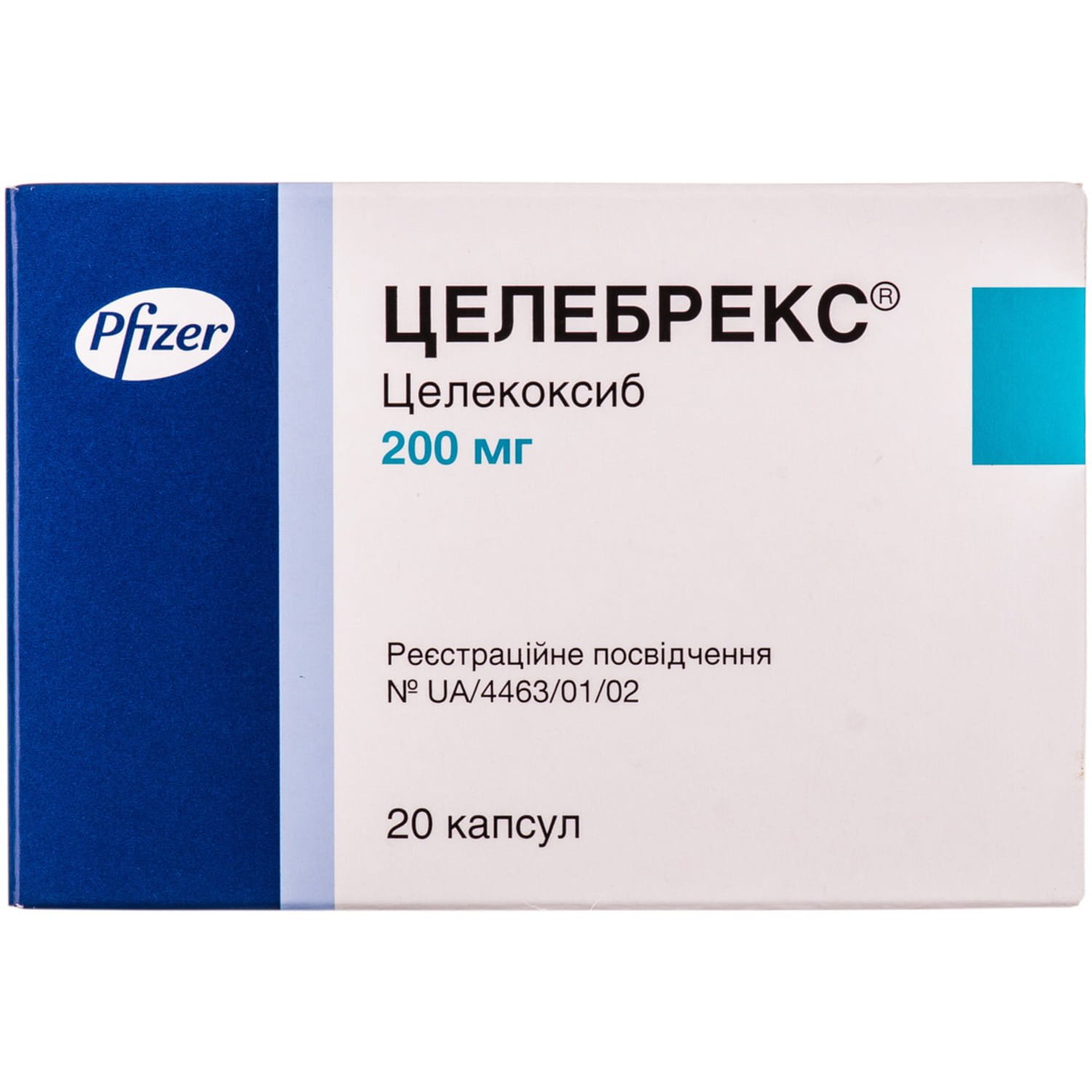
Celebrex capsules 200 mg 20 pcs.
$37.24
Free Worldwide Shipping
to: Australia, Belgium, Canada, Czechia, Denmark, Estonia, Finland, Greece, Hungary, Ireland, Israel, Italy, Japan, Kuwait, Latvia, Lithuania, Mexico, Moldova, Netherlands, Norway, Poland, Romania, Slovakia, South Korea, Switzerland, United Kingdom, United States and more
🏖️ Hello! We are on vacation!
We are still accepting orders on our website; however, order processing and shipping will resume after September 10. If you place an order during our vacation, we will contact you and remind you about the temporary shipping delay. Starting September 10, all orders received during this period will be processed and shipped in the order they were placed. If your order contains a product with less than one year remaining before its expiration date, we will notify you after September 10 and proceed according to your instructions. If you decide to cancel an order placed during our vacation, simply contact us through the contact form on our website, and we will be happy to assist you. Thank you for your understanding, and we apologize for any inconvenience caused.
In stock
Celebrex 200 mg capsules with celecoxib relieve pain and inflammation in osteoarthritis, rheumatoid arthritis, spondylitis, acute pain, and dysmenorrhea.
Payment
PayPal, Debit or Credit card, Google Pay, Apple Pay
Orders Temporarily Unavailable
Due to temporary postal service disruptions, we are currently unable to accept orders.
Celebrex capsules are used for the following indications:
- for the symptomatic treatment of osteoarthritis, rheumatoid arthritis and ankylosing spondylitis;
- for the treatment of acute pain in adult patients;
- for the treatment of primary dysmenorrhea.
Composition
The active substance is celecoxib (one capsule contains 200 mg of celecoxib).
Excipients: lactose monohydrate; sodium lauryl sulfate; povidone; croscarmellose sodium; magnesium stearate; gelatin; titanium dioxide (E 171); shellac; anhydrous ethanol; isopropyl alcohol; butyl alcohol; propylene glycol; concentrated ammonia solution; iron oxide yellow (E 172).
Contraindication
Celebrex is contraindicated in patients:
- with known hypersensitivity (e.g. anaphylactic reactions and serious skin reactions) to celecoxib or to any of the components of the drug;
- with a history of bronchial asthma, urticaria, or other allergic-type reactions after taking aspirin or other nonsteroidal anti-inflammatory drugs (severe, sometimes fatal, anaphylactic reactions to NSAIDs have been reported in such patients);
- after coronary artery bypass graft surgery;
- in whom allergic-type reactions to sulfonamide drugs have been reported.
Method of application
General dosage instructions
Before deciding to use this drug, the potential benefits and risks of using Celebrex should be carefully weighed and other treatment options should be considered. The lowest effective dose should be used for the shortest duration consistent with the individual patient’s treatment goals.
This drug can be taken regardless of meals.
Osteoarthritis
In the treatment of osteoarthritis, the dose is 200 mg per day once or 100 mg 2 times a day.
Rheumatoid arthritis
In the treatment of rheumatoid arthritis, the dose is 100 to 200 mg 2 times a day.
Ankylosing spondylitis
For the treatment of ankylosing spondylitis, the daily dose of the drug is 200 mg, which should be taken at once (taken once a day) or divided (taken twice a day). If there is no positive effect within 6 weeks, the dose can be increased to 400 mg per day. If there is no effect within 6 weeks when using the drug at a dose of 400 mg per day, the response to treatment is unlikely, so alternative treatment options should be considered.
Acute pain control and treatment of primary dysmenorrhea
For the control of acute pain and treatment of primary dysmenorrhea, the initial dose is 400 mg, followed by an additional dose of 200 mg on the first day if necessary. On subsequent days, the recommended dose is 200 mg twice daily if necessary.
Application features
Pregnant women
The use of nonsteroidal anti-inflammatory drugs, including Celebrex, during the third trimester of pregnancy increases the risk of premature closure of the fetal ductus arteriosus. The use of NSAIDs, including Celebrex, should be avoided in pregnant women starting from the 30th week of pregnancy.
Caution should be exercised when administering Celebrex to nursing mothers. The health and developmental benefits of breastfeeding to the infant should be weighed against the mother’s clinical need for Celebrex and any potential adverse effects of Celebrex or the effects of the mother’s underlying medical condition on the infant.
Children
The drug “Celebrex” (200 mg capsules) is not indicated for use in children.
Drivers
If you experience side effects such as dizziness, vertigo, or drowsiness while taking celecoxib, you should avoid driving or operating machinery.
Overdose
Symptoms of acute NSAID overdose are usually limited to lethargy, drowsiness, nausea, vomiting and epigastric pain and are usually reversible with supportive therapy. Gastrointestinal bleeding has been reported. In rare cases, hypertension, acute renal failure, respiratory depression and coma have been reported.
During clinical trials, no cases of overdose with Celebrex were registered. As a result of the use of the drug in doses up to 2400 mg/day for a period of up to 10 days in 12 patients, no cases of serious intoxication were registered. Information on the possibility of removing celecoxib by hemodialysis is missing, but based on the high degree of binding to blood plasma proteins (> 97%), it can be assumed that dialysis will be ineffective in case of overdose.
After an NSAID overdose, patients should be treated symptomatically and supportively. There are no specific antidotes. Induction of emesis and/or administration of activated charcoal (60-100 g for adults, 1-2 g per kg body weight for children) and/or an osmotic laxative should be considered in patients who develop symptoms of overdose within four hours of the injection, and in patients with severe overdose (5-10 times the recommended dose).
Forced diuresis, urine alkalinization, hemodialysis, or hemoperfusion are not used due to high protein binding.
For more information on the treatment of overdose, contact a poison control center.
Side effects
Detailed information regarding this section is provided in the instructions that accompany the drug and are included in the packaging.
Storage conditions
Store at a temperature not exceeding 30 °C, out of the reach of children.
Shelf life – 3 years.
You may also like

Reviews
There are no reviews yet.