
🇦🇺 Australia
🇧🇪 Belgium
🇨🇦 Canada
🇨🇿 Czechia
🇩🇰 Denmark
🇪🇪 Estonia
🇫🇮 Finland
🇬🇷 Greece
🇭🇺 Hungary
🇮🇪 Ireland
🇮🇱 Israel
🇮🇹 Italy
🇯🇵 Japan
🇰🇼 Kuwait
🇱🇻 Latvia
🇱🇹 Lithuania
🇲🇽 Mexico
🇲🇩 Moldova
🇳🇱 Netherlands
🇳🇴 Norway
🇵🇱 Poland
🇷🇴 Romania
🇸🇰 Slovakia
🇰🇷 South Korea
🇨🇭 Switzerland
🇬🇧 United Kingdom
🇺🇸 United States of America
and more
🇦🇺 Australia
🇧🇪 Belgium
🇨🇦 Canada
🇨🇿 Czechia
🇩🇰 Denmark
🇪🇪 Estonia
🇫🇮 Finland
🇬🇷 Greece
🇭🇺 Hungary
🇮🇪 Ireland
🇮🇱 Israel
🇮🇹 Italy
🇯🇵 Japan
🇰🇼 Kuwait
🇱🇻 Latvia
🇱🇹 Lithuania
🇲🇽 Mexico
🇲🇩 Moldova
🇳🇱 Netherlands
🇳🇴 Norway
🇵🇱 Poland
🇷🇴 Romania
🇸🇰 Slovakia
🇰🇷 South Korea
🇨🇭 Switzerland
🇬🇧 United Kingdom
🇺🇸 United States of America
and more


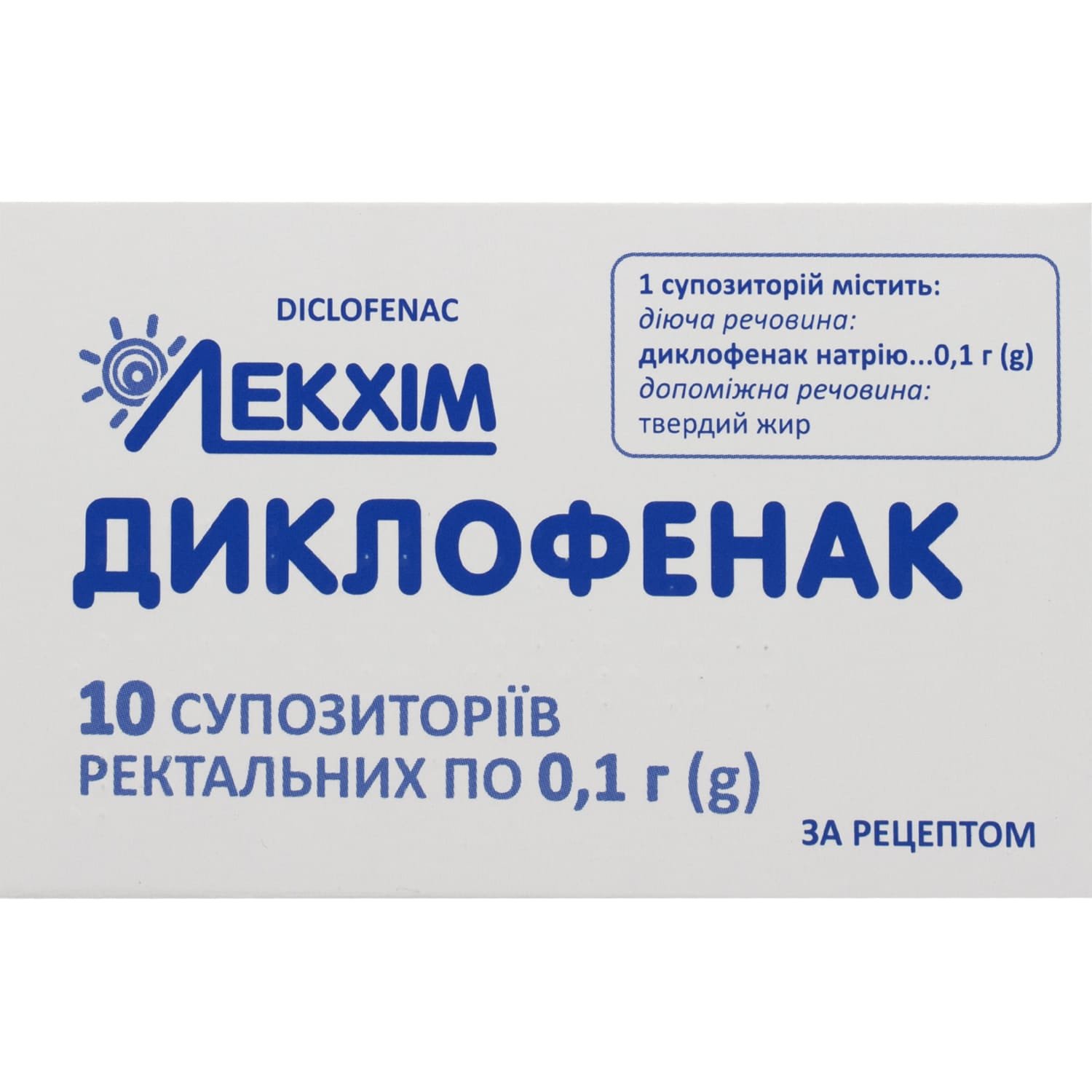



Diclofenac rectal suppositories 0.1 g 2 blisters of 5 pcs.
$12.70
Free Worldwide Shipping
to: Australia, Belgium, Canada, Czechia, Denmark, Estonia, Finland, Greece, Hungary, Ireland, Israel, Italy, Japan, Kuwait, Latvia, Lithuania, Mexico, Moldova, Netherlands, Norway, Poland, Romania, Slovakia, South Korea, Switzerland, United Kingdom, United States and more
🏖️ Hello! We are on vacation!
We are still accepting orders on our website; however, order processing and shipping will resume after September 10. If you place an order during our vacation, we will contact you and remind you about the temporary shipping delay. Starting September 10, all orders received during this period will be processed and shipped in the order they were placed. If your order contains a product with less than one year remaining before its expiration date, we will notify you after September 10 and proceed according to your instructions. If you decide to cancel an order placed during our vacation, simply contact us through the contact form on our website, and we will be happy to assist you. Thank you for your understanding, and we apologize for any inconvenience caused.
In stock
Diclofenac 100 mg suppositories treat pain and inflammation in rheumatism, gout, migraine, and postoperative conditions. Full prescribing info inside.
Payment
PayPal, Debit or Credit card, Google Pay, Apple Pay
Orders Temporarily Unavailable
Due to temporary postal service disruptions, we are currently unable to accept orders.
Diclofenac is a nonsteroidal anti-inflammatory and antirheumatic drug.
Indications for use
- inflammatory and degenerative forms of rheumatism: rheumatoid arthritis, juvenile rheumatoid arthritis, ankylosing spondylitis, osteoarthritis, including spondyloarthritis;
- pain syndromes in the spine;
- rheumatic diseases of extra-articular soft tissues;
- acute attack of gout;
- post-traumatic and postoperative pain syndromes accompanied by inflammation and swelling, in particular after dental and orthopedic surgeries;
- migraine attacks;
- gynecological diseases accompanied by pain and inflammation, such as primary dysmenorrhea and adnexitis;
- as an adjuvant for severe inflammatory diseases of the ENT organs, which are accompanied by pain, for example, pharyngitis, tonsillitis, otitis media.
Warehouse
- 1 suppository contains diclofenac sodium 100 mg (0.1 g);
- excipient: solid fat.
Contraindication
- hypersensitivity to the active substance or to any excipient;
- history of gastrointestinal bleeding or perforation related to previous NSAID treatment;
- active ulcer/bleeding or history of recurrent ulcer/bleeding (two or more separate episodes of established ulceration or bleeding);
- inflammatory bowel diseases (such as Crohn’s disease or ulcerative colitis);
- 3rd trimester of pregnancy;
- proctitis.
Method of application
The initial dose is usually 100-150 mg per day. With mild symptoms, as well as with long-term therapy, a dose of 75-100 mg/day is sufficient.
Application features
The concomitant use of diclofenac with systemic NSAIDs such as selective cyclooxygenase-2 inhibitors should be avoided due to the lack of any evidence of a synergistic effect and due to potential additive side effects.
Pregnant women
In the first and second trimesters of pregnancy, Diclofenac should be prescribed only if the expected benefit to the pregnant woman outweighs the potential risk to the fetus, and only in the minimum effective dose; the duration of treatment should be as short as possible.
Diclofenac is contraindicated in the third trimester of pregnancy.
Children
The drug is not used in children.
Drivers
Patients who experience visual disturbances, dizziness, vertigo, drowsiness, central nervous system disorders, lethargy or fatigue during Diclofenac therapy should not drive or operate complex machinery.
Overdose
Overdose may cause vomiting, gastrointestinal bleeding, diarrhea, dizziness, tinnitus, and convulsions. Acute renal failure and liver damage are possible in cases of severe intoxication. Treatment of acute NSAID poisoning consists of supportive and symptomatic therapy.
Side effects
From the blood and lymphatic system: thrombocytopenia, leukopenia, anemia (hemolytic anemia, aplastic anemia), agranulocytosis.
Immune system disorders: hypersensitivity, anaphylactic and anaphylactoid reactions (including hypotension and shock); angioedema (including facial edema).
Mental disorders: disorientation, depression, insomnia, irritability, nightmares, psychotic disorders.
Nervous system: headache, dizziness; drowsiness, fatigue; paresthesia, memory impairment, convulsions, anxiety, tremor, aseptic meningitis, taste disorders, stroke; confusion, hallucinations, sensory disturbances, general malaise.
Storage conditions
Store out of the reach of children at a temperature not exceeding 25°C.
You may also like

Reviews
There are no reviews yet.