
🇦🇺 Australia
🇧🇪 Belgium
🇨🇦 Canada
🇨🇿 Czechia
🇩🇰 Denmark
🇪🇪 Estonia
🇫🇮 Finland
🇬🇷 Greece
🇭🇺 Hungary
🇮🇪 Ireland
🇮🇱 Israel
🇮🇹 Italy
🇯🇵 Japan
🇰🇼 Kuwait
🇱🇻 Latvia
🇱🇹 Lithuania
🇲🇽 Mexico
🇲🇩 Moldova
🇳🇱 Netherlands
🇳🇴 Norway
🇵🇱 Poland
🇷🇴 Romania
🇸🇰 Slovakia
🇰🇷 South Korea
🇨🇭 Switzerland
🇬🇧 United Kingdom
🇺🇸 United States of America
and more


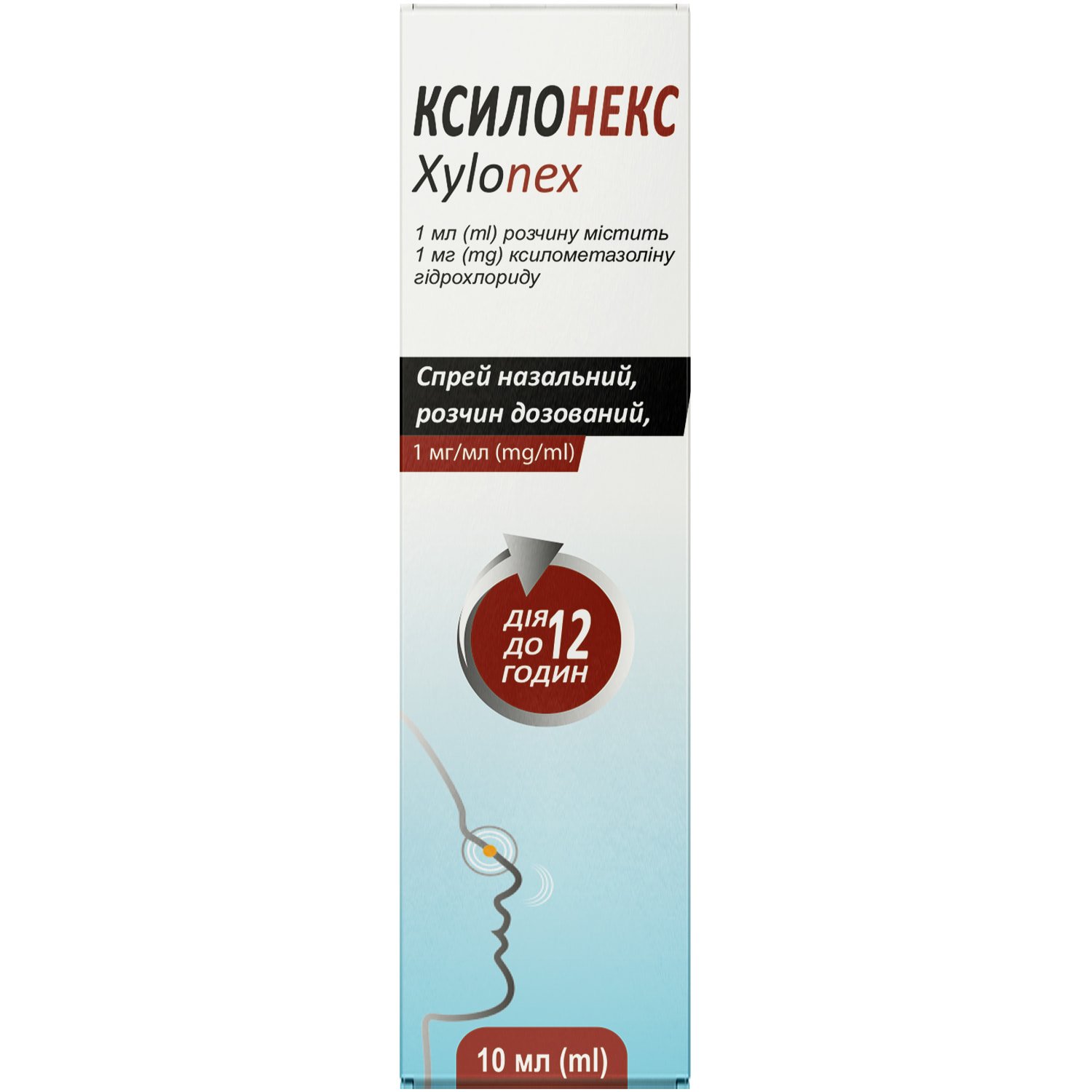
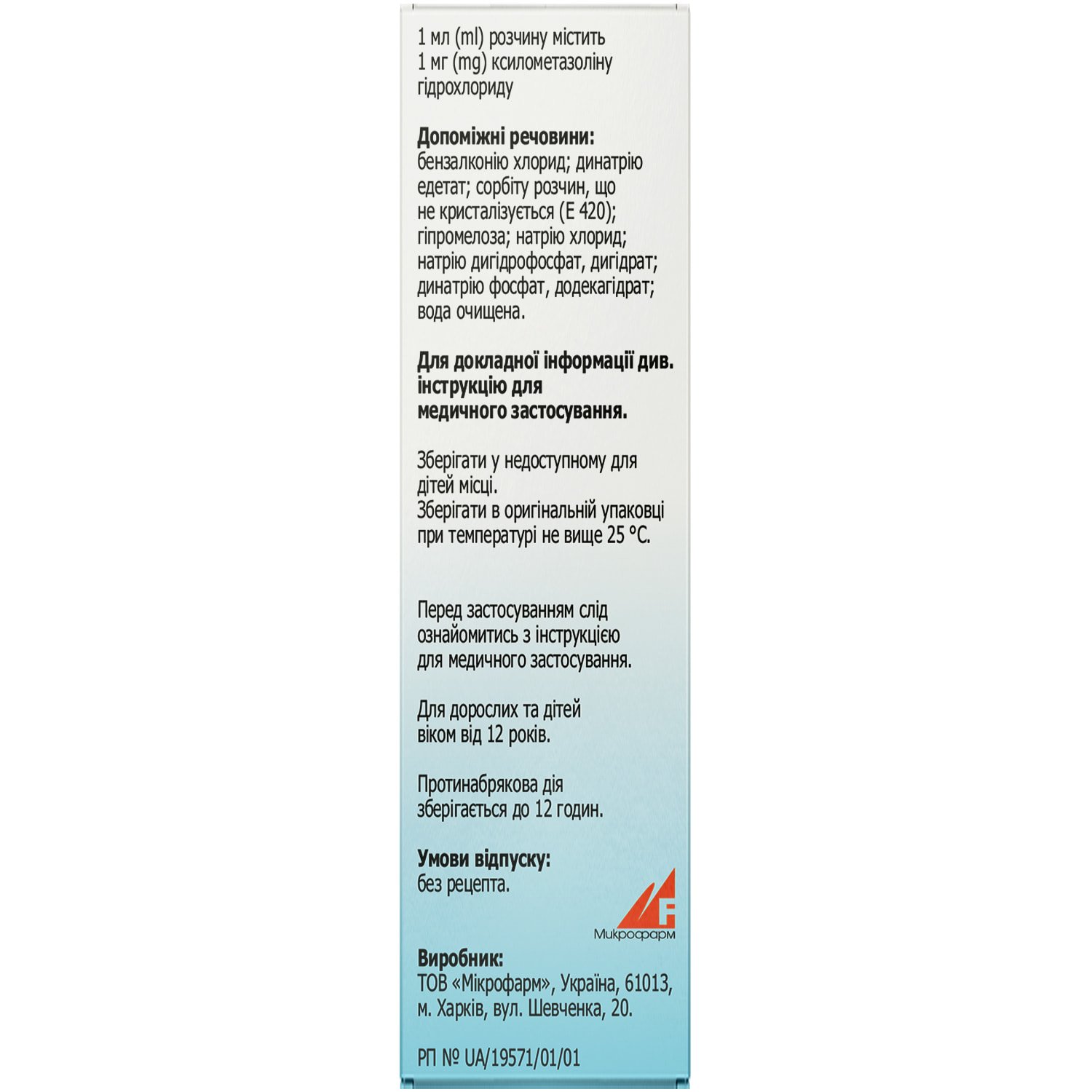


Xylonex spray nasal solution dosed 1 mg/ml bottle 10 ml Solution Pharm
$16.93
*All prices are in US dollars (USD)
Free Worldwide Shipping
to: Australia, Belgium, Canada, Czechia, Denmark, Estonia, Finland, Greece, Hungary, Ireland, Israel, Italy, Japan, Kuwait, Latvia, Lithuania, Mexico, Moldova, Netherlands, Norway, Poland, Romania, Slovakia, South Korea, Switzerland, United Kingdom, United States and more
🏖️ Hello! We are on vacation!
We are still accepting orders on our website; however, order processing and shipping will resume after September 10. If you place an order during our vacation, we will contact you and remind you about the temporary shipping delay. Starting September 10, all orders received during this period will be processed and shipped in the order they were placed. If your order contains a product with less than one year remaining before its expiration date, we will notify you after September 10 and proceed according to your instructions. If you decide to cancel an order placed during our vacation, simply contact us through the contact form on our website, and we will be happy to assist you. Thank you for your understanding, and we apologize for any inconvenience caused.
In stock
Xylonex xylometazoline 0.1% nasal spray relieves nasal congestion, reduces swelling and helps restore comfortable breathing for up to 12 hours.
Payment
PayPal, Debit or Credit card, Google Pay, Apple Pay
Orders Temporarily Unavailable
Due to temporary postal service disruptions, we are currently unable to accept orders.
Xylonex is a drug used for diseases of the nasal cavity.
It is used for the symptomatic treatment of nasal congestion due to colds, hay fever, other allergic rhinitis, and sinusitis.
To facilitate the outflow of secretions in diseases of the paranasal sinuses.
It is used as an adjunctive therapy for otitis media (to eliminate swelling of the mucous membrane).
To facilitate rhinoscopy.
Pharmacological properties
Pharmacodynamics
Xylometazoline is a sympathomimetic agent that acts on α-adrenergic receptors.
Xylometazoline, when applied nasally, causes a narrowing of the blood vessels of the nasal mucosa and paranasal sinuses, thus eliminating swelling and hyperemia of the nasal mucosa and nasopharynx, and also reduces the associated increased mucus secretion and facilitates the removal of blocked secretions from the nasal passages and facilitating nasal breathing.
The anti-edema effect lasts up to 12 hours.
The drug is well tolerated, including by patients with sensitive mucous membranes, and does not reduce mucociliary function.
Pharmacokinetics
When applied topically, the drug is practically not absorbed, and the concentrations of xylometazoline in blood plasma are so low that they are practically undetectable (the concentration in blood plasma is close to the detection limit).
Composition
- active ingredient: xylometazoline hydrochloride;
- 1 ml of solution contains 1 mg of xylometazoline hydrochloride;
- Excipients: benzalkonium chloride; disodium edetate; sorbitol solution, non-crystallizing (E 420); hypromellose; sodium chloride; sodium dihydrogen phosphate, dihydrate; disodium phosphate, dodecahydrate; purified water.
Pharmacotherapeutic group
Drugs used in diseases of the nasal cavity. Anti-edematous and other drugs for local use in diseases of the nasal cavity. Sympathomimetics, simple drugs. ATX code R01A A07.
Contraindication
- hypersensitivity to xylometazoline or any other component of the drug;
- closed-angle glaucoma;
- history of transsphenoidal hypophysectomy and surgical interventions with exposure of the meninges;
- dry rhinitis (rhinitis sicca) or atrophic rhinitis;
- hyperthyroidism.
It is contraindicated to use simultaneously with monoamine oxidase inhibitors (MAOIs), as well as within two weeks after discontinuing their use.
Adverse reactions
Nervous system: rare: headache, insomnia, fatigue, convulsions (usually in children). Very rare: nervousness, drowsiness/inhibition (usually in children).
On the part of the organs of vision: infrequently: temporary (transient) visual impairment.
Cardiovascular system: uncommon: palpitations, tachycardia. Very rare: arrhythmia, arterial hypertension.
Respiratory, thoracic and mediastinal disorders: common: dryness or discomfort of the nasal mucosa; uncommon: nosebleeds (epistaxis).
Gastrointestinal system: often: nausea.
Method of application
The drug should be used by adults and children over 12 years of age – 1 injection into each nasal passage up to 3 times a day. Apply no more than 3 times in each nasal passage per day. The duration of treatment depends on the course of the disease and should not exceed 7 consecutive days.
The sprayer of the drug ensures accurate dosing and proper distribution of the solution over the surface of the nasal mucosa. Each injection delivers 0.14 ml of solution, which corresponds to 0.14 mg of xylometazoline.
Before use, prime the sprayer by pressing it several times until the spray begins to emerge into the air. The sprayer is then ready for use.
How to use the spray:
- Clean your nose thoroughly before using the spray.
- The bottle should be held vertically, supporting the bottom with your thumb and placing the spray tip between the other two fingers;
- tilt the bottle slightly and insert the tip into the nostril;
- make 1 injection, while taking a light breath through the nose;
- after use, clean and dry the spray tip before capping it;
- To prevent infection, only one person should use the bottle.
It is recommended to give the last injection just before bedtime.
Application features
The drug should not be used for more than 7 consecutive days. Prolonged or excessive use may lead to the recurrence of nasal congestion and/or atrophy of the nasal mucosa.
Use during pregnancy or breastfeeding
The drug should not be used during pregnancy due to its potential vasoconstrictor effect.
Lactation: There is no evidence of any adverse effects on the infant. It is not known whether xylometazoline is excreted in breast milk, therefore caution is required and the drug should be used during breastfeeding only as directed by a physician.
Fertility: There are no adequate data on the effect of Xylonex on fertility. Since systemic exposure to xylometazoline hydrochloride is very low, the likelihood of an effect on fertility is very low.
Children
The medicine should not be used in children under 12 years of age.
Ability to influence reaction speed when driving vehicles or other mechanisms
The drug usually has no or negligible influence on the ability to drive or use machines. However, in case of prolonged use in high doses, the drug may have undesirable effects on the cardiovascular system, which may adversely affect the ability to drive or use machines.
Interaction with other medicinal products and other types of interactions
Monoamine oxidase inhibitors (MAOIs): Xylometazoline may potentiate the effects of monoamine oxidase inhibitors and induce hypertensive crisis. Do not use xylometazoline in patients who are taking MAOIs or have taken them within the last two weeks.
Tri- and tetracyclic antidepressants: simultaneous use of tri- or tetracyclic antidepressants and sympathomimetic drugs may enhance the sympathomimetic effect of xylometazoline, therefore the simultaneous use of such drugs is not recommended.
When used with β-blockers, xylometazoline may cause bronchospasm or a decrease in blood pressure.
Overdose
With nasal administration, systemic effects are unlikely due to local vasoconstriction, which inhibits absorption. In the case of systemic absorption, xylometazoline, as an α2-adrenergic agonist, can be expected to have effects similar to clonidine: a short-term increase in blood pressure followed by more prolonged hypotension and sedation.
Symptoms of intoxication with imidazole derivatives may be clinically unclear, as periods of stimulation may alternate with periods of depression of the central nervous and cardiovascular systems.
Symptoms of central nervous system stimulation include anxiety, agitation, hallucinations, and seizures.
Symptoms of central nervous system depression include decreased body temperature, lethargy, drowsiness, and coma.
Additional symptoms may include miosis, mydriasis, sweating, nausea, cyanosis, fever, pallor, central nervous system paralysis, sedation, dry mouth, arrhythmia, tachycardia, ataxia, bradycardia, cardiac arrest, hypertension, shock-like hypotension, pulmonary edema, respiratory distress, and apnea. Gastrointestinal symptoms such as nausea and vomiting may also occur.
Overdose, especially in children, can lead to significant effects on the central nervous system, causing spasms, coma, bradycardia, apnea, and hypertension, which may progress to hypotension.
No severe symptoms have been observed after accidental use, however, in newborns (2 weeks of age), the use of 1 drop of a 0.1% solution in each nostril may lead to coma.
Storage conditions
Store in original packaging at a temperature not exceeding 25°C. Keep out of the reach of children.
You may also like

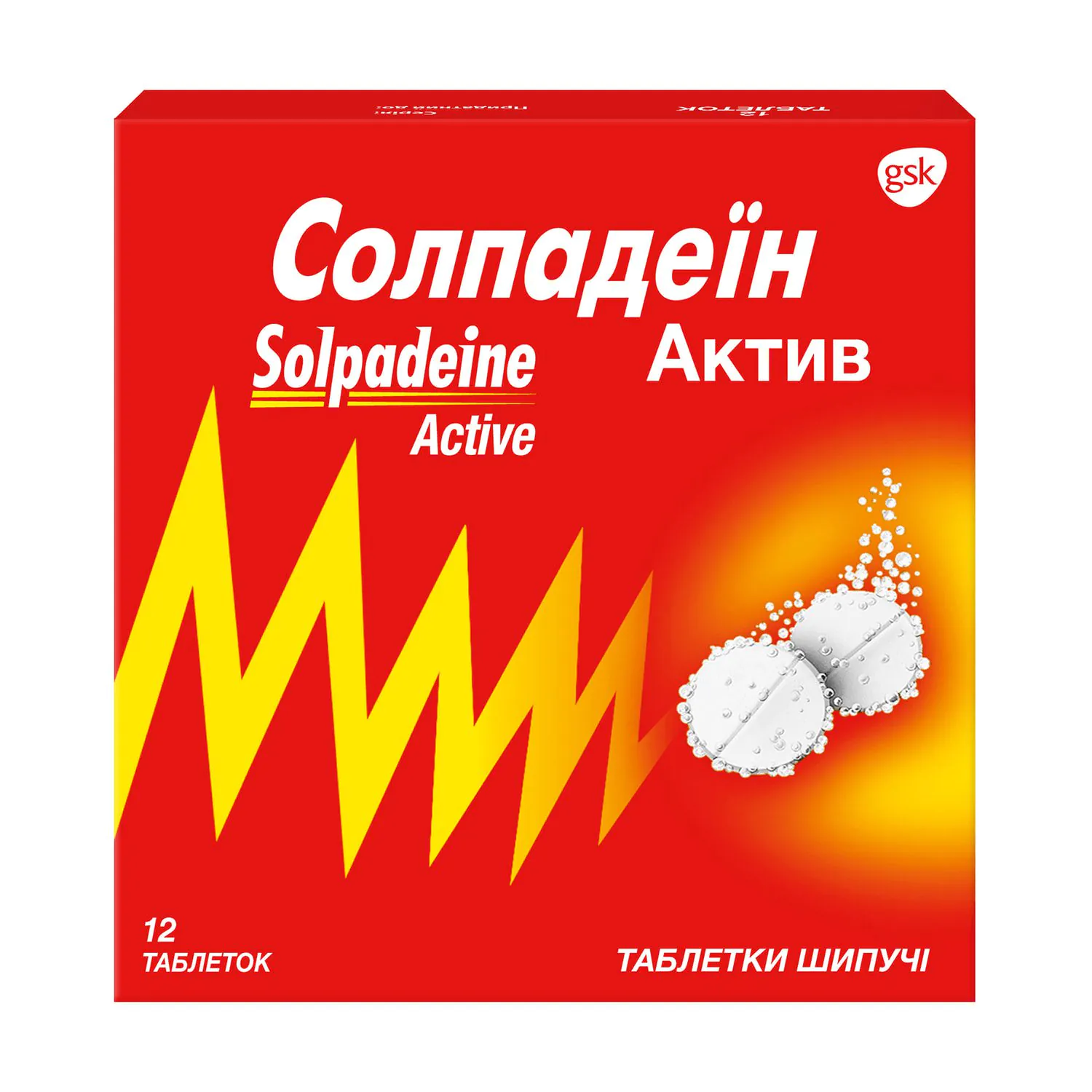
Solpadeine Active tablets effervescent strip 12 pcs
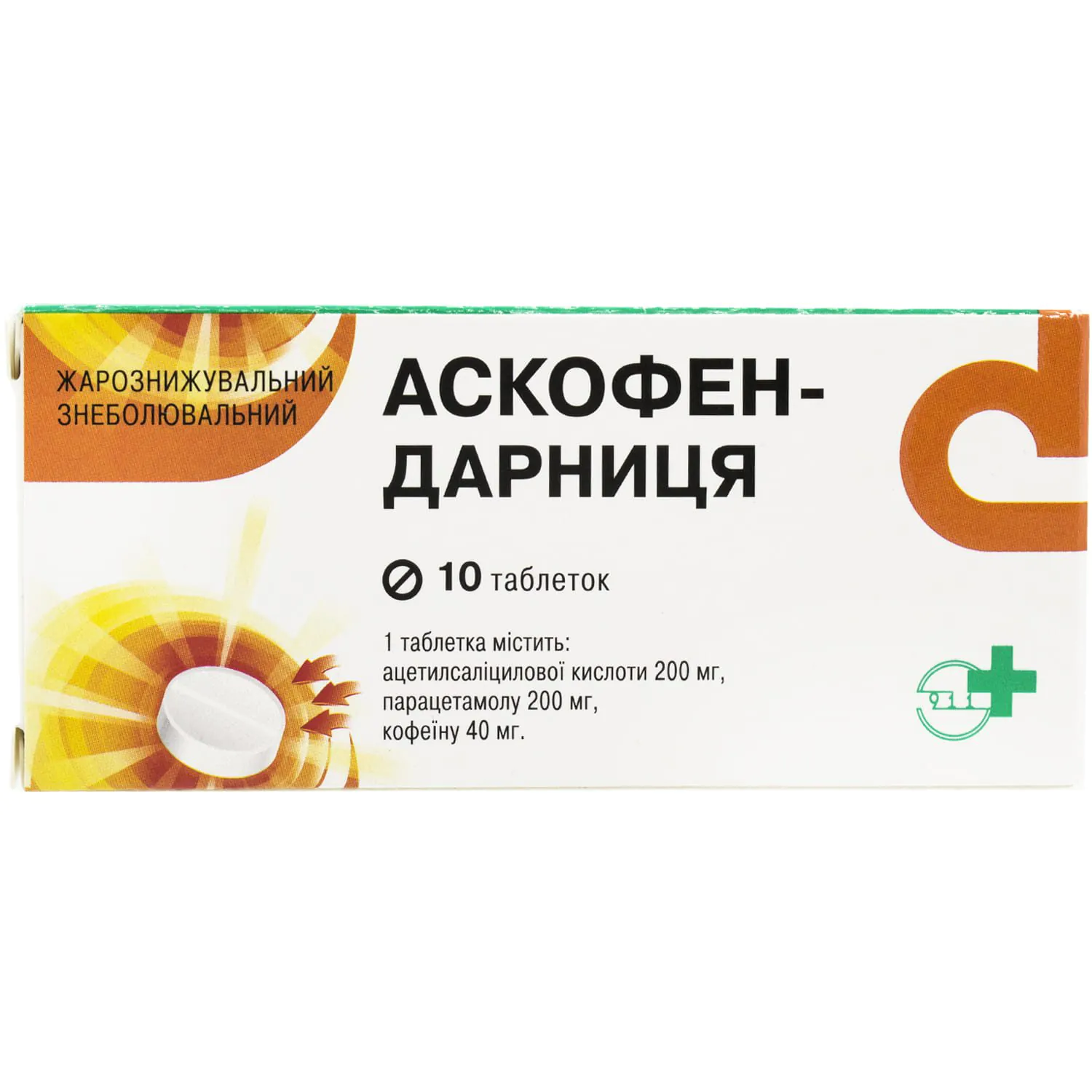
Ascophen Darnytsia tablets in a pack of 10 pcs
Reviews
There are no reviews yet.