
🇦🇺 Australia
🇧🇪 Belgium
🇨🇦 Canada
🇨🇿 Czechia
🇩🇰 Denmark
🇪🇪 Estonia
🇫🇮 Finland
🇬🇷 Greece
🇭🇺 Hungary
🇮🇪 Ireland
🇮🇱 Israel
🇮🇹 Italy
🇯🇵 Japan
🇰🇼 Kuwait
🇱🇻 Latvia
🇱🇹 Lithuania
🇲🇽 Mexico
🇲🇩 Moldova
🇳🇱 Netherlands
🇳🇴 Norway
🇵🇱 Poland
🇷🇴 Romania
🇸🇰 Slovakia
🇰🇷 South Korea
🇨🇭 Switzerland
🇬🇧 United Kingdom
🇺🇸 United States of America
and more
🇦🇺 Australia
🇧🇪 Belgium
🇨🇦 Canada
🇨🇿 Czechia
🇩🇰 Denmark
🇪🇪 Estonia
🇫🇮 Finland
🇬🇷 Greece
🇭🇺 Hungary
🇮🇪 Ireland
🇮🇱 Israel
🇮🇹 Italy
🇯🇵 Japan
🇰🇼 Kuwait
🇱🇻 Latvia
🇱🇹 Lithuania
🇲🇽 Mexico
🇲🇩 Moldova
🇳🇱 Netherlands
🇳🇴 Norway
🇵🇱 Poland
🇷🇴 Romania
🇸🇰 Slovakia
🇰🇷 South Korea
🇨🇭 Switzerland
🇬🇧 United Kingdom
🇺🇸 United States of America
and more
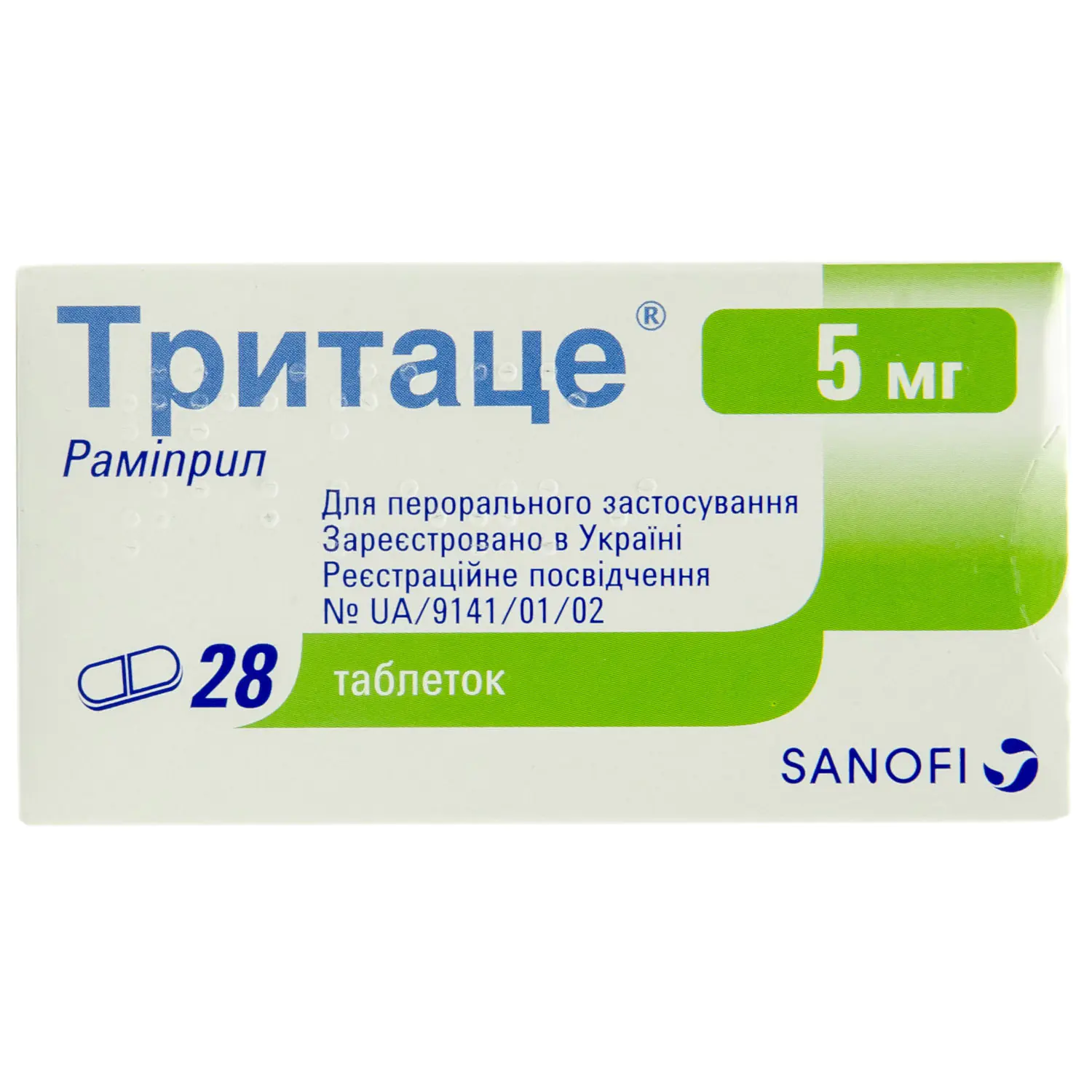
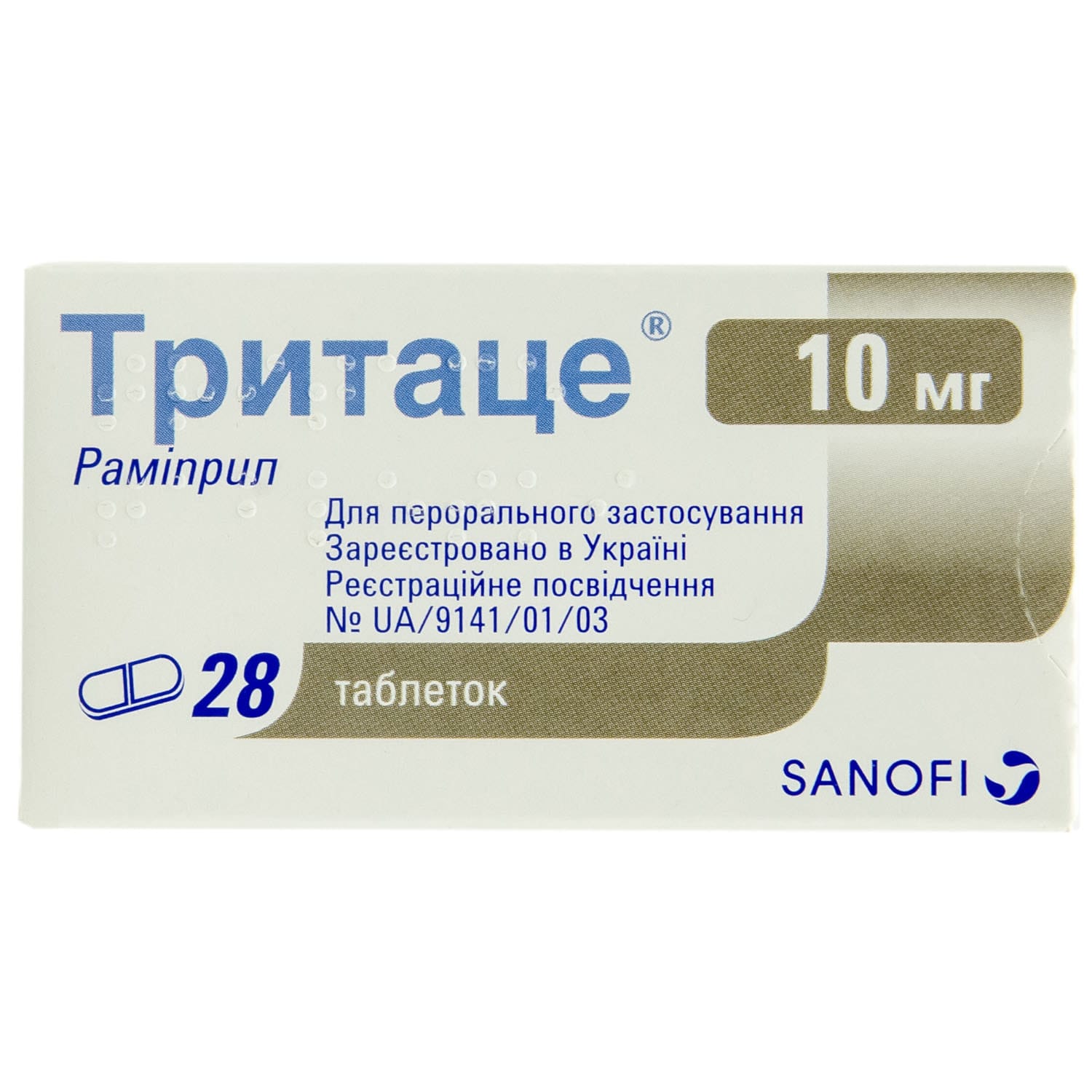
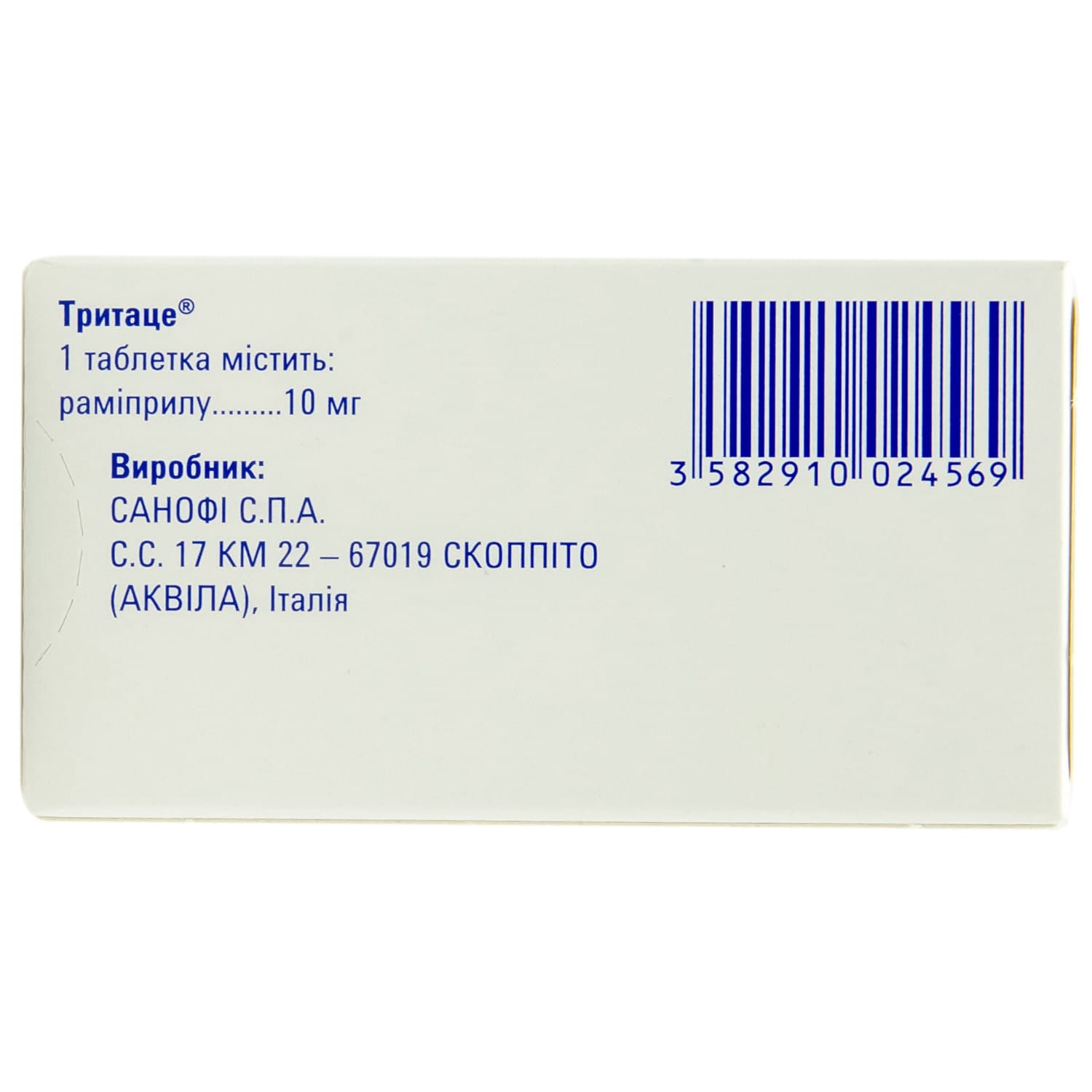
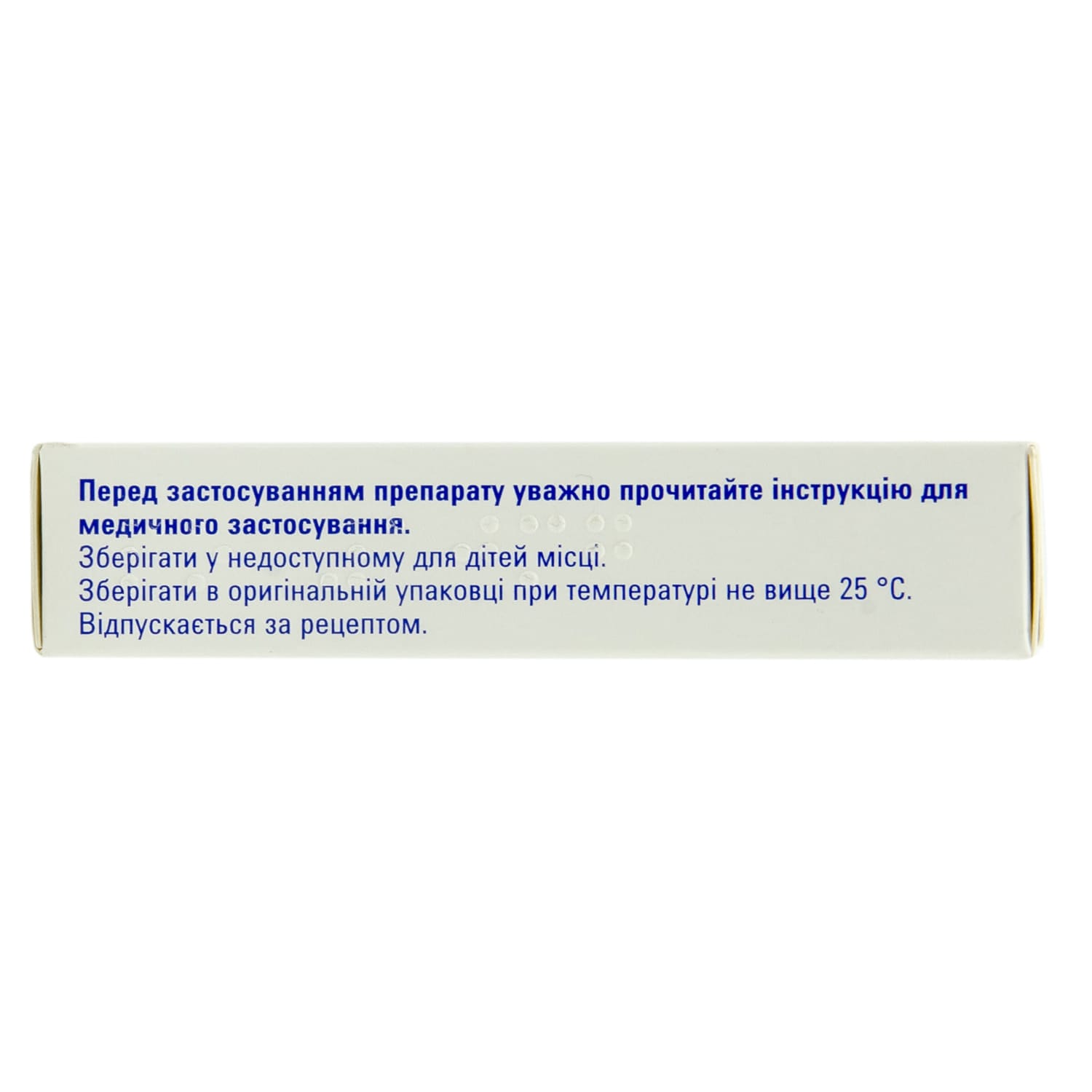
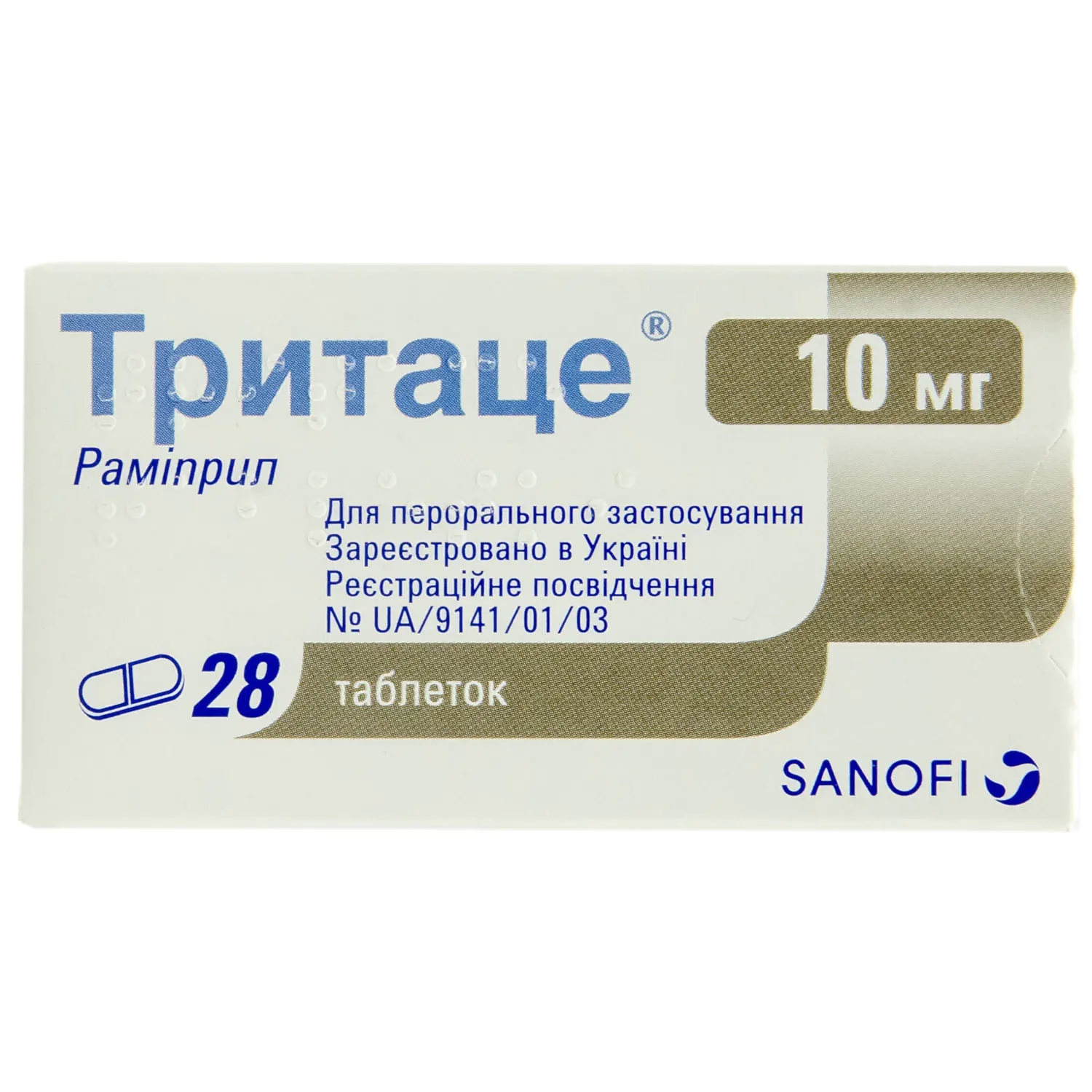

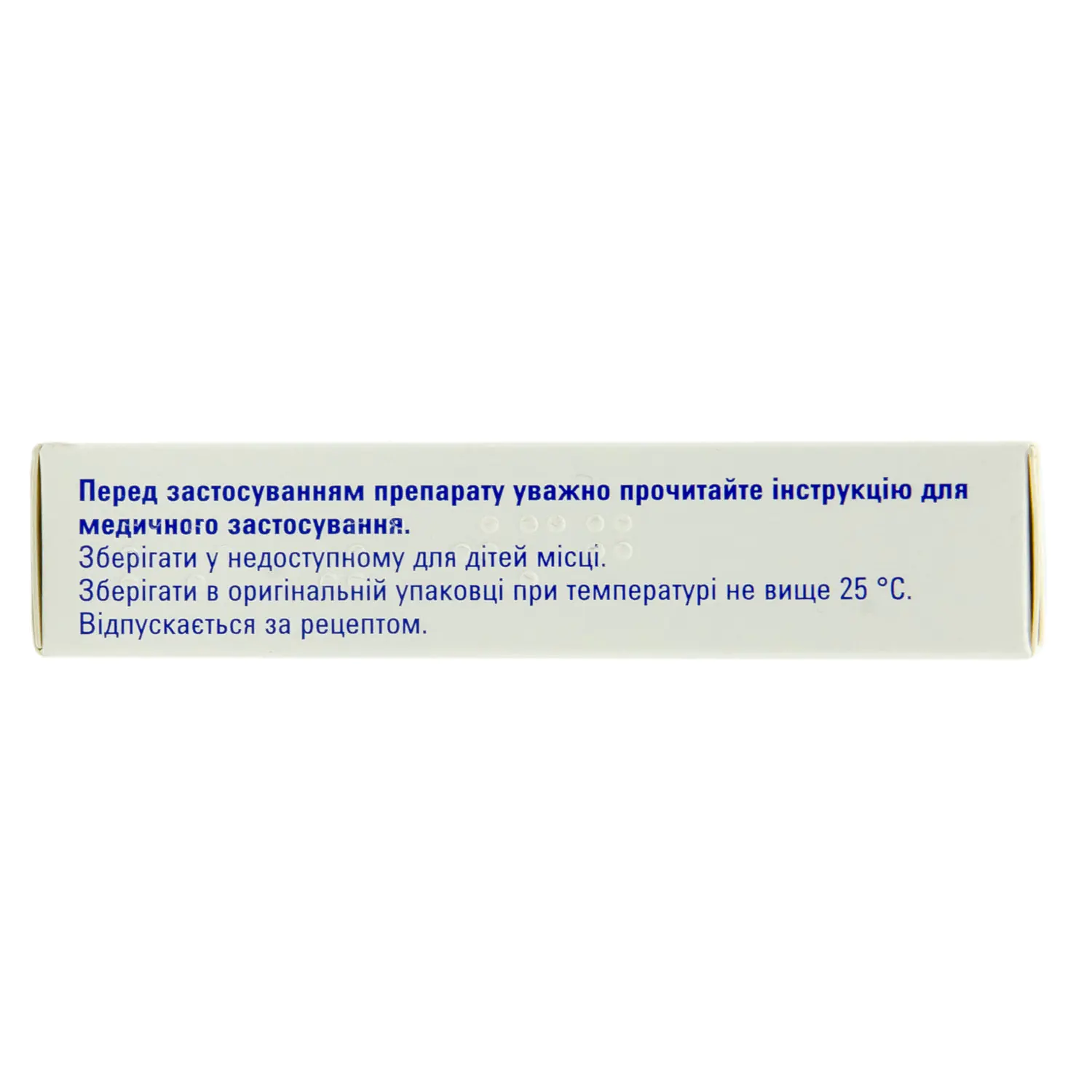
Tritace tablets 10 mg 28 pcs.
$29.13
Free Worldwide Shipping
to: Australia, Belgium, Canada, Czechia, Denmark, Estonia, Finland, Greece, Hungary, Ireland, Israel, Italy, Japan, Kuwait, Latvia, Lithuania, Mexico, Moldova, Netherlands, Norway, Poland, Romania, Slovakia, South Korea, Switzerland, United Kingdom, United States and more
🏖️ Hello! We are on vacation!
We are still accepting orders on our website; however, order processing and shipping will resume after September 10. If you place an order during our vacation, we will contact you and remind you about the temporary shipping delay. Starting September 10, all orders received during this period will be processed and shipped in the order they were placed. If your order contains a product with less than one year remaining before its expiration date, we will notify you after September 10 and proceed according to your instructions. If you decide to cancel an order placed during our vacation, simply contact us through the contact form on our website, and we will be happy to assist you. Thank you for your understanding, and we apologize for any inconvenience caused.
In stock
Tritace 10 mg tablets with ramipril help lower blood pressure, support heart function, and reduce risk of heart attack, stroke, and kidney damage.
Payment
PayPal, Debit or Credit card, Google Pay, Apple Pay
Orders Temporarily Unavailable
Due to temporary postal service disruptions, we are currently unable to accept orders.
Pharmacological properties
Pharmacodynamics
Mechanism of action. Ramiprilat, the active metabolite of ramipril, inhibits the enzyme dipeptidylcarboxypeptidase I (synonyms: angiotensin-converting enzyme; kininase II). In blood plasma and tissues, this enzyme catalyzes the conversion of angiotensin I to the active vasoconstrictor (vasoconstrictor) angiotensin II, as well as the breakdown of the active vasodilator bradykinin. The reduction in the formation of angiotensin II and the inhibition of the breakdown of bradykinin lead to dilation of blood vessels.
Since angiotensin II also stimulates the release of aldosterone, aldosterone secretion is reduced by ramiprilat. The increase in bradykinin activity is likely to account for the cardioprotective and endothelioprotective effects observed in animal studies. The extent to which this contributes to the development of certain side effects (e.g., irritating cough) has not yet been established.
ACE inhibitors are effective even in hypertensive patients with low-renin plasma concentrations. The average response to ACE inhibitor monotherapy in black patients (usually a low-renin hypertensive population) was lower than in non-black patients.
Pharmacodynamics
Antihypertensive properties. The use of ramipril causes a marked decrease in peripheral arterial resistance. In general, renal plasma flow and glomerular filtration rate (GFR) are not significantly changed.
Administration of ramipril to patients with hypertension leads to a decrease in blood pressure in both the horizontal and vertical positions of the patient, without a compensatory increase in heart rate.
In most patients, the antihypertensive effect occurs 1-2 hours after taking a single dose. The maximum effect after taking a single dose usually occurs after 3-6 hours. The antihypertensive effect after taking a single dose is usually maintained for 24 hours.
With long-term treatment with ramipril, the maximum antihypertensive effect develops after 3-4 weeks. It has been proven that with long-term therapy, the antihypertensive effect persists for 2 years.
Abrupt discontinuation of ramipril does not cause a rapid and excessive increase in blood pressure (rebound phenomenon).
Heart failure. Ramipril has been shown to be effective in patients with heart failure of NYHA functional classes II-IV when used as an adjunct to conventional diuretic therapy and, if necessary, cardiac glycosides. The drug has a beneficial effect on cardiac hemodynamics (reduction in blood pressure, left and right ventricular filling, OPSS, increased cardiac output and improved cardiac index). It also reduces neuroendocrine activation.
Clinical efficacy and safety
Cardiovascular disease prevention/nephroprotection
A preventive placebo-controlled study (the HOPE study) was conducted in over 9200 patients who received ramipril in addition to standard therapy. This study included patients at high risk of cardiovascular disease after a history of atherothrombotic cardiovascular disease (history of coronary heart disease, stroke, or peripheral vascular disease) or patients with diabetes mellitus and at least one additional risk factor (documented microalbuminuria, hypertension, elevated total cholesterol, LDL cholesterol, or smoking).
This study demonstrated that ramipril statistically significantly reduced the incidence of myocardial infarction, cardiovascular death, and stroke, both individually and in combination (primary composite endpoint).
HOPE study: main results
| indicator | ramipril | placebo | Relative risk (RR) (95% confidence interval (CI)) | p |
| % | % | |||
| all patients | n = 4,645 | n = 4,652 | ||
| Primary composite endpoint | 14 | 17.8 | 0.78 (0.7-0.86) | 0.001 |
| Myocardial infarction | 9.9 | 12.3 | 0.80 (0.7-0.9) | 0.001 |
| Cardiovascular death | 6.1 | 8.1 | 0.74 (0.64-0.87) | 0.001 |
| stroke | 3.4 | 4.9 | 0.68 (0.56-0.84) | 0.001 |
| Secondary endpoints | ||||
| Death from any cause | 10.4 | 12.2 | 0.84 (0.75-0.95) | 0.005 |
| Need for revascularization | 16.0 | 18.3 | 0.85 (0.77-0.94) | 0.002 |
| Hospitalization for unstable angina | 12.1 | 12.3 | 0.98 (0.87-1.1) | unreliable |
| Hospitalization for heart failure | 3.2 | 3.5 | 0.88 (0.7-1.1) | 0.25 |
| Complications associated with diabetes | 6.4 | 7.6 | 0.84 (0.72-0.98) | 0.03 |
The MICRO-HOPE study, which was previously planned as part of the HOPE study, examined the effect of adding ramipril 10 mg to an existing treatment regimen compared with placebo in 3,577 patients aged 55 years and older (there was no upper age limit) with normal or high blood pressure, most of whom had type 2 diabetes (and had at least one cardiovascular risk factor).
The primary analysis showed that 117 (6.5%) of the study participants who received ramipril and 149 (8.4%) who received placebo developed severe nephropathy, corresponding to a 24% reduction in HR; 95% CI 3-40; p = 0.027.
research
You may also like




Reviews
There are no reviews yet.