
🇦🇺 Australia
🇧🇪 Belgium
🇨🇦 Canada
🇨🇿 Czechia
🇩🇰 Denmark
🇪🇪 Estonia
🇫🇮 Finland
🇬🇷 Greece
🇭🇺 Hungary
🇮🇪 Ireland
🇮🇱 Israel
🇮🇹 Italy
🇯🇵 Japan
🇰🇼 Kuwait
🇱🇻 Latvia
🇱🇹 Lithuania
🇲🇽 Mexico
🇲🇩 Moldova
🇳🇱 Netherlands
🇳🇴 Norway
🇵🇱 Poland
🇷🇴 Romania
🇸🇰 Slovakia
🇰🇷 South Korea
🇨🇭 Switzerland
🇬🇧 United Kingdom
🇺🇸 United States of America
and more
🇦🇺 Australia
🇧🇪 Belgium
🇨🇦 Canada
🇨🇿 Czechia
🇩🇰 Denmark
🇪🇪 Estonia
🇫🇮 Finland
🇬🇷 Greece
🇭🇺 Hungary
🇮🇪 Ireland
🇮🇱 Israel
🇮🇹 Italy
🇯🇵 Japan
🇰🇼 Kuwait
🇱🇻 Latvia
🇱🇹 Lithuania
🇲🇽 Mexico
🇲🇩 Moldova
🇳🇱 Netherlands
🇳🇴 Norway
🇵🇱 Poland
🇷🇴 Romania
🇸🇰 Slovakia
🇰🇷 South Korea
🇨🇭 Switzerland
🇬🇧 United Kingdom
🇺🇸 United States of America
and more
Dear Customers! Due to temporary issues affecting postal carriers, delivery times may be longer than usual!
Dear Customers! Due to temporary issues affecting postal carriers, delivery times may be longer than usual!
Dear Customers! Due to temporary issues affecting postal carriers, delivery times may be longer than usual!
Dear Customers! Due to temporary issues affecting postal carriers, delivery times may be longer than usual!
Dear Customers! Due to temporary issues affecting postal carriers, delivery times may be longer than usual!
Dear Customers! Due to temporary issues affecting postal carriers, delivery times may be longer than usual!
$149.21


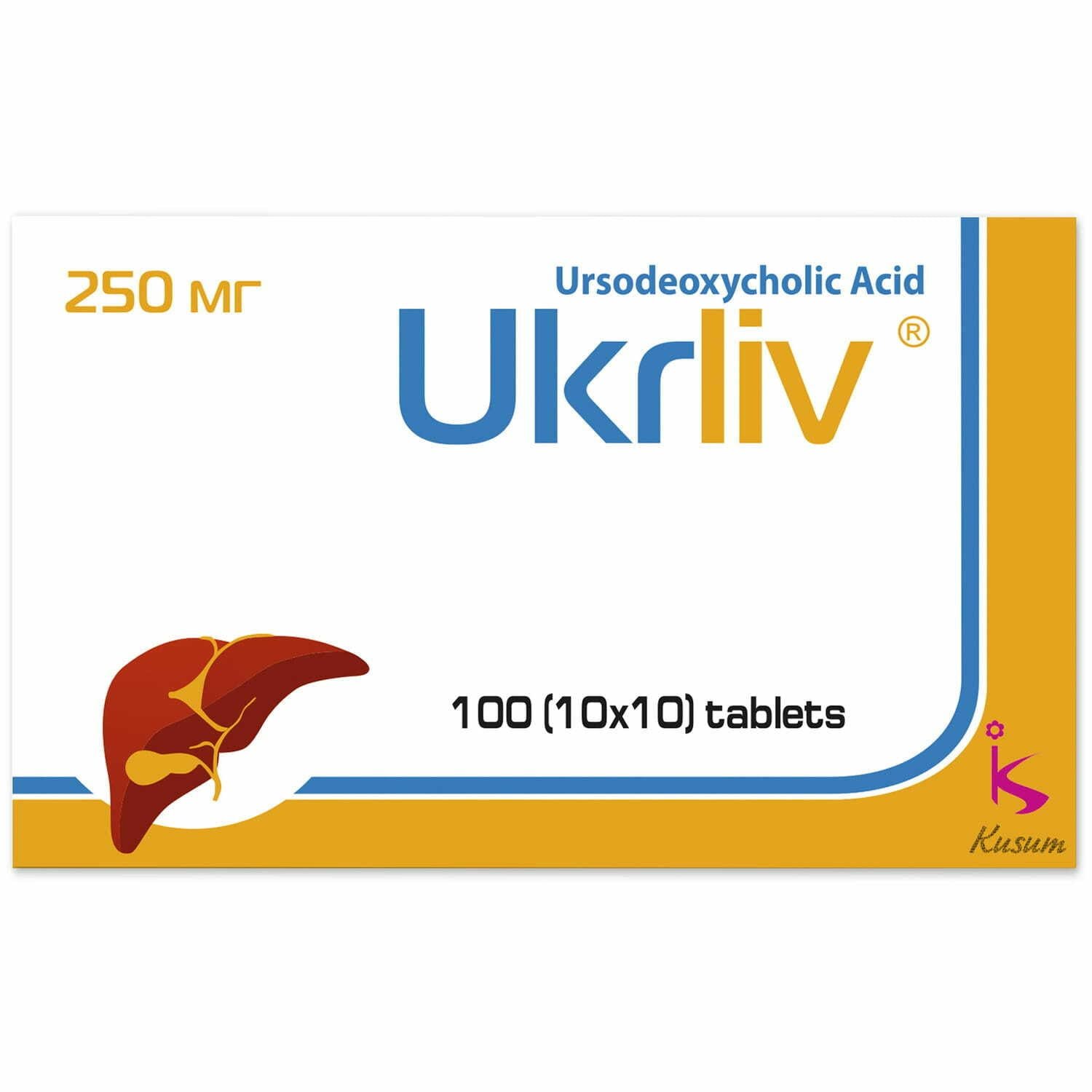
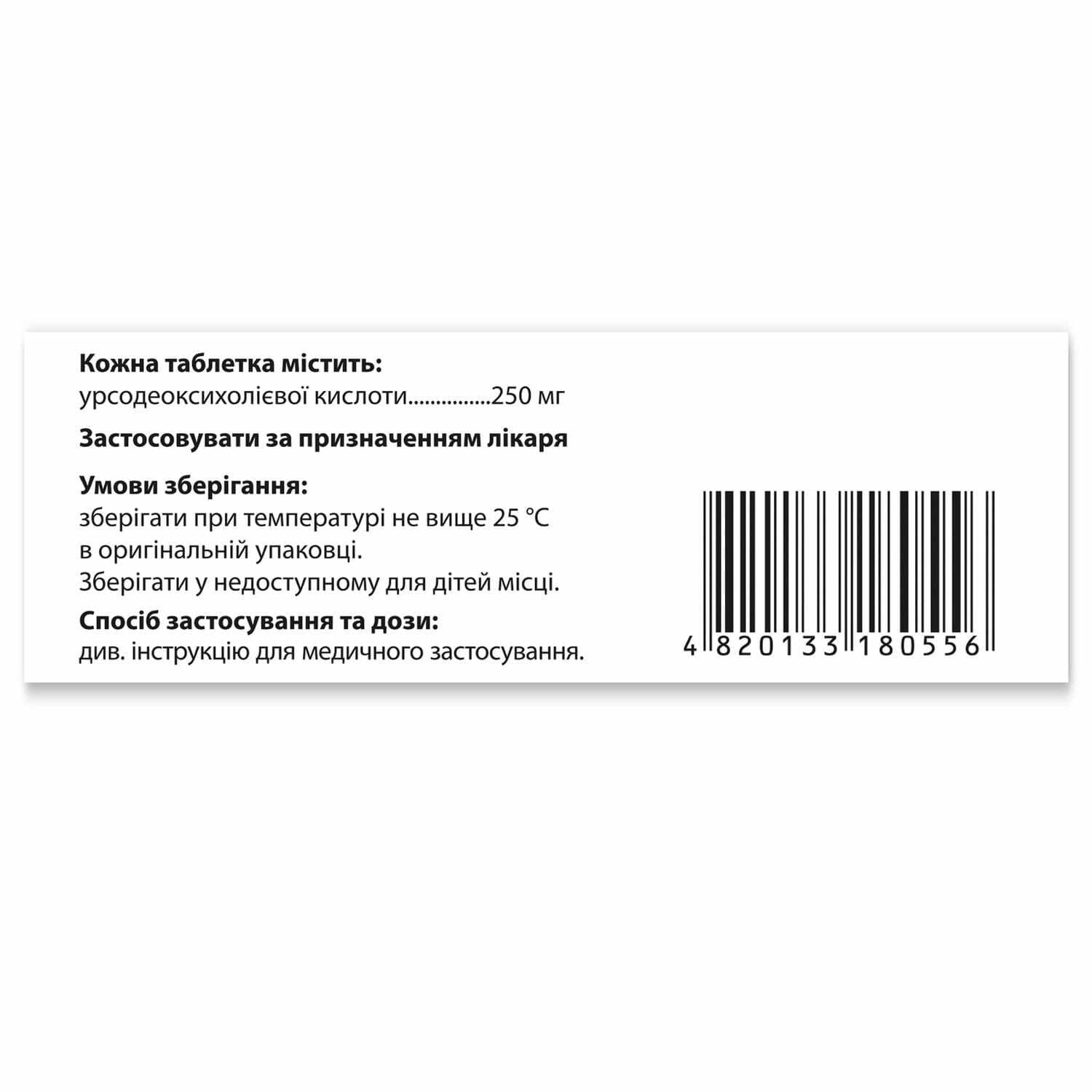


Ukrliv tablets 250 mg 100 pcs.
$89.52
Free Worldwide Shipping
to: Australia, Belgium, Canada, Czechia, Denmark, Estonia, Finland, Greece, Hungary, Ireland, Israel, Italy, Japan, Kuwait, Latvia, Lithuania, Mexico, Moldova, Netherlands, Norway, Poland, Romania, Slovakia, South Korea, Switzerland, United Kingdom, United States and more
🏖️ Hello! We are on vacation!
We are still accepting orders on our website; however, order processing and shipping will resume after September 10. If you place an order during our vacation, we will contact you and remind you about the temporary shipping delay. Starting September 10, all orders received during this period will be processed and shipped in the order they were placed. If your order contains a product with less than one year remaining before its expiration date, we will notify you after September 10 and proceed according to your instructions. If you decide to cancel an order placed during our vacation, simply contact us through the contact form on our website, and we will be happy to assist you. Thank you for your understanding, and we apologize for any inconvenience caused.
In stock
Ukrliv 250 mg treats biliary cirrhosis, dissolves gallstones, and manages hepatobiliary disorders in cystic fibrosis patients.
Payment
PayPal, Debit or Credit card, Google Pay, Apple Pay
Orders Temporarily Unavailable
Due to temporary postal service disruptions, we are currently unable to accept orders.
Ukrliv tablets are prescribed for the following indications:
- Symptomatic treatment of primary biliary cirrhosis (PBC) in the absence of decompensated liver cirrhosis.
- For the dissolution of radiopaque cholesterol gallstones no larger than 15 mm in diameter in patients with a functioning gallbladder, despite the presence of a gallstone in it.
- For the treatment of hepatobiliary disorders in cystic fibrosis in children aged 6 years and older.
Composition
Active ingredient: ursodeoxycholic acid
1 tablet contains 250 mg of ursodeoxycholic acid
Excipients: microcrystalline cellulose, sodium starch (type A), povidone K-30, magnesium stearate.
Contraindication
- Hypersensitivity to bile acids or to any of the excipients.
- Acute cholecystitis or acute cholangitis.
- Biliary obstruction (blockage of the common bile duct or ducts).
- Frequent attacks of biliary (hepatic) colic.
- The presence of radiopaque calcified gallstones.
- The contractility of the gallbladder is impaired.
- Unsuccessful outcome of portoenterostomy or lack of adequate biliary outflow in children with biliary atresia.
Method of application
The tablets should be swallowed without chewing, with a small amount of liquid, in the evening before bedtime.
The tablets must be taken regularly.
The time required for gallstones to dissolve is usually 6-24 months. If a reduction in the size of the gallstones is not observed after 12 months of treatment, therapy should not be continued.
Application features
Pregnant women
Should not be used.
Children
Use for children aged 6 and over.
Drivers
Does not affect.
Overdose
Overdose may cause diarrhea. Overdose is unlikely, as the absorption of ursodeoxycholic acid decreases with increasing dose and most of it is excreted in the feces.
In case of diarrhea, the dose should be reduced; if diarrhea persists, therapy should be discontinued.
No specific countermeasures are necessary; the effects of diarrhea should be treated symptomatically, maintaining fluid and electrolyte balance.
Side effects
Gastrointestinal: loose stools or diarrhea, severe pain in the right upper abdomen.
Liver and gallbladder: calcification of gallstones, decompensation of liver cirrhosis, which partially regressed after discontinuation of treatment.
Interaction
Estrogen hormones, as well as drugs to reduce cholesterol concentration in the blood, can increase the secretion of cholesterol by the liver and, thus, contribute to the formation of gallstones, which is the opposite effect of ursodeoxycholic acid, which is used to dissolve them.
Storage conditions
Store at a temperature not exceeding 25 °C in the original packaging.
Keep out of reach of children.
Shelf life – 3 years.
You may also like

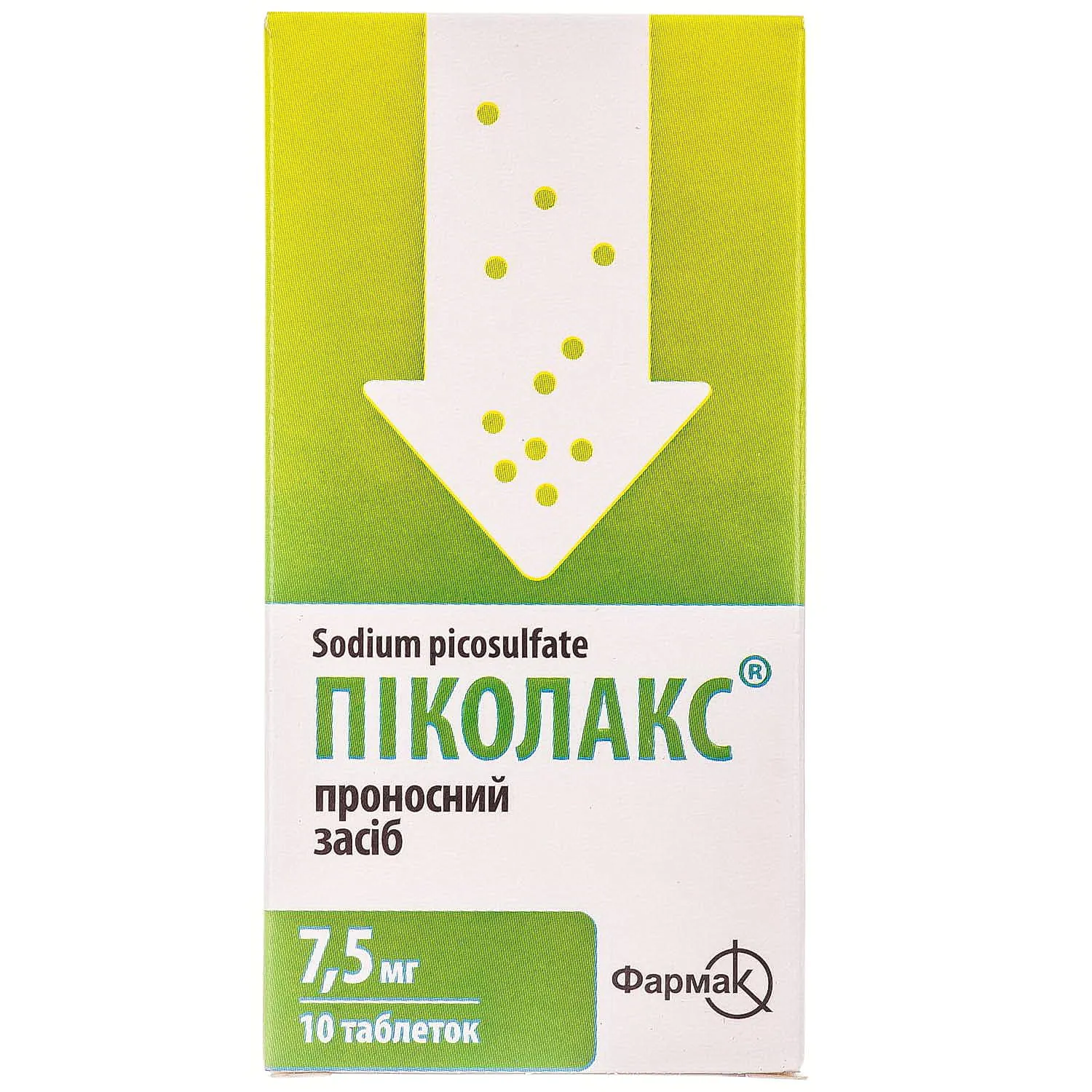
Picolax tablets of 7.5 mg, blister of 10 pcs
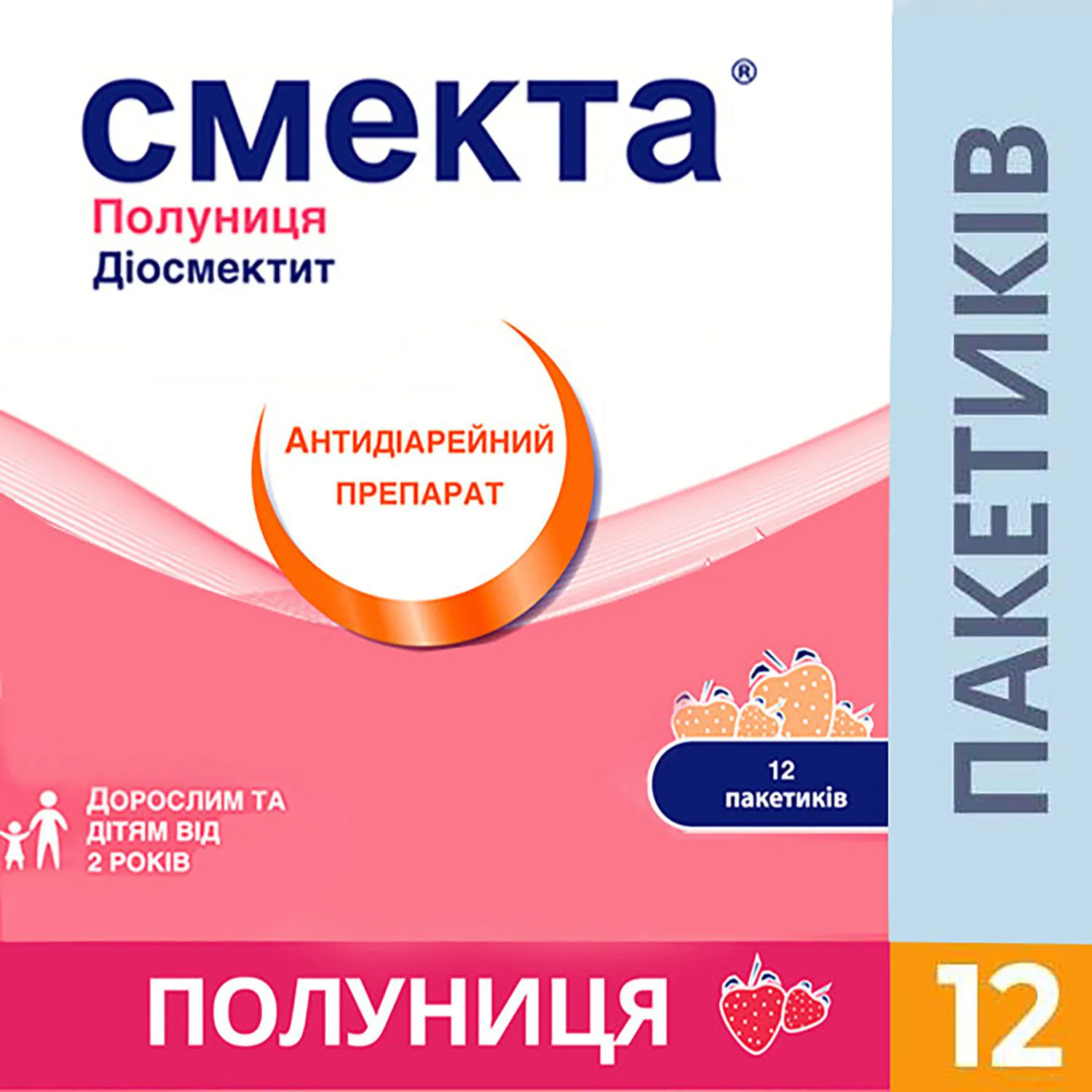
Smecta Strawberry powder for oral suspension in sachets of 3 g 12 pcs
Reviews
There are no reviews yet.