
🇦🇺 Australia
🇧🇪 Belgium
🇨🇦 Canada
🇨🇿 Czechia
🇩🇰 Denmark
🇪🇪 Estonia
🇫🇮 Finland
🇬🇷 Greece
🇭🇺 Hungary
🇮🇪 Ireland
🇮🇱 Israel
🇮🇹 Italy
🇯🇵 Japan
🇰🇼 Kuwait
🇱🇻 Latvia
🇱🇹 Lithuania
🇲🇽 Mexico
🇲🇩 Moldova
🇳🇱 Netherlands
🇳🇴 Norway
🇵🇱 Poland
🇷🇴 Romania
🇸🇰 Slovakia
🇰🇷 South Korea
🇨🇭 Switzerland
🇬🇧 United Kingdom
🇺🇸 United States of America
and more
🇦🇺 Australia
🇧🇪 Belgium
🇨🇦 Canada
🇨🇿 Czechia
🇩🇰 Denmark
🇪🇪 Estonia
🇫🇮 Finland
🇬🇷 Greece
🇭🇺 Hungary
🇮🇪 Ireland
🇮🇱 Israel
🇮🇹 Italy
🇯🇵 Japan
🇰🇼 Kuwait
🇱🇻 Latvia
🇱🇹 Lithuania
🇲🇽 Mexico
🇲🇩 Moldova
🇳🇱 Netherlands
🇳🇴 Norway
🇵🇱 Poland
🇷🇴 Romania
🇸🇰 Slovakia
🇰🇷 South Korea
🇨🇭 Switzerland
🇬🇧 United Kingdom
🇺🇸 United States of America
and more
Dear Customers! Due to temporary issues affecting postal carriers, delivery times may be longer than usual!
Dear Customers! Due to temporary issues affecting postal carriers, delivery times may be longer than usual!
Dear Customers! Due to temporary issues affecting postal carriers, delivery times may be longer than usual!
Dear Customers! Due to temporary issues affecting postal carriers, delivery times may be longer than usual!
Dear Customers! Due to temporary issues affecting postal carriers, delivery times may be longer than usual!
Dear Customers! Due to temporary issues affecting postal carriers, delivery times may be longer than usual!
$31.79


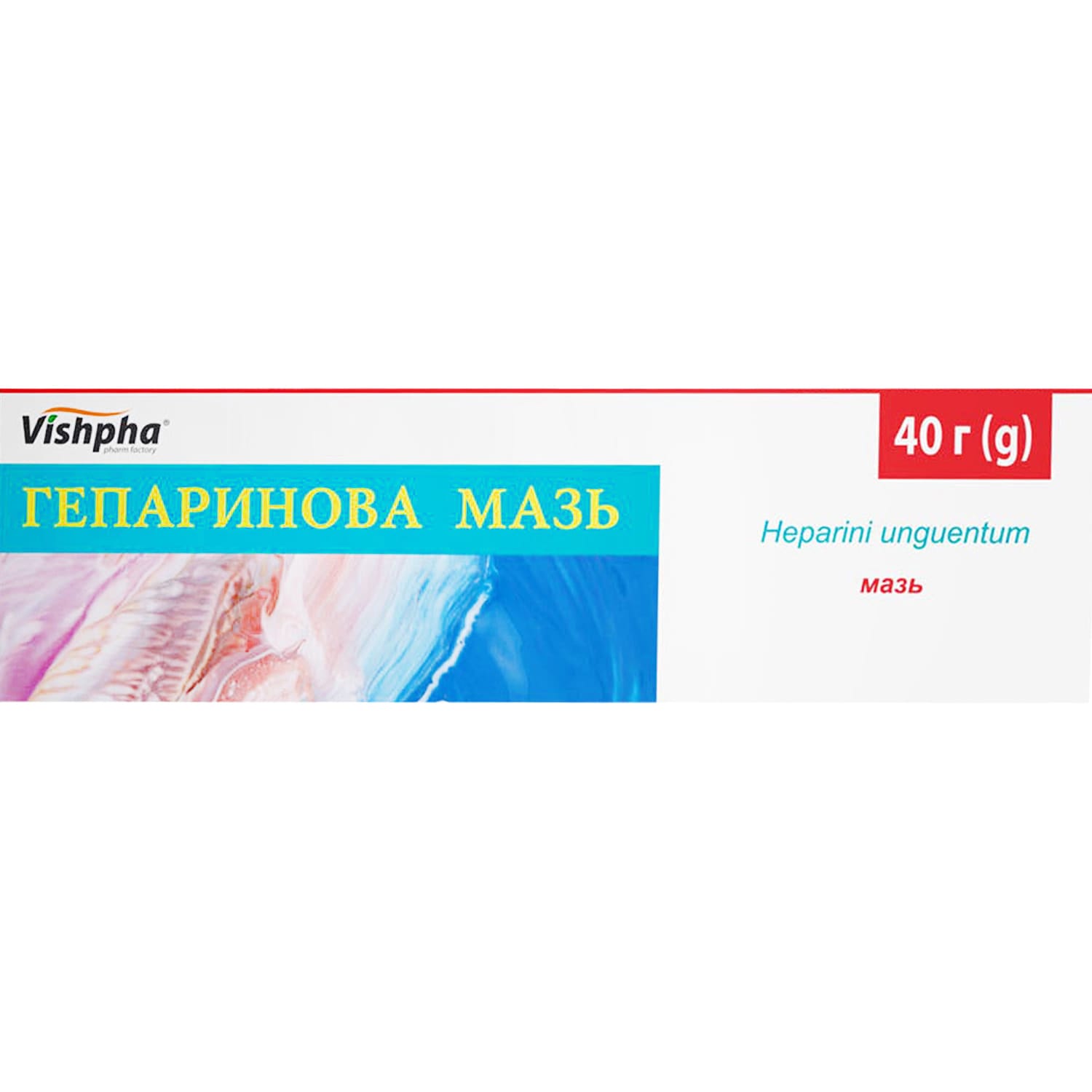
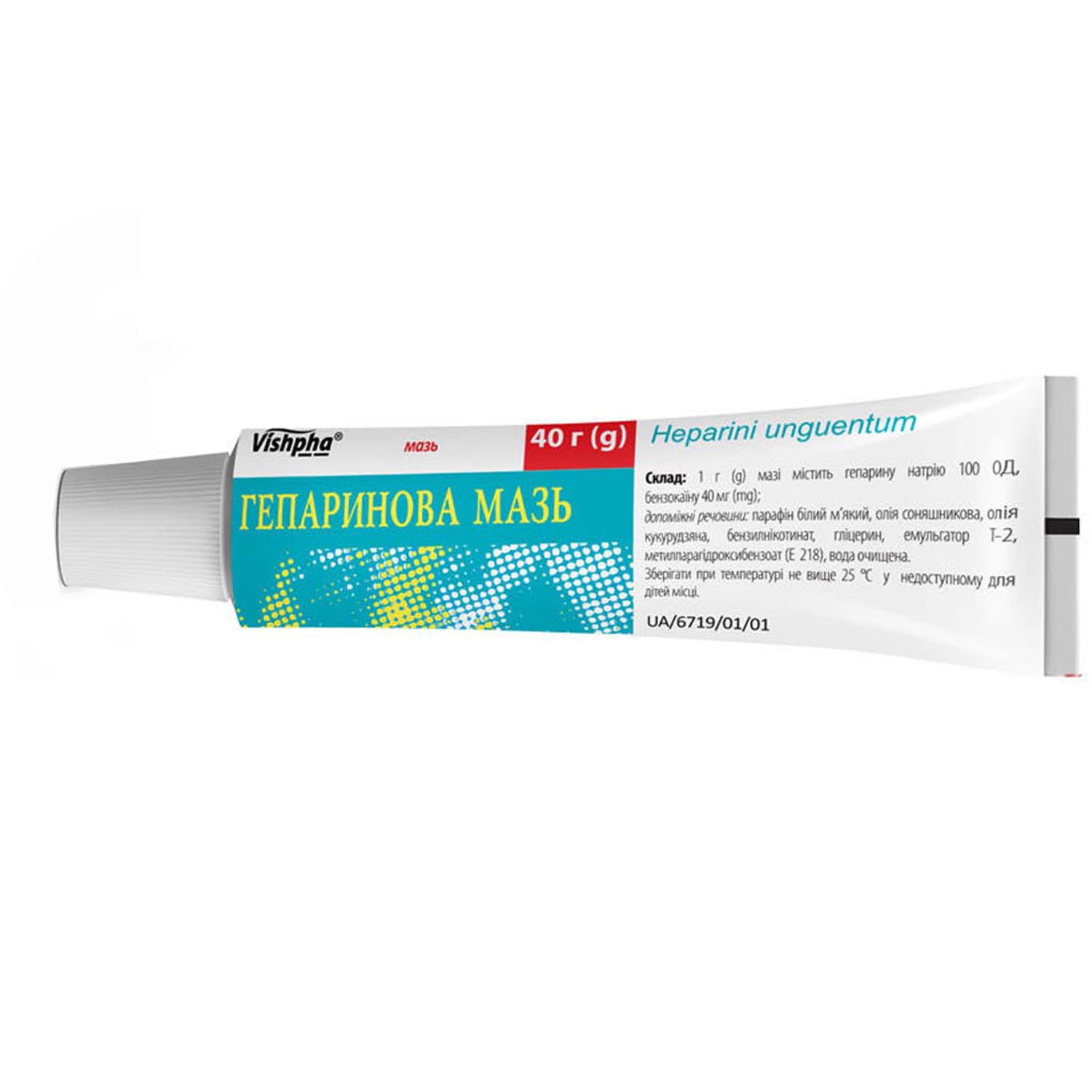


Heparin ointment tube 40 g
$26.41
Free Worldwide Shipping
to: Australia, Belgium, Canada, Czechia, Denmark, Estonia, Finland, Greece, Hungary, Ireland, Israel, Italy, Japan, Kuwait, Latvia, Lithuania, Mexico, Moldova, Netherlands, Norway, Poland, Romania, Slovakia, South Korea, Switzerland, United Kingdom, United States and more
🏖️ Hello! We are on vacation!
We are still accepting orders on our website; however, order processing and shipping will resume after September 10. If you place an order during our vacation, we will contact you and remind you about the temporary shipping delay. Starting September 10, all orders received during this period will be processed and shipped in the order they were placed. If your order contains a product with less than one year remaining before its expiration date, we will notify you after September 10 and proceed according to your instructions. If you decide to cancel an order placed during our vacation, simply contact us through the contact form on our website, and we will be happy to assist you. Thank you for your understanding, and we apologize for any inconvenience caused.
In stock
Heparin Ointment helps reduce swelling, bruising and discomfort linked to hemorrhoids, thrombophlebitis and soft tissue injuries. support.
Payment
PayPal, Debit or Credit card, Google Pay, Apple Pay
Orders Temporarily Unavailable
Due to temporary postal service disruptions, we are currently unable to accept orders.
Heparin ointment 40 g is a combined product for external use that has anticoagulant, anti-inflammatory and moderate analgesic effects. The drug is used for superficial venous inflammation, soft tissue injuries and inflammation of hemorrhoids.
Thanks to the combination of heparin sodium and benzocaine, heparin ointment helps reduce swelling, reduce pain, and prevent blood clots.
Composition
The therapeutic effect of heparin ointment 40 g is provided by the active components that make up its composition:
- sodium heparin – 100 U per 1 g of ointment;
- benzocaine — 40 mg per 1 g.
As a base, excipients are used that form a homogeneous ointment texture:
- white soft paraffin;
- vegetable oils;
- benzyl nicotinate;
- glycerin;
- emulsifier;
- methyl parahydroxybenzoate (E 218);
- purified water.
How does heparin ointment work?
Heparin ointment for thrombosis belongs to direct-acting anticoagulants. The drug has a complex effect on the inflammatory process and microcirculation.
When applied topically, the product:
- reduces the risk of blood clots;
- promotes the gradual dissolution of already formed clots;
- reduces the severity of inflammation;
- relieves pain.
That is why ointment for blood clots is used for superficial venous disorders and inflammatory processes of soft tissues.
Benzocaine in the composition enhances comfort during application, reducing local pain.
Systemic absorption is minimal.
Indications for use
Heparin ointment is used for the following conditions:
- treatment of superficial vein thrombophlebitis;
- post-injection and post-infusion phlebitis;
- trophic changes in the skin of the lower leg;
- lymphangitis and periphlebitis;
- heparin ointment for hemorrhoids (external form);
- inflammation of hemorrhoids after childbirth;
- heparin ointment for bruises and hematomas;
- ointment for bruises without damage to the skin;
- local infiltrates and edema.
In practice, the drug is often used as an ointment to resolve hematomas after injuries or bruises.
Method of application
Heparin ointment 40 g is used only externally in adult patients.
In case of inflammation of superficial veins
If necessary, the drug is applied in a thin layer to the affected area (approximately 0.5-1 g per area with a diameter of 3-5 cm). The ointment is carefully distributed over the skin 2-3 times a day.
The duration of the course is usually 3-7 days; if necessary, longer use is agreed with the doctor.
For thrombosis of hemorrhoidal veins
Heparin ointment for external hemorrhoids is applied to a gauze napkin, which is applied to the inflamed nodes and fixed. It is also allowed to use a tampon with the drug for careful introduction into the rectum.
The product is used 2-3 times a day until the inflammatory manifestations decrease, on average 3-14 days.
Contraindication
Do not use heparin ointment in the following conditions:
- hypersensitivity to the components of the drug;
- ulcerative-necrotic processes;
- open infected wounds;
- violation of the integrity of the skin at the site of application;
- hemorrhagic diathesis;
- purpura;
- thrombocytopenia;
- hemophilia;
- tendency to bleed.
Adverse reactions
When using heparin ointment, local reactions may occur:
- skin redness;
- itching or burning sensation;
- rash, hives;
- local hemorrhages;
- puffiness;
- rarely – angioedema.
When treating large areas of skin, systemic allergic reactions cannot be ruled out.
Special instructions
Important precautions should be taken into account before using Heparin Ointment 40 g:
- do not apply to open wound surfaces and areas with purulent inflammation;
- do not use in case of deep venous thrombosis;
- avoid application to mucous membranes and eye area;
- do not use in case of active bleeding;
- If you have blood clotting disorders, avoid treating large areas of skin.
With long-term treatment and simultaneous use of anticoagulants, it is recommended to monitor coagulation parameters.
Use during pregnancy and lactation
Heparin ointment 40 g is not used during pregnancy and breastfeeding.
Children
The drug is not intended for use in children.
Interaction with other tools
Before using heparin ointment, possible interactions should be considered:
- the effect is enhanced by simultaneous administration of anticoagulants, acetylsalicylic acid and NSAIDs;
- effectiveness may decrease when using tetracyclines, nicotine, antihistamines;
- It is not recommended to combine with other topical medications (hydrocortisone, salicylic acid, tetracycline).
Overdose
Due to the low degree of systemic absorption, overdose is unlikely.
Storage conditions
Store at a temperature of 8 to 20°C out of the reach of children.
You may also like


Reviews
There are no reviews yet.