
🇦🇺 Australia
🇧🇪 Belgium
🇨🇦 Canada
🇨🇿 Czechia
🇩🇰 Denmark
🇪🇪 Estonia
🇫🇮 Finland
🇬🇷 Greece
🇭🇺 Hungary
🇮🇪 Ireland
🇮🇱 Israel
🇮🇹 Italy
🇯🇵 Japan
🇰🇼 Kuwait
🇱🇻 Latvia
🇱🇹 Lithuania
🇲🇽 Mexico
🇲🇩 Moldova
🇳🇱 Netherlands
🇳🇴 Norway
🇵🇱 Poland
🇷🇴 Romania
🇸🇰 Slovakia
🇰🇷 South Korea
🇨🇭 Switzerland
🇬🇧 United Kingdom
🇺🇸 United States of America
and more
🇦🇺 Australia
🇧🇪 Belgium
🇨🇦 Canada
🇨🇿 Czechia
🇩🇰 Denmark
🇪🇪 Estonia
🇫🇮 Finland
🇬🇷 Greece
🇭🇺 Hungary
🇮🇪 Ireland
🇮🇱 Israel
🇮🇹 Italy
🇯🇵 Japan
🇰🇼 Kuwait
🇱🇻 Latvia
🇱🇹 Lithuania
🇲🇽 Mexico
🇲🇩 Moldova
🇳🇱 Netherlands
🇳🇴 Norway
🇵🇱 Poland
🇷🇴 Romania
🇸🇰 Slovakia
🇰🇷 South Korea
🇨🇭 Switzerland
🇬🇧 United Kingdom
🇺🇸 United States of America
and more
Dear Customers! Due to temporary issues affecting postal carriers, delivery times may be longer than usual!
Dear Customers! Due to temporary issues affecting postal carriers, delivery times may be longer than usual!
Dear Customers! Due to temporary issues affecting postal carriers, delivery times may be longer than usual!
Dear Customers! Due to temporary issues affecting postal carriers, delivery times may be longer than usual!
Dear Customers! Due to temporary issues affecting postal carriers, delivery times may be longer than usual!
Dear Customers! Due to temporary issues affecting postal carriers, delivery times may be longer than usual!


$26.41
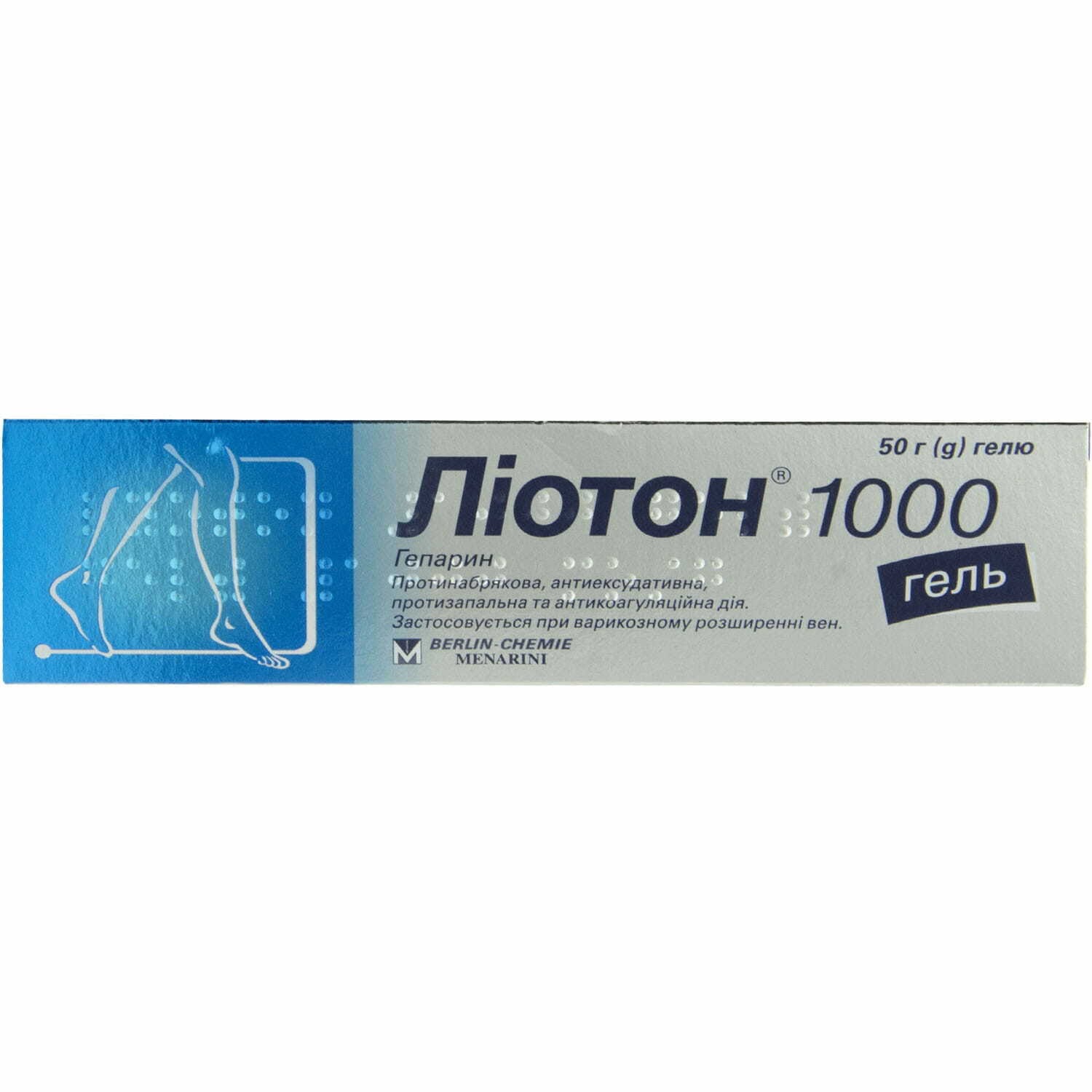
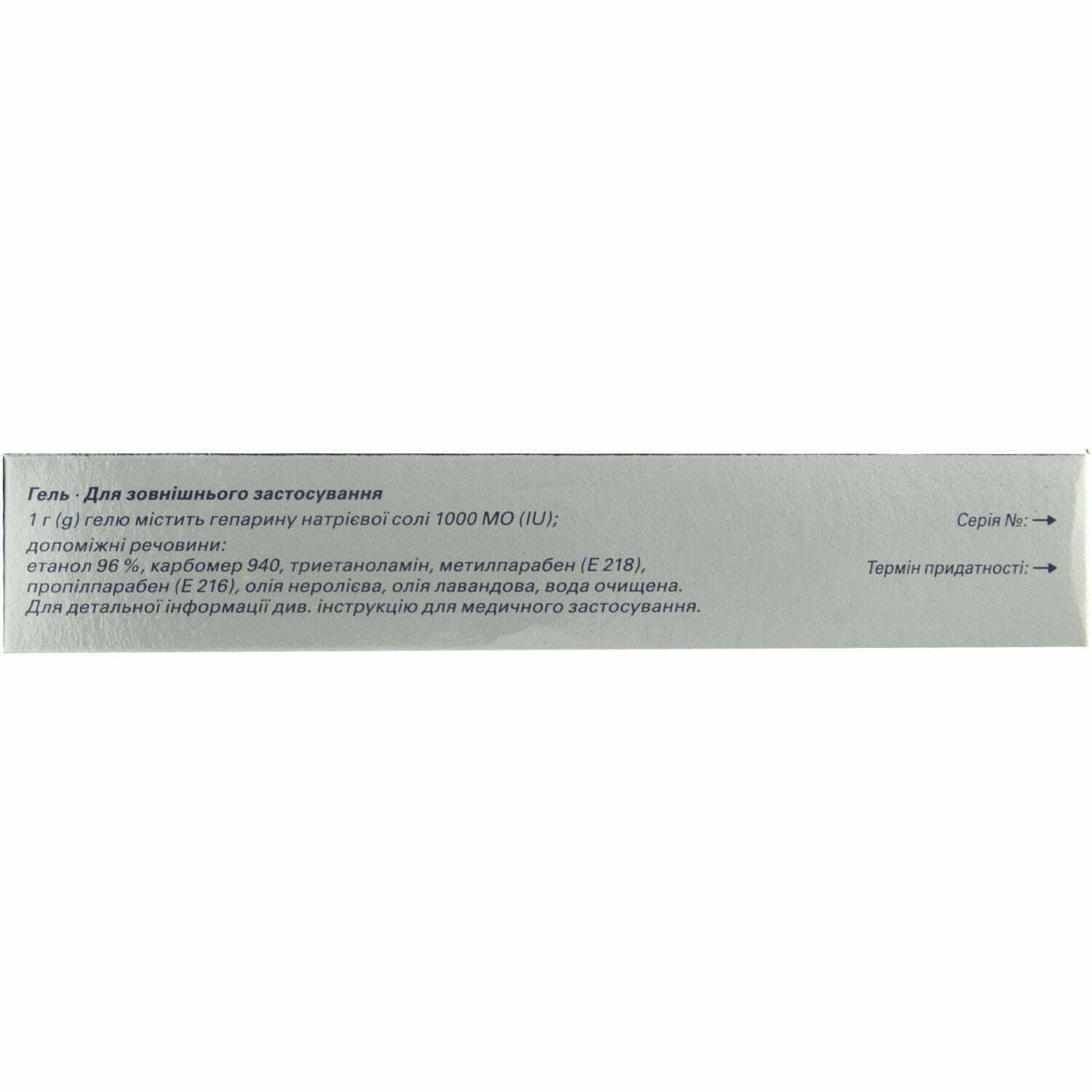


Lioton gel 1000 tube 50 g
$31.79
Free Worldwide Shipping
to: Australia, Belgium, Canada, Czechia, Denmark, Estonia, Finland, Greece, Hungary, Ireland, Israel, Italy, Japan, Kuwait, Latvia, Lithuania, Mexico, Moldova, Netherlands, Norway, Poland, Romania, Slovakia, South Korea, Switzerland, United Kingdom, United States and more
🏖️ Hello! We are on vacation!
We are still accepting orders on our website; however, order processing and shipping will resume after September 10. If you place an order during our vacation, we will contact you and remind you about the temporary shipping delay. Starting September 10, all orders received during this period will be processed and shipped in the order they were placed. If your order contains a product with less than one year remaining before its expiration date, we will notify you after September 10 and proceed according to your instructions. If you decide to cancel an order placed during our vacation, simply contact us through the contact form on our website, and we will be happy to assist you. Thank you for your understanding, and we apologize for any inconvenience caused.
In stock
Lioton 1000 gel helps relieve swelling, bruising and discomfort linked to varicose veins, thrombophlebitis, injuries and hematomas. Supports skin recovery.
Payment
PayPal, Debit or Credit card, Google Pay, Apple Pay
Orders Temporarily Unavailable
Due to temporary postal service disruptions, we are currently unable to accept orders.
Composition and form of release
Composition
- active ingredient: 1 g of gel contains 1000 IU of heparin sodium salt;
- excipients: ethanol 96%, carbomer 940, triethanolamine, methylparaben (E 218), propylparaben (E 216), neroli oil (contains linalool, d-limonene, geraniol, citral, citronellol and farnesol), lavender oil (contains linalool, d-limonene, geraniol and coumarin), purified water.
Release form
Gel.
Pharmacological properties
Pharmacodynamics. Lioton 1000 gel, when applied to the skin, has an anti-edematous, anti-exudative, anti-inflammatory and anticoagulant effect.
Pharmacokinetics. Heparin is detected in blood plasma within 24 hours after application of the drug, with C max of heparin in blood plasma reached after 8 hours. Excretion occurs mainly by the kidneys. The drug applied to the skin does not affect blood coagulation parameters.
Indication
Medical care for diseases of superficial veins, such as varicose veins and related complications, phlebothrombosis, thrombophlebitis, superficial periphlebitis; postoperative varicose phlebitis, complications after surgery for removal of the saphenous vein of the lower limb; injuries and bruises, infiltrates and localized edema, subcutaneous hematomas; injuries and sprains of the musculo-tendon and capsular-ligamentous apparatus.
Application
Adults use the drug 1-3 times a day. Apply 3-10 cm of gel to the affected area of the skin and rub in gently. The duration of treatment is determined by the doctor individually, taking into account the severity of the disease.
Contraindication
Hypersensitivity to heparin or any other component of the drug, bleeding trophic ulcers of the lower extremities, open and/or infected wounds, hemorrhagic diathesis, purpura, thrombocytopenia, hemophilia. bleeding tendency.
Side effects
In some cases, hypersensitivity reactions may occur (hyperemia, itching and swelling of the skin, burning sensation, skin rash, urticaria, angioedema, hemorrhages, sometimes the appearance of small pustules, vesicles or blisters that quickly regress after discontinuation of the drug). When applied to large areas of the skin, systemic adverse reactions may occur.
Special instructions
As excipients, the drug contains methylparaben and propylparaben, so it cannot be used in case of allergy to parabens. If the patient has hemorrhagic symptoms, the possibility of using the drug Lioton 1000 gel should be carefully considered. The drug should not be used in case of bleeding, applied to open wounds, mucous membranes, infected areas of the skin in the presence of purulent processes, eyes and areas around the eyes, ulcers and blisters. In case of impaired blood clotting, the gel is not recommended to be applied to large areas of the skin. In case of phlebitis, the drug should not be rubbed into the skin.
Pregnancy and breastfeeding
There are no data on the use of the drug during pregnancy and breastfeeding.
Children
Due to limited experience, the drug is not recommended for use in children.
The ability to influence the reaction speed when driving or working with other mechanisms
The drug does not affect the ability to drive vehicles and work with other mechanisms.
Interactions
Heparin may prolong prothrombin time in patients receiving oral anticoagulants. It should not be used concomitantly with topical medications, such as those containing tetracycline, hydrocortisone, salicylic acid, or anticoagulants.
Overdose
Cases of overdose have not been described to date. Due to the insignificant systemic absorption, there is no risk of overdose of the drug when applied topically. Accidental oral administration of the gel (for example, by a child) may cause nausea or vomiting. In this case, the stomach should be washed and, if necessary, symptomatic therapy should be prescribed. The effect of heparin can be neutralized with protamine sulfate.
Storage conditions
Does not require special storage conditions.
You may also like


Reviews
There are no reviews yet.