


Ibufen Forte oral suspension for children relieves fever and pain from colds, flu, teething and inflammation. Ibuprofen formula, 200 mg/5 ml.

We deliver to:
🇦🇺 Australia
🇧🇪 Belgium
🇨🇦 Canada
🇨🇿 Czechia
🇩🇰 Denmark
🇪🇪 Estonia
🇫🇮 Finland
🇬🇷 Greece
🇭🇺 Hungary
🇮🇪 Ireland
🇮🇱 Israel
🇮🇹 Italy
🇯🇵 Japan
🇰🇼 Kuwait
🇱🇻 Latvia
🇱🇹 Lithuania
🇲🇽 Mexico
🇲🇩 Moldova
🇳🇱 Netherlands
🇳🇴 Norway
🇵🇱 Poland
🇷🇴 Romania
🇸🇰 Slovakia
🇰🇷 South Korea
🇨🇭 Switzerland
🇬🇧 United Kingdom
🇺🇸 United States of America
and more
We deliver to:
🇦🇺 Australia
🇧🇪 Belgium
🇨🇦 Canada
🇨🇿 Czechia
🇩🇰 Denmark
🇪🇪 Estonia
🇫🇮 Finland
🇬🇷 Greece
🇭🇺 Hungary
🇮🇪 Ireland
🇮🇱 Israel
🇮🇹 Italy
🇯🇵 Japan
🇰🇼 Kuwait
🇱🇻 Latvia
🇱🇹 Lithuania
🇲🇽 Mexico
🇲🇩 Moldova
🇳🇱 Netherlands
🇳🇴 Norway
🇵🇱 Poland
🇷🇴 Romania
🇸🇰 Slovakia
🇰🇷 South Korea
🇨🇭 Switzerland
🇬🇧 United Kingdom
🇺🇸 United States of America
and more
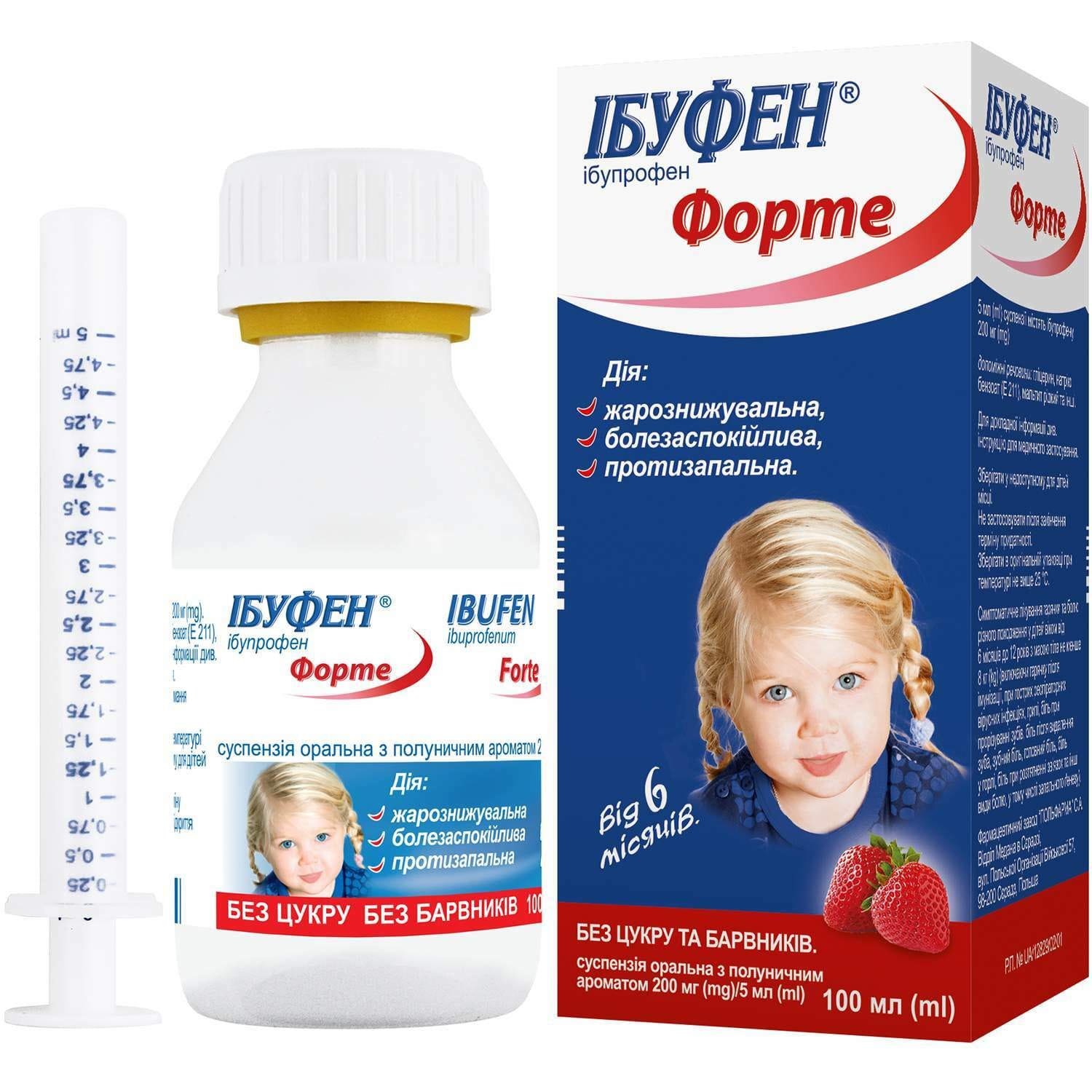
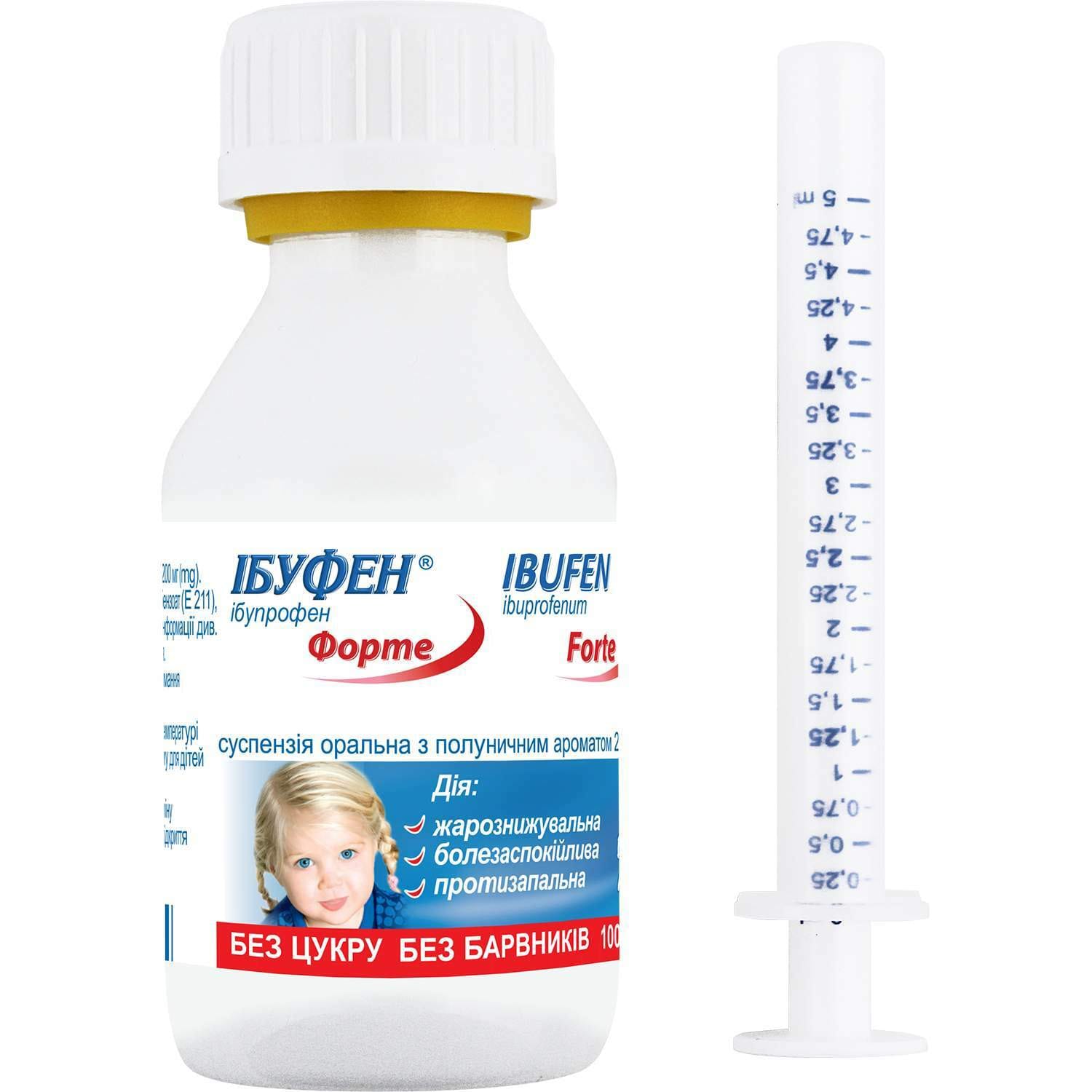
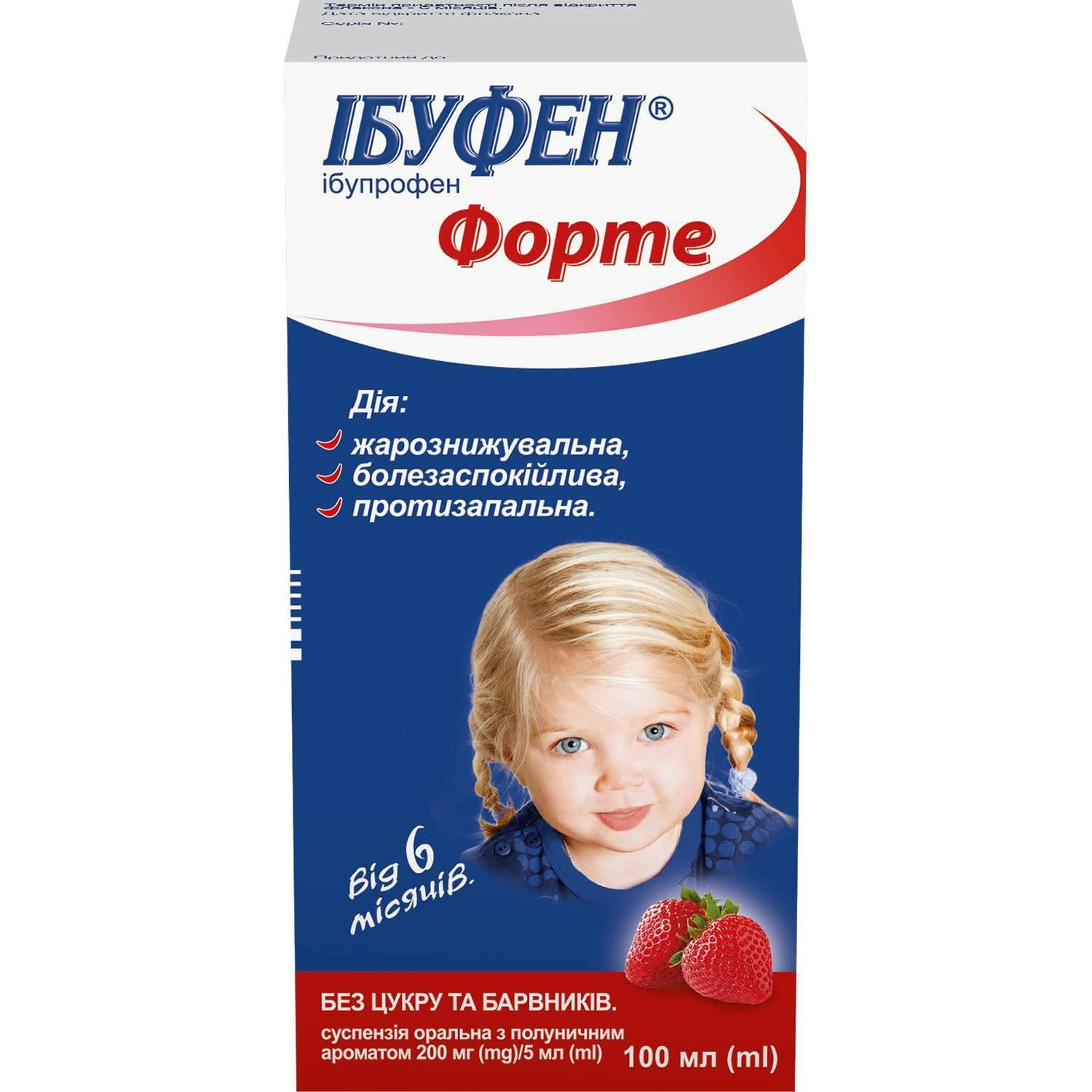
Please note: The product packaging may vary from the images shown. The contents, ingredients, and quality of the product remain unchanged.
Ibufen forte oral suspension 200 mg/5 ml with strawberry flavor, 100 ml bottle
$18.52
Free Worldwide Shipping
to: Australia, Belgium, Canada, Czechia, Denmark, Estonia, Finland, Greece, Hungary, Ireland, Israel, Italy, Japan, Kuwait, Latvia, Lithuania, Mexico, Moldova, Netherlands, Norway, Poland, Romania, Slovakia, South Korea, Switzerland, United Kingdom, United States and more
🏖️ Hello! We are on vacation!
We are still accepting orders on our website; however, order processing and shipping will resume after September 10. If you place an order during our vacation, we will contact you and remind you about the temporary shipping delay. Starting September 10, all orders received during this period will be processed and shipped in the order they were placed. If your order contains a product with less than one year remaining before its expiration date, we will notify you after September 10 and proceed according to your instructions. If you decide to cancel an order placed during our vacation, simply contact us through the contact form on our website, and we will be happy to assist you. Thank you for your understanding, and we apologize for any inconvenience caused.
In stock
Categories: Cold and flu
Brand: Polpharma
Payment
PayPal, Debit or Credit card, Google Pay, Apple Pay
Orders Temporarily Unavailable
Due to temporary postal service disruptions, we are currently unable to accept orders.
Oral suspension for children Ibufen® forte is indicated for the symptomatic treatment of fever and pain of various origins in children aged 6 months to 12 years with a body weight of at least 8 kg (including fever after immunization, acute respiratory viral infections, influenza, teething pain, pain after tooth extraction, toothache, headache, sore throat, pain from sprains and other types of pain, including inflammatory genesis).
Composition of Ibufen forte
Active ingredient: ibuprofen;
5 ml of suspension contains 200 mg of ibuprofen;
Excipients: hypromellose, xanthan gum, glycerin, sodium benzoate (E 211), citric acid, sodium, sodium saccharin, liquid maltitol, sodium chloride, strawberry or raspberry flavoring, purified water.
Contraindication of Ibufen forte
- Hypersensitivity to ibuprofen or to any of the components of the drug.
- History of hypersensitivity reactions (such as bronchospasm, rhinitis, angioedema or urticaria) after taking ibuprofen, acetylsalicylic acid (aspirin) or other NSAIDs.
- Gastric or duodenal ulcer/bleeding in active form or history of recurrence (two or more severe episodes of confirmed ulcer or bleeding).
- History of gastrointestinal bleeding or perforation associated with NSAID use.
- Severe heart failure, severe liver dysfunction or severe kidney dysfunction.
- The last trimester of pregnancy.
Method of application
For oral use. The dose of ibuprofen is usually 5 to 10 mg/kg body weight. The recommended daily dose is 20-30 mg per 1 kg of body weight, divided into equal doses, the interval between doses is 6-8 hours. To ensure accurate dosing, use the syringe-doser included in the package. Do not exceed the recommended dose. For short-term use only. Shake before use.
Application features
Pregnant women
The drug is used in children under 12 years of age.
Children
The drug is used in children under 12 years of age.
Drivers
The drug is used in children under 12 years of age.
Overdose of Ibufen forte
In children, symptoms of overdose may occur when taking a dose of ibuprofen exceeding 400 mg/kg. The half-life in overdose is 1.5-3 hours.
Symptoms. Most patients who received clinically significant amounts of the drug developed only nausea, vomiting, epigastric pain, very rarely diarrhea. Tinnitus, headache, and gastrointestinal bleeding may also occur. In more severe poisoning, toxic CNS lesions are possible, which manifest as vertigo, drowsiness, sometimes – an excited state and disorientation or coma. Sometimes patients have convulsions
Treatment: Treatment should be symptomatic and supportive, and include maintaining a patent airway and monitoring cardiac and vital signs until the condition returns to normal. Oral administration of activated charcoal or gastric lavage is recommended within 1 hour of ingestion of a potentially toxic dose.
Side effects
The most frequent adverse reactions are gastrointestinal in nature and are mainly dose-dependent, including a risk of gastrointestinal bleeding, which is dose- and duration-dependent. Adverse reactions are less common when the maximum daily dose does not exceed 1200 mg.
Interaction
The concomitant use of ibuprofen with acetylsalicylic acid should be avoided unless a lower dose of acetylsalicylic acid (not higher than 75 mg per day) has been prescribed by a doctor, and with other NSAIDs, including selective COX-2 inhibitors (COX-2), as this may increase the risk of side effects.
Storage conditions
Store in the original packaging at a temperature not exceeding 25 °C.
Keep out of reach of children.
Shelf life – 2 years.
Be the first to review “Ibufen forte oral suspension 200 mg/5 ml with strawberry flavor, 100 ml bottle” Cancel reply
You may also like

Reviews
There are no reviews yet.