


Dvatse Long 600 mg effervescent tablets with acetylcysteine help loosen mucus, ease productive cough, and support respiratory health and comfort.

We deliver to:
🇦🇺 Australia
🇧🇪 Belgium
🇨🇦 Canada
🇨🇿 Czechia
🇩🇰 Denmark
🇪🇪 Estonia
🇫🇮 Finland
🇬🇷 Greece
🇭🇺 Hungary
🇮🇪 Ireland
🇮🇱 Israel
🇮🇹 Italy
🇯🇵 Japan
🇰🇼 Kuwait
🇱🇻 Latvia
🇱🇹 Lithuania
🇲🇽 Mexico
🇲🇩 Moldova
🇳🇱 Netherlands
🇳🇴 Norway
🇵🇱 Poland
🇷🇴 Romania
🇸🇰 Slovakia
🇰🇷 South Korea
🇨🇭 Switzerland
🇬🇧 United Kingdom
🇺🇸 United States of America
and more
We deliver to:
🇦🇺 Australia
🇧🇪 Belgium
🇨🇦 Canada
🇨🇿 Czechia
🇩🇰 Denmark
🇪🇪 Estonia
🇫🇮 Finland
🇬🇷 Greece
🇭🇺 Hungary
🇮🇪 Ireland
🇮🇱 Israel
🇮🇹 Italy
🇯🇵 Japan
🇰🇼 Kuwait
🇱🇻 Latvia
🇱🇹 Lithuania
🇲🇽 Mexico
🇲🇩 Moldova
🇳🇱 Netherlands
🇳🇴 Norway
🇵🇱 Poland
🇷🇴 Romania
🇸🇰 Slovakia
🇰🇷 South Korea
🇨🇭 Switzerland
🇬🇧 United Kingdom
🇺🇸 United States of America
and more
Please note: The product packaging may vary from the images shown. The contents, ingredients, and quality of the product remain unchanged.
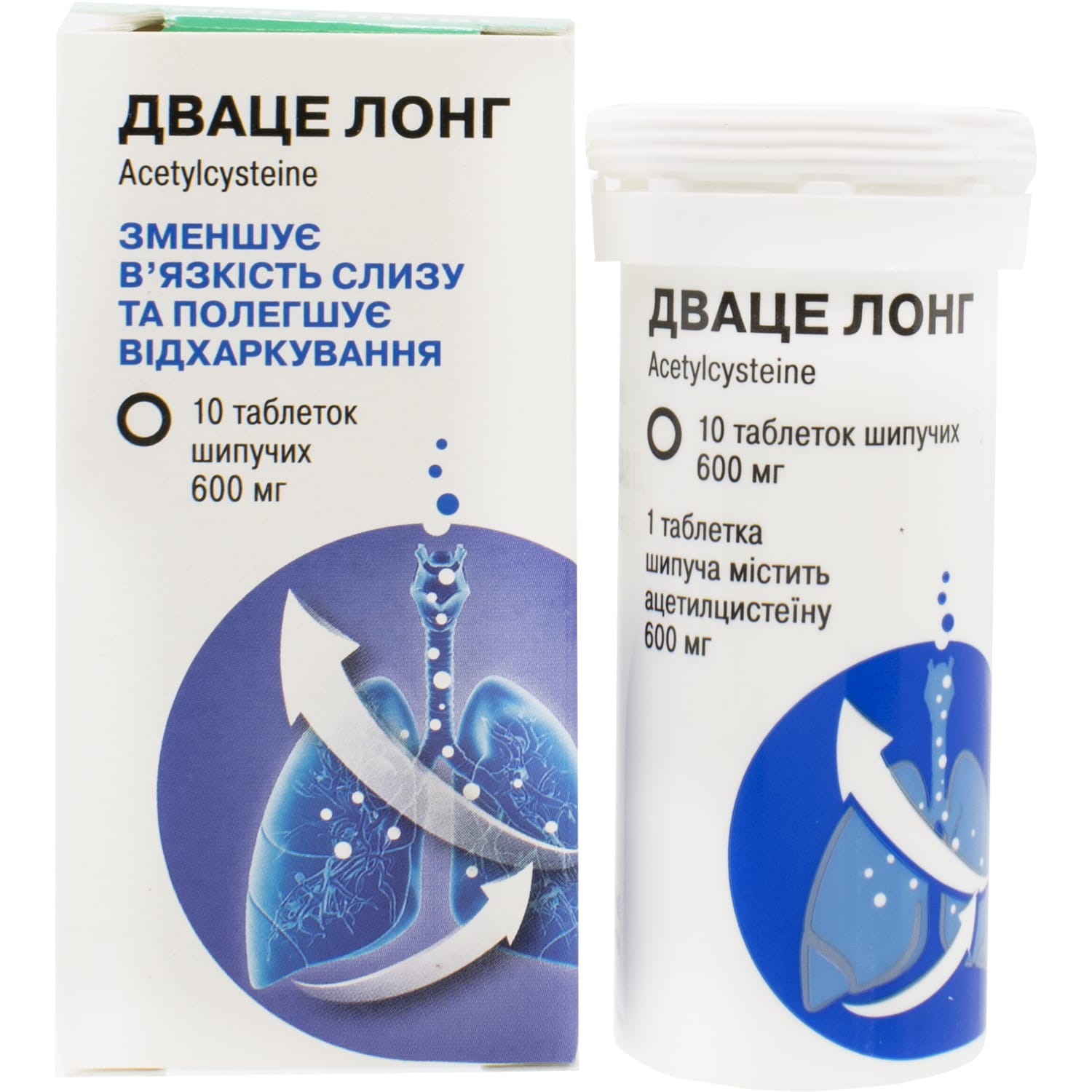
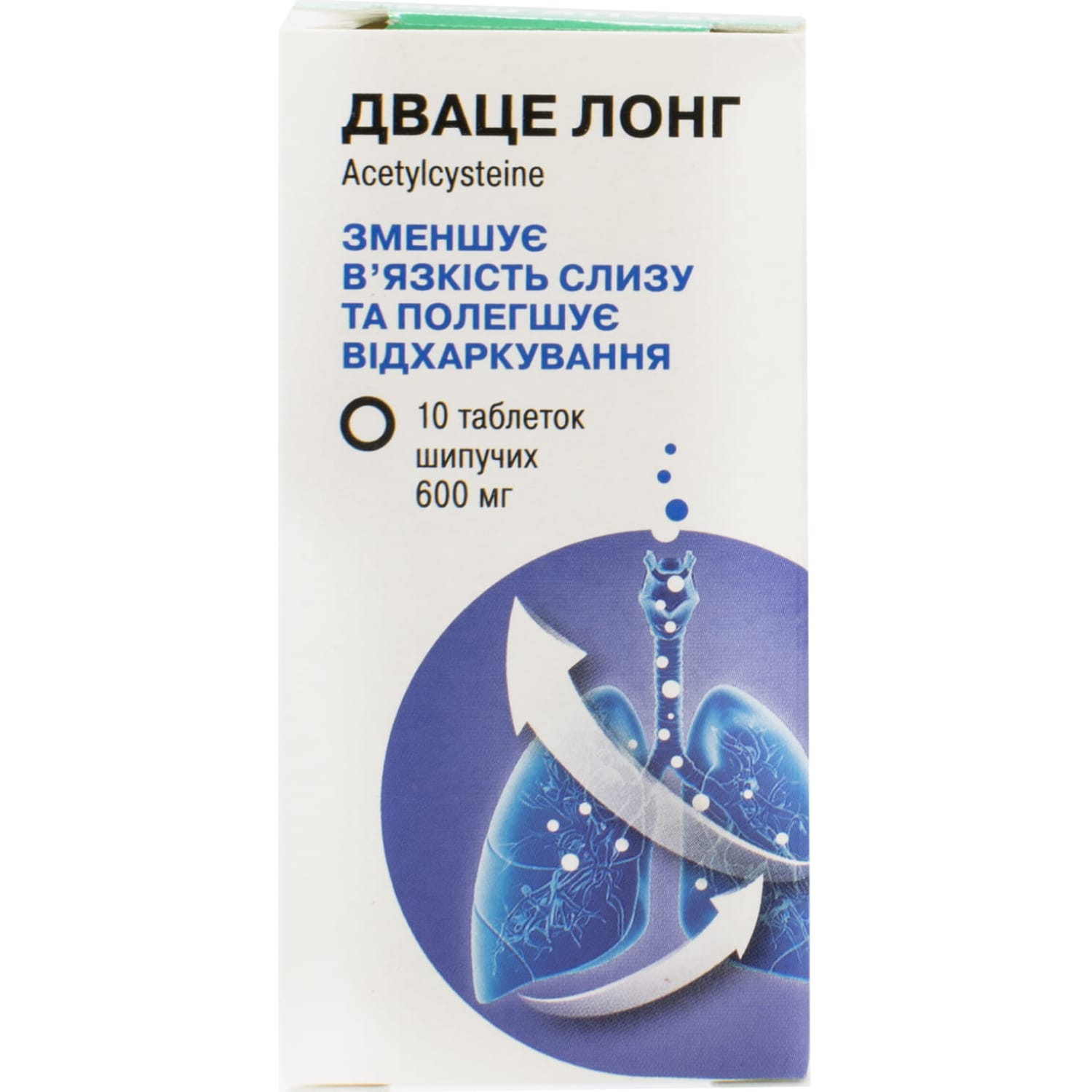
Dvatse Long effervescent tablets 600 mg tube 10 pcs.
$22.31
Free Worldwide Shipping
to: Australia, Belgium, Canada, Czechia, Denmark, Estonia, Finland, Greece, Hungary, Ireland, Israel, Italy, Japan, Kuwait, Latvia, Lithuania, Mexico, Moldova, Netherlands, Norway, Poland, Romania, Slovakia, South Korea, Switzerland, United Kingdom, United States and more
🏖️ Hello! We are on vacation!
We are still accepting orders on our website; however, order processing and shipping will resume after September 10. If you place an order during our vacation, we will contact you and remind you about the temporary shipping delay. Starting September 10, all orders received during this period will be processed and shipped in the order they were placed. If your order contains a product with less than one year remaining before its expiration date, we will notify you after September 10 and proceed according to your instructions. If you decide to cancel an order placed during our vacation, simply contact us through the contact form on our website, and we will be happy to assist you. Thank you for your understanding, and we apologize for any inconvenience caused.
In stock
Categories: Cold and flu
Brand: Darnytsia
Payment
PayPal, Debit or Credit card, Google Pay, Apple Pay
Orders Temporarily Unavailable
Due to temporary postal service disruptions, we are currently unable to accept orders.
Dvatse Long is prescribed for the treatment of acute and chronic diseases of the bronchopulmonary system, accompanied by increased sputum production.
Composition
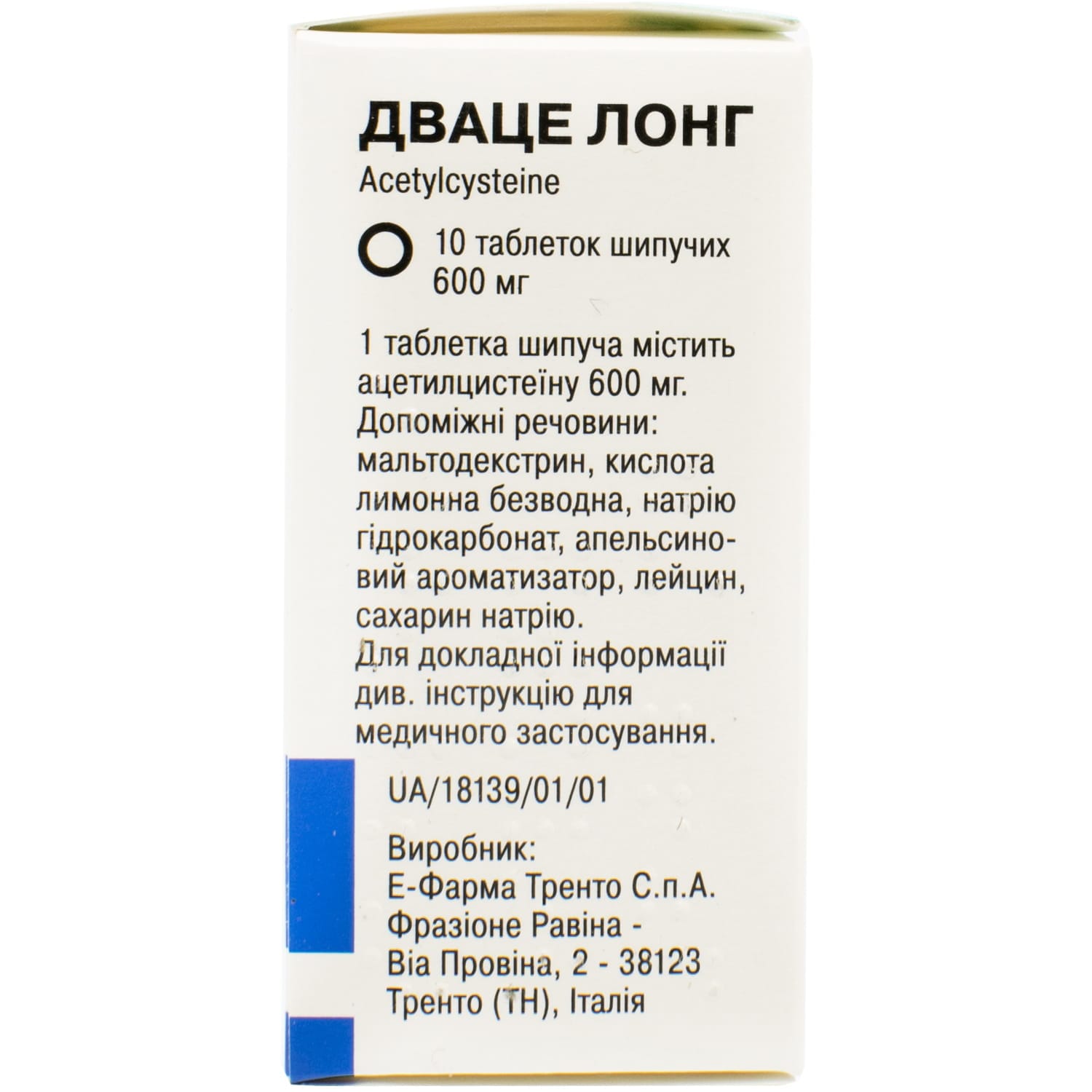
Active ingredient: acetylcysteine.
1 effervescent tablet contains 600 mg of acetylcysteine.
Excipients: maltodextrin, anhydrous citric acid, sodium bicarbonate, orange flavoring, leucine, sodium saccharin.
Contraindication
Hypersensitivity to acetylcysteine or to other components of the drug. Gastric and duodenal ulcer in the acute stage, hemoptysis, pulmonary hemorrhage, severe exacerbation of bronchial asthma.
Method of application
Adults and children aged 12 and over
Dissolve 600 mg effervescent tablets in 1/3 cup of water and take once a day.
Additional fluid intake enhances the mucolytic effect of the drug.
The duration of the course of treatment is determined by the doctor individually, depending on the nature of the disease (acute or chronic). The drug should not be taken for more than 4–5 days without consulting a doctor.
Application features
Patients with bronchial asthma should be closely monitored during treatment due to the possible development of bronchospasm. In the event of bronchospasm, treatment with acetylcysteine should be discontinued immediately.
There are isolated reports of severe skin reactions (Stevens-Johnson and Lyell syndromes) when taking acetylcysteine, therefore, in the event of changes in the skin or mucous membranes, the use of the drug should be immediately discontinued and a doctor should be consulted regarding its further use.
It is recommended to use the drug with caution in patients with a history of gastric and duodenal ulcers, especially in case of concomitant use of other drugs that irritate the gastric mucosa.
Acetylcysteine should be prescribed with caution to patients with liver or kidney diseases to avoid the accumulation of nitrogen-containing substances in the body.
The use of acetylcysteine, especially at the beginning of treatment, can cause liquefaction of bronchial secretions and increase their volume. If the patient is unable to cough up sputum effectively, postural drainage and bronchoaspiration are necessary.
Acetylcysteine affects histamine metabolism, so long-term therapy should not be prescribed to patients with histamine intolerance, as this may lead to symptoms of intolerance (headache, vasomotor rhinitis, itching).
Mucolytics can cause bronchial obstruction in children under 2 years of age. Due to the physiological characteristics of the respiratory system in children of this age group, the ability to clear respiratory secretions is limited. Therefore, mucolytics should not be used in children under 2 years of age.
A slight sulfuric odor is not a sign of a change in the properties of the medicinal product, but is specific to the active substance.
Pregnancy
Clinical data on the use of acetylcysteine in pregnant women are limited. Animal studies do not indicate direct or indirect harmful effects with respect to pregnancy, embryonal/fetal development, parturition or postnatal development.
Children
Use for children over 12 years of age.
Drivers
There is no evidence that acetylcysteine affects the ability to drive and use other mechanisms.
Overdose
There are no data on cases of overdose with oral administration of acetylcysteine.
Side effects
- From the side of the organs of hearing and vestibular apparatus: infrequently – tinnitus.
- Respiratory, thoracic and mediastinal disorders: rarely – dyspnoea, bronchospasm (mainly in patients with bronchial hyperreactivity associated with bronchial asthma); frequency unknown – rhinorrhea.
- Gastrointestinal: infrequently – vomiting, diarrhea, stomatitis, abdominal pain, nausea, heartburn; rarely – dyspepsia; frequency unknown – bad breath.
- From the nervous system: infrequently – headache.
- Cardiac disorders: infrequently – tachycardia, arterial hypotension.
- Vascular disorders: rare – hemorrhages.
- Blood and lymphatic system disorders: frequency unknown – anemia; cases of bleeding have been reported during the use of acetylcysteine, sometimes due to hypersensitivity reactions.
- Immune system disorders: uncommon – hypersensitivity; rare – anaphylactic shock, anaphylactic/anaphylactoid reactions.
- Skin and subcutaneous tissue disorders: infrequently – urticaria, rash, angioedema, itching; frequency unknown – exanthema, eczema, angioedema.
- General disorders and administration site conditions: uncommon – hyperthermia; frequency unknown – facial edema.
In very rare cases, there have been reports of individual severe skin reactions (Stevens-Johnson syndrome and Lyell’s syndrome) in association with acetylcysteine. In most cases, at least one other drug is more likely to be the cause of the mucocutaneous syndrome. Therefore, if any new changes appear on the skin or mucous membranes, you should consult a doctor and immediately discontinue acetylcysteine.
Interaction
The use of antitussives with acetylcysteine may increase sputum congestion due to a decrease in the cough reflex.
Activated charcoal reduces the effectiveness of acetylcysteine.
Acetylcysteine is pharmacologically incompatible with antibiotics and proteolytic enzymes. When used simultaneously with antibiotics such as tetracyclines (except doxycycline), ampicillin, amphotericin B, cephalosporins, aminoglycosides, their interaction with the thiol group of acetylcysteine is possible, which leads to a decrease in the activity of both drugs. Therefore, the interval between the use of these drugs should be at least 2 hours. This does not apply to cefixime and loracarbef.
Storage conditions
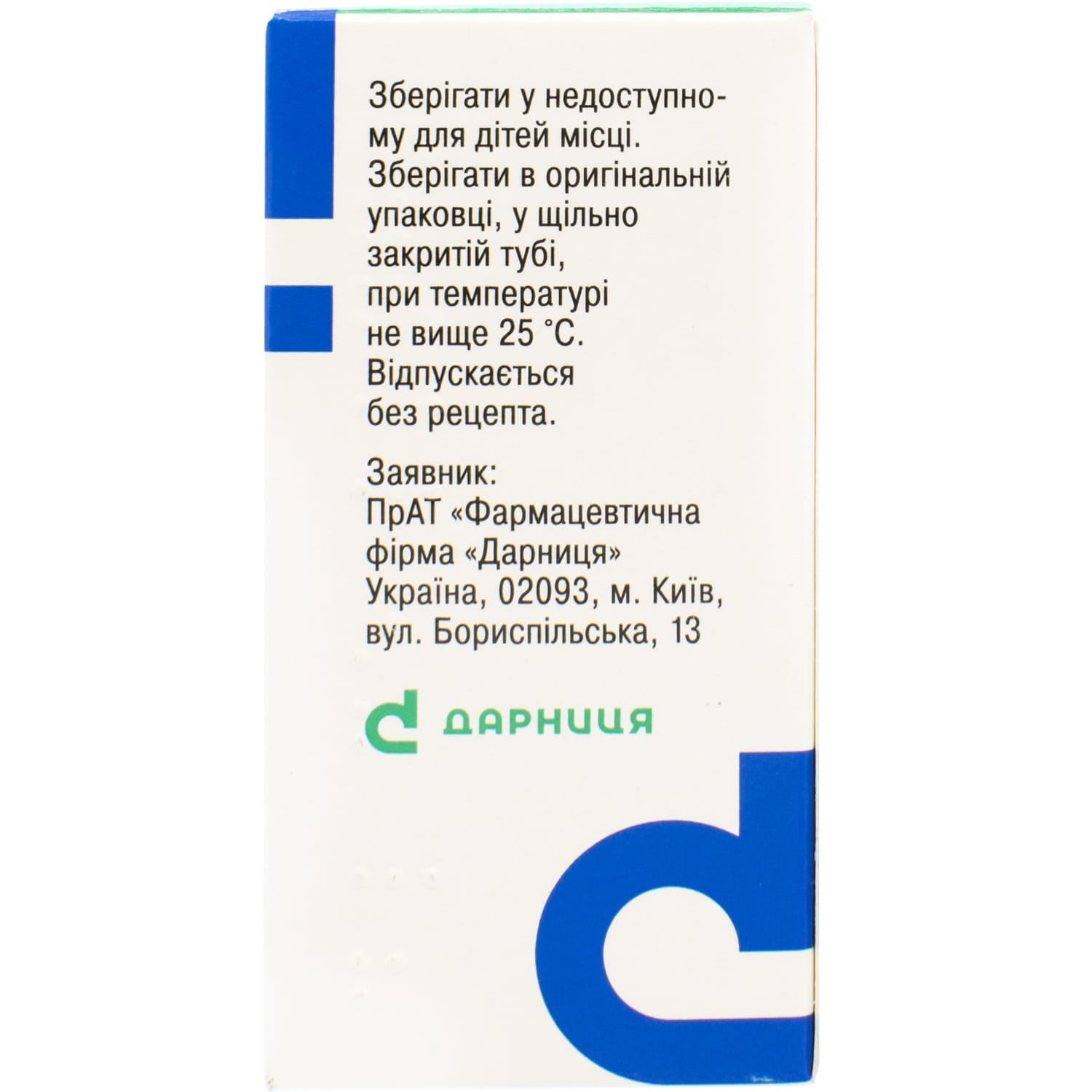
Store in the original packaging, in a tightly closed tube, at a temperature not exceeding 25 ° C. Keep out of the reach of children.
Shelf life – 3 years.
Be the first to review “Dvatse Long effervescent tablets 600 mg tube 10 pcs.” Cancel reply
You may also like

Reviews
There are no reviews yet.