


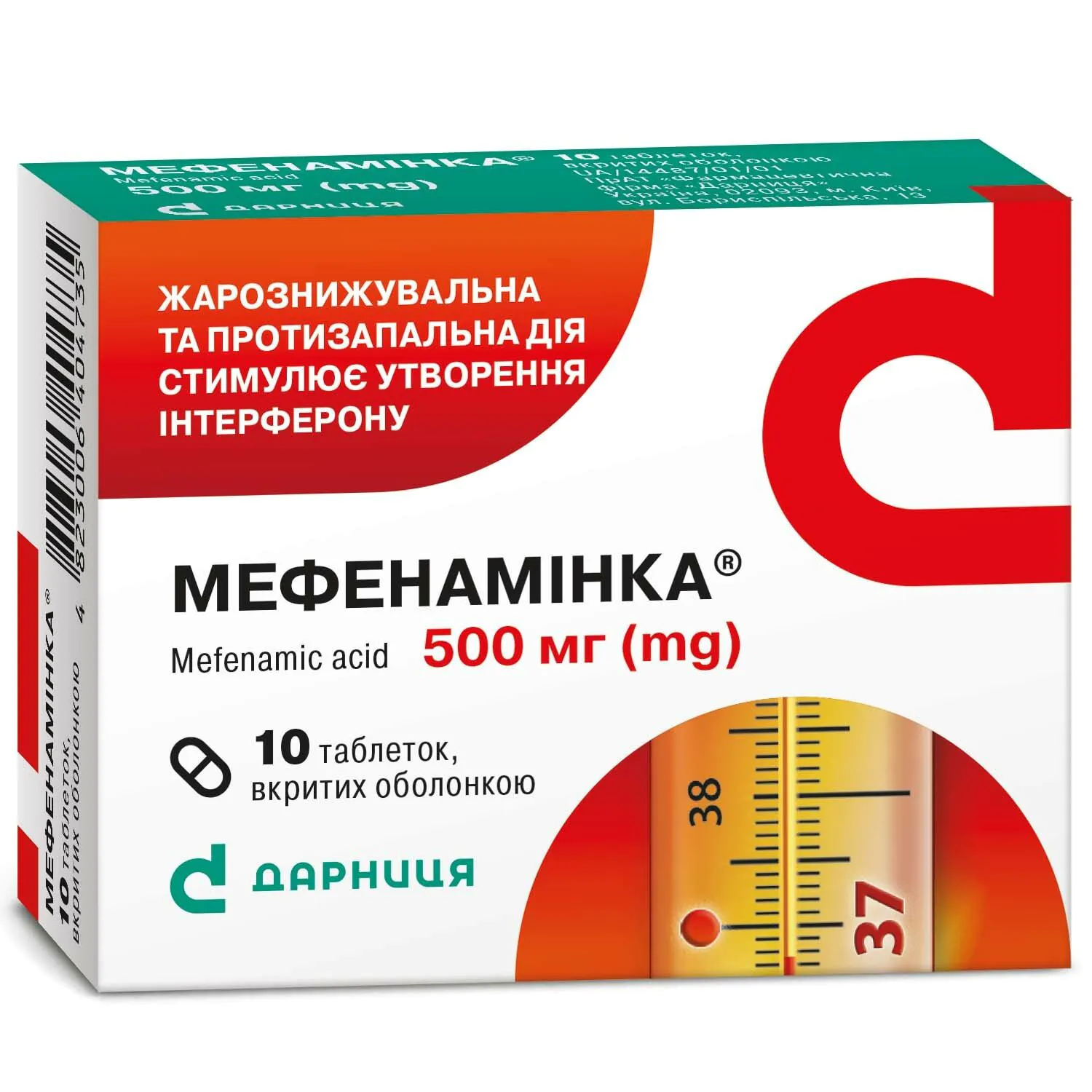
Mefenamic Acid tablets help relieve pain, fever, and inflammation associated with flu, colds, arthritis, menstrual pain, headaches, and injuries.

We deliver to:
🇦🇺 Australia
🇧🇪 Belgium
🇨🇦 Canada
🇨🇿 Czechia
🇩🇰 Denmark
🇪🇪 Estonia
🇫🇮 Finland
🇬🇷 Greece
🇭🇺 Hungary
🇮🇪 Ireland
🇮🇱 Israel
🇮🇹 Italy
🇯🇵 Japan
🇰🇼 Kuwait
🇱🇻 Latvia
🇱🇹 Lithuania
🇲🇽 Mexico
🇲🇩 Moldova
🇳🇱 Netherlands
🇳🇴 Norway
🇵🇱 Poland
🇷🇴 Romania
🇸🇰 Slovakia
🇰🇷 South Korea
🇨🇭 Switzerland
🇬🇧 United Kingdom
🇺🇸 United States of America
and more
We deliver to:
🇦🇺 Australia
🇧🇪 Belgium
🇨🇦 Canada
🇨🇿 Czechia
🇩🇰 Denmark
🇪🇪 Estonia
🇫🇮 Finland
🇬🇷 Greece
🇭🇺 Hungary
🇮🇪 Ireland
🇮🇱 Israel
🇮🇹 Italy
🇯🇵 Japan
🇰🇼 Kuwait
🇱🇻 Latvia
🇱🇹 Lithuania
🇲🇽 Mexico
🇲🇩 Moldova
🇳🇱 Netherlands
🇳🇴 Norway
🇵🇱 Poland
🇷🇴 Romania
🇸🇰 Slovakia
🇰🇷 South Korea
🇨🇭 Switzerland
🇬🇧 United Kingdom
🇺🇸 United States of America
and more
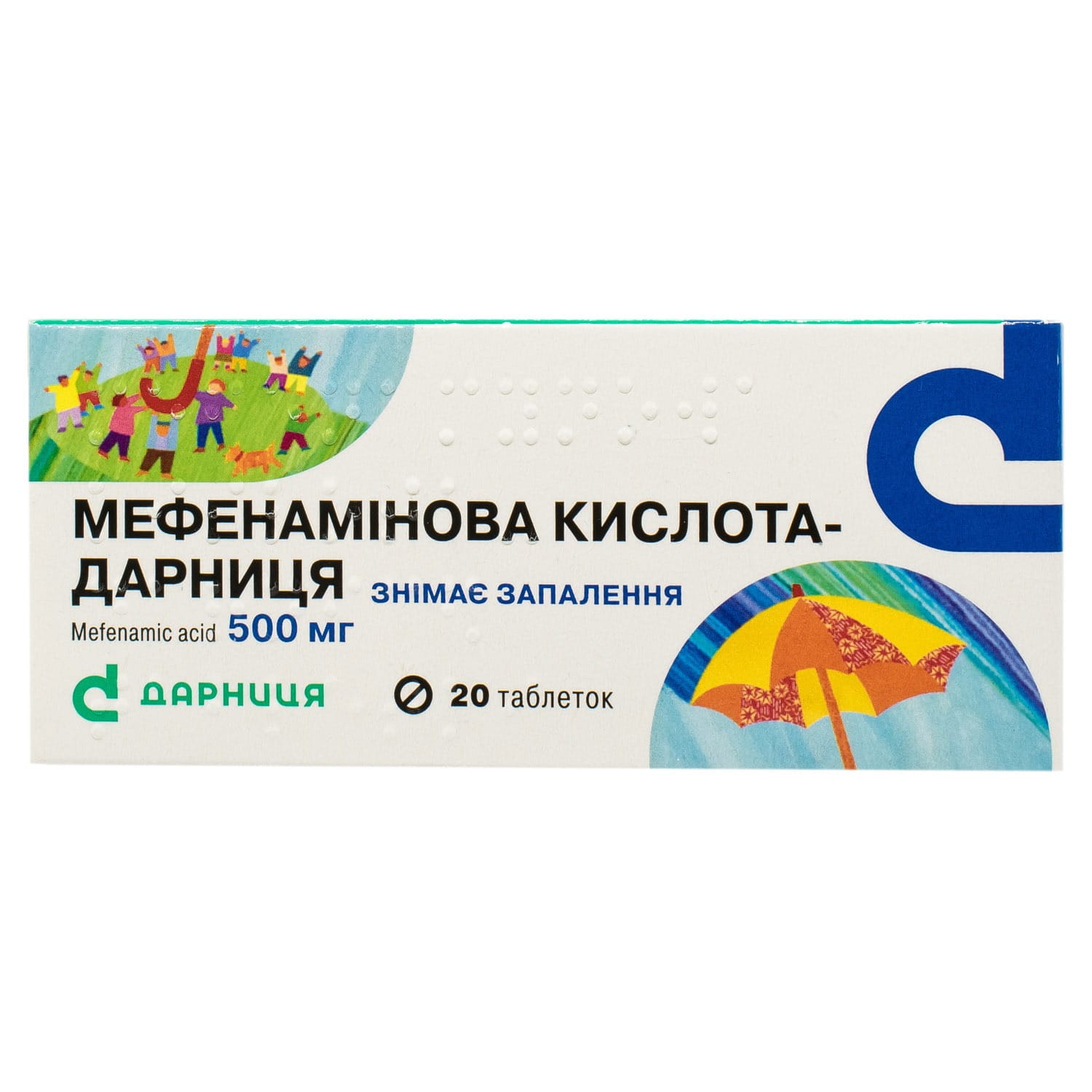
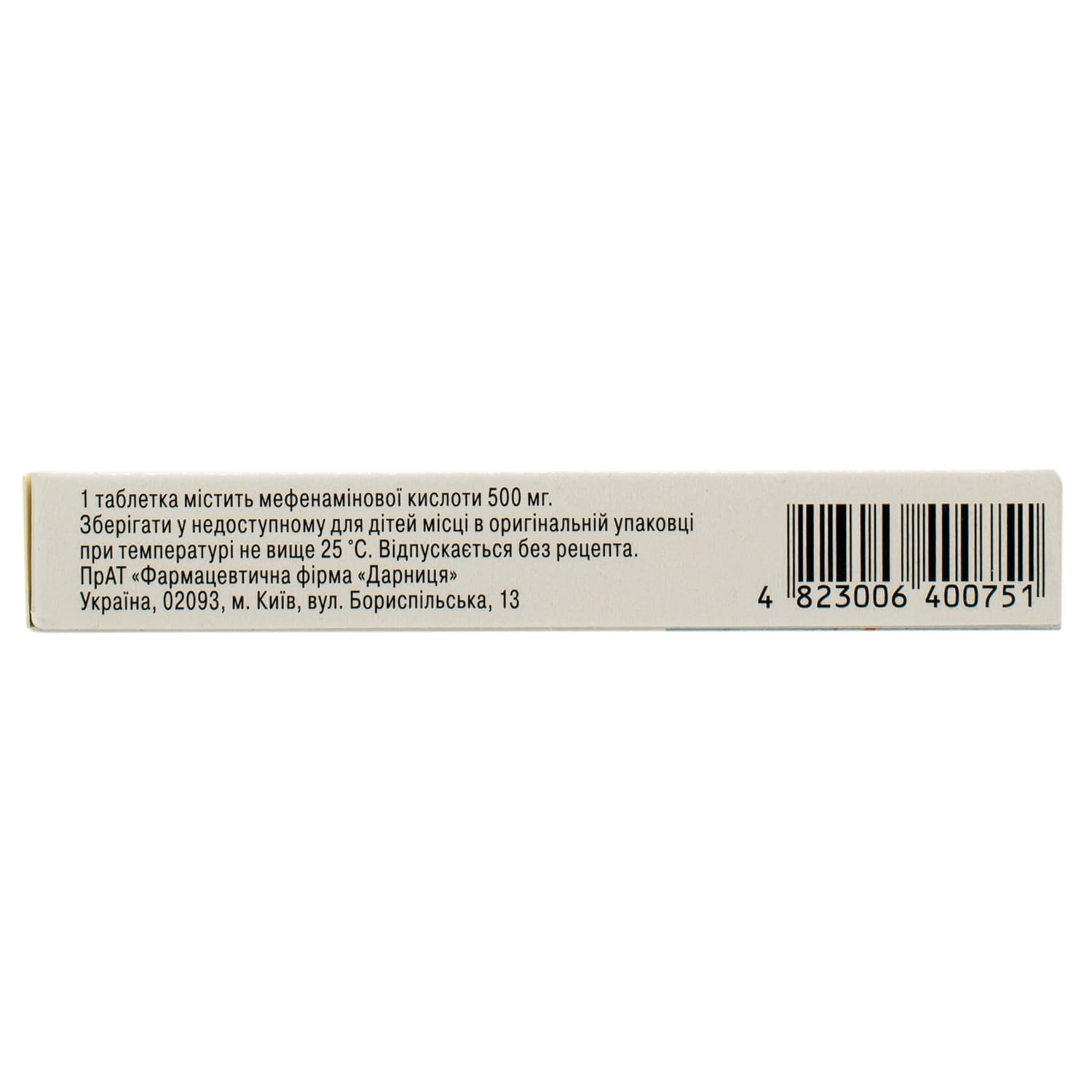
Please note: The product packaging may vary from the images shown. The contents, ingredients, and quality of the product remain unchanged.
Mefenamic acid Darnytsia tablets 500 mg 20 pcs.
$15.26
Free Worldwide Shipping
to: Australia, Belgium, Canada, Czechia, Denmark, Estonia, Finland, Greece, Hungary, Ireland, Israel, Italy, Japan, Kuwait, Latvia, Lithuania, Mexico, Moldova, Netherlands, Norway, Poland, Romania, Slovakia, South Korea, Switzerland, United Kingdom, United States and more
🏖️ Hello! We are on vacation!
We are still accepting orders on our website; however, order processing and shipping will resume after September 10. If you place an order during our vacation, we will contact you and remind you about the temporary shipping delay. Starting September 10, all orders received during this period will be processed and shipped in the order they were placed. If your order contains a product with less than one year remaining before its expiration date, we will notify you after September 10 and proceed according to your instructions. If you decide to cancel an order placed during our vacation, simply contact us through the contact form on our website, and we will be happy to assist you. Thank you for your understanding, and we apologize for any inconvenience caused.
In stock
Categories: Cold and flu
Brand: Darnytsia
Payment
PayPal, Debit or Credit card, Google Pay, Apple Pay
Pharmacological properties
Pharmacological properties. Mefenamic acid – NSAID. The mechanism of anti-inflammatory action is due to the ability to inhibit the synthesis of inflammatory mediators (prostaglandins, serotonin, kinins, etc.), reduce the activity of lysosomal enzymes involved in the inflammatory reaction. Mefenamic acid stabilizes protein ultrastructures and cell membranes, reduces vascular permeability, disrupts oxidative phosphorylation processes, inhibits the synthesis of mucopolysaccharides, inhibits cell proliferation in the focus of inflammation, increases cell resistance and stimulates wound healing. The antipyretic property is associated with the ability to inhibit the synthesis of prostaglandins and affect the thermoregulation center.
Mefenamic acid stimulates the formation of interferon.
In the mechanism of analgesic action, along with the effect on the central mechanisms of pain sensitivity, a significant role is played by the local effect on the focus of inflammation and the ability to inhibit the formation of algogens (kinins, histamine, serotonin).
After oral administration, mefenamic acid is rapidly and fairly completely absorbed in the digestive tract. C max in blood plasma is noted 2-4 hours after administration, the level in the blood is proportional to the dose taken. The equilibrium concentration (20 μg/ml) is determined on the 2nd day of use (1 g 4 times a day). It is 90% bound to blood albumin. In the liver, it forms metabolites by oxidation, hydrolysis, glucuronidation. T ½ is 2-4 hours. It is excreted from the body in unchanged form and in the form of metabolites mainly with urine (67% of the dose) and feces (20-25%).
Indication
SARS and flu.
Low and medium intensity pain: muscular, joint, traumatic, dental, headache of various etiologies, postoperative and postpartum pain.
Primary dysmenorrhea. Dysfunctional menorrhagia, including that caused by the use of intrauterine contraceptives – in the absence of pathology of the pelvic organs.
Inflammatory diseases of the musculoskeletal system: rheumatoid arthritis, rheumatism, Bechterew’s disease.
Application
It is used orally. Adults and children over 12 years of age are prescribed 250-500 mg 3-4 times a day. According to indications and with good tolerability of the drug, the daily dose is increased to the maximum – 3000 mg, after achieving a therapeutic effect, the dose is reduced to 1000 mg/day.
Children aged 5-12 years – 250 mg 3-4 times a day.
The drug should be taken after meals, washed down with milk. The course of treatment for joint diseases can last from 20 days to 2 months or more. In the treatment of pain syndrome, the course of treatment is up to 7 days.
Contraindication
Hypersensitivity to the components of the drug; gastric and duodenal ulcers; chronic inflammatory diseases of the gastrointestinal tract; diseases of the kidneys and hematopoietic organs; pregnancy and breastfeeding; age up to 5 years.
Side effects
Gastrointestinal: epigastric pain, anorexia, heartburn, nausea, flatulence, vomiting, gastrointestinal bleeding, dyspepsia, constipation, diarrhea, increased levels of liver enzymes in blood plasma.
From the cardiovascular system: arterial hypertension, arrhythmia, in rare cases – congestive heart failure, peripheral edema, syncope.
From the respiratory system: dyspnea, bronchospasm.
From the urinary system: dysuria, cystitis, renal dysfunction, albuminuria, hematuria, oliguria or polyuria.
From the blood system: anemia, prolonged bleeding time, eosinophilia, leukopenia, thrombocytopenia.
From the side of the central nervous system: drowsiness or insomnia, weakness, irritability.
From the sensory organs: tinnitus, visual impairment.
Skin: allergic reactions; skin rashes, itching, facial swelling.
Special instructions
The drug is prescribed with caution to patients who have a history of allergic reactions to acetylsalicylic acid and other nonsteroidal anti-inflammatory drugs.
The drug is prescribed with caution to patients with acute heart failure, as well as with a history of gastric or duodenal ulcer.
Use during pregnancy or breastfeeding. The drug is contraindicated during pregnancy due to the high probability of premature closure of the botall duct. If necessary, use of the drug during lactation, breastfeeding should be discontinued.
Ability to influence the speed of reactions when driving vehicles or working with other mechanisms. The drug may affect the speed of reactions when driving vehicles or working with mechanisms that require increased attention.
Children. The drug is contraindicated in children under 5 years of age.
Interactions
Opioid analgesics, antithrombotic agents, vitamin D antagonists, pyridoxine, thiamine, phenothiazine derivatives enhance the effect of mefenamic acid. With simultaneous use of mefenamic acid and methotrexate, the toxic effects of the latter are enhanced. With simultaneous use with warfarin, the risk of gastrointestinal bleeding increases.
When mefenamic acid is used simultaneously with antacids, the Cmax of mefenamic acid in blood plasma increases and the AUC increases.
Concomitant use with other nonsteroidal anti-inflammatory drugs increases the likelihood of gastrointestinal side effects.
Overdose
Symptoms: epigastric pain, nausea, vomiting, drowsiness. In severe cases – gastrointestinal bleeding, respiratory depression, angina, twitching of individual muscle groups, coma.
Treatment. There is no specific antidote. Gastric lavage with a suspension of activated charcoal. Alkalization of urine, forced diuresis. Symptomatic therapy. Hemosorption and hemodialysis are ineffective due to the strong binding of mefenamic acid to blood proteins.
Storage conditions
At a temperature not exceeding 25 °C.
Be the first to review “Mefenamic acid Darnytsia tablets 500 mg 20 pcs.” Cancel reply
You may also like

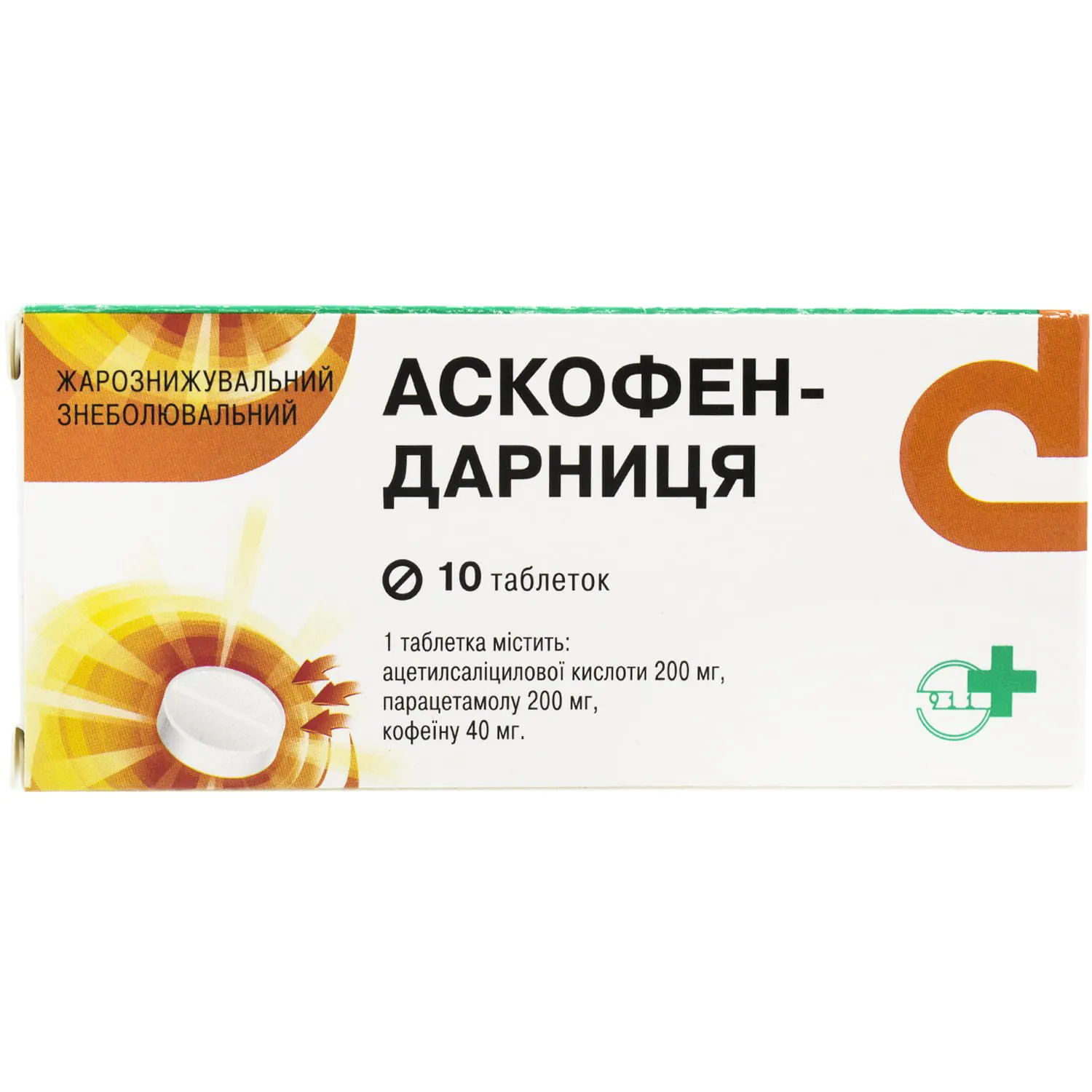
Ascophen Darnytsia tablets in a pack of 10 pcs
Reviews
There are no reviews yet.