


Rinazal 0.1% nasal drops provide fast relief from nasal congestion caused by colds, allergies, sinusitis, and hay fever, lasting up to 12 hours.

We deliver to:
🇦🇺 Australia
🇧🇪 Belgium
🇨🇦 Canada
🇨🇿 Czechia
🇩🇰 Denmark
🇪🇪 Estonia
🇫🇮 Finland
🇬🇷 Greece
🇭🇺 Hungary
🇮🇪 Ireland
🇮🇱 Israel
🇮🇹 Italy
🇯🇵 Japan
🇰🇼 Kuwait
🇱🇻 Latvia
🇱🇹 Lithuania
🇲🇽 Mexico
🇲🇩 Moldova
🇳🇱 Netherlands
🇳🇴 Norway
🇵🇱 Poland
🇷🇴 Romania
🇸🇰 Slovakia
🇰🇷 South Korea
🇨🇭 Switzerland
🇬🇧 United Kingdom
🇺🇸 United States of America
and more
We deliver to:
🇦🇺 Australia
🇧🇪 Belgium
🇨🇦 Canada
🇨🇿 Czechia
🇩🇰 Denmark
🇪🇪 Estonia
🇫🇮 Finland
🇬🇷 Greece
🇭🇺 Hungary
🇮🇪 Ireland
🇮🇱 Israel
🇮🇹 Italy
🇯🇵 Japan
🇰🇼 Kuwait
🇱🇻 Latvia
🇱🇹 Lithuania
🇲🇽 Mexico
🇲🇩 Moldova
🇳🇱 Netherlands
🇳🇴 Norway
🇵🇱 Poland
🇷🇴 Romania
🇸🇰 Slovakia
🇰🇷 South Korea
🇨🇭 Switzerland
🇬🇧 United Kingdom
🇺🇸 United States of America
and more
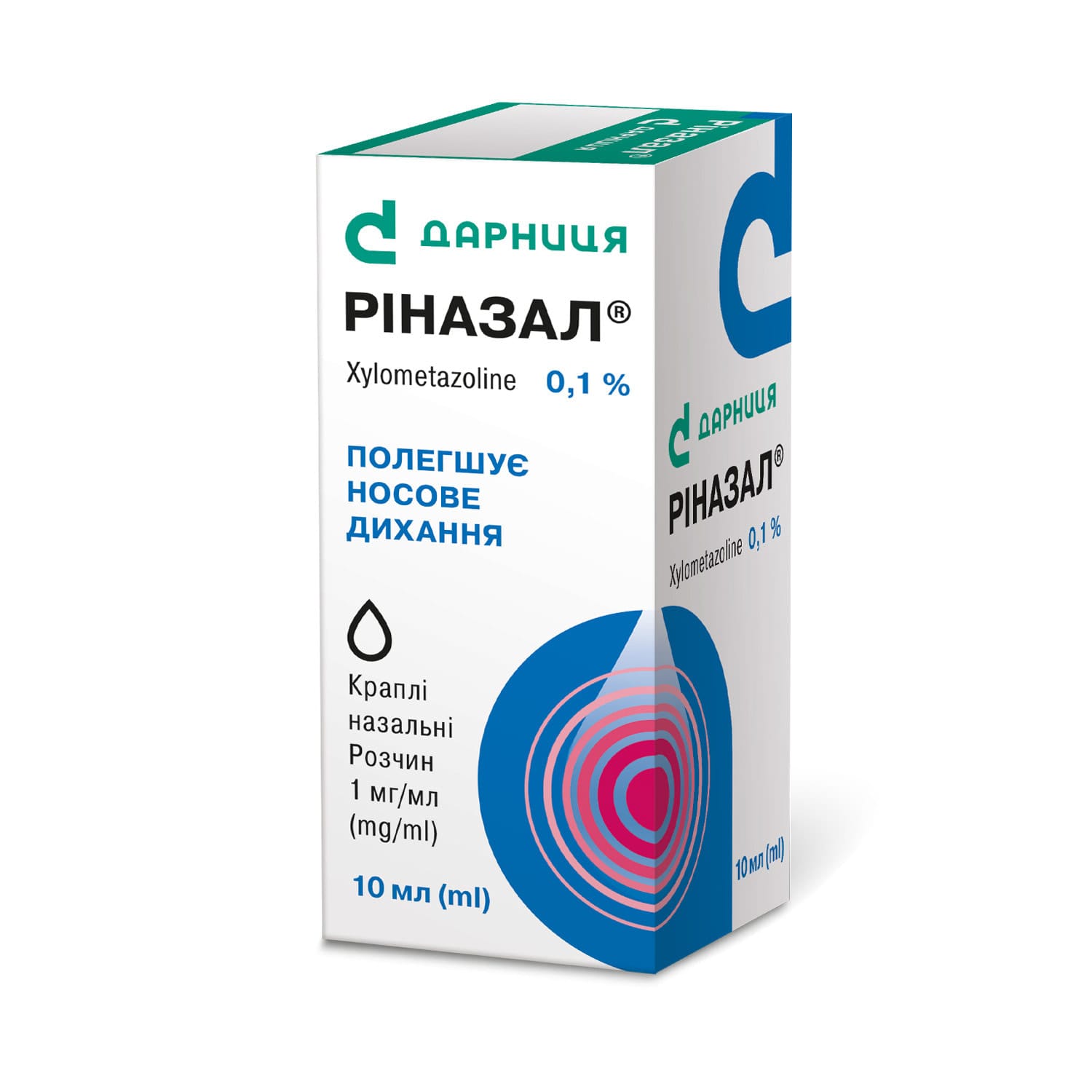
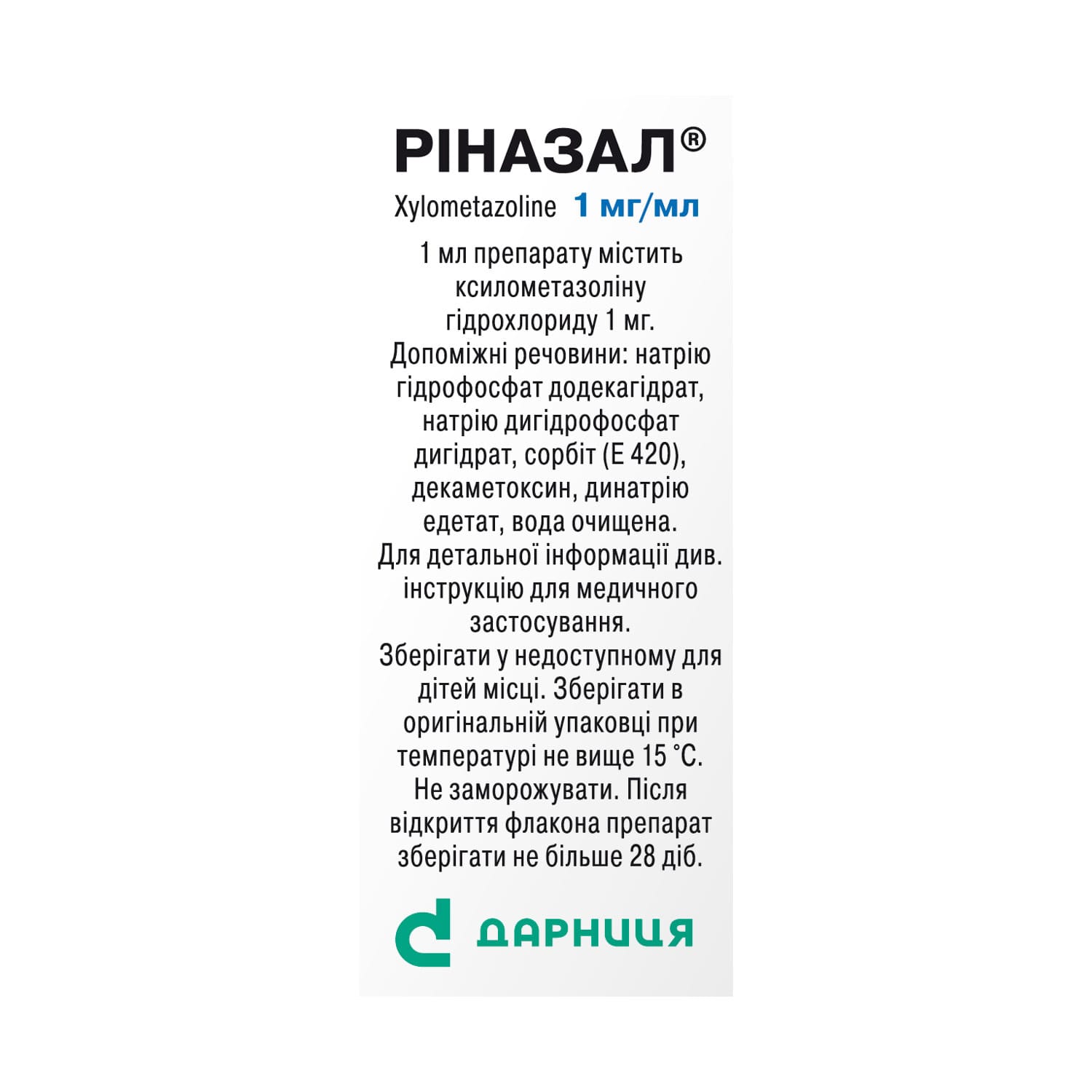
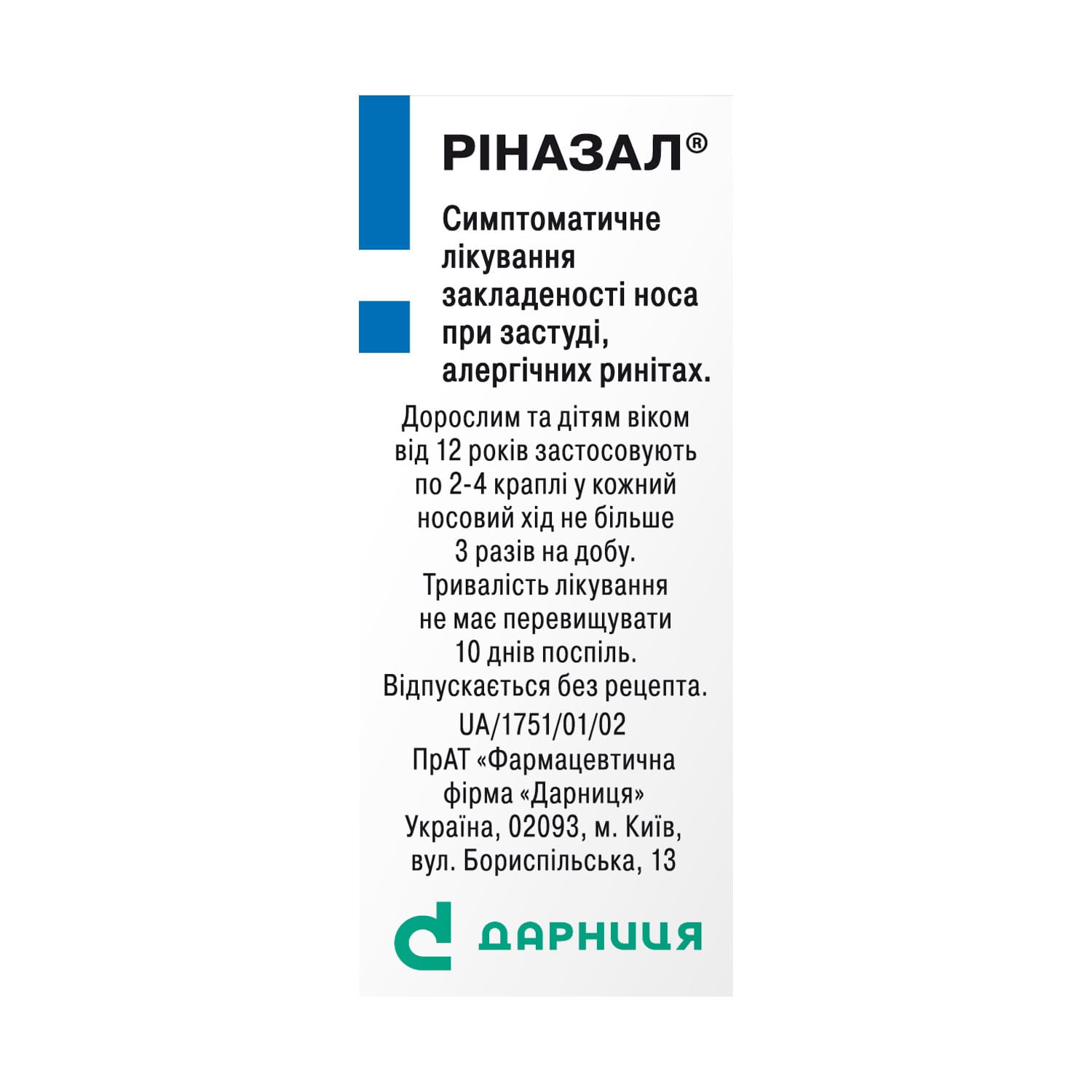
Please note: The product packaging may vary from the images shown. The contents, ingredients, and quality of the product remain unchanged.
Rinazal nasal drops solution 1 mg/ml bottle 10 ml
$13.08
Free Worldwide Shipping
to: Australia, Belgium, Canada, Czechia, Denmark, Estonia, Finland, Greece, Hungary, Ireland, Israel, Italy, Japan, Kuwait, Latvia, Lithuania, Mexico, Moldova, Netherlands, Norway, Poland, Romania, Slovakia, South Korea, Switzerland, United Kingdom, United States and more
🏖️ Hello! We are on vacation!
We are still accepting orders on our website; however, order processing and shipping will resume after September 10. If you place an order during our vacation, we will contact you and remind you about the temporary shipping delay. Starting September 10, all orders received during this period will be processed and shipped in the order they were placed. If your order contains a product with less than one year remaining before its expiration date, we will notify you after September 10 and proceed according to your instructions. If you decide to cancel an order placed during our vacation, simply contact us through the contact form on our website, and we will be happy to assist you. Thank you for your understanding, and we apologize for any inconvenience caused.
In stock
Categories: Cold and flu
Brand: Darnytsia
Payment
PayPal, Debit or Credit card, Google Pay, Apple Pay
Pharmacological properties
Pharmacodynamics. Xylometazoline is an α-adrenomimetic, constricts peripheral vessels. When applied to the nasal mucosa, xylometazoline reduces swelling, reduces hyperemia, exudation, and facilitates nasal breathing.
Pharmacokinetics. The action begins a few minutes after application and lasts up to 12 hours. Long-term use of xylometazoline (more than 1 week of continuous use) can lead to the development of tachyphylaxis with a decrease in the therapeutic effect. In therapeutic concentrations, xylometazoline does not have a systemic effect.
Indication
The drug is prescribed for the symptomatic treatment of nasal congestion in colds, hay fever, allergic rhinitis, sinusitis; to facilitate the outflow of secretions in diseases of the paranasal sinuses; as an adjunctive therapy for otitis media (to reduce swelling of the nasal mucosa); to facilitate rhinoscopy.
Application
The bottle is protected by a tamper-evident seal. When using for the first time, you must twist the cap, separating it from the protective ring.
The bottle has a special configuration, thanks to which, when pressed on the bottom, the solution is dosed according to the principle of “one press – one drop”. The hardness of the bottle walls significantly reduces the possibility of a jet release of the drug – the most common cause of an overdose of nasal drops.
Before administering the drug, the nasal cavity should be thoroughly cleaned.
Rinazal nasal drops 0.05% are used in children aged 1 to 11 years.
Rinazal nasal drops 0.1% are used in adults and children over 12 years of age.
Nasal drops 0.05%:
use in children aged 1 to 5 years (under adult supervision) 1-2 drops in each nostril 1-2 times a day, but no more than 3 times a day in each nostril;
Use in children aged 6 to 11 years (under adult supervision) 2-4 drops in each nostril 2-3 times a day.
Apply no more than 3 times a day in each nostril.
The duration of treatment depends on the course of the disease and should not exceed 7 consecutive days.
Nasal drops 0.1%:
Use in adults and children over 12 years of age 2-4 drops in each nostril 3 times a day.
Apply no more than 3 times a day in each nostril.
The duration of treatment depends on the course of the disease and should not exceed 10 consecutive days.
Contraindication
The drug is contraindicated in case of hypersensitivity to any of the components of the drug, dry inflammation of the nasal mucosa, atrophic rhinitis, acute coronary diseases, coronary asthma, hyperthyroidism, angle-closure glaucoma, transsphenoidal hypophysectomy or a history of transnasal/transoral surgical interventions with exposure of the dura mater, with simultaneous treatment with MAO inhibitors and within 2 weeks after discontinuation of their use.
Side effects
Reactions at the injection site: itching, burning sensation, dryness of the nasopharyngeal mucosa, sneezing, reactive hyperemia, hypersecretion and increased swelling of the nasal mucosa after the drug’s effect has decreased, development of secondary rhinitis, nosebleeds.
In some cases, with local intranasal application, a systemic sympathomimetic effect is noted.
Immune system, skin and subcutaneous tissue disorders: hypersensitivity reactions, including angioedema, rash, itching, sometimes systemic allergic reactions.
From the nervous system: headache, convulsions, anxiety, increased fatigue (drowsiness, lethargy), hallucinations, dizziness, insomnia; with prolonged use in high doses – depression.
On the part of the organ of vision: transient visual impairment.
Cardiac: arrhythmia, tachycardia, increased blood pressure.
Gastrointestinal: nausea, vomiting.
Special instructions
The bottle is intended for individual use.
The drug should not be used for a long time and the recommended dose should not be exceeded (especially in children and elderly patients), as this may lead to rhinitis provoked by the drug, dry rhinitis and a decrease in the effectiveness of the drug.
The drug should be prescribed with caution to patients who experience severe reactions to adrenergic drugs (insomnia, dizziness, tremor, cardiac arrhythmias, increased blood pressure), and to patients with cardiovascular diseases, diabetes mellitus, thyroid diseases, porphyria, difficulty urinating, prostatic hypertrophy and existing pheochromocytoma due to the possible sympathomimetic effect.
Due to the vasoconstrictor effect of the drug, an increase in intraocular pressure is possible.
Do not use for longer than 7-10 days. Long-term treatment with the drug may cause the opposite effect.
Use during pregnancy and breastfeeding. Since the drug has a vasoconstrictor effect, its use during pregnancy and breastfeeding is not recommended.
Fertility: There are no adequate data on the effect of the drug on fertility. Since systemic exposure to the hydrochloride is very low, the likelihood of an effect on fertility is extremely low.
Children. Xylometazoline nasal drops 0.05% are not used in children under 1 year of age.
Xylometazoline nasal drops 0.1% are not used in children under 12 years of age.
In children, the drug should be used under adult supervision.
Ability to influence the reaction rate when driving vehicles or working with other mechanisms. Usually the drug has no or minimal effect on the ability to drive vehicles or work with other mechanisms (the possibility of dizziness, seizures, visual impairment should be taken into account).
Interactions
MAO inhibitors: xylometazoline should not be used in combination with MAO inhibitors and within 14 days after their discontinuation, as an increase in the risk of seizures is possible.
Local anesthetics: xylometazoline slows the absorption of local anesthetics.
Antidepressants: xylometazoline enhances the effect of antidepressants.
Antihypertensives: Xylometazoline may interfere with the action of some antihypertensives, such as β-adrenergic blockers.
The drug may enhance the effect of sympathomimetics and reduce the effect of drugs that suppress the function of the sympathetic division of the autonomic nervous system.
Overdose
The special configuration of the bottle makes accidental overdose of the drug unlikely. Overdose is possible only if the single doses and frequency of use specified in the instructions are not observed.
Overdose, especially in children, may manifest as significant CNS effects, including convulsions, coma, bradycardia, apnea, and elevation of blood pressure, which eventually resolves.
When more than 0.2 mg/kg of the drug is administered, symptoms such as increased fatigue, rapid heartbeat and increased blood pressure may occur. In very rare cases, with severe overdose, especially in children (for example, if high doses of the drug are accidentally swallowed), stages of stimulation and depression of the CNS and cardiovascular system may alternate. Symptoms of CNS stimulation may include anxiety, agitation, hallucinations and in severe cases – convulsions. Symptoms of CNS depression may include a decrease in body temperature, lethargy, drowsiness and in more severe cases – coma.
It is also possible to develop symptoms such as constriction or dilation of the pupils, hyperhidrosis, pallor of the skin, cyanosis, nausea, tachycardia, bradycardia, arrhythmia, asystole, decreased blood pressure, circulatory disorders, pulmonary edema, respiratory disorders and apnea.
Treatment of severe overdose (1 mg/kg, which for children weighing 20 kg corresponds to the contents of 4 vials of the drug) should preferably be started within 1 hour after administration. For the treatment of seizures, use anticonvulsants such as benzodiazepam, for lowering blood pressure – non-selective α-blockers (e.g. doxazosin, terazosin). The use of vasoconstrictors is contraindicated. Atropine should be used only in case of clinically pronounced bradycardia, accompanied by a decrease in blood pressure.
Storage conditions
In the original packaging at a temperature not exceeding 15 °C. Do not freeze. After opening the bottle, store the drug for no more than 28 days.
Be the first to review “Rinazal nasal drops solution 1 mg/ml bottle 10 ml” Cancel reply
You may also like

Reviews
There are no reviews yet.