


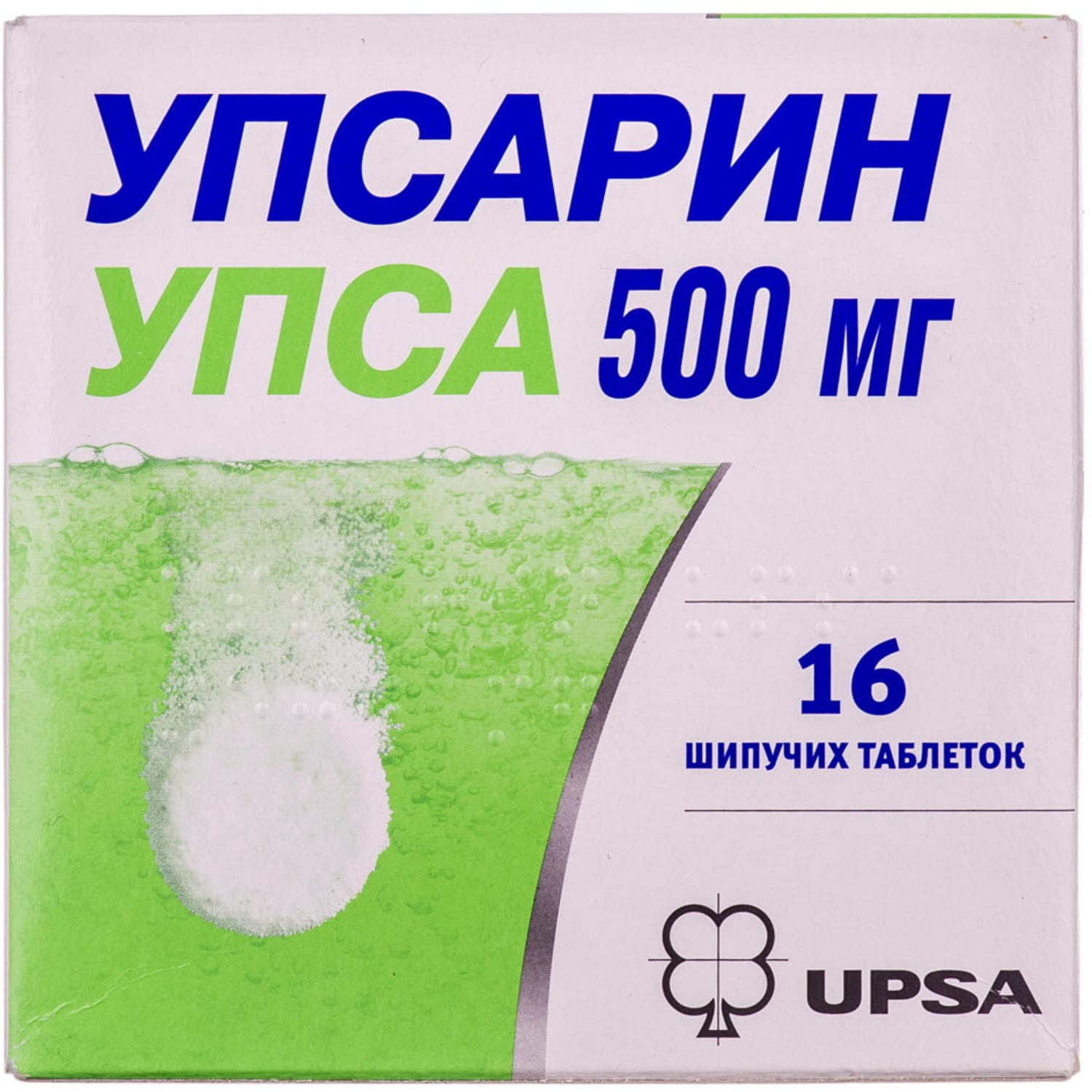
Upsarin UPSA 500 mg effervescent tablets help relieve pain, fever and inflammation associated with colds, flu, headaches, migraines and toothaches fastest.

We deliver to:
🇦🇺 Australia
🇧🇪 Belgium
🇨🇦 Canada
🇨🇿 Czechia
🇩🇰 Denmark
🇪🇪 Estonia
🇫🇮 Finland
🇬🇷 Greece
🇭🇺 Hungary
🇮🇪 Ireland
🇮🇱 Israel
🇮🇹 Italy
🇯🇵 Japan
🇰🇼 Kuwait
🇱🇻 Latvia
🇱🇹 Lithuania
🇲🇽 Mexico
🇲🇩 Moldova
🇳🇱 Netherlands
🇳🇴 Norway
🇵🇱 Poland
🇷🇴 Romania
🇸🇰 Slovakia
🇰🇷 South Korea
🇨🇭 Switzerland
🇬🇧 United Kingdom
🇺🇸 United States of America
and more
We deliver to:
🇦🇺 Australia
🇧🇪 Belgium
🇨🇦 Canada
🇨🇿 Czechia
🇩🇰 Denmark
🇪🇪 Estonia
🇫🇮 Finland
🇬🇷 Greece
🇭🇺 Hungary
🇮🇪 Ireland
🇮🇱 Israel
🇮🇹 Italy
🇯🇵 Japan
🇰🇼 Kuwait
🇱🇻 Latvia
🇱🇹 Lithuania
🇲🇽 Mexico
🇲🇩 Moldova
🇳🇱 Netherlands
🇳🇴 Norway
🇵🇱 Poland
🇷🇴 Romania
🇸🇰 Slovakia
🇰🇷 South Korea
🇨🇭 Switzerland
🇬🇧 United Kingdom
🇺🇸 United States of America
and more
Please note: The product packaging may vary from the images shown. The contents, ingredients, and quality of the product remain unchanged.
Upsarin UPSA effervescent tablets 500 mg 16 pcs
$19.63
Free Worldwide Shipping
to: Australia, Belgium, Canada, Czechia, Denmark, Estonia, Finland, Greece, Hungary, Ireland, Israel, Italy, Japan, Kuwait, Latvia, Lithuania, Mexico, Moldova, Netherlands, Norway, Poland, Romania, Slovakia, South Korea, Switzerland, United Kingdom, United States and more
🏖️ Hello! We are on vacation!
We are still accepting orders on our website; however, order processing and shipping will resume after September 10. If you place an order during our vacation, we will contact you and remind you about the temporary shipping delay. Starting September 10, all orders received during this period will be processed and shipped in the order they were placed. If your order contains a product with less than one year remaining before its expiration date, we will notify you after September 10 and proceed according to your instructions. If you decide to cancel an order placed during our vacation, simply contact us through the contact form on our website, and we will be happy to assist you. Thank you for your understanding, and we apologize for any inconvenience caused.
In stock
Categories: Cold and flu
Brand: UPSA
Payment
PayPal, Debit or Credit card, Google Pay, Apple Pay
Composition
Active ingredient: acetylsalicylic acid;
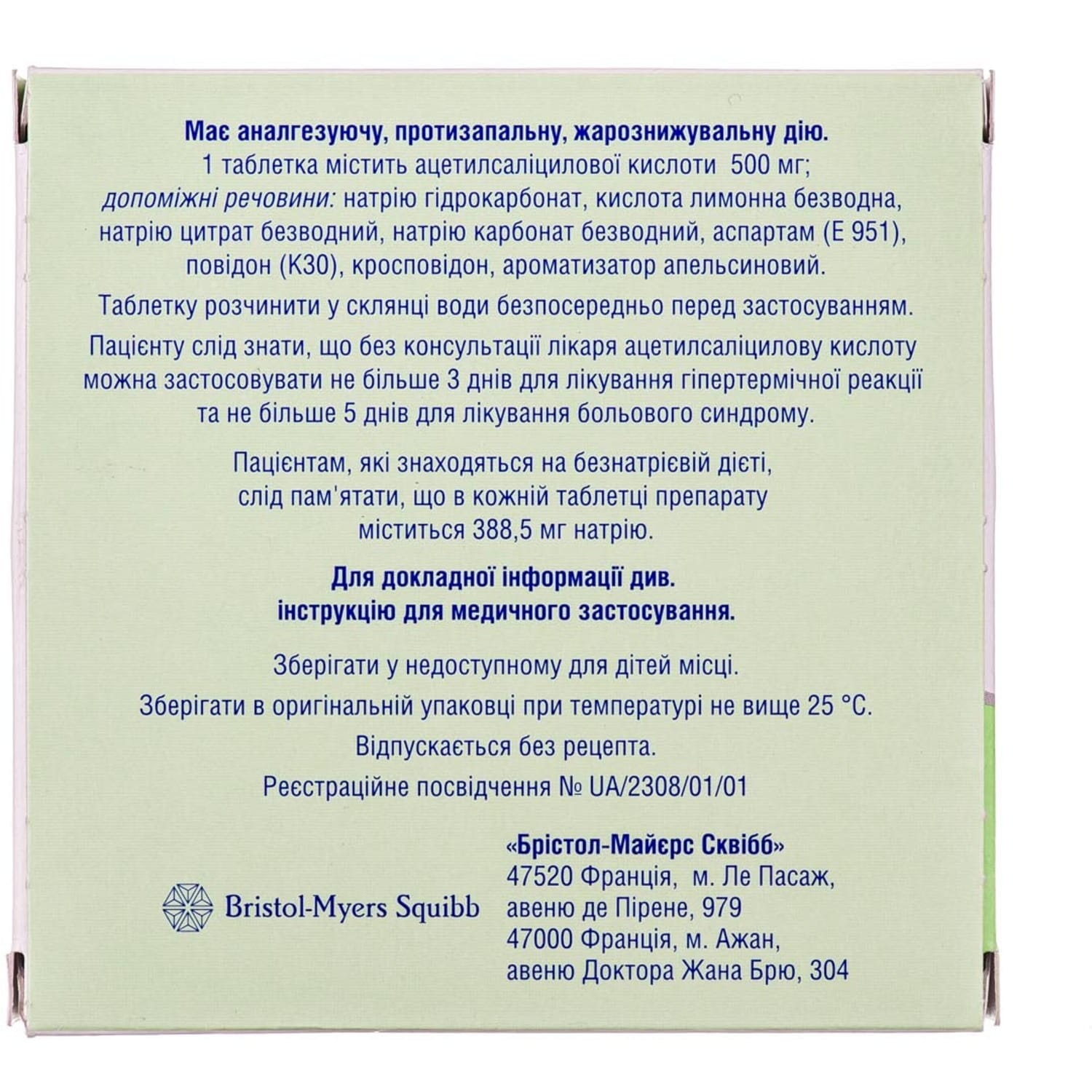
1 tablet contains acetylsalicylic acid 500 mg;
Excipients: sodium bicarbonate, citric acid, anhydrous sodium citrate, anhydrous sodium carbonate, aspartame (E 951), povidone (K30), crospovidone, orange flavoring.
Dosage form
Effervescent pills.
Main physicochemical properties: flat white tablets with beveled edges, with a notch, soluble in water with the formation of an effervescent reaction.
Pharmacotherapeutic group
Analgesics and antipyretics. Code ATX N02B A01.
Pharmacological properties
It has analgesic, anti-inflammatory, antipyretic effects. Acetylsalicylic acid, due to irreversible inhibition of the cyclooxygenase enzyme (COX), inhibits the biosynthesis of prostaglandins. In the focus of inflammation, it reduces capillary permeability, reduces the activity of hyaluronidase, limits the energy supply of the inflammatory process by inhibiting the formation of ATP. Reduces the excitation of thermoregulation and pain centers. In addition, acetylsalicylic acid inhibits platelet aggregation by blocking the synthesis of thromboxane A2 by platelets.
Soluble effervescent tablets Upsarin UPSA are absorbed faster than conventional tableted or encapsulated preparations of acetylsalicylic acid. The maximum concentration of acetylsalicylic acid in the blood plasma is reached 20 minutes after administration, the half-life is from 15 to 30 minutes. In the body, acetylsalicylic acid is hydrolyzed to form salicylic acid, most of which binds to blood plasma proteins. The excretion of the drug in the urine increases with increasing urine pH. The half-life of salicylic acid is from 3 to 9 hours and increases with increasing dose.
Indication
Symptomatic treatment of infectious and inflammatory diseases accompanied by pain and/or fever, including influenza and other acute respiratory viral infections; rheumatic diseases; neuralgia, migraine, headache, toothache.
Application
The tablet is dissolved in a glass of water immediately before use.
Upsarin UPSA with vitamin C is prescribed to adults and children over 4 years of age for infectious and inflammatory diseases. Adults – 1-3 tablets 3-4 times a day, children aged 4-10 years – 1 / 2-1 tablet 4 times a day, 10-15 years – 1 tablet 4 times a day.
Upsarin UPSA 500 mg is prescribed to adults, mainly for pain syndrome, 1/2-1 tablet 3-4 times a day.
Contraindication
Absolute – gastric and duodenal ulcer in the acute phase; hypersensitivity to salicylic acid preparations and other non-steroidal anti-inflammatory drugs (bronchospasm, anaphylactic reaction); diseases accompanied by hemorrhages (congenital or acquired); simultaneous administration of high doses of indirect anticoagulants or methotrexate; age up to 4 years (due to the high content of acetylsalicylic acid in the preparation). Relative – administration of low doses of indirect anticoagulants; urolithiasis (for doses of vitamin above 1 g/day).
Side effects
Possible tinnitus, headache, decreased hearing (when taking high doses of the drug), abdominal pain, ulcerogenicity, gastrointestinal bleeding with clinical manifestations (bloody vomiting, loose stools) or hidden bleeding leading to the development of iron deficiency anemia, hemorrhagic syndrome (nosebleeds, bleeding from the gums, hemorrhagic purpura) with an increase in bleeding time. These side effects persist for 4-8 days after drug withdrawal. The drug increases the risk of bleeding after surgery. Possible allergic reactions – Quincke’s edema, urticaria, anaphylaxis. Upsarin Upsa can lead to an increase in the duration of contractions and delayed labor. Taking high doses of vitamin C (more than 1 g) in some individuals can lead to the development of urolithiasis (formation of oxalate and urate stones), as well as the development of hemolysis in patients with glucose-6-phosphate dehydrogenase deficiency.
Blood disorders: Due to its antiplatelet effect on platelets, acetylsalicylic acid may increase the risk of bleeding. Bleeding such as intraoperative hemorrhages, hematomas, bleeding from the genitourinary system, epistaxis, bleeding from the gums has been observed; rarely or very rarely, serious bleeding such as gastrointestinal bleeding and cerebral hemorrhages (especially in patients with uncontrolled arterial hypertension and/or concomitant use of antihemostatic agents), which rarely could be potentially life-threatening.
Special instructions
The drug should be prescribed with caution in patients with gastric and duodenal ulcers or a history of gastrointestinal bleeding, renal failure, or when using intrauterine contraceptives.
When prescribing to patients on a salt-restricted diet, it should be taken into account that each tablet contains approximately 485 mg of sodium.
The drug should be avoided in the presence of gout, acyclic uterine bleeding and/or menorrhagia, as this may lead to increased blood loss and prolonged menstruation.
As a result of long-term observations, no teratogenic effect of acetylsalicylic acid was detected when it was taken occasionally during the first trimester of pregnancy. The safety of long-term use during pregnancy has not been established. The use of nonsteroidal anti-inflammatory drugs in the third trimester of pregnancy can lead to premature closure of the ductus arteriosus and the development of pulmonary hypertension, kidney pathology, as well as an increase in bleeding time in the pregnant woman and the fetus. The drug should be avoided in the third trimester of pregnancy, and it should not be used systematically throughout the entire period of pregnancy. Long-term use of the drug during breastfeeding is not recommended due to the possibility of toxic effects on the child’s body (acidosis, hemorrhagic syndrome).
Interactions
The combination of the drug with methotrexate is contraindicated, particularly when taken in high doses due to increased toxicity of the latter, with indirect anticoagulants in high doses (the risk of bleeding increases); it is not recommended to prescribe it simultaneously with heparin and ticlopidine (the risk of hemorrhagic complications increases), with uricosuric agents (possible reduction of the uricosuric effect) and with other NSAIDs. Use with caution in combination with oral hypoglycemic drugs, in particular sulfonamides (potentiates hypoglycemic effect), with antacids (a two-hour interval should be observed between taking antacids and acetylsalicylic acid), with diuretics (when prescribing high doses of salicylates, sufficient fluid should be taken, and kidney function should be monitored at the beginning of treatment due to the possible development of acute renal failure in a dehydrated patient), with corticosteroid drugs (possible development of an overdose of salicylates after discontinuation of corticosteroids), with a – interferon (possible reduction in the effectiveness of the drug).
Oral anticoagulants. In combination with anti-inflammatory (≥ 1 g/dose or ≥ 3 g/day) or analgesic or antipyretic doses (≥ 500 mg/dose and or < 3 g/day) of acetylsalicylic acid, anticoagulants are displaced from plasma protein binding. Increased risk of bleeding, especially in patients with a history of gastric or duodenal ulcer.
Increased urinary alkalinity increases the half-life of alkaline drugs such as sympathomimetics and may cause toxic effects due to decreased urinary excretion of ephedrine, amphetamines, flecainide, and mecamylamine.
Interactions of citric acid citrate salts increase the absorption of aluminum from the gastrointestinal tract, especially in patients with impaired renal function.
Methotrexate in doses exceeding 20 mg/week. In combination with anti-inflammatory or analgesic or antipyretic doses of acetylsalicylic acid, the hematological toxicity of methotrexate is increased (reduction in renal clearance of methotrexate by anti-inflammatory agents and displacement of methotrexate by salicylates from the binding site of methotrexate).
Uricosuric agents (benzbromarone, probenecid). Reduction of the uricosuric effect due to competition for the excretion of uric acid in the renal tubules.
Pemetrexed. In combination with anti-inflammatory doses of acetylsalicylic acid in patients with mild to moderate renal impairment, the risk of pemetrexed toxicity increases due to a decrease in its renal clearance.
Overdose
Overdose is most likely and can lead to death in elderly patients (with course treatment with the drug) and in young children (with accidental ingestion). With moderate intoxication, tinnitus, hearing loss, headache, dizziness, nausea are noted; with severe intoxication – increased body temperature, hyperventilation, ketoacidosis, respiratory alkalosis, metabolic acidosis, coma, collapse, respiratory failure, severe hypoglycemia. First aid for overdose includes immediate hospitalization in a specialized department, gastric lavage, monitoring of serum creatinine, forced alkaline diuresis, and, if necessary, hemodialysis or peritoneal dialysis. The soluble effervescent form is the safest, as it reduces the possibility of massive absorption of the drug and facilitates its excretion.
Respiratory system: from hyperventilation, non-cardiogenic pulmonary edema to respiratory arrest and asphyxia, laboratory data – alkalosis, alkaline urine reaction.
Cardiovascular system: from cardiac arrhythmias, arterial hypotension to cardiac arrest. Loss of fluid and electrolytes dehydration, oliguria, renal failure. Laboratory data – hypokalemia, hypernatremia, hyponatremia, renal dysfunction.
Emergency care: gastric lavage, repeated administration of activated charcoal, forced alkaline diuresis, hemodialysis, and in severe cases, infusion of fluid and electrolytes.
Storage conditions
In a dry, cool place.
Be the first to review “Upsarin UPSA effervescent tablets 500 mg 16 pcs” Cancel reply
You may also like

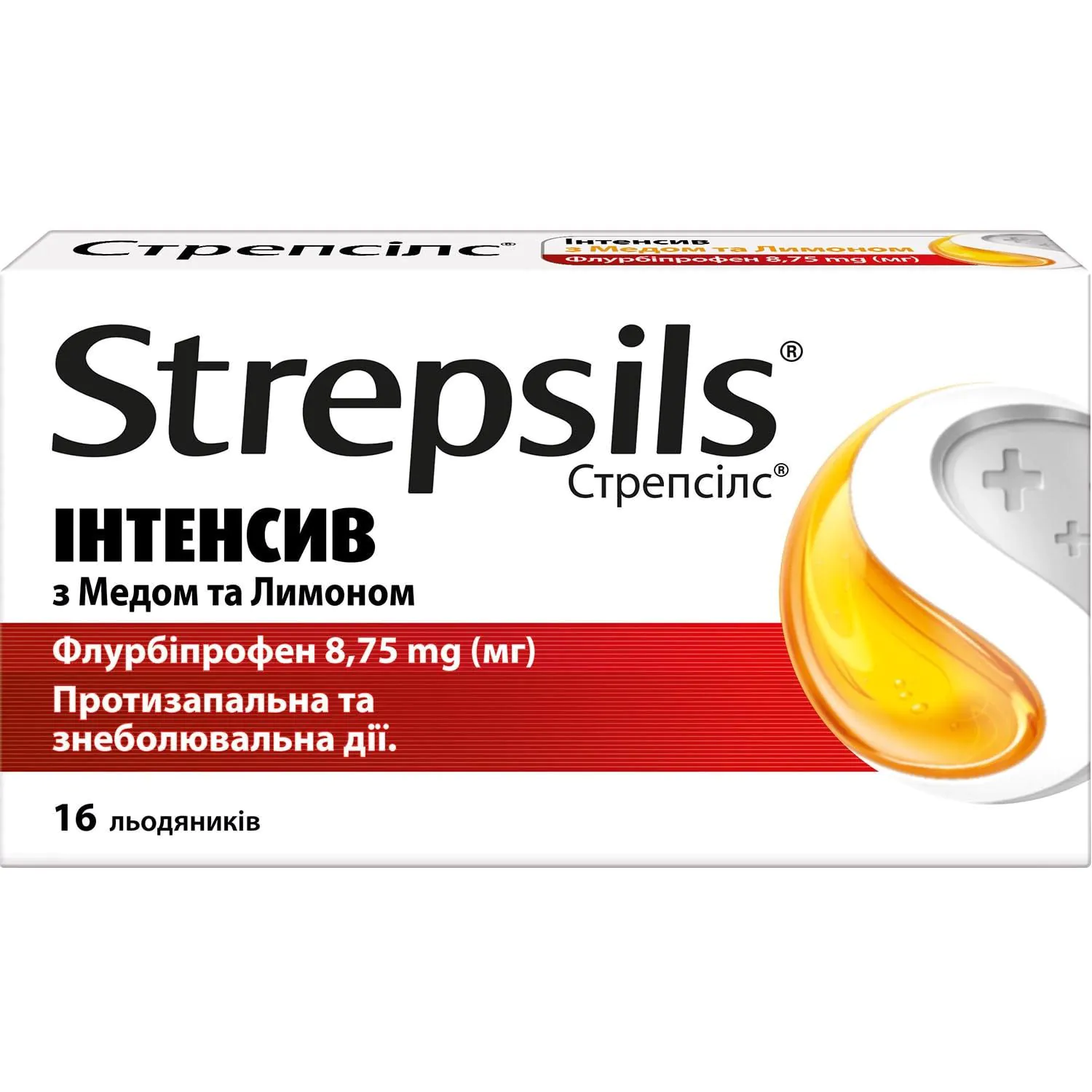
Strepsils Intensive lollipops with honey and lemon 8.75 mg each 16 pcs

Eucazolin Aqua nasal spray 1 mg/g bottle 10 ml
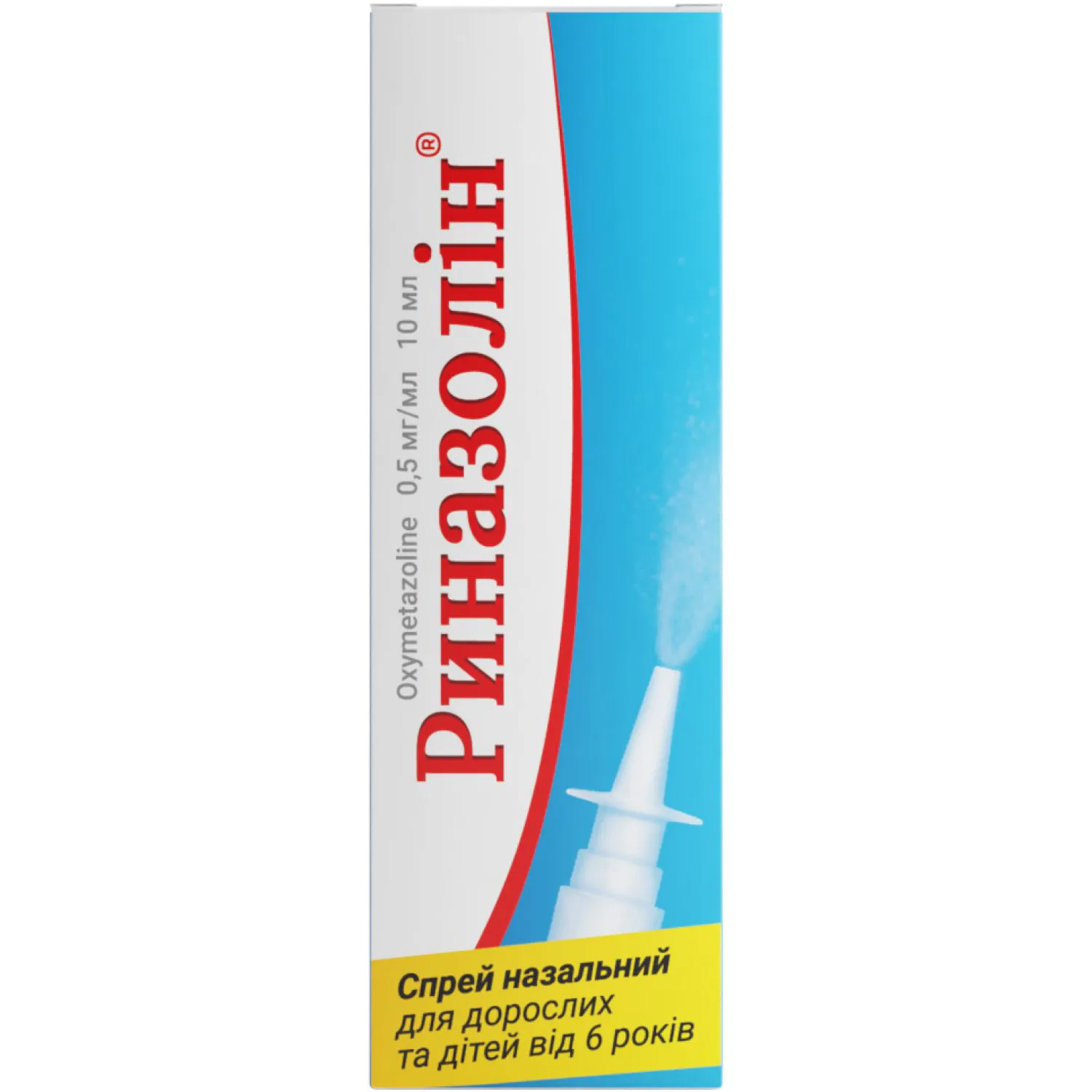
Rinazoline nasal spray 0.5 mg/ml bottle of 10 ml
Reviews
There are no reviews yet.