
🇦🇺 Australia
🇧🇪 Belgium
🇨🇦 Canada
🇨🇿 Czechia
🇩🇰 Denmark
🇪🇪 Estonia
🇫🇮 Finland
🇬🇷 Greece
🇭🇺 Hungary
🇮🇪 Ireland
🇮🇱 Israel
🇮🇹 Italy
🇯🇵 Japan
🇰🇼 Kuwait
🇱🇻 Latvia
🇱🇹 Lithuania
🇲🇽 Mexico
🇲🇩 Moldova
🇳🇱 Netherlands
🇳🇴 Norway
🇵🇱 Poland
🇷🇴 Romania
🇸🇰 Slovakia
🇰🇷 South Korea
🇨🇭 Switzerland
🇬🇧 United Kingdom
🇺🇸 United States of America
and more
🇦🇺 Australia
🇧🇪 Belgium
🇨🇦 Canada
🇨🇿 Czechia
🇩🇰 Denmark
🇪🇪 Estonia
🇫🇮 Finland
🇬🇷 Greece
🇭🇺 Hungary
🇮🇪 Ireland
🇮🇱 Israel
🇮🇹 Italy
🇯🇵 Japan
🇰🇼 Kuwait
🇱🇻 Latvia
🇱🇹 Lithuania
🇲🇽 Mexico
🇲🇩 Moldova
🇳🇱 Netherlands
🇳🇴 Norway
🇵🇱 Poland
🇷🇴 Romania
🇸🇰 Slovakia
🇰🇷 South Korea
🇨🇭 Switzerland
🇬🇧 United Kingdom
🇺🇸 United States of America
and more
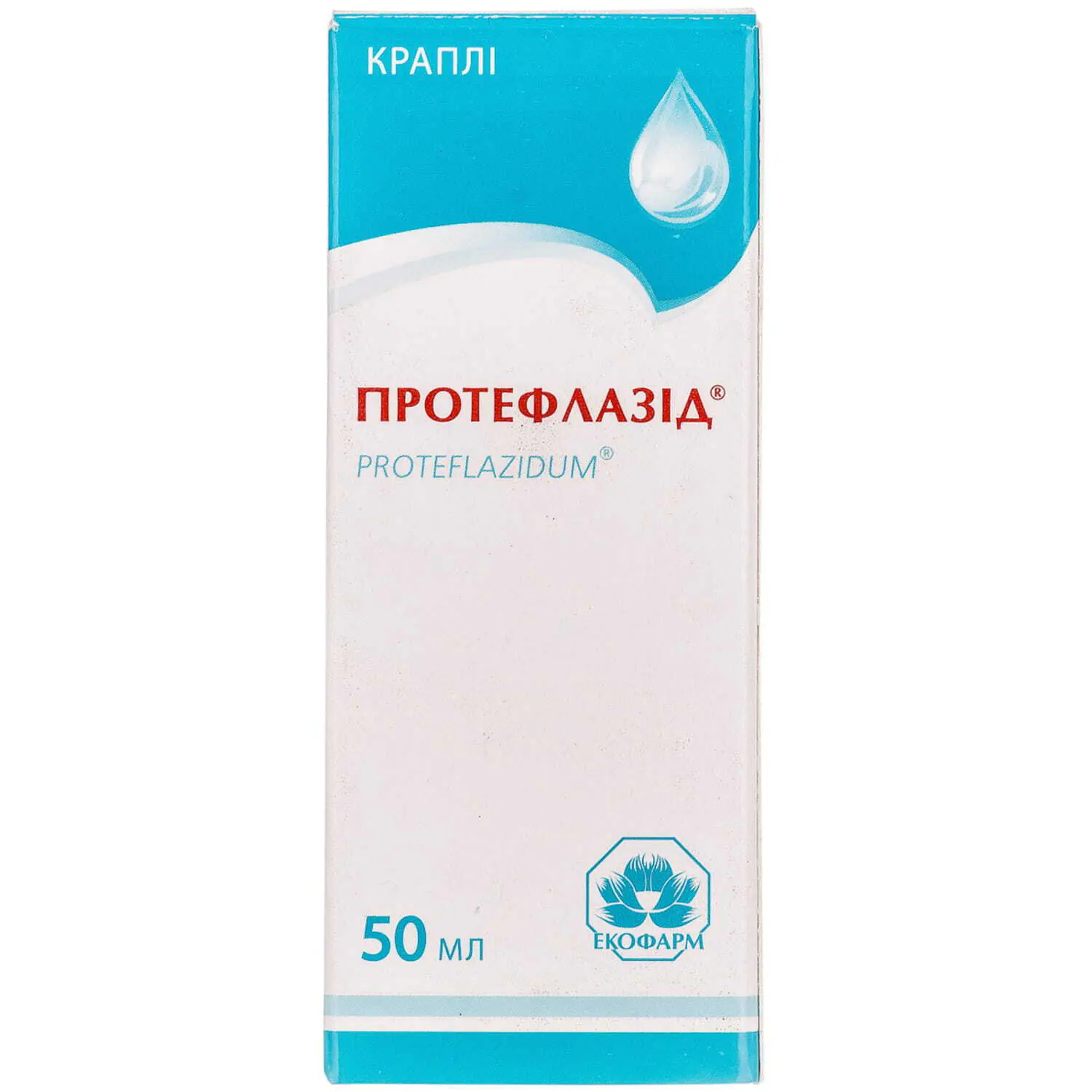
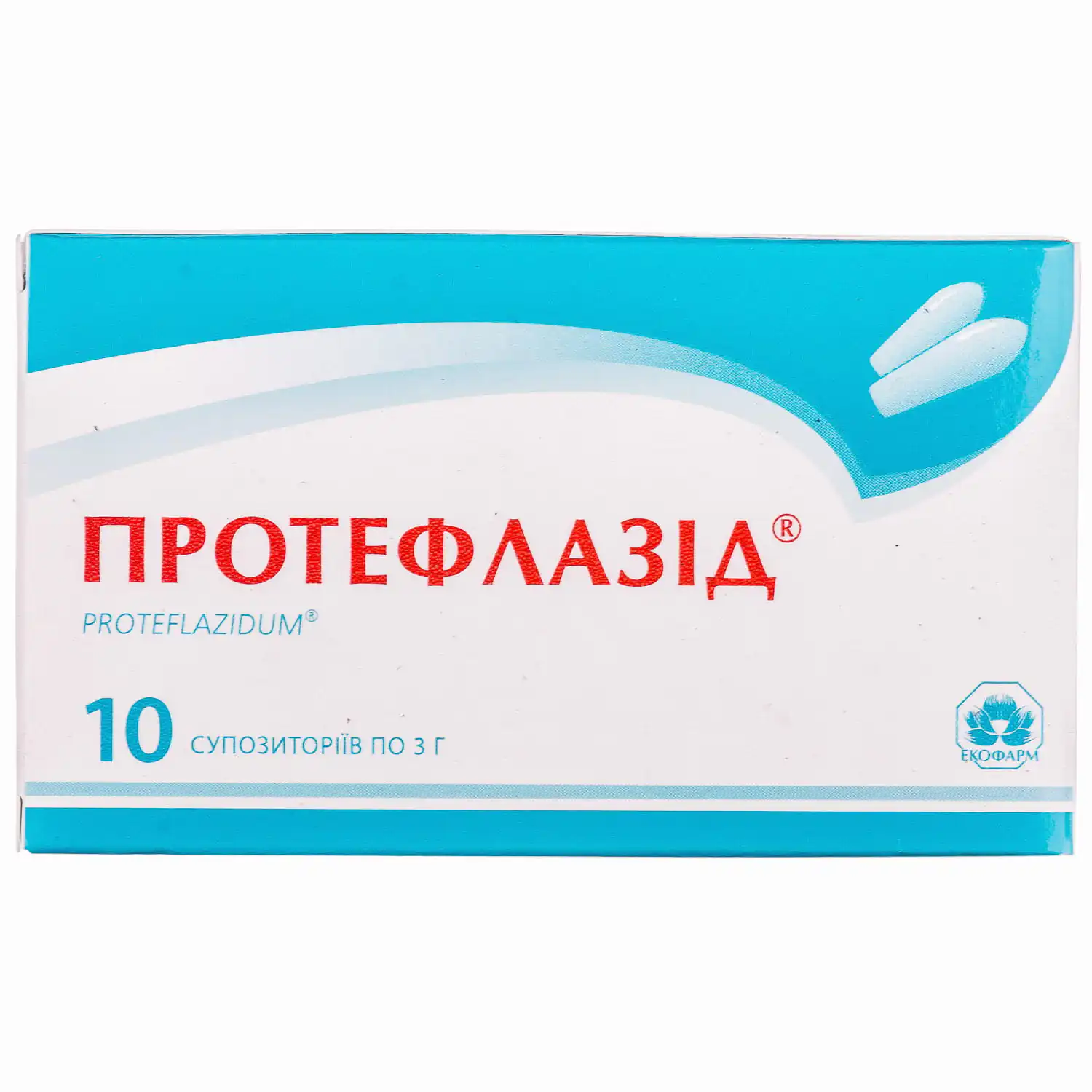
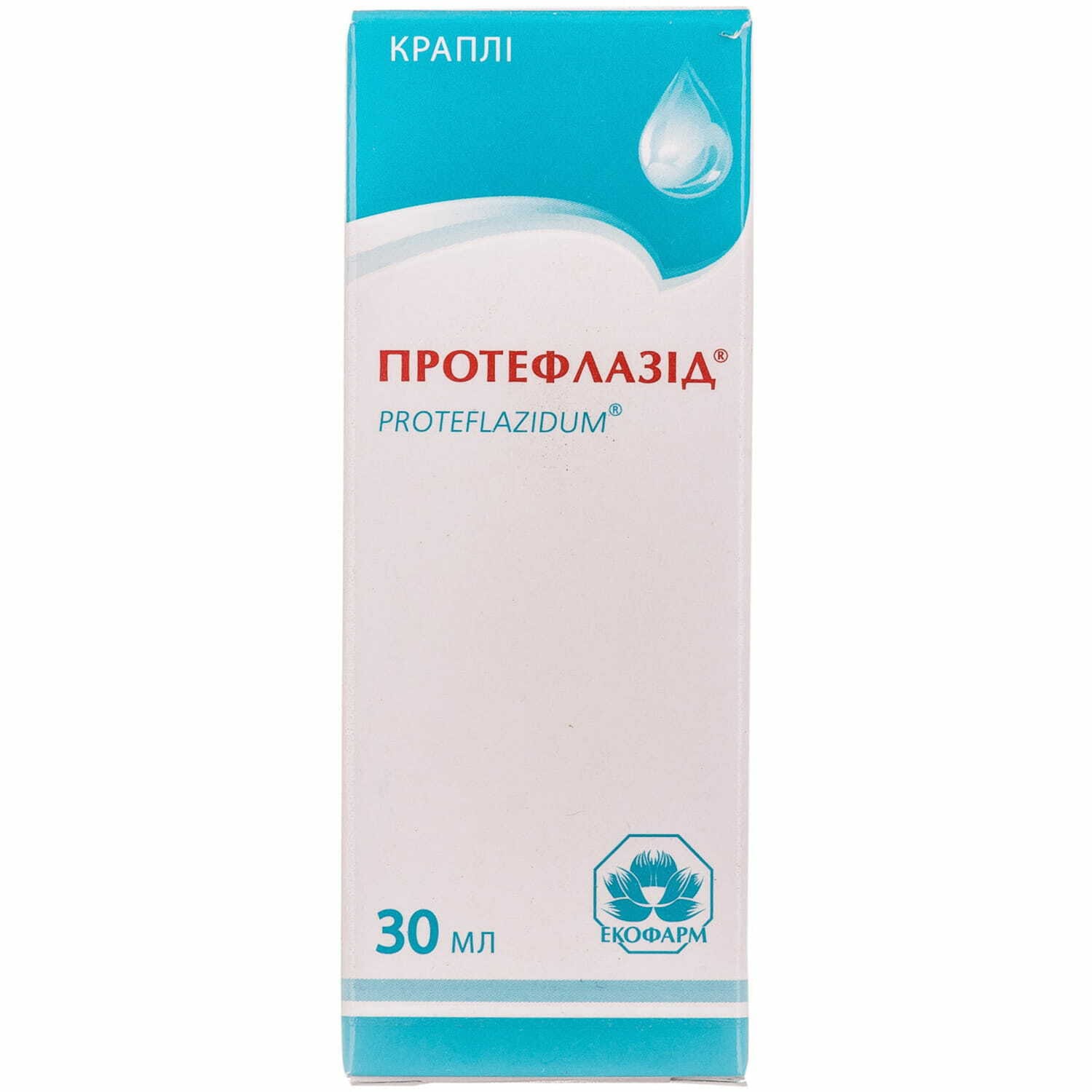
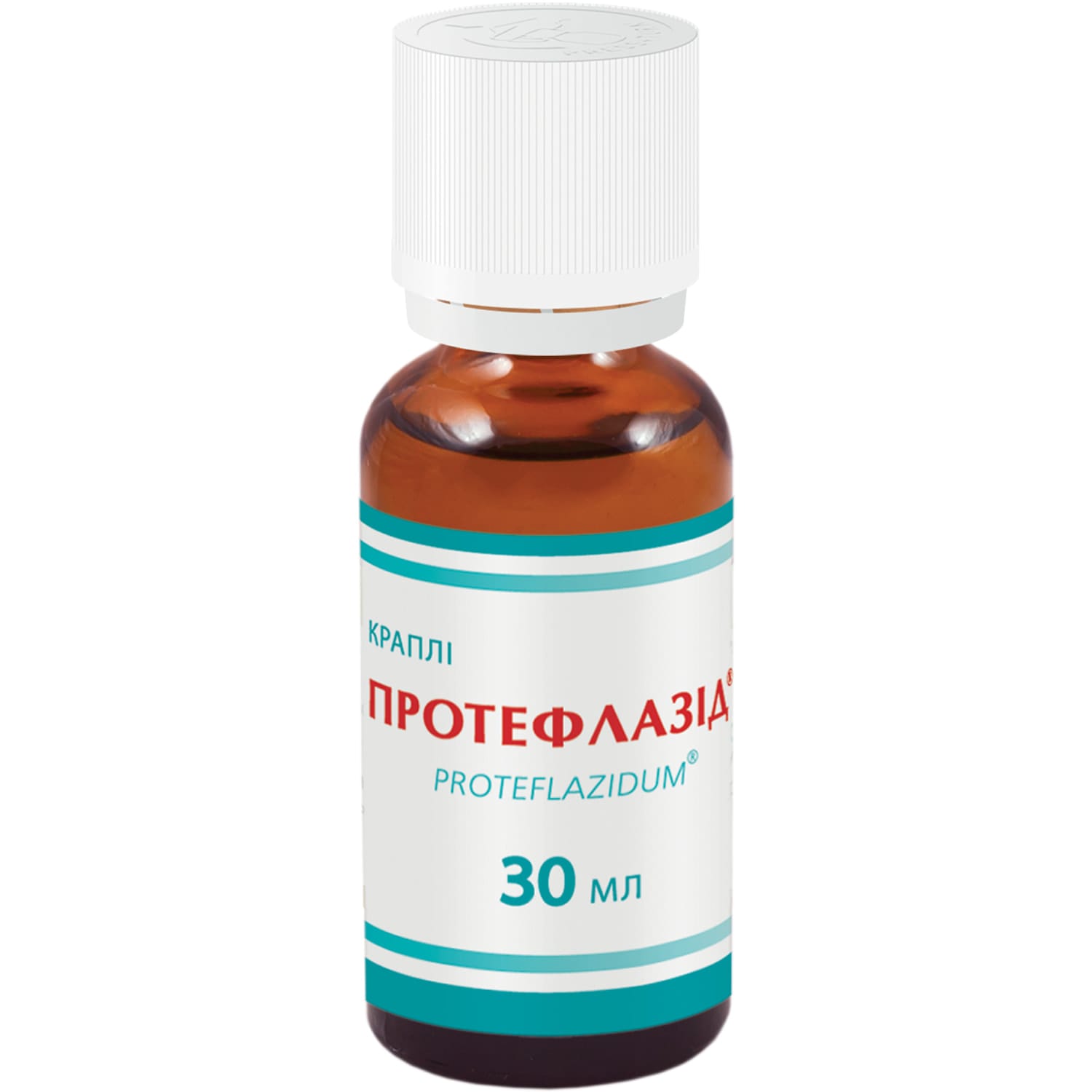
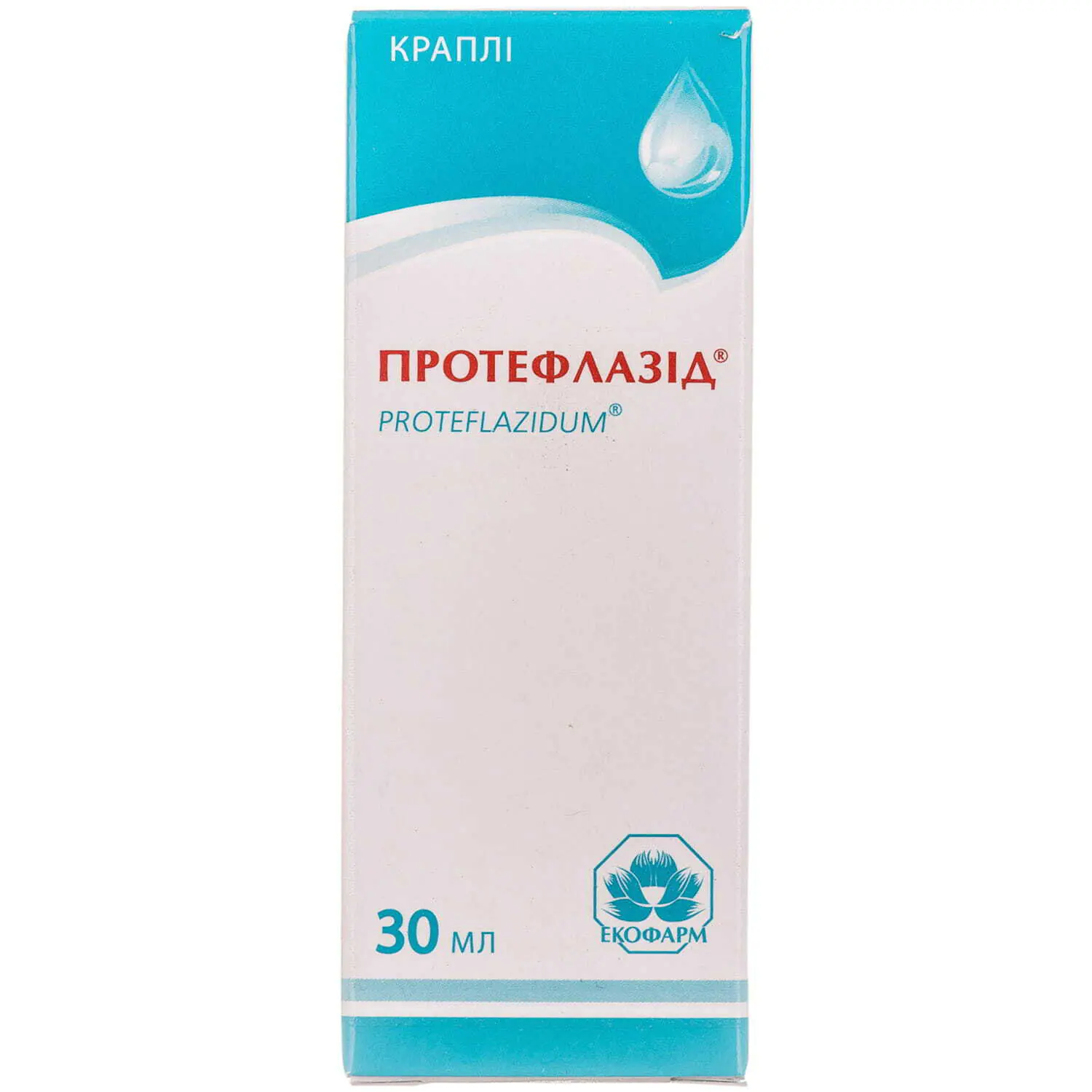
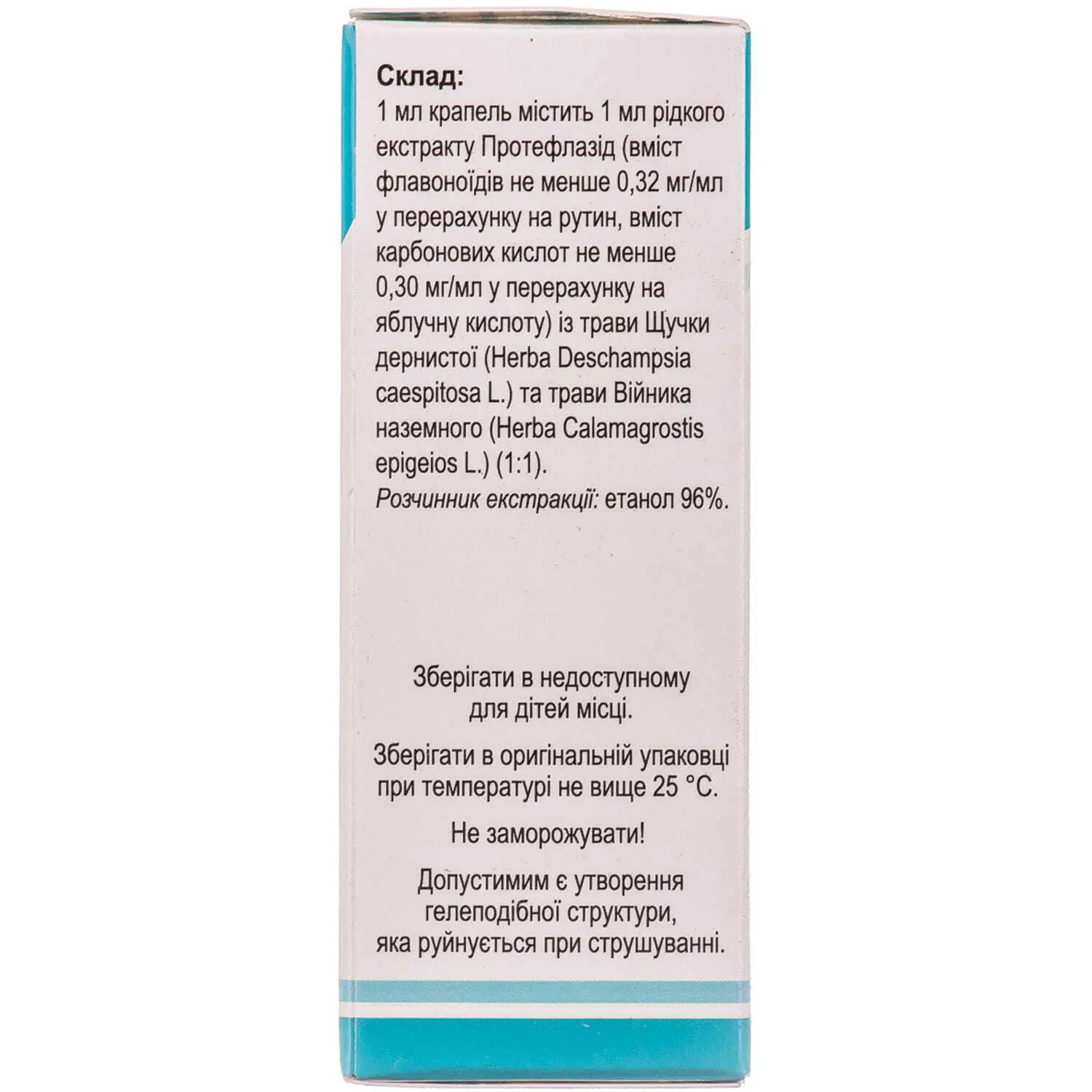
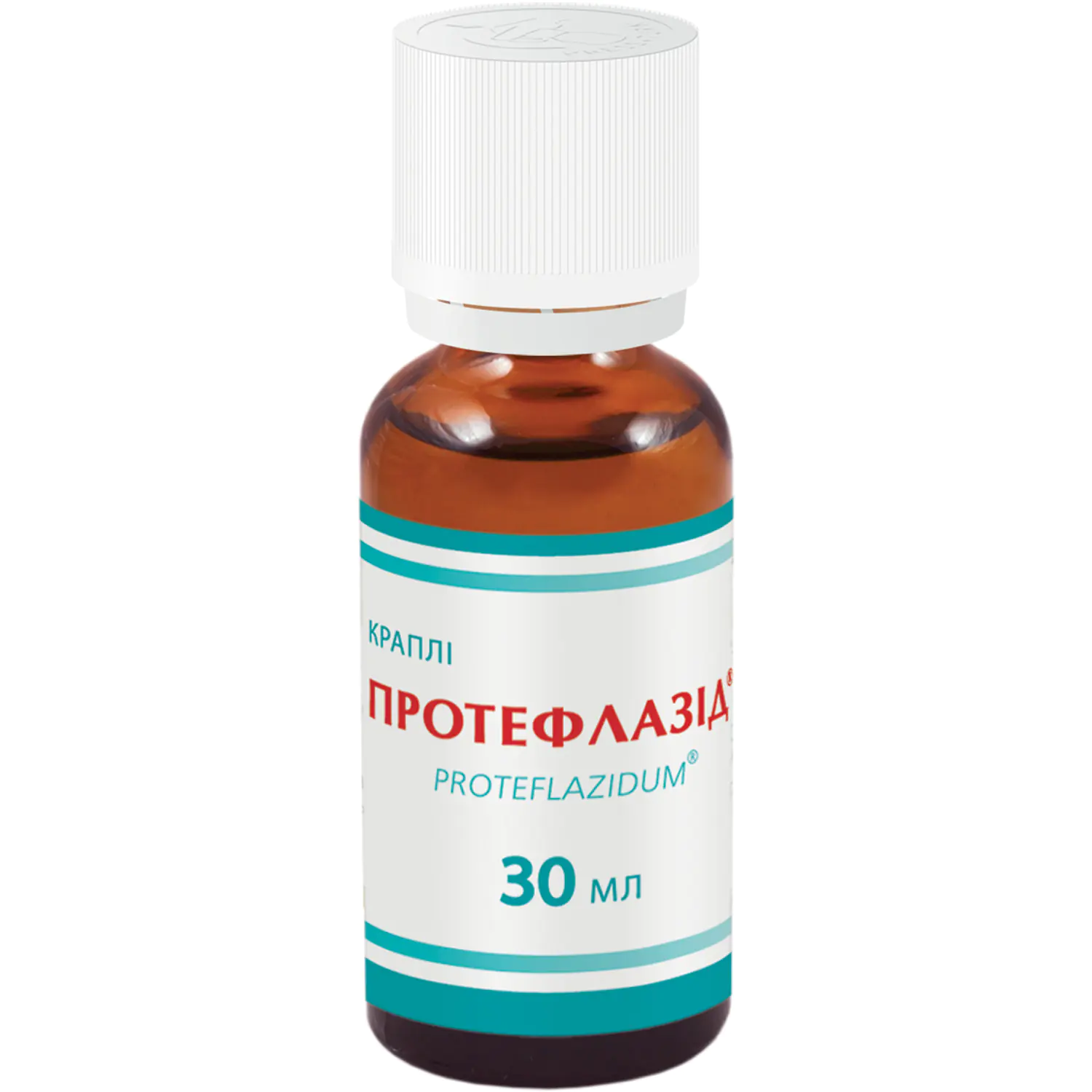
Proteflazid drops bottle 30 ml
$42.93
Free Worldwide Shipping
to: Australia, Belgium, Canada, Czechia, Denmark, Estonia, Finland, Greece, Hungary, Ireland, Israel, Italy, Japan, Kuwait, Latvia, Lithuania, Mexico, Moldova, Netherlands, Norway, Poland, Romania, Slovakia, South Korea, Switzerland, United Kingdom, United States and more
🏖️ Hello! We are on vacation!
We are still accepting orders on our website; however, order processing and shipping will resume after September 10. If you place an order during our vacation, we will contact you and remind you about the temporary shipping delay. Starting September 10, all orders received during this period will be processed and shipped in the order they were placed. If your order contains a product with less than one year remaining before its expiration date, we will notify you after September 10 and proceed according to your instructions. If you decide to cancel an order placed during our vacation, simply contact us through the contact form on our website, and we will be happy to assist you. Thank you for your understanding, and we apologize for any inconvenience caused.
In stock
Proteflazid drops provide antiviral action against herpes, flu and ARVI, supporting immunity and reducing risk of viral infection relapses.
Payment
PayPal, Debit or Credit card, Google Pay, Apple Pay
Orders Temporarily Unavailable
Due to temporary postal service disruptions, we are currently unable to accept orders.
Proteflazid is a direct-acting antiviral agent for the treatment of diseases and prevention of relapses caused by:
- herpes simplex viruses (Herpes simplex) types 1 and 2;
- herpes zoster and chickenpox viruses (Herpes Zoster, type 3);
- herpes viruses type 4 (Epstein-Barr virus), acute and chronic active forms;
- herpes viruses type 5 (cytomegalovirus).
Treatment and prevention of influenza and other acute respiratory viral infections (including pandemic influenza strains).
As part of the complex treatment:
- hepatitis B and C;
- viral, bacterial, fungal infections, their associations (chlamydia, mycoplasma, ureaplasma, etc.);
- HIV infection and AIDS.
Etiotropic therapy of mild and moderate forms of cervical dysplasia (CIN1 and CIN2) caused by papillomavirus infection, including oncogenic strains.
As part of complex therapy for other forms of diseases caused by papillomavirus infection, including oncogenic strains.
Composition
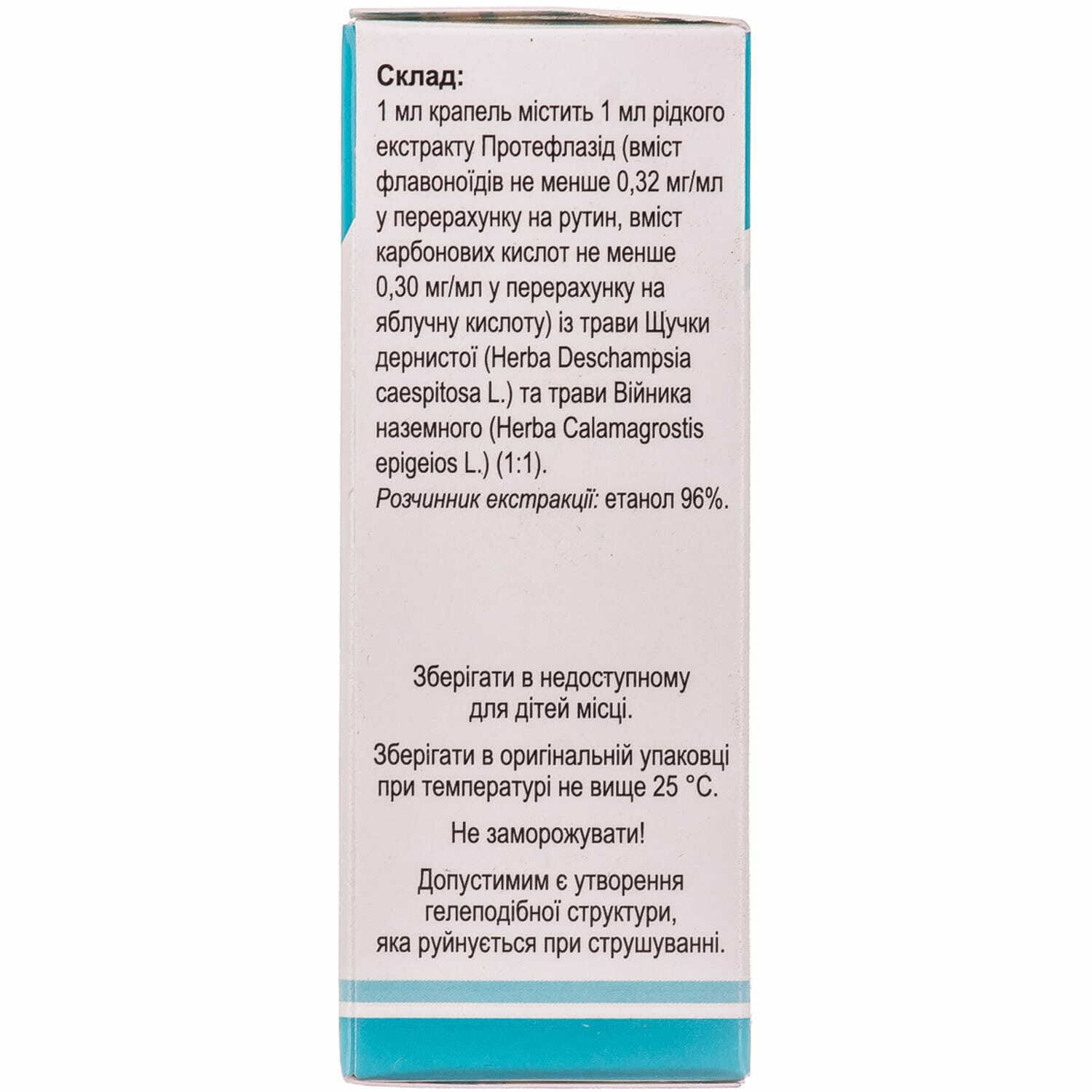
1 ml of drops contains 1 ml of liquid extract Proteflazid (flavonoid content of at least 0.32 mg/ml in terms of rutin, carboxylic acid content of at least 0.30 mg/ml in terms of malic acid) from the grass of Sodden Pike (Herba Deschampsia caespitosa L.) and the grass of Ground Warbler (Herba Calamagrostis epigeios L.) (1:1).
Extraction solvent: ethanol 96%.
Contraindication
Hypersensitivity to the components of the drug. Gastric or duodenal ulcer.
Adverse reactions
Allergic reactions: Hypersensitivity reactions may occur in susceptible individuals. Rarely, allergic reactions may occur, including erythematous rashes and itching.
On the part of the digestive system: isolated cases of gastrointestinal disorders are observed – pain in the epigastric region, nausea, vomiting, diarrhea. In patients with chronic gastroduodenitis, exacerbation of gastroduodenitis and the occurrence of gastroesophageal reflux (reflux esophagitis) are possible.
General disorders: in rare cases, headache, general weakness, transient increase in body temperature up to 38 °C on the 3rd-10th day of drug therapy are possible.
Laboratory indicators: during the treatment of viral hepatitis, 10-15% of patients with severe cytolytic syndrome experience an increase in aminotransferase activity (less often, bilirubin levels).
Local reactions: with local application, a burning sensation, itching, and dryness may occur.
In case of any adverse reactions, you should consult a doctor.
Method of application
The bottle must be shaken before use.
The drug is dosed using a dropper. The required amount of the drug should be dripped into water (volume – 1-2 tablespoons), taken 10-15 minutes before meals.
Dosage regimen for Proteflazid drops, depending on age
- from birth to 1 year – 1 drop per day;
- 1 – 2 years – 1 drop 2 times a day;
- 2 – 4 years – 2 drops 2 times a day;
- 4 – 6 years – 4 drops 2 times a day;
- 6 – 9 years – 9 drops 2 times a day;
- 9 – 12 years – 10 drops 2 times a day;
- children over 12 years old and adults – 12-15 drops 2 times a day.
The duration of use of Proteflazid depends on the indications and course of the disease.
Application features
Use during pregnancy or breastfeeding
In preclinical studies, no embryotoxic, teratogenic, fetotoxic, mutagenic and carcinogenic effects were detected. Special studies on such effects of the drug on the human fetus have not been conducted, but clinical experience with the use of the drug in the I-III trimesters of pregnancy and during breastfeeding has not revealed any negative effects. The decision on the advisability of using the drug during pregnancy or breastfeeding is made by a doctor.
Children
The drug Proteflazid is used for children from birth.
The ability to influence the reaction speed when driving or working with other mechanisms
When used in recommended doses, no negative effects on the ability to perform work requiring special attention and quick reactions were detected.
Overdose
Cases of overdose are unknown, but side effects may develop, especially from the gastrointestinal tract. Treatment is symptomatic.
In case of an overdose of Proteflazid, you should immediately consult a doctor.
Interaction with other medicinal products and other types of interactions
During clinical use, the possibility and feasibility of combining Proteflazid with antibiotics and antifungal drugs for the treatment of viral-bacterial and viral-fungal diseases have been established. No negative manifestations due to interaction with other drugs have been identified.
Storage conditions
Store in the original packaging at a temperature not exceeding 25 °C.
Do not freeze!
It is permissible to form a gel-like structure that collapses when shaken. Keep out of the reach of children.
You may also like


Reviews
There are no reviews yet.